Capricorn unveils a $3.4 million limited-edition hypercar with a cabin made almost entirely from carbon fiber
Published on Jan 05, 2026 at 12:27 AM (UTC-5)
by Alessandro Renesis
Last updated on Jan 07, 2026 at 12:34 PM (UTC-5)
Edited by
Emma Matthews


This is the Capricorn 01 Zagato, a hypercar designed in Italy and built in Germany, which is quite possibly the best combination for a supercar.
It’s a supercharged V8 and uses an old-school manual gearbox, and unusually, will only ever be made as a manual.
It’s also incredibly light, with a curb weight under 1200kg.
Considering all of this, it should come as no surprise that prices start at around $3.4 million.
DISCOVER SBX CARS: The global premium car auction platform powered by Supercar Blondie
The new Capricorn 01 Zagato does performance the old-fashioned way, but with modern tech
Capricorn is an engineering firm from Germany that usually collaborates on other cars.
For example, it’s responsible for making the entire rear wing on the Porsche GT3 RS.
It’s also the oldest crankshaft manufacturer in the world.
With deep ties to motorsport, including Formula 1 and Le Man, it’s now decided to go solo to create a seriously powerful driving machine.
And the Capricorn 01 Zagato is just that.

It has an incredible power-to-weight ratio, and a brilliant engine.
The 5.2-liter V8 that powers it develops over 900hp, but the car only weighs 1,200kg.
This explains the 0-60mph time of just under three seconds, and also the 224mph (360kmh) top speed.
The engine is in the middle, and power is sent to the rear wheels courtesy of a 5-speed manual transmission.
The engine bay is also a work of art (you can have a closer look in the video at the top of this story).
It checks all the analog boxes collectors love.
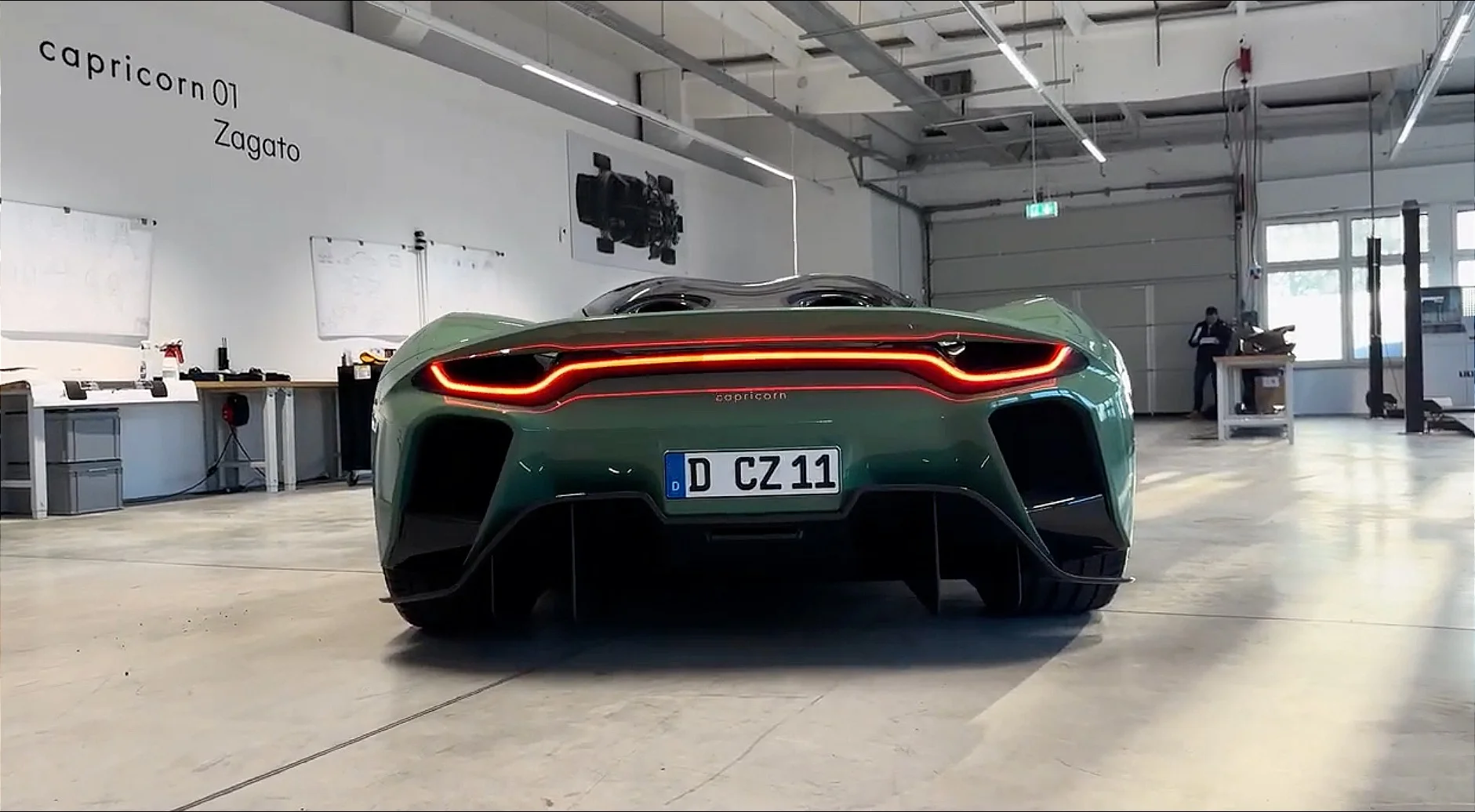


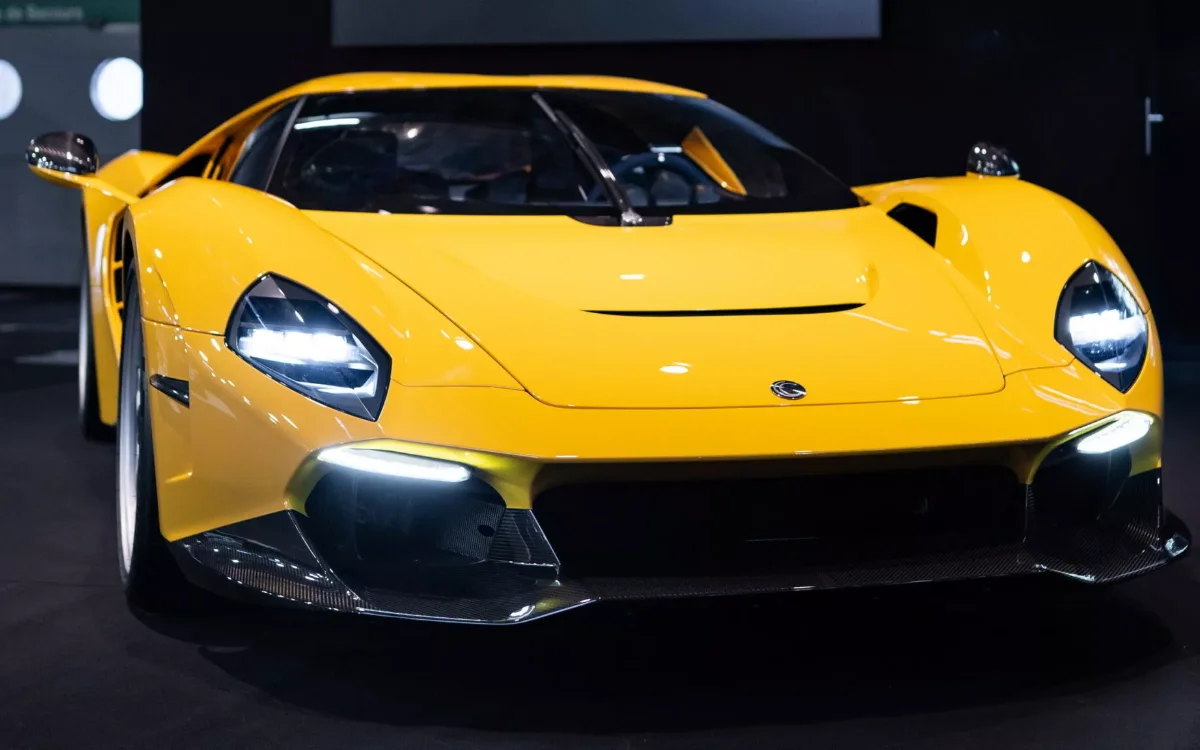
The interior is a triumph of carbon fiber
The entire monocoque is carbon fiber, from front to back, which is how they managed to achieve a total weight of under 1200kg.
Also, unlike other equivalent hypercars, it features real side mirrors – not cameras – and is fitted with gullwing doors for added drama, which never hurts.
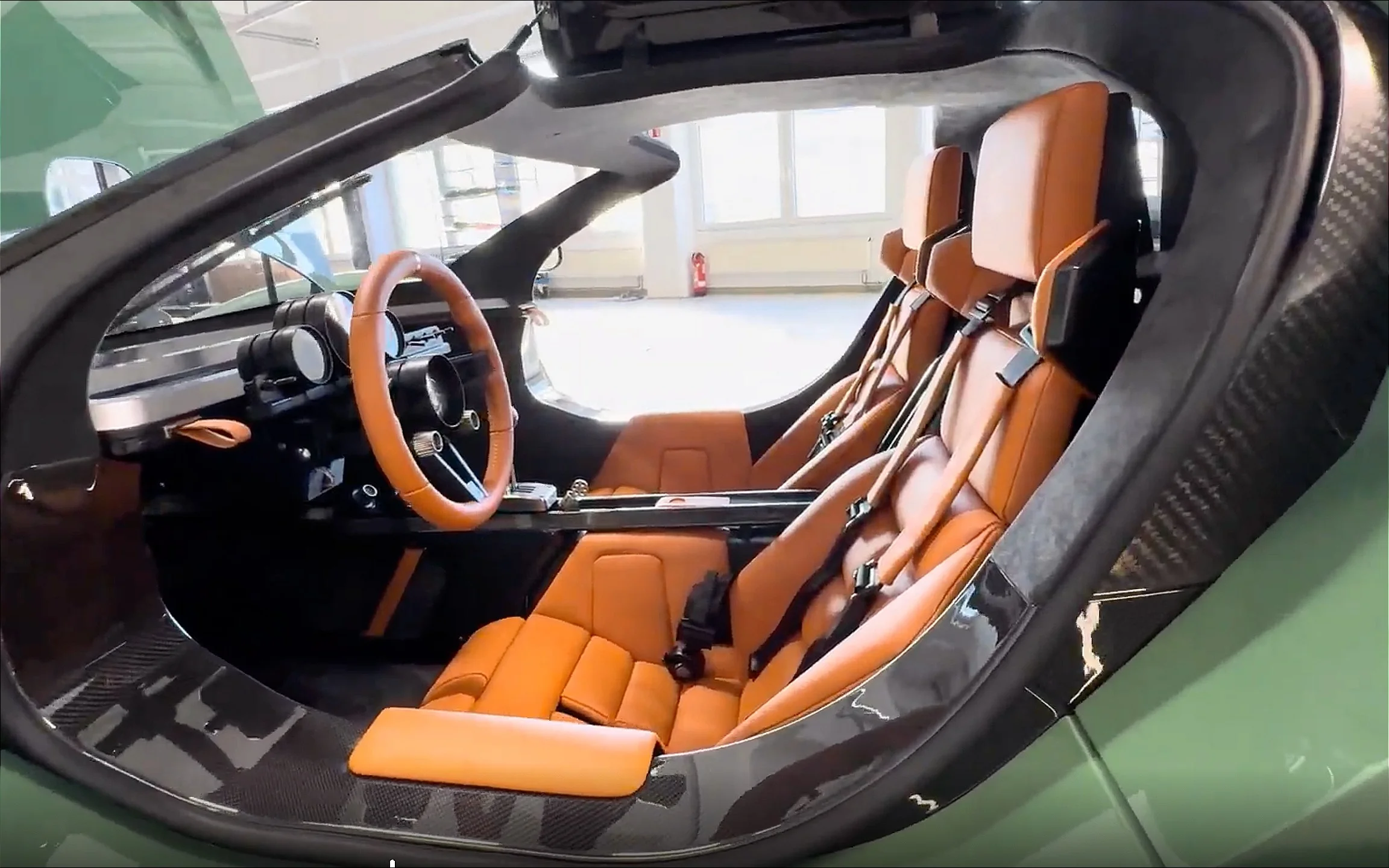
The interior follows the same analog-first philosophy, with no big screens, no distractions – just the things you actually need to drive.
Carbon fiber was also used extensively for the interior, with race-track-inspired gauges, a three-unit analog instrument cluster, and a massive rev counter.
As you can imagine, this hypercar won’t be cheap.
Production is limited to 19 units, and pricing starts at USD $3.4 million before taxes.
But that’s just the base price, and obviously, the car is fully customizable, which means you can very easily add a few more dollars to that price tag.
Alessandro is an automotive journalist with 10 years of experience covering supercars, automotive history, emerging vehicle technology, and luxury transportation. He wrote the first article published on SupercarBlondie.com when the website launched in 2022 and has since built a reputation for insightful reporting across the automotive and transportation industries. His expertise is grounded in hands-on experience. Alessandro has driven every Tesla model ever produced, from the original Roadster to the Cybertruck, and regularly covers the latest developments in electric vehicles and automotive innovation. His passion for transportation extends beyond cars, he has even flown a Boeing 787 Dreamliner simulator in Addis Ababa, Ethiopia. His reporting spans everything from classic American muscle cars and rare automotive discoveries to luxury yachts, private aircraft, high-end watches, and cutting-edge vehicle technology. Known for his deep knowledge of automotive history and ability to uncover the stories behind iconic vehicles, Alessandro brings readers a blend of historical context, technical expertise, and first-hand experience.