A car TV presenter just lifted the curtain on how classic car shows really work and the truth is more interesting than the fiction
Published on Apr 10, 2026 at 8:04 PM (UTC+4)
by Henry Kelsall
Last updated on Apr 10, 2026 at 8:04 PM (UTC+4)
Edited by
Emma Matthews
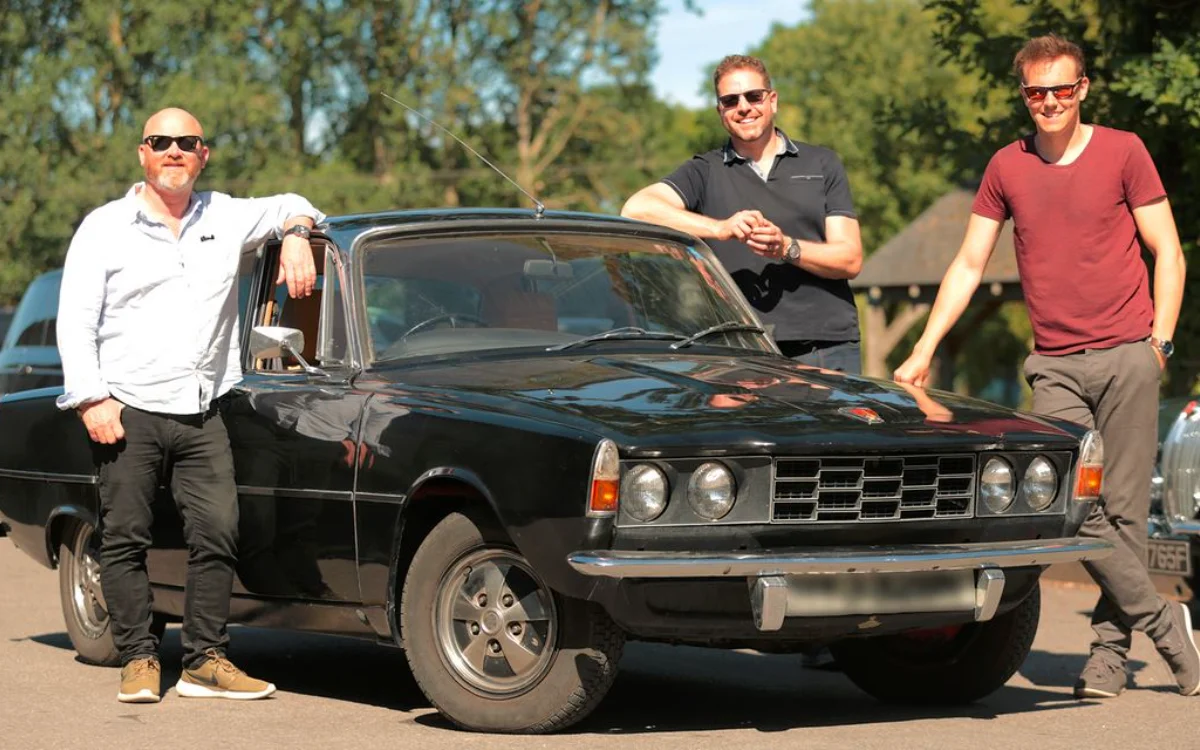

A car TV presenter has revealed all, lifting the lid on what really takes place on classic car shows, providing us with more truth than we see when the cameras are rolling.
Paul Cowland discussed this on his YouTube channel, Cowland Car Collection, having had the question posed to him a lot over the years.
Cowland spoke about his own show, Salvage Hunters Classic Cars, which airs on UK television.
His video revealed some interesting secrets that, while some may not want to know, many others might find truly fascinating.
How are cars really chosen for classic car TV?
One aspect controlled more than we think is how cars are chosen.
Cowland revealed that he can’t just choose any car he wants for a show; it has to go through the producers and the TV channel.
“The list that we make is then tempered by the channel, and the producers who are much cleverer,” said Cowland.
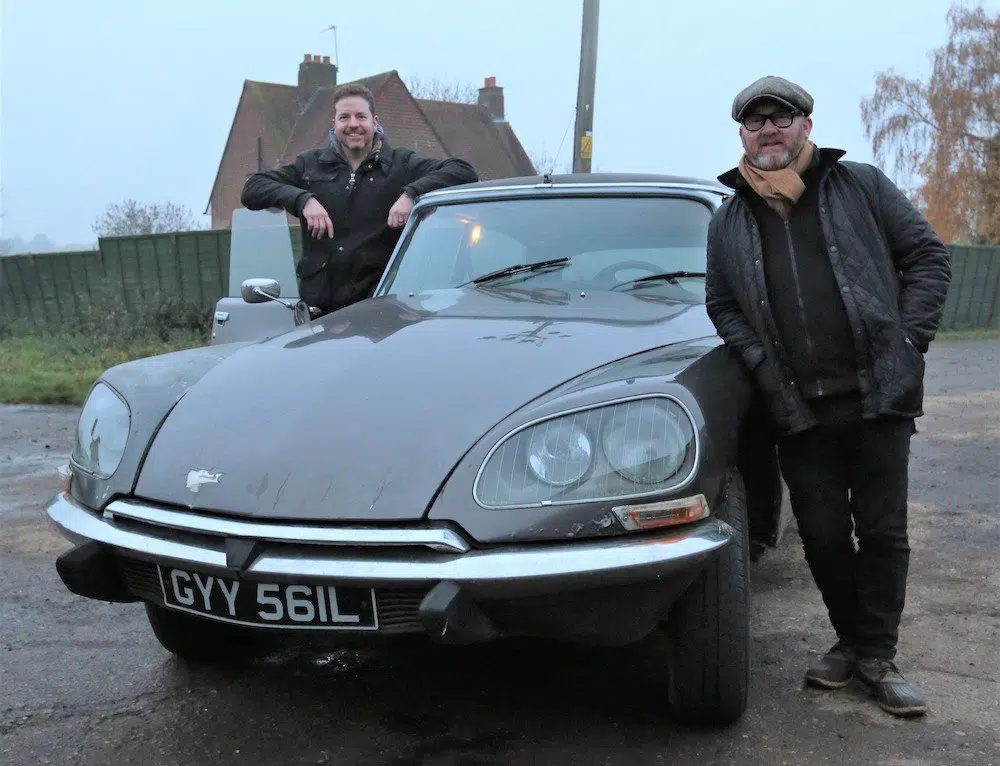
“They kind of say, Volkswagen Beetle, Mini, Ford Capri, stuff that everyone’s had or their dads had.
“Because that way we make a show everyone wants to watch,” he added.
As he puts it, you have to give the people what they want.
Cars are then selected from auction sites and clubs, and those are narrowed down further to the best option for TV.
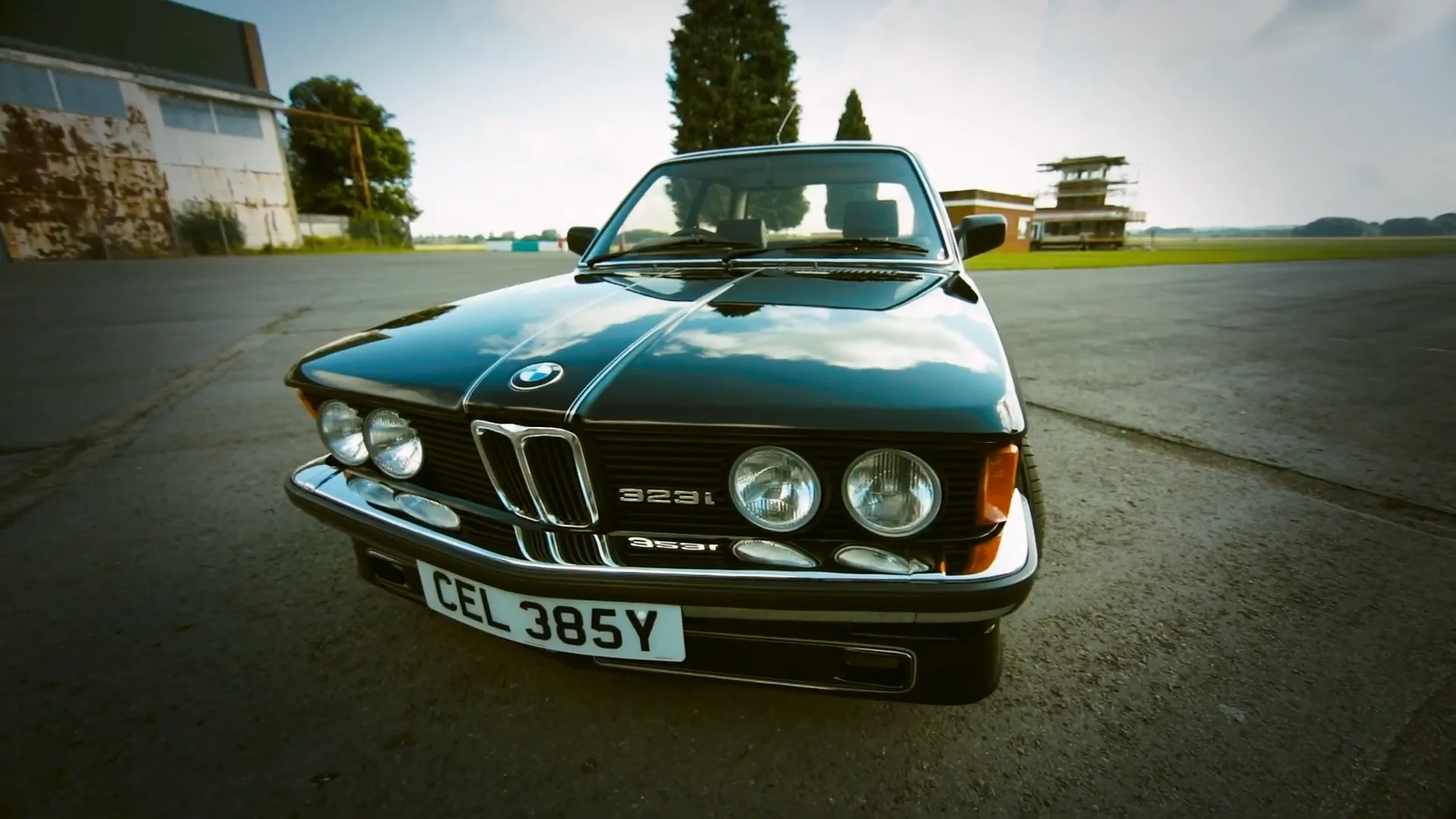
There is also a longer wait time between agreeing to buy a car and it being seen by the presenters.
“In between the time of finding the car and shooting the car, we leave a small deposit on the vehicle,” said Cowland.
That shows goodwill to the seller, and that they will definitely buy the car.
This is what else is real and fake on the TV shows
Cowland discussed various other aspects of the TV shows.
Reactions to the reveal of the cars are genuine, although the presenters have to be kept away while the film crew sets up.
Any test drive, negotiations, and purchases of the cars are also unscripted and genuine.
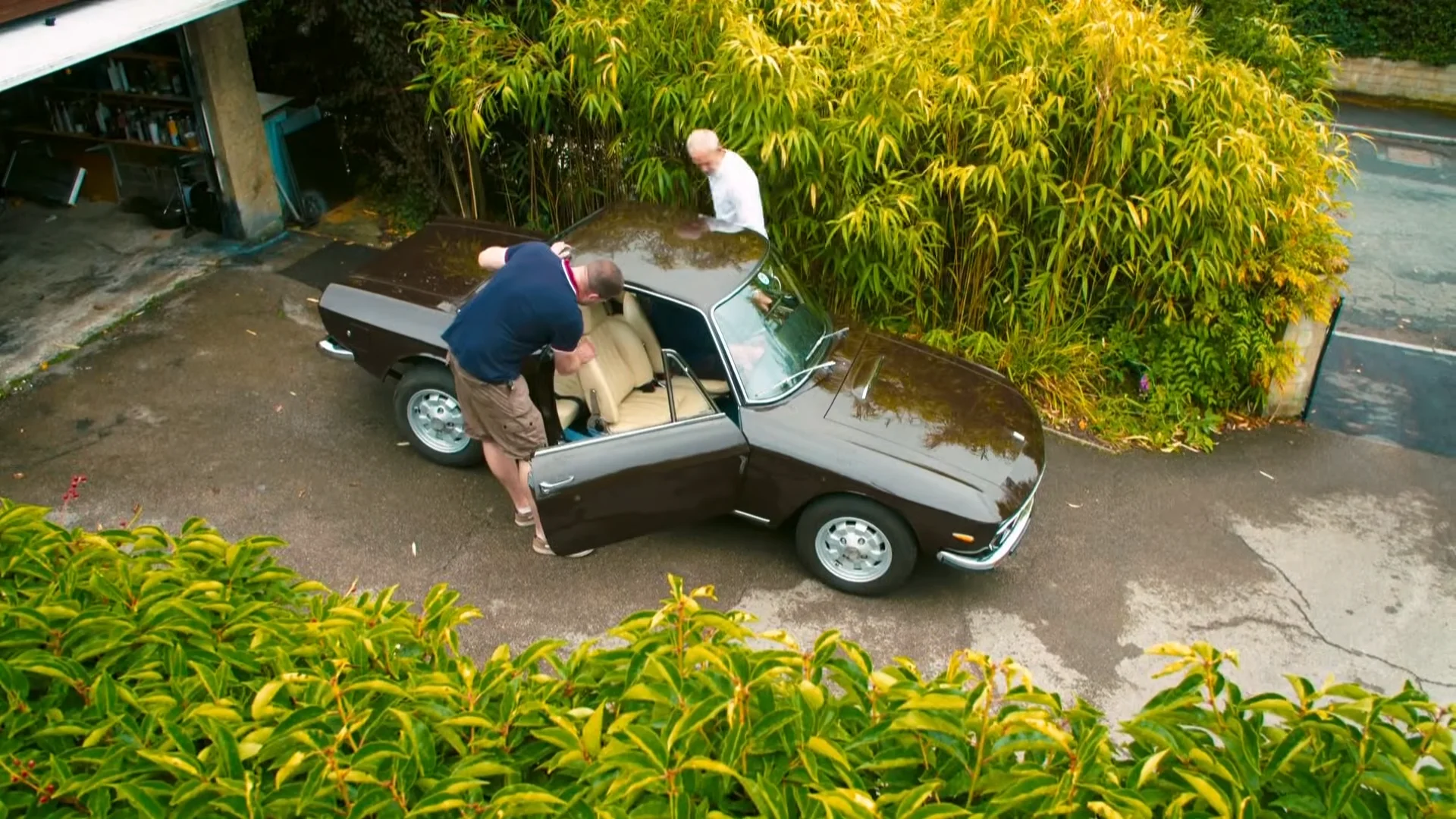
Some other tricks, however, do need to be used.
Restoration footage is genuine.
But some aspects are slightly changed.
“For our show, they really wanted us to do more artisan stuff,” said Cowland.
“So things like the woven basket in the post office van, and things like trimming, seat covering, and metal casting.”

Mechanical work doesn’t feature as much as the ‘beauty’ shots of classic car restoration.
But overall, most of what we see is real.
“90-95 percent of what you’re watching is exactly what happened with the cars and the people we met,” concluded Cowland.
So while not everything is 100 percent accurate, as on some shows, a surprising amount of car TV is actually real.
DISCOVER SBX CARS: The global premium car auction platform powered by Supercar Blondie
Henry joined the Supercar Blondie team in February 2025, and since then has covered a wide array of topics ranging from EVs, American barn finds, and the odd Cold War jet. He’s combined his passion for cars with his keen interest in motorsport and his side hustle as a volunteer steam locomotive fireman at a heritage steam railway.