Man shares the best ways to pay less to charge your electric car that any owner can properly utilize
Published on Sep 13, 2026 at 10:16 AM (UTC-4)
by Daisy Edwards
Last updated on Sep 13, 2026 at 10:16 AM (UTC-4)
Edited by
Tom Fenton
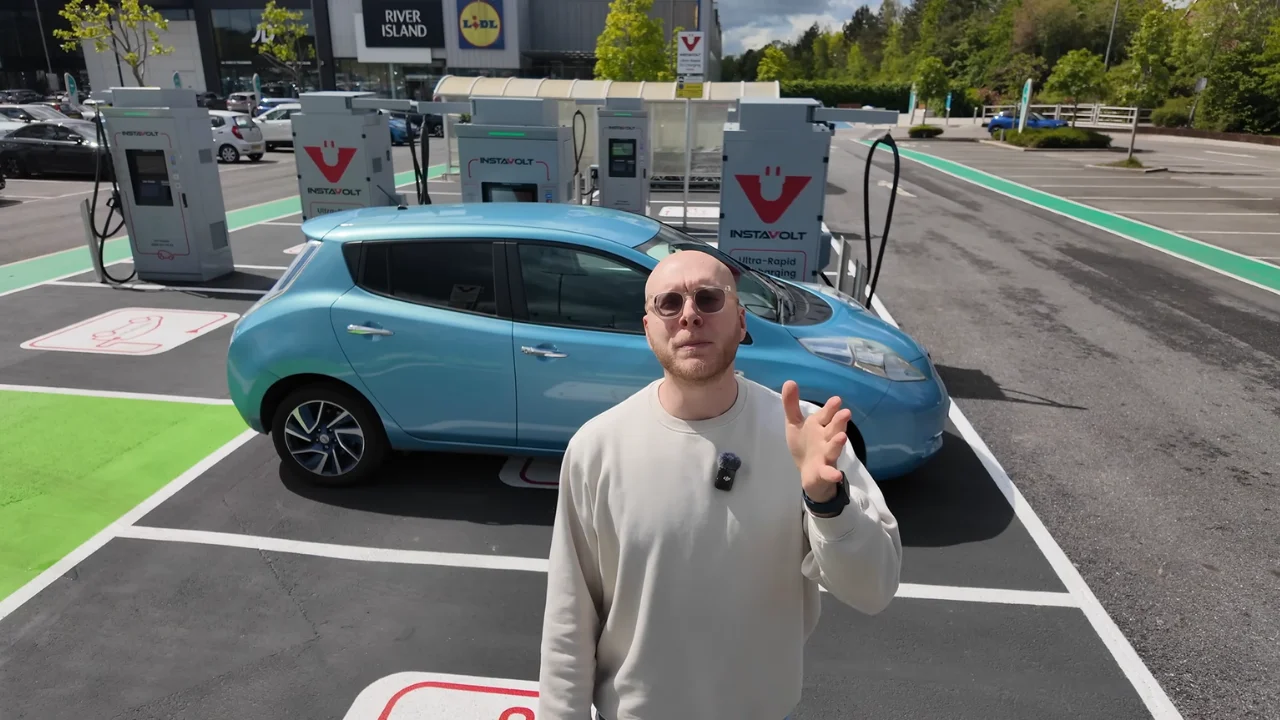

Putting an electric car onto charge can be incredibly cheap, but only if you know where to plug it in.
One EV owner says many drivers make the mistake of relying too heavily on expensive public fast chargers.
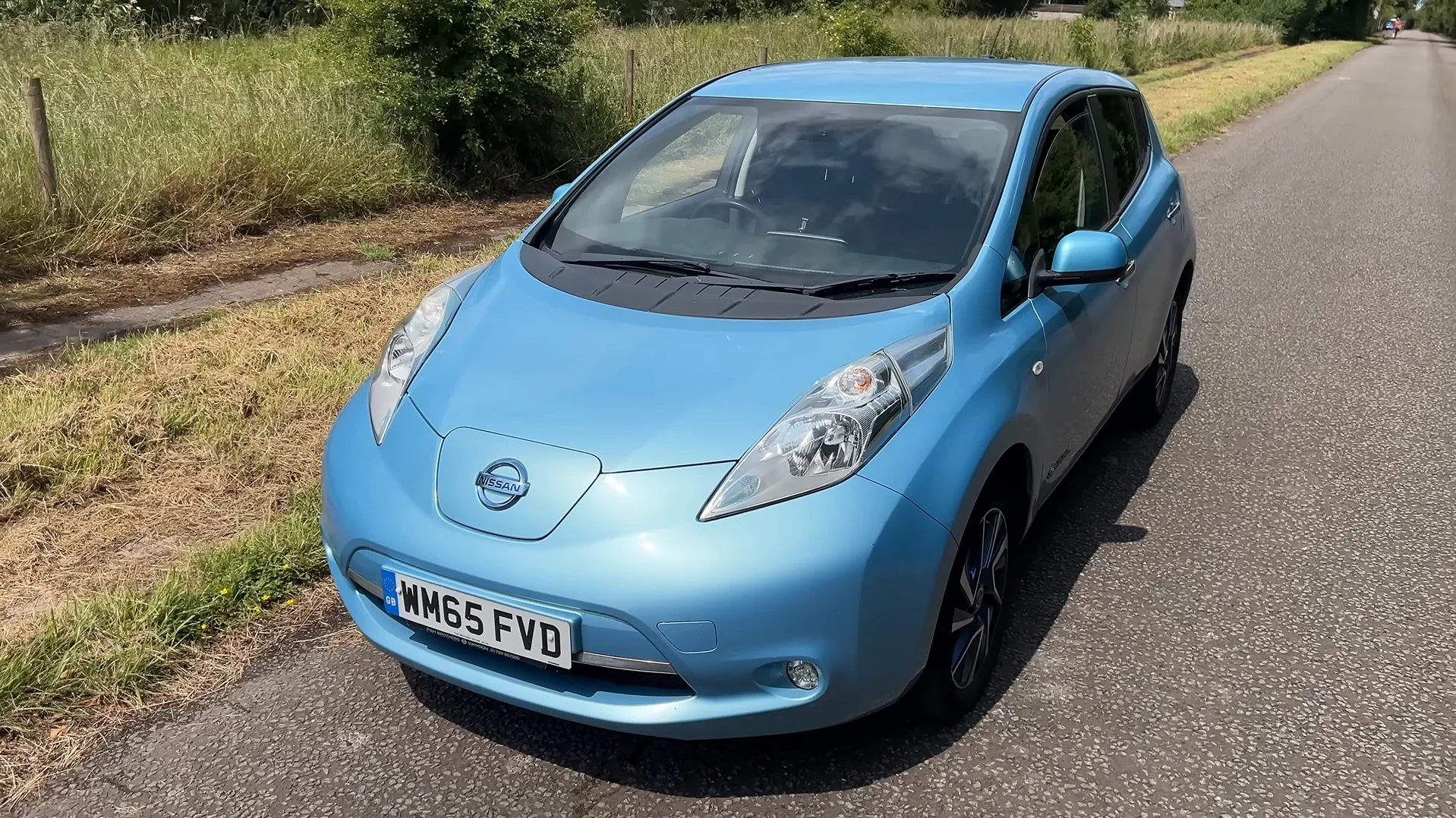
After a year of living with a $3,200 2015 Nissan Leaf, he has worked out several simple ways to cut charging costs.
And the biggest savings could come from changing where you charge rather than how much you drive.
Home charging is the biggest money saver for your electric car
According to YouTuber and Nissan Leaf owner, Efficient Alex, the first thing electric car owners should focus on is charging at home whenever possible.

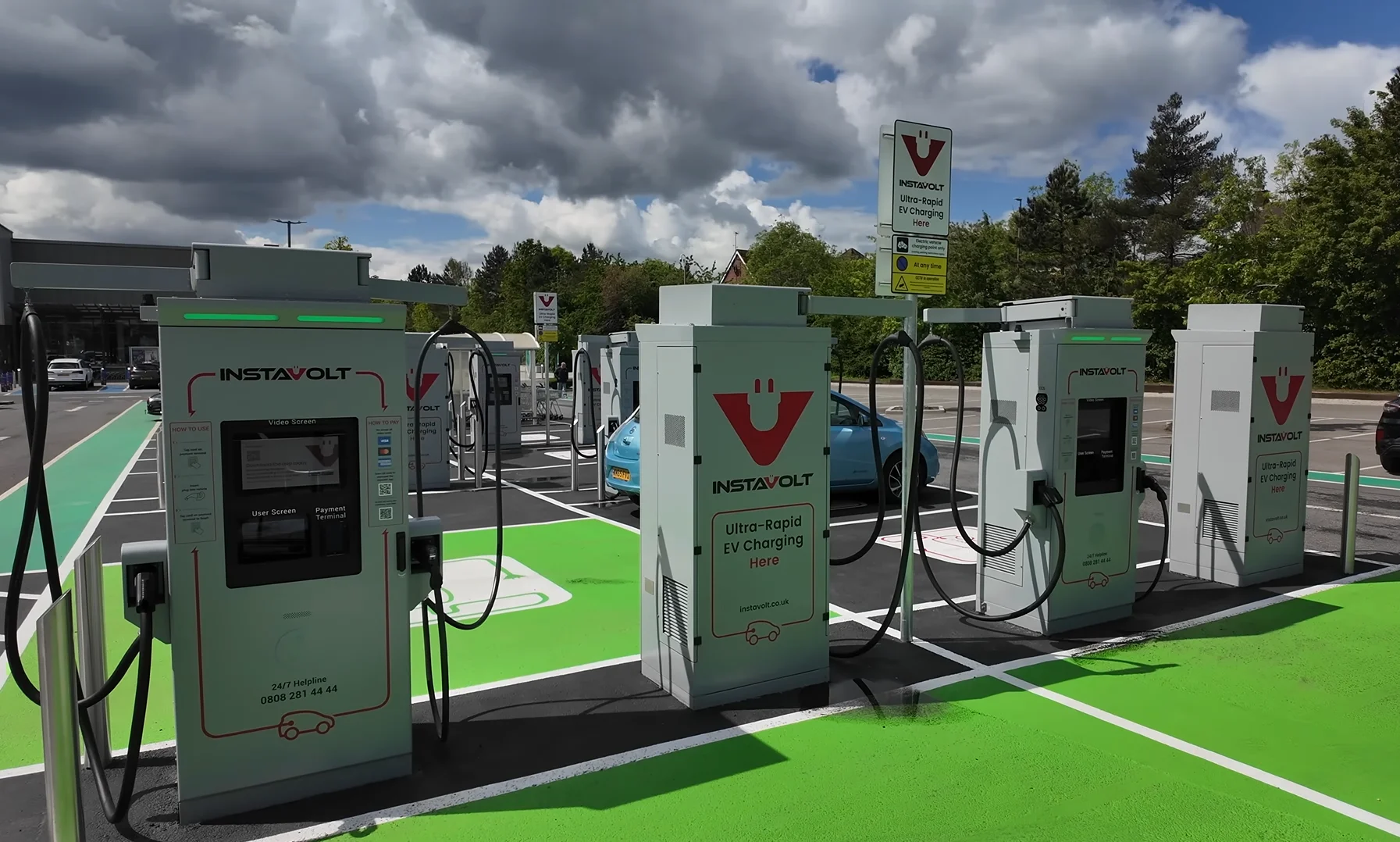
Alex cited Zap-Map figures showing that, in April 2026, the average pay-as-you-go price in the UK was around 70 cents per kWh for slow public charging and $1.03 per kWh for rapid and ultra-rapid charging.
That makes public fast charging useful for road trips but expensive as an everyday solution.
Instead, he recommends finding a cheap overnight electricity tariff and scheduling your car to charge during those hours.
He highlighted EDF’s GoElectric tariff in the UK, which offered seven hours of overnight electricity at 6.99 pence per kWh at the time of filming – roughly 9 cents per kWh.
There’s also a clever way to make those cheap hours work even harder.
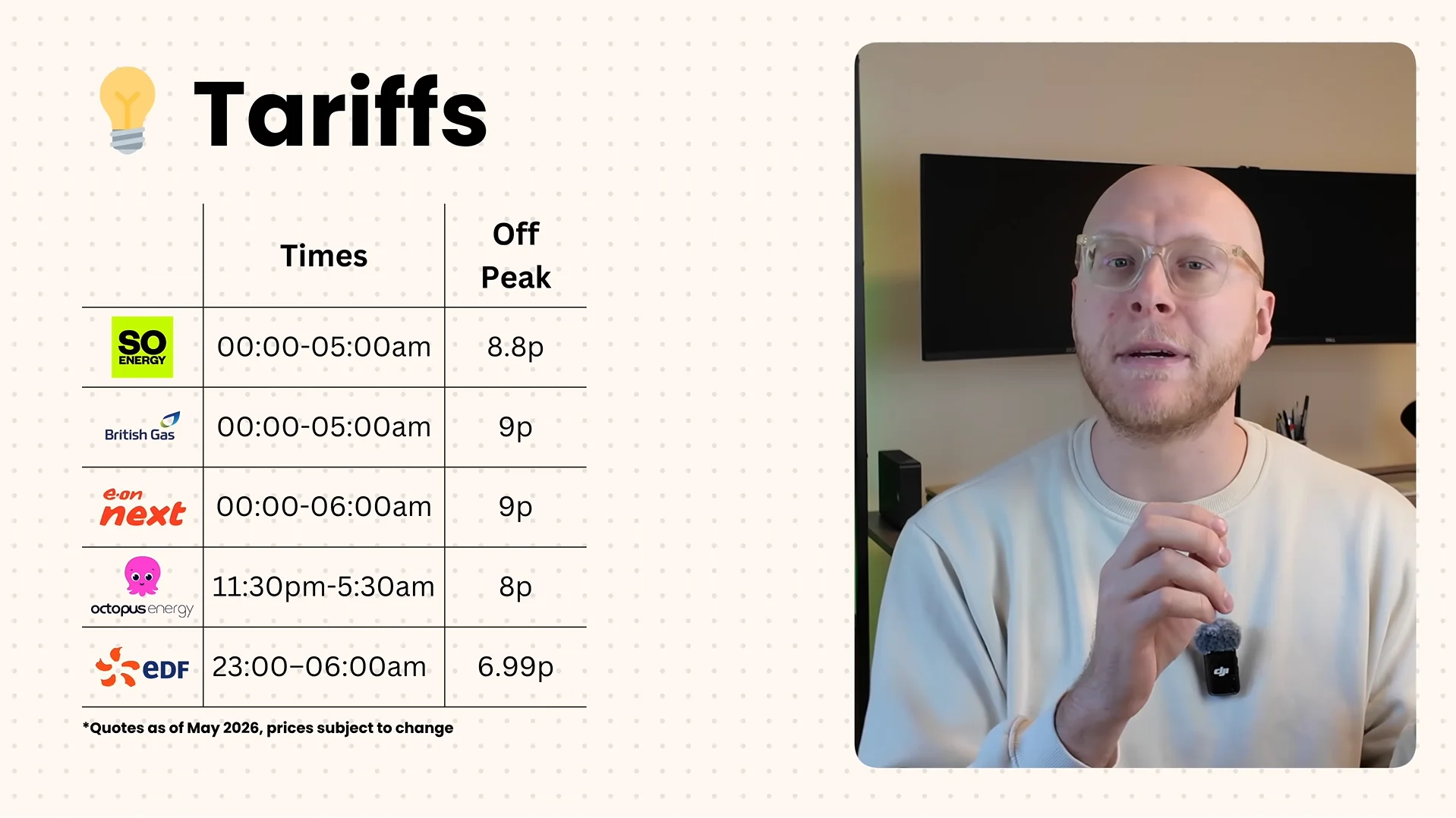
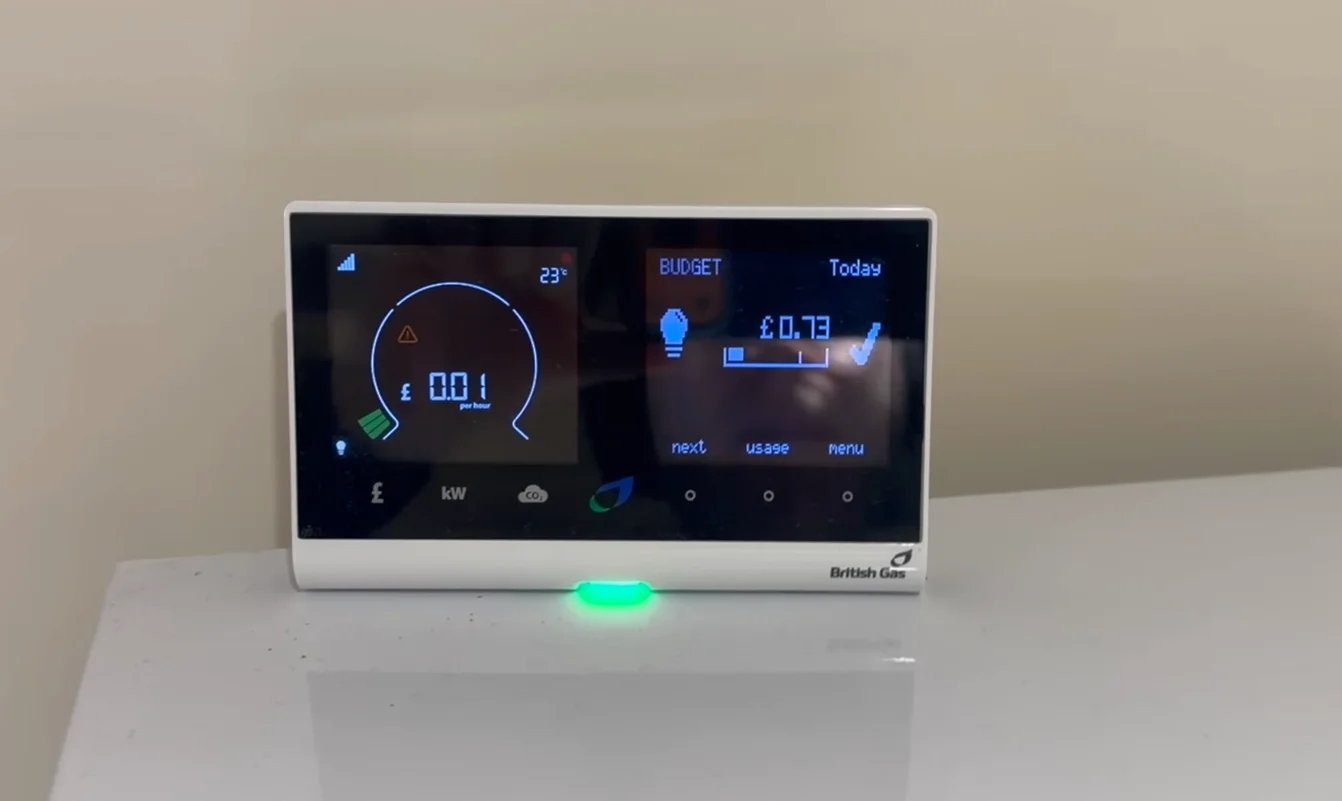
If your electricity is cheaper overnight, you can run other energy-hungry appliances during the same window, including your dishwasher, washing machine, hot water and, in some homes, heating.
That means you’re potentially saving money across your entire household rather than just on your car.
Free charging can help too
Free EV charging isn’t as common as it once was, but it hasn’t disappeared completely.
The owner recommends using Zap-Map to find free chargers, particularly at places you’re already visiting, such as supermarkets, hotels, and garden centers.
That way, you can pick up some extra range without making a separate charging trip.
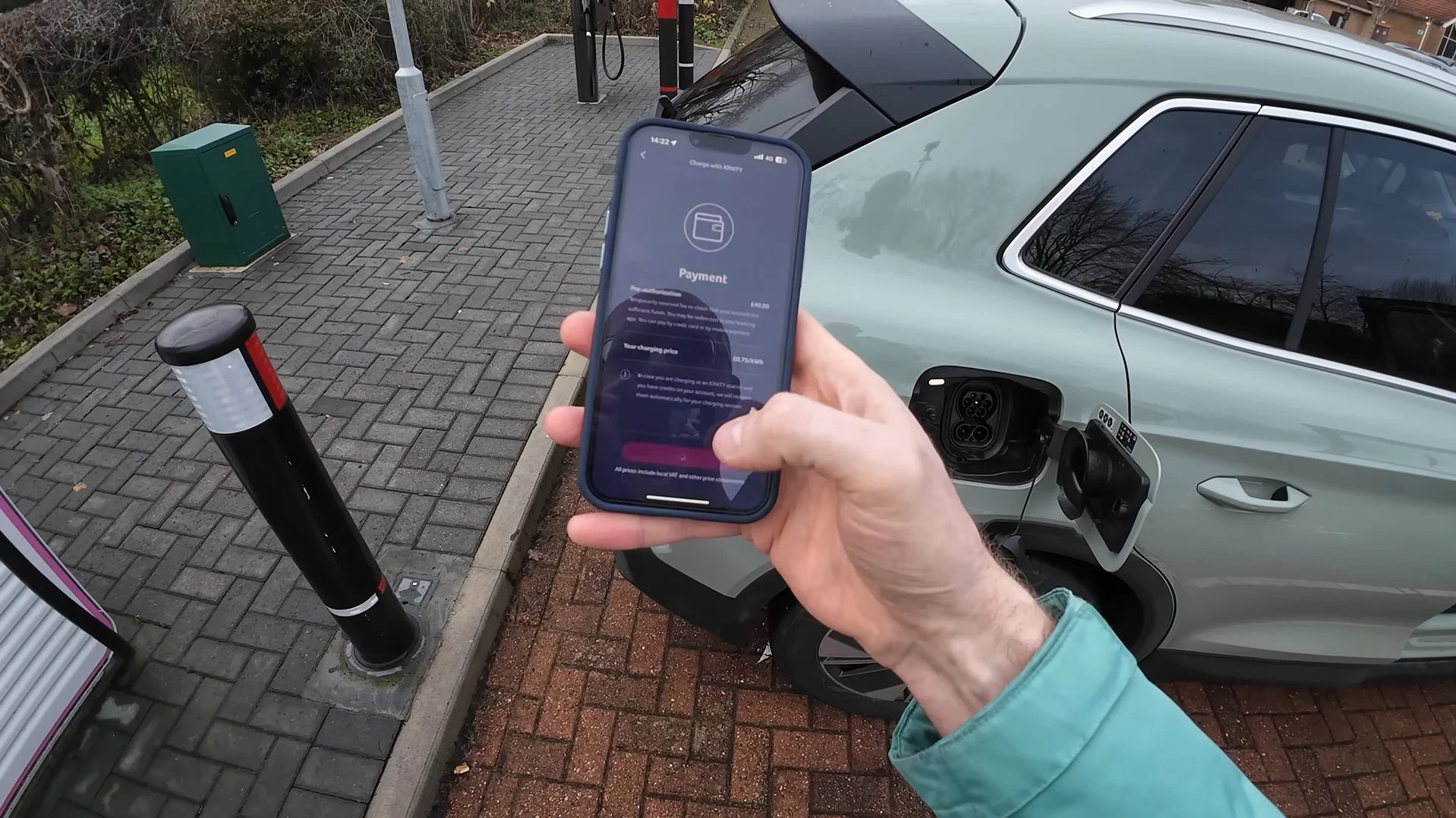
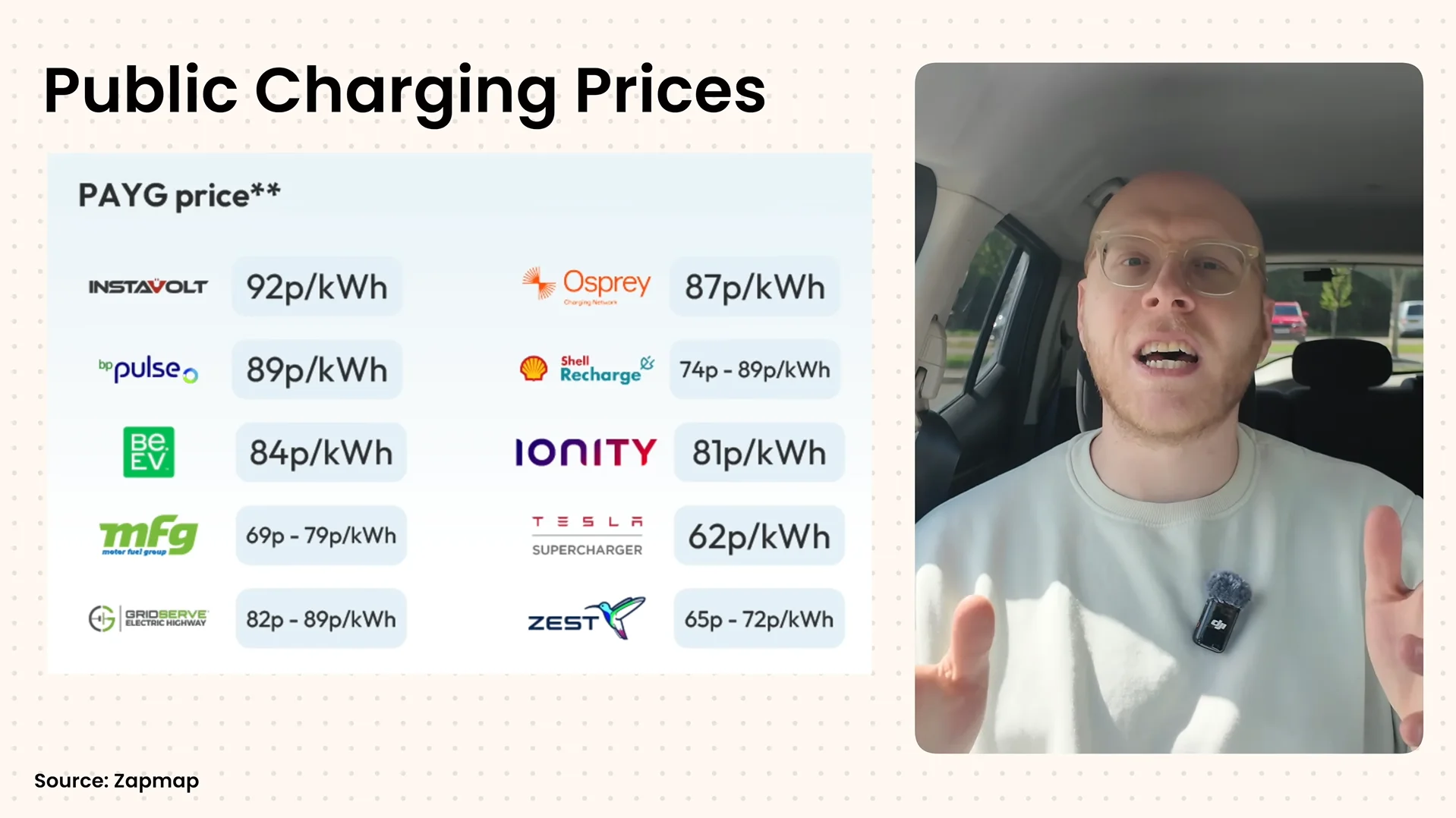
In the meantime, if you have to use a public charger, compare prices before plugging in.
The video cited April 2026 prices ranging from around 84 cents per kWh at Tesla to $1.25 at Instavolt, with other networks falling somewhere in between.

Frequent public-charging users could also consider memberships, while eligible renters, flat owners and people who park on the street may be able to get government assistance toward installing a home charger.
Ultimately, the strategy is simple: charge at home during cheap periods, use free or inexpensive destination chargers when convenient and save expensive rapid charging for when you really need it.
Daisy is a technology and automotive journalist covering artificial intelligence, consumer tech, Apple news, cryptocurrency, emerging technologies, and transportation innovation. Since joining the team in 2025, she has reported on everything from AI-powered startups and major iOS updates to viral car stories and the latest developments shaping transportation and the digital economy. Drawing on her background in automotive journalism and a degree in History and Journalism from Goldsmiths, University of London, Daisy specializes in breaking down complex topics into clear, engaging reporting for a global audience. Her work spans cutting-edge technology, innovative vehicles, and the people driving change across both industries. Daisy has gained first-hand access to some of the world's most talked-about technologies and innovators, including meeting Tesla's Optimus humanoid robot during its first European appearance in London. She has also discussed the future of space exploration with an astronaut, bringing unique insights and real-world perspectives to her coverage of emerging technology.