Bugatti CEO Mate Rimac reveals what the future of supercars is going to be like as EVs become more and more prominent
Published on Aug 27, 2026 at 8:09 PM (UTC-4)
by Alessandro Renesis
Last updated on Aug 27, 2026 at 8:09 PM (UTC-4)
Edited by
Mason Jones
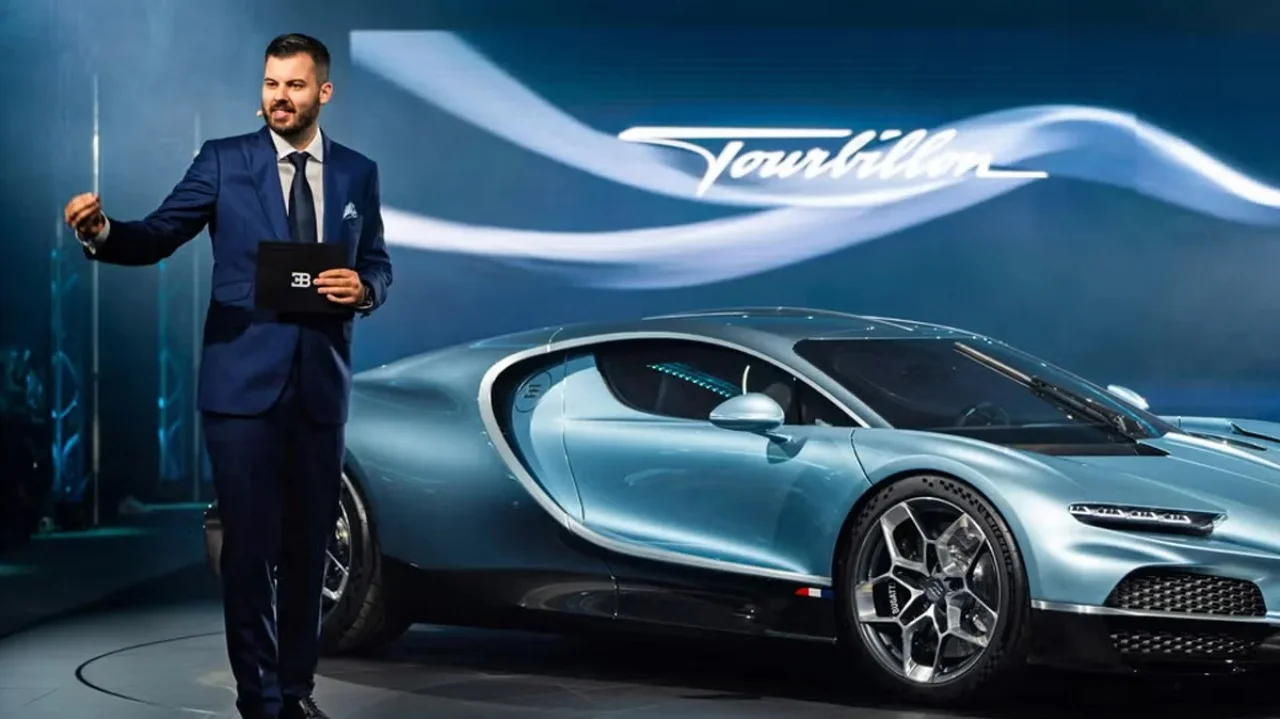

Mate Rimac, CEO of both Bugatti and Rimac, opened up about the future of supercars, and it’s probably brighter than we thought.
Rimac is a unique case study.
He’s much younger than most of his peers, and he’s at the helm of two companies that couldn’t be more different.
And this probably makes his take even more interesting.
Why Mate Rimac isn’t just another CEO
At some point in the recent past, automakers decided the person at the helm, the CEO, had to be a car guy, not a marketing guy.
If you look at CEOs 30 or 40 years ago, most of them could’ve done the same job at Nestlé or Rolex.
Today, they couldn’t, because they’re engineers first, CEOs second.
They know cars, then corporate.
Not the other way around.
And by the way, this trend is spilling over into other industries.
Apple, for example, will replace its outgoing CEO – Tim Cook, a corporate guy – with John Ternus, who’s an engineer.
Mate Rimac is in that category, but he’s an ‘anomaly’ for three reasons.
First, he seems to genuinely love cars and has a car collection that goes far beyond the brand he owns; second, he’s much younger than most of his peers; and third, he’s running both Bugatti and Rimac.
To be clear, though, they’re technically the same company.
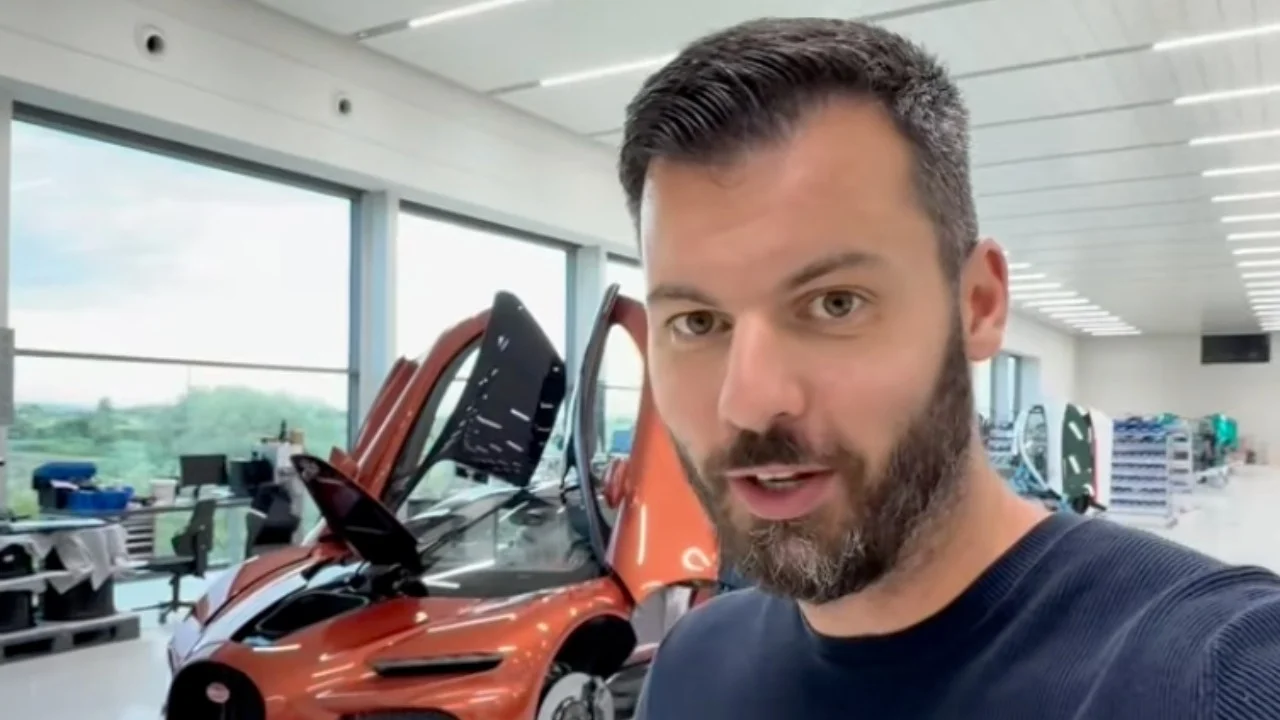
The irony is that Rimac, a software-driven, all-electric brand, eventually merged with Bugatti, which is almost the exact opposite.
It gets better when you realize that these two companies were founded exactly 100 years apart – in 2009 and 1909 respectively.
That’s why Mate’s take on the car world is interesting.
Yes, internal combustion supercars are here to stay
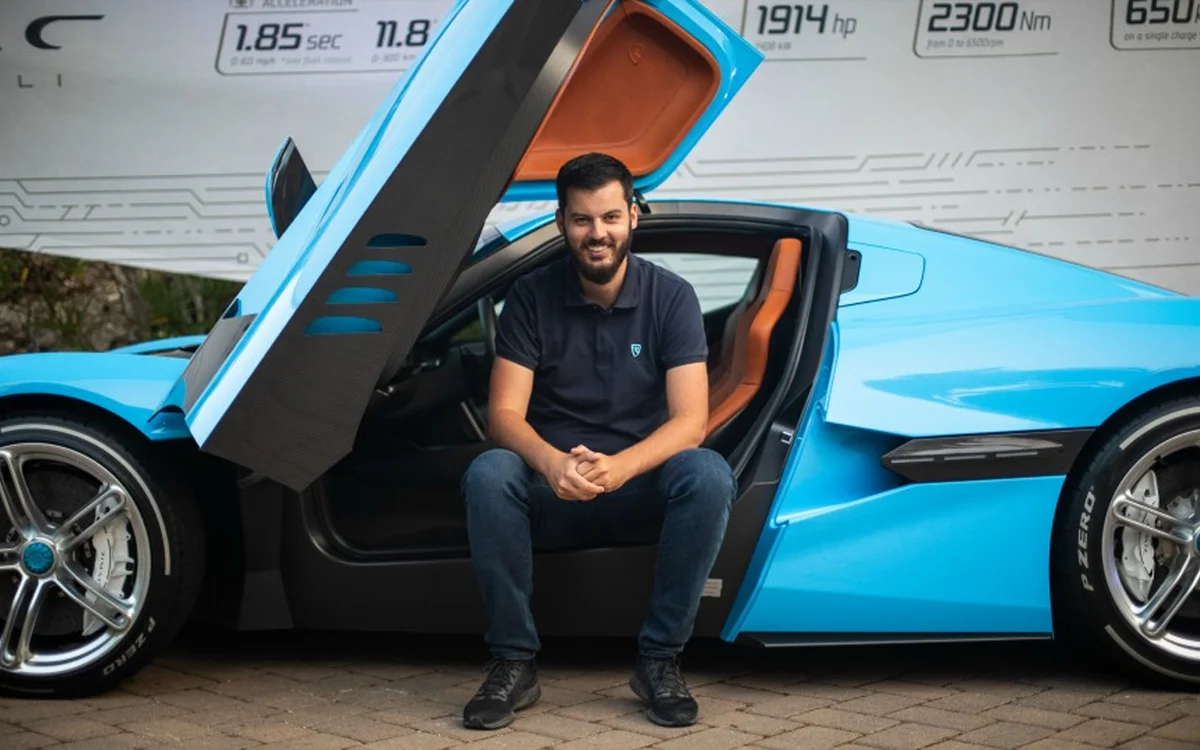
Despite running a company that makes EVs, Mate believes that high-end luxury cars and especially supercars will continue to use internal combustion engines.
The reason is simple: that’s what customers want.
He’s not alone.
Porsche, Ferrari, Lamborghini, Bentley, BMW, and a few other brands said – on more than one occasion – that their customers are not that interested in EVs.
They want EVs, but they also want ‘regular’ gas cars.
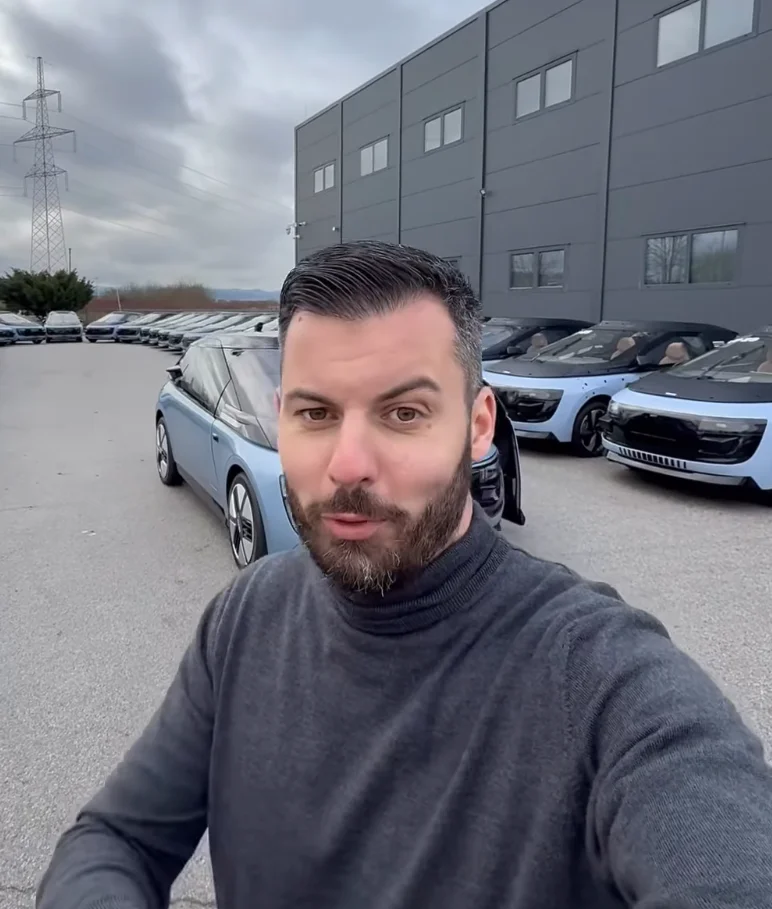
Speaking to CNBC, Mate said that supercars will be like Swiss watches.
“For normal cars, normal people, the vast majority will be electric,” Mate said.
“The upper segment, like sports cars and upwards, are going to stay combustion for a very long time, exactly like watches. Only like 5 percent of watches are made in Switzerland, but that’s where 90 percent of profits are made. An Apple Watch or any kind of smart watch can do so many more things. But no one will pay $200,000 for it,” he added.
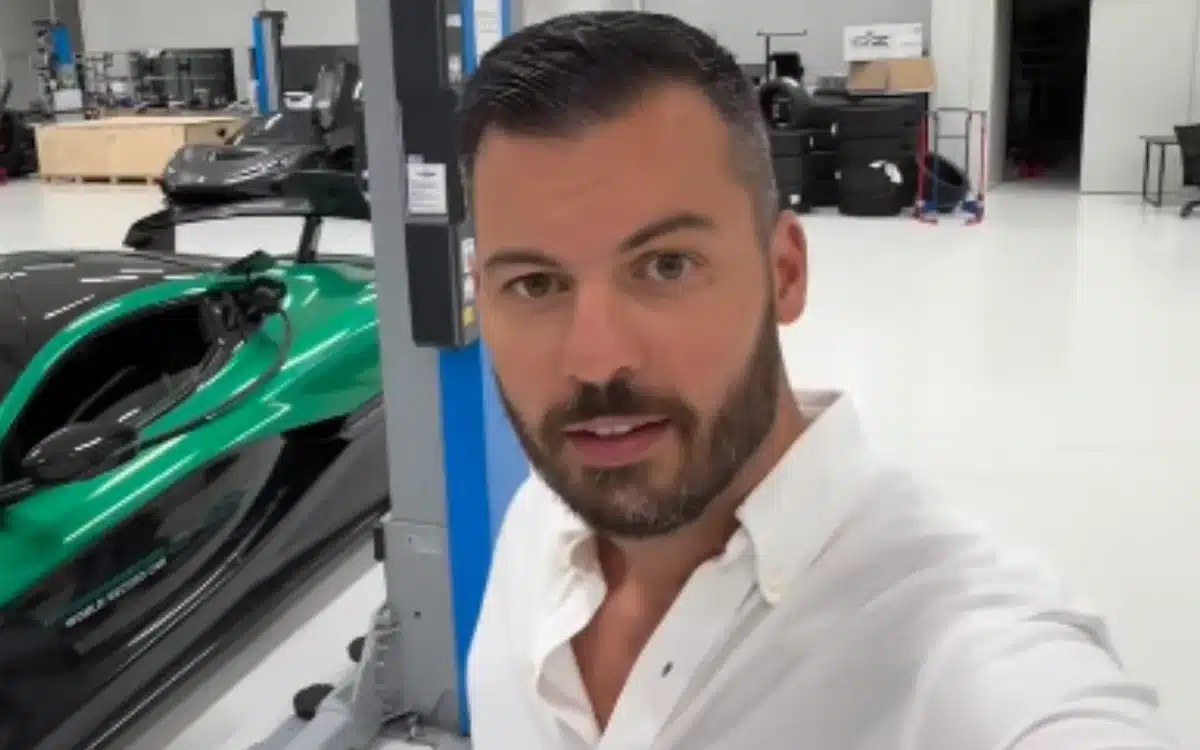
Mate also admitted that he feels in a strange position.
“It’s kind of ironic that I’m now making the world’s biggest combustion engine,” he said.
“You have the crazy situation now at our facility in Croatia. On the same production line, you have the world’s most powerful electric car being built right next to the world’s biggest combustion engine. Life is strange sometimes.”
Alessandro is an automotive journalist with 10 years of experience covering supercars, automotive history, emerging vehicle technology, and luxury transportation. He wrote the first article published on SupercarBlondie.com when the website launched in 2022 and has since built a reputation for insightful reporting across the automotive and transportation industries. His expertise is grounded in hands-on experience. Alessandro has driven every Tesla model ever produced, from the original Roadster to the Cybertruck, and regularly covers the latest developments in electric vehicles and automotive innovation. His passion for transportation extends beyond cars, he has even flown a Boeing 787 Dreamliner simulator in Addis Ababa, Ethiopia. His reporting spans everything from classic American muscle cars and rare automotive discoveries to luxury yachts, private aircraft, high-end watches, and cutting-edge vehicle technology. Known for his deep knowledge of automotive history and ability to uncover the stories behind iconic vehicles, Alessandro brings readers a blend of historical context, technical expertise, and first-hand experience.