First electric commercial aircraft makes its first ever piloted flight in China in major aviation milestone
Published on Nov 16, 2026 at 11:58 AM (UTC-5)
by Alessandro Renesis
Last updated on Nov 16, 2026 at 11:58 AM (UTC-5)
Edited by
Mason Jones


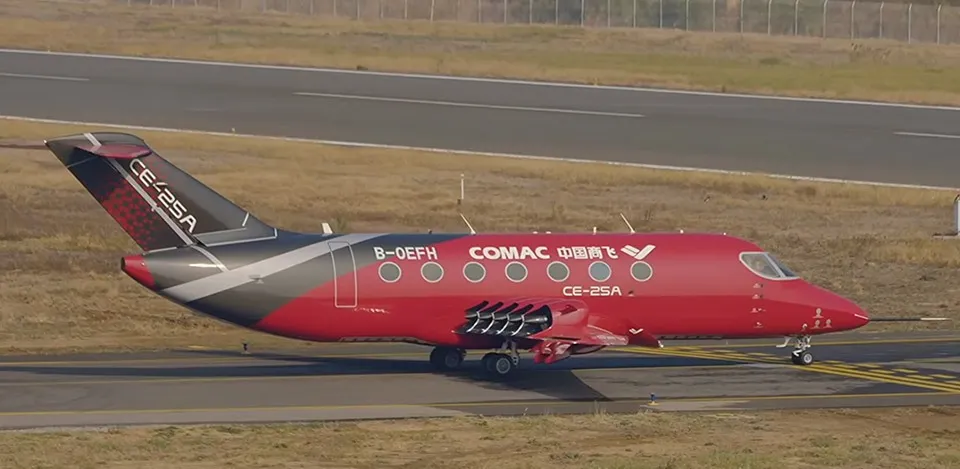
A Chinese state-owned aerospace company, COMAC, teamed up with CATL, one of the largest battery manufacturers in the world, to create an electric commercial aircraft.
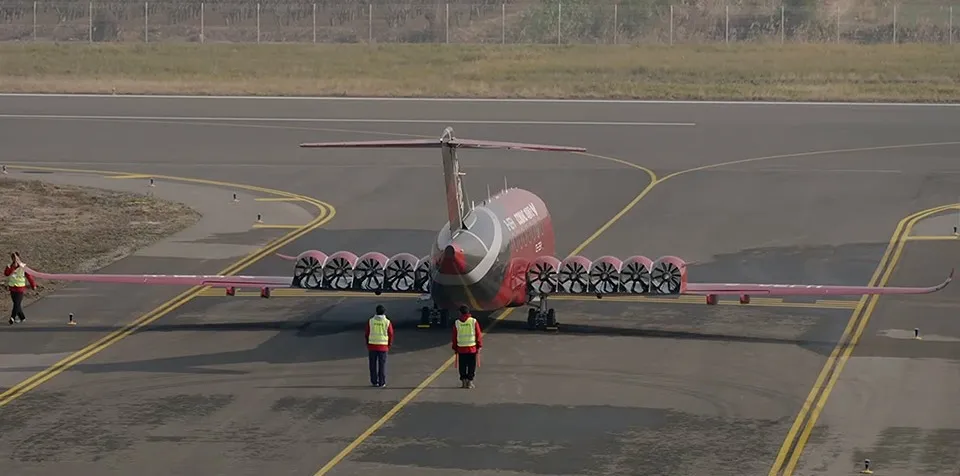
Roughly the size of a mid-size private jet (10 meters), the plane successfully took off and landed without any issues at all.
The plane is capable of carrying up to 19 passengers, and it has a range of around 250 miles (400km).
While the test is certainly a huge milestone, there are still a couple of issues to address.
How China built one of the world’s first electric airliners
The aircraft manufactured by COMAC and CATL known as CE-25A can realistically be called an airliner. Almost.
At the very least, you can call it something that could be used as private jet.
Electric commercial aircraft already exist, but they’re generally small lightweight aircraft, whereas this is an attempt at developing an aircraft to advance sustainable aviation for short-haul commercial travel.
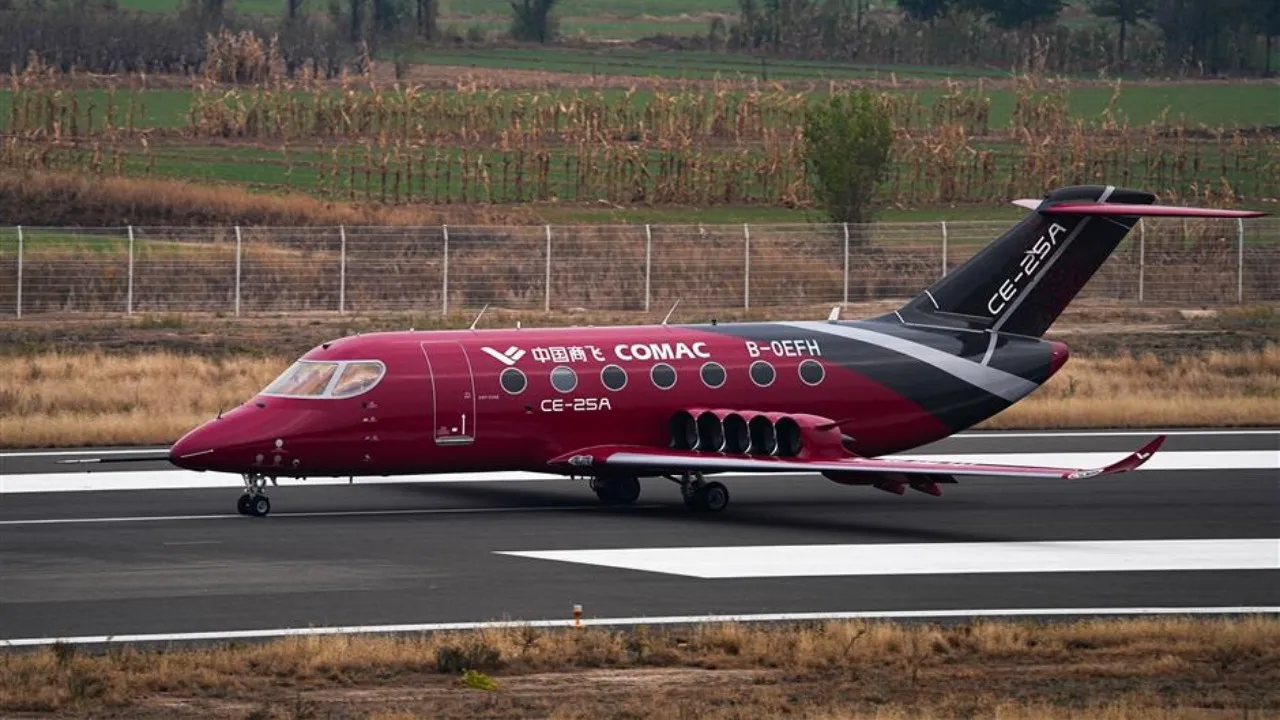
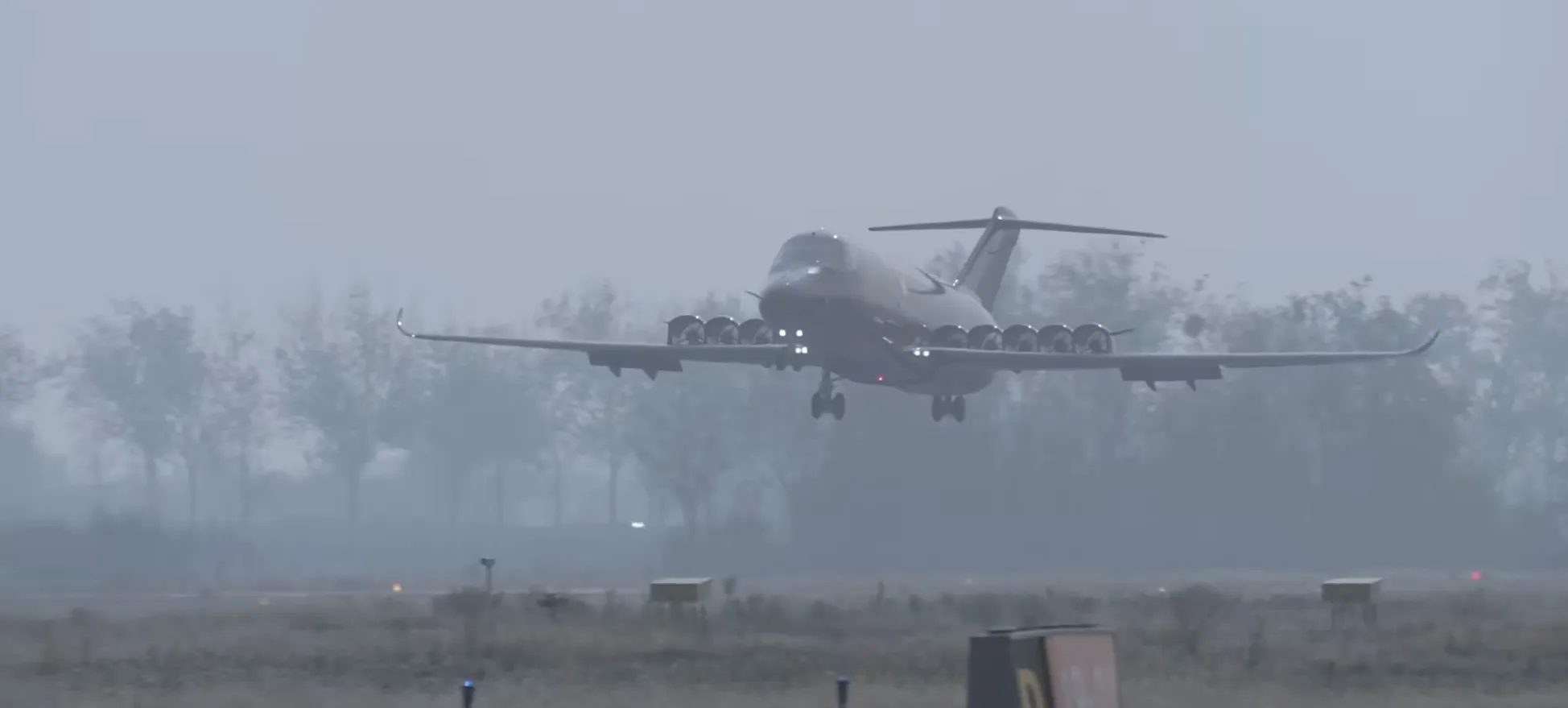
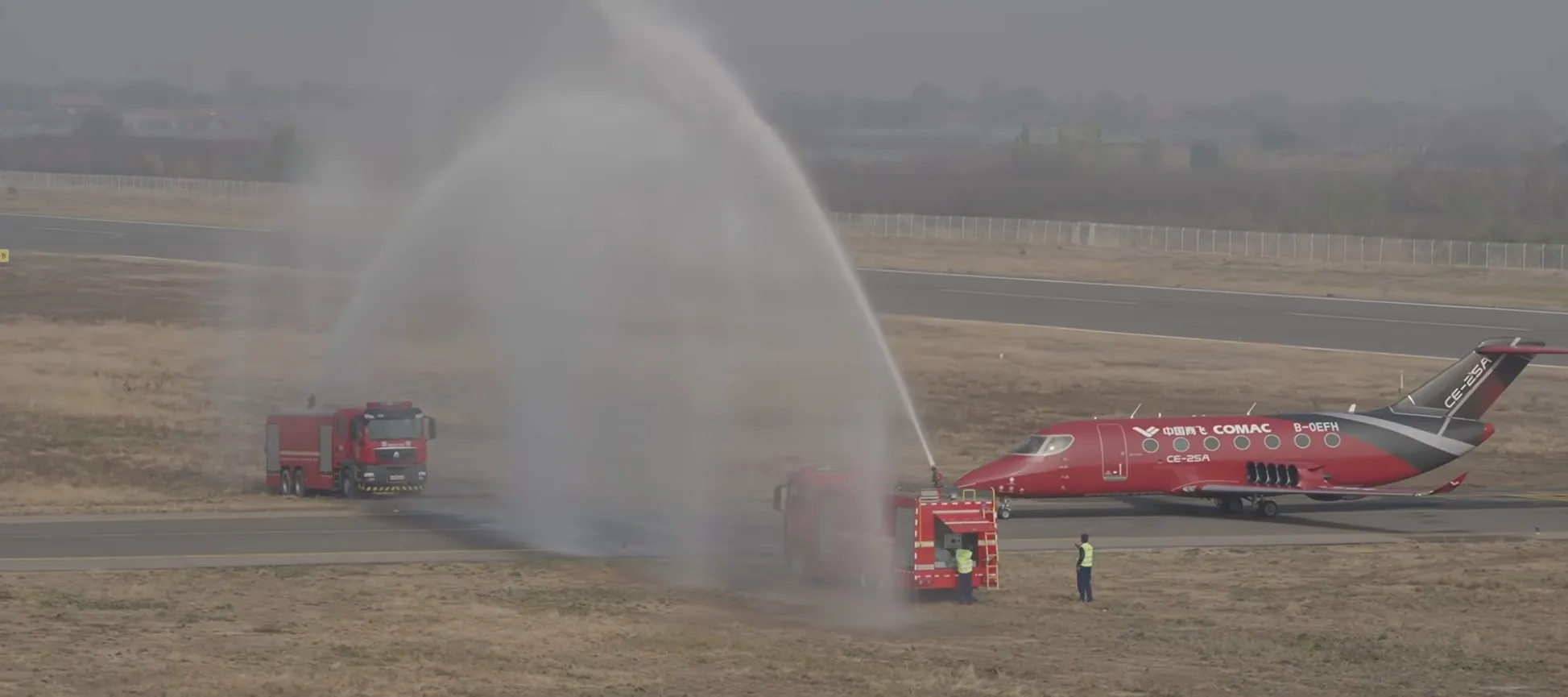
After undergoing pre-flight checks, the plane successfully took off from an airfield in Binzhou, in the Shandong province, and it then landed without any trouble.
The biggest problem with electric commercial aircraft
Ever since the demo went viral, our social media feeds went crazy with comments about the new electric aircraft.
The excitement is understandable, but one thing that’s noticeable is that a lot of people seem to somehow apply automotive dynamics to aviation, which is tricky.
In aviation, safety is priority number one, two, three, four, and five.
So when reading the words ‘electric’ and ‘cars’ in the same sentence, we can think of performance, usability, charging points, range, and so on.
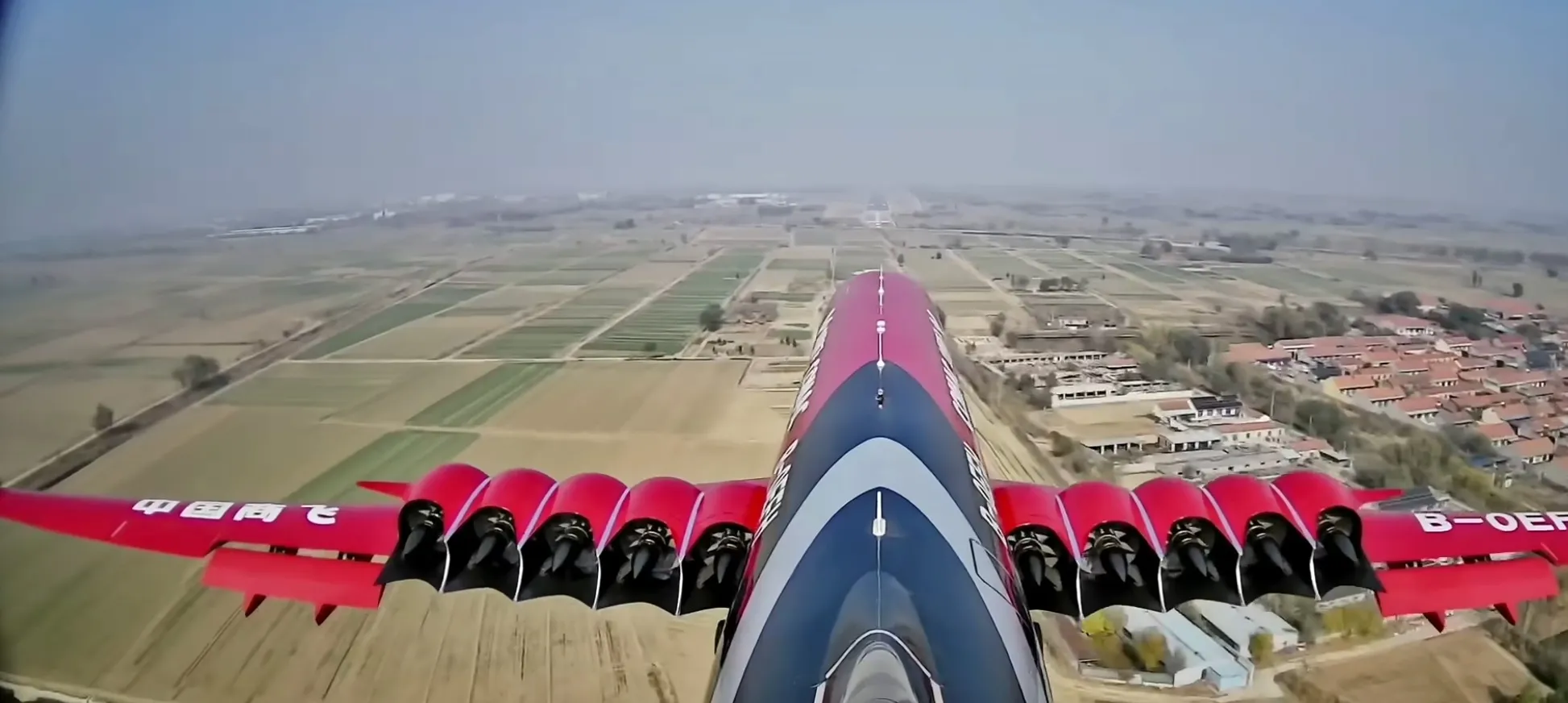
But when you put the words ‘electric’ and ‘aircraft’, everything begins and ends with weight.
With current technology, batteries are simply too heavy and significantly worse in terms of ‘energy-per-weight’ ratio compared to jet fuel.
This leads us to the main ‘problem’ with this aircraft.
Why talking about 400 kilometers is slightly misleading
The demo shared a few key pieces of information about the electric aircraft
The aircraft is rated for 400km (250 miles) in terms of range – that’s roughly the straight-line distance between Oakland and Bakersfield.
In a car, that means you can start in Oakland and hopefully get to Bakersfield.
If you don’t, big deal, you’ll just recharge.
With a plane, that means you can realistically be maybe 60 minutes in the air, because a chunk of that virtual 400-kilometer distance has to be allocated for safety redundancies.
Standard commercial aviation rules require carrying enough energy to fly to the destination, divert to an alternate airport, and still hold for 30 to 45 minutes.
A plane has to carry its own weight, its fuel, and its passengers – all while maintaining a wide margin for error.

Electric aircraft already exist, but they’re designed to cover a very short distance.
With current battery technology, it’s impossible to imagine an electric aircraft replacing a Boeing 737 or an Airbus A320 in the near future.
But then again tech can surprise us.
Maybe, a year or two from now, we’ll have a breakthrough discovery, maybe from CATL themselves, that somehow fixes that problem overnight.
So stay tuned for that.
Head to Supercar Blondie Tech for the latest technology news
The best of Supercar Blondie, every Sunday
The week's best car stories, straight to your inbox. Free.
Alessandro is an automotive journalist with 10 years of experience covering supercars, automotive history, emerging vehicle technology, and luxury transportation. He wrote the first article published on SupercarBlondie.com when the website launched in 2022 and has since built a reputation for insightful reporting across the automotive and transportation industries. His expertise is grounded in hands-on experience. Alessandro has driven every Tesla model ever produced, from the original Roadster to the Cybertruck, and regularly covers the latest developments in electric vehicles and automotive innovation. His passion for transportation extends beyond cars, he has even flown a Boeing 787 Dreamliner simulator in Addis Ababa, Ethiopia. His reporting spans everything from classic American muscle cars and rare automotive discoveries to luxury yachts, private aircraft, high-end watches, and cutting-edge vehicle technology. Known for his deep knowledge of automotive history and ability to uncover the stories behind iconic vehicles, Alessandro brings readers a blend of historical context, technical expertise, and first-hand experience.