Aviation expert shares the stunning cost of fuel and de-icing for airlines that's '10x' more than people would expect
Published on May 16, 2026 at 1:58 PM (UTC-4)
by Alessandro Renesis
Last updated on May 16, 2026 at 1:58 PM (UTC-4)
Edited by
Amelia Jean Hershman-Jones

The aviation industry is buzzing, with more people flying across the globe and boarding flights than ever before.
As a result, people are now asking questions about aviation and flying, mostly because it seems there’s so much behind the scenes we don’t see.
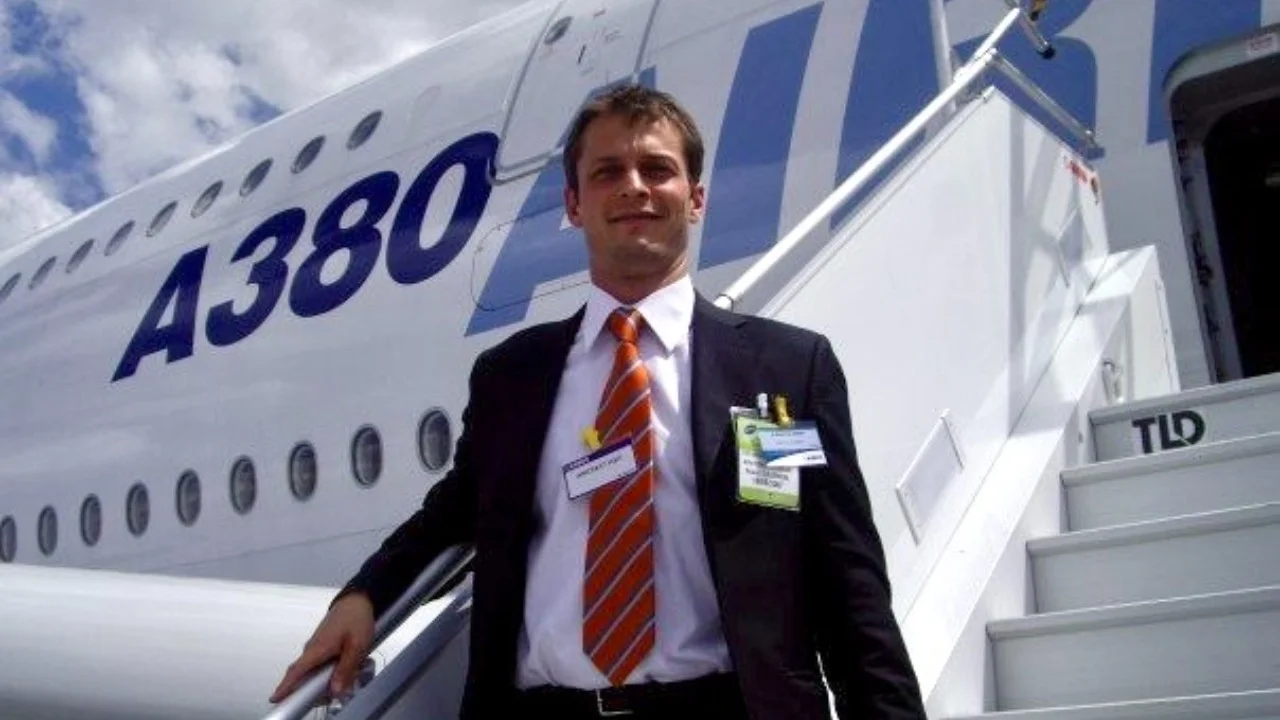
We had a chat with Robert Cullemore, an independent aviation consultant and expert with 19 years of experience in the industry, to ask him our burning questions on the jet age.
And some of the answers were juicier than a Bloody Mary at 30,000 feet (IYKYK).
What’s something in aviation that costs far more than the public would ever expect?
Two things sprang to mind immediately.
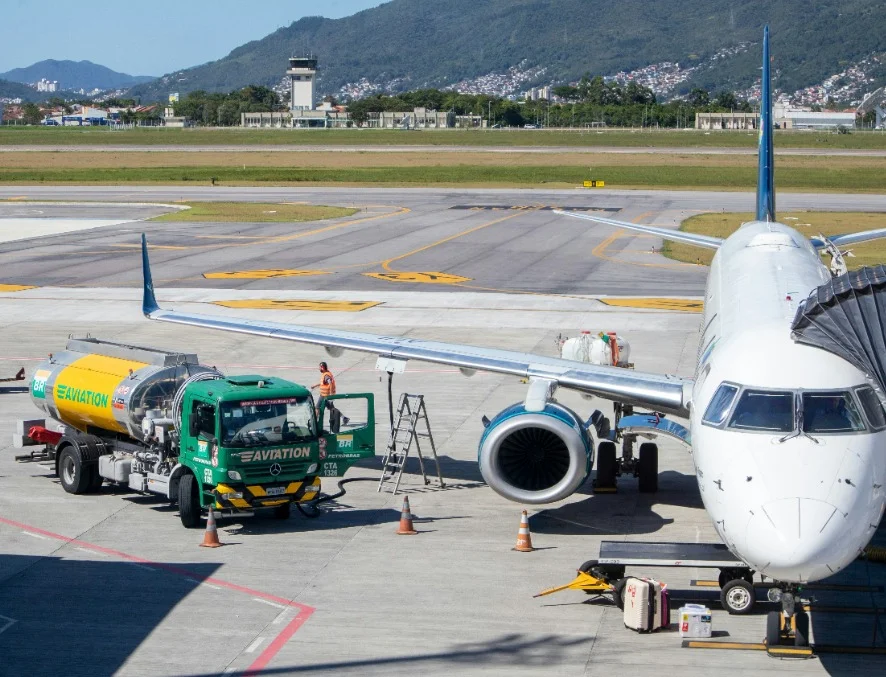
“First, the annual fuel bill is much higher than you think. Take the number you believe it to be and multiply it by 10,” he explained.
For a major airline, fuel is generally the largest single operating cost, often accounting for 20 or even 30 percent of total expenses.
Translated into a number with a dollar sign on it?
In 2024, the global airline industry’s fuel bill was estimated at around $280 billion.
“The second thing is de-icing of the wings. You’d think it’s just a bit of warm water sprayed on the wings and therefore cheap, but it isn’t,” he said.
The main reason why de-icing costs so much is that it requires a chemical product that’s expensive to manufacture, transport, and store.
For a wide-body aircraft like the Boeing 777 in heavy snow, the cost can easily soar to $10,000 or $20,000 for a single treatment.
What’s the most surprising factor that influences where airlines choose to fly?
“Presence of a maintenance base at a particular airport,” he said.
But why is that?
“Planes require constant upkeep, and often they undertake this work at airports outside of their main bases of operation.
“Every aircraft must be completely disassembled, inspected, and reassembled every few years or after a set number of flight hours – whichever comes first.
“But crucially, they also need routine checks after every landing. So if you’re an airline, your priority is knowing whether you have the infrastructure to do that at a specific airport,” Cullemore explained.
In fact, some routes exist solely as a by-product of maintenance needs.
“There are cases where airlines launched new routes precisely for this reason. They realized they were frequently flying on empty [‘ferry flights’ is the industry jargon – empty planes traveling to/from a maintenance base] and decided they might as well sell seats on those legs,” he said.
“That’s a universal truth in the aviation industry: if you launch a route from A to B, no matter how obscure the destination, someone will buy seats on that flight,” he added.
What’s the wildest aviation bill you’ve ever seen?
“The £49 billion ($67 billion) envisaged cost estimate to construct a third runway at London’s Heathrow Airport, which at this point is over three times the 2018 estimated cost of £14 billion ($19 billion),” he said.
“To put that in context, that’s about the equivalent of the GDP for 2025 of Tunisia.”
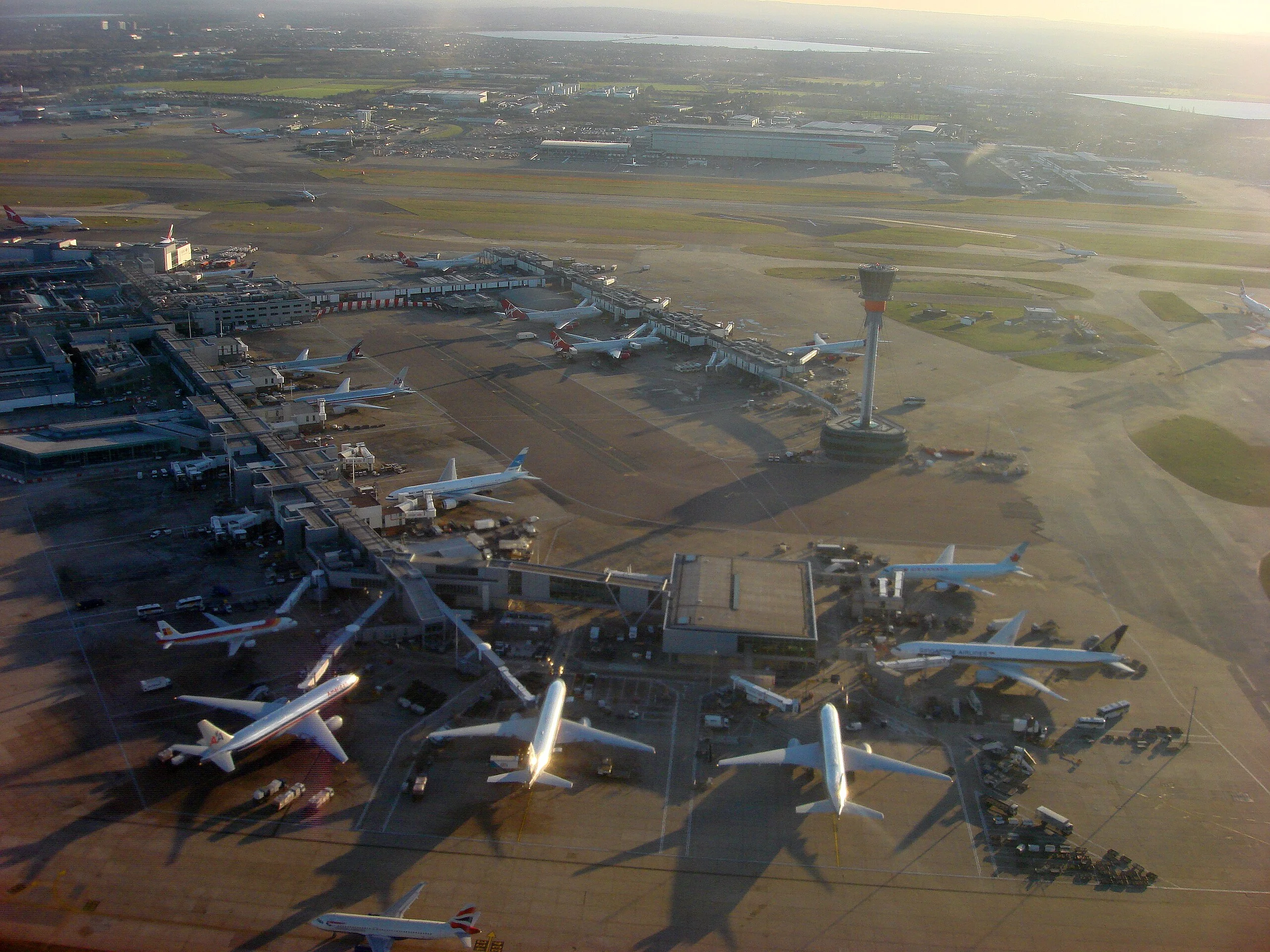
At this rate, that number will likely continue to go up, mostly because it’s unclear when this new runway is actually going to be completed.
“It’s been on the agenda forever. There are probably people in the aviation industry who graduated, got promoted, then retired and maybe spent most of their career on this project,” he said, with a sprinkle of irony.
Are there any myths you’d like to debunk?
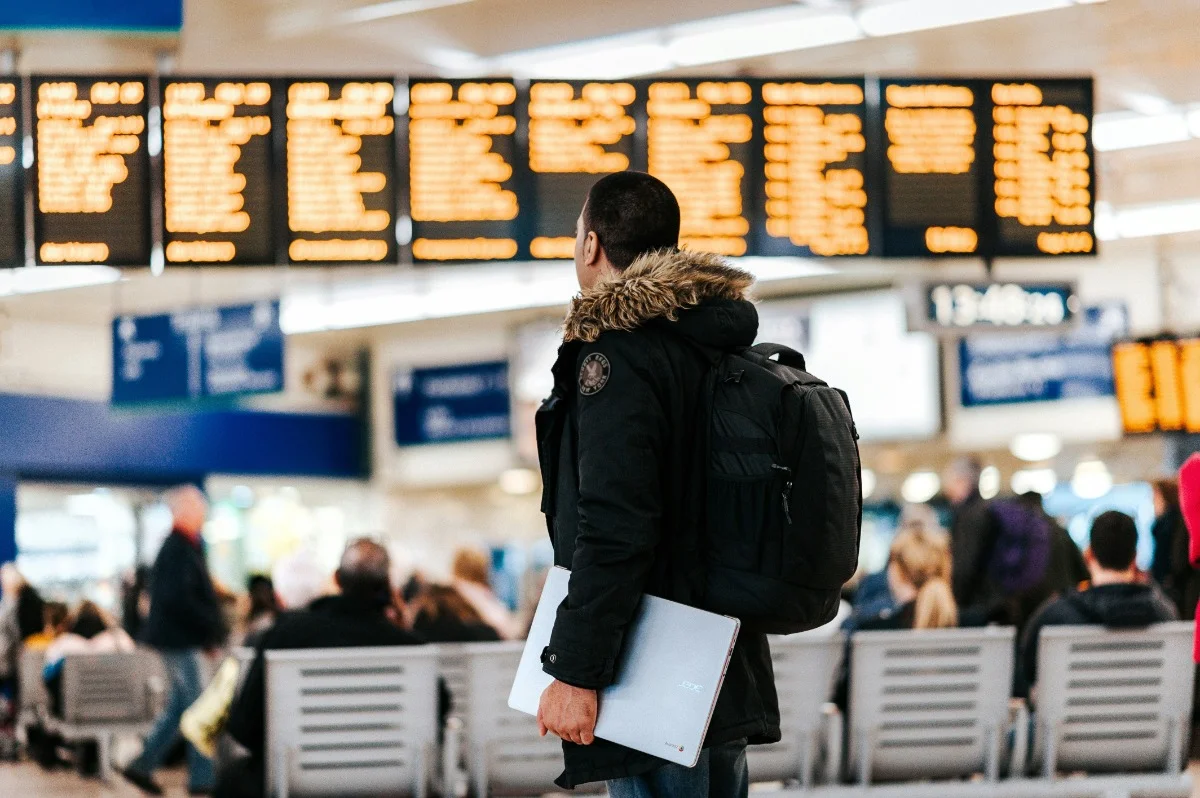
One word that causes a heap of irritation: delays.
“Most people don’t realize that air traffic control is actually split. Tower Control handles the runway, taxiing, and generally everything while the plane is landing and taking off.
“Center Control then takes over once the plane is at altitude and flying,” he explained.
“That leads to the main reason why there are so many delays. So many flights are held up simply because the airspace is congested with too many planes flying using the same ‘highways’ in the sky,” he said.
What does the airline of 2035 look like? Are we talking electric, hybrid, or ultra-long-range?
When it comes to electric aircraft, there are a few issues that need to be resolved before they can take off in a big way.
Electric aircraft aren’t advanced enough for long-range operations, and even if they were, they’d need all kinds of certifications that would be hard to get, even if these aircraft were technically solid enough to obtain them.
And they aren’t yet.
For that reason, Cullemore believes that all-electric airline operations will remain niche in the aviation industry.
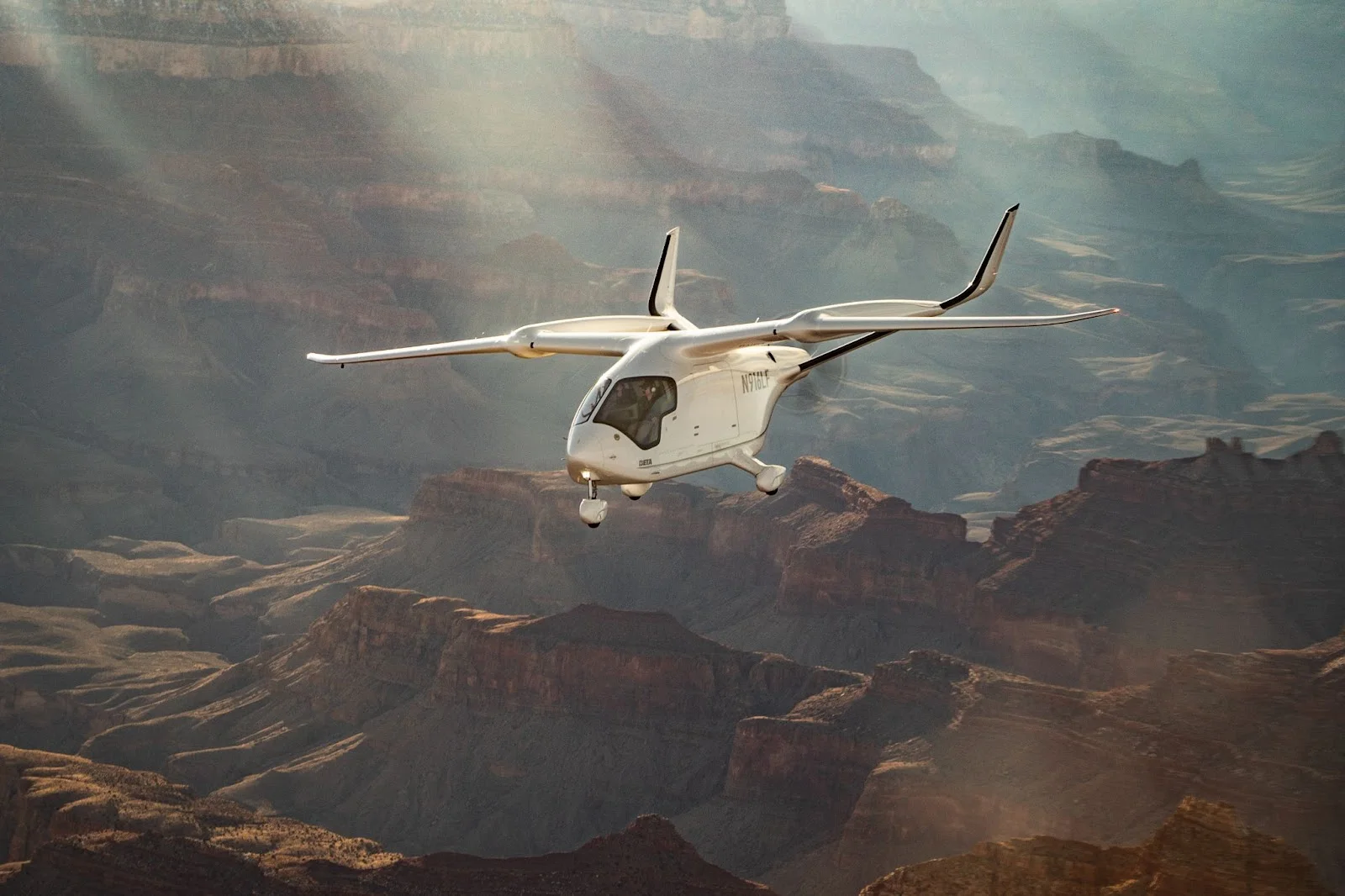
“We may have niche all-electric airline operations, but mainly on very small aircraft and flying on relatively short routes over land, not water,” he began.
“We’ll also likely see the first eVTOL (electric vertical take-off and landing aircraft) operations, probably in the Middle East,” he said.
Tests are already being conducted in that part of the world, but Cullemore also pointed out that fuel efficiency was another barrier.
“For the vast majority of the aviation industry, we will see increases in fuel efficiency as well as an increase
in use of sustainable aviation fuel (SAF) across narrow-body and wide-body operations,” he explained.
This will also have a ripple effect on long-haul flights.
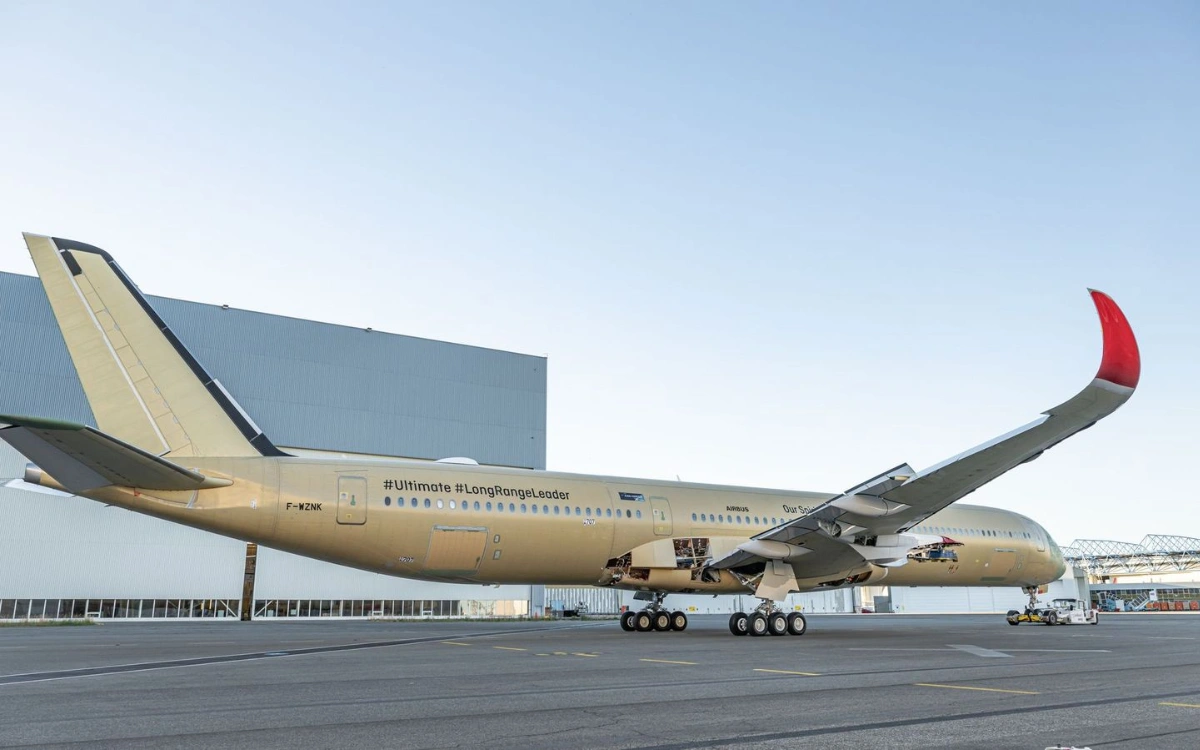
“You’ll see a lot of headline-grabbing direct routes thanks to these long-range aircraft, like the Airbus A350-1000ULR that’s going to be used by Qantas for ‘Project Sunrise’, connecting London and Sydney with a non-stop flight,” he prefaced.
But he also added that, at least for now, that’s good for marketing for the aviation industry.
“Just how many direct routes are economically viable with flight durations of over 17 hours remains
to be seen,” he commented.
Alessandro is an automotive journalist with 10 years of experience covering supercars, automotive history, emerging vehicle technology, and luxury transportation. He wrote the first article published on SupercarBlondie.com when the website launched in 2022 and has since built a reputation for insightful reporting across the automotive and transportation industries. His expertise is grounded in hands-on experience. Alessandro has driven every Tesla model ever produced, from the original Roadster to the Cybertruck, and regularly covers the latest developments in electric vehicles and automotive innovation. His passion for transportation extends beyond cars, he has even flown a Boeing 787 Dreamliner simulator in Addis Ababa, Ethiopia. His reporting spans everything from classic American muscle cars and rare automotive discoveries to luxury yachts, private aircraft, high-end watches, and cutting-edge vehicle technology. Known for his deep knowledge of automotive history and ability to uncover the stories behind iconic vehicles, Alessandro brings readers a blend of historical context, technical expertise, and first-hand experience.