There's still 350,000 Volkswagen and Audi cars sitting abandoned in the Mojave Desert and this is what their future looks like
Published on Jun 02, 2026 at 4:31 PM (UTC-4)
by Ben Thompson
Last updated on Jun 12, 2026 at 11:04 AM (UTC-4)
Edited by
Mason Jones
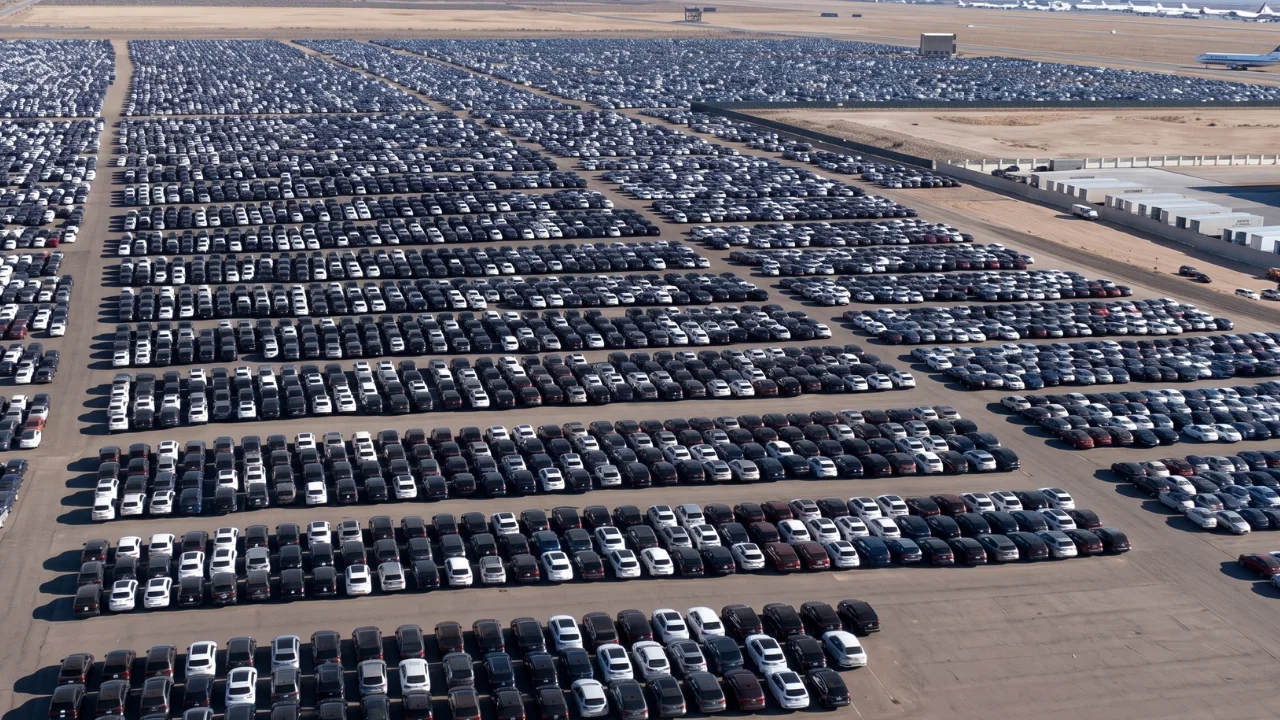

Out in the Mojave Desert, there are 350,000 Volkswagen and Audi cars sitting abandoned in what has been branded a ‘Dieselgate graveyard’.
In this parking lot, these vehicles have been accumulating dust for around a decade at this point.
Understandably, this arrangement raises a lot of questions about how they ended up there.
But it also raises another question – what does the future look like for these cars?
Why are they sitting out in the Mojave desert?
They were placed there back in 2015 during the ‘Dieselgate’ emissions scandal.
The Volkswagen Group – owning both Audi and Volkswagen – had been serviced with a notice of violation by the Environmental Protection Agency in the US.
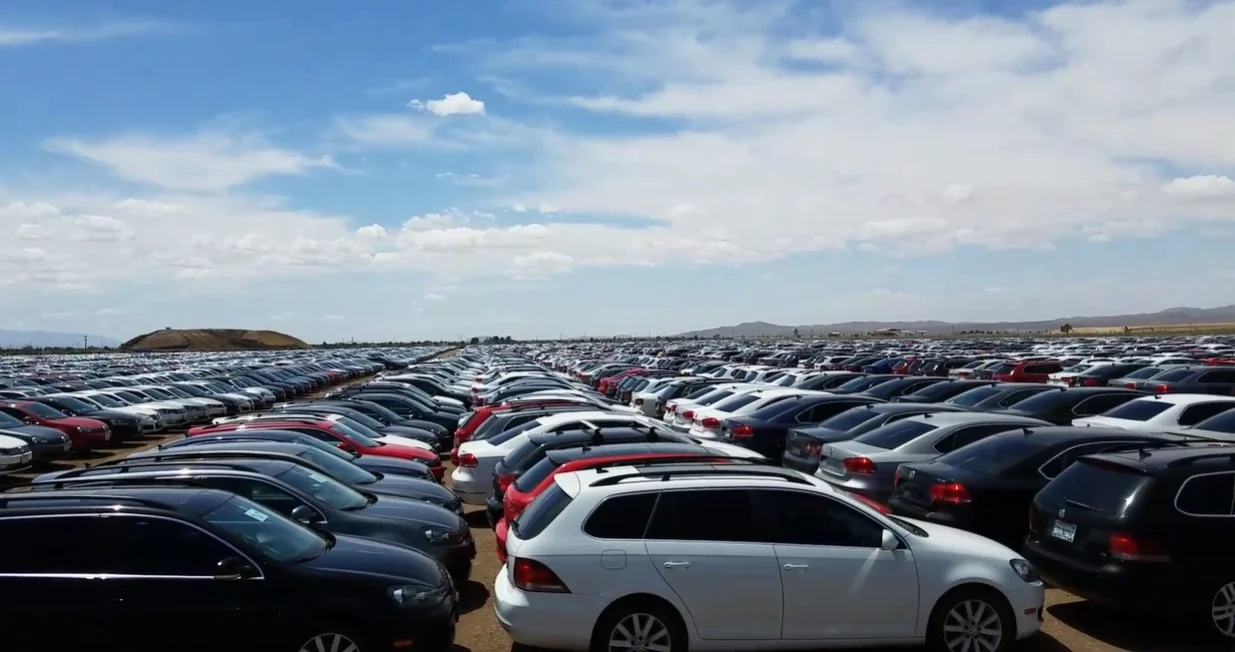
The Agency found that the vehicles were emitting 40 times more NOx (Nitric oxide and nitrogen dioxide) than was permitted.
This prompted the Volkswagen Group to undertake a massive buyback program, paying around $7.4 billion to buy vehicles back from American owners.
Across the US, approximately 37 storage facilities were acquired to hold the re-purchased vehicles.
But among them all, the spot out in the Mojave Desert is the most prominent.
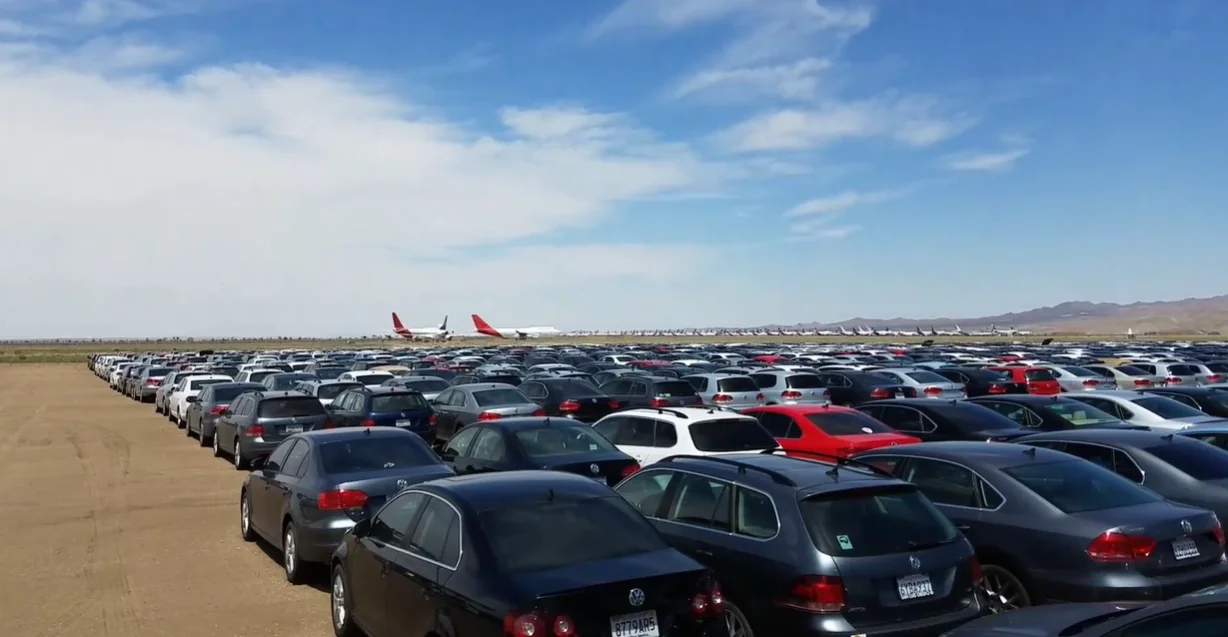
The dry climate prevents rust and corrosion, ensuring that the vehicles are operational in the long-term.
When images of this lot were shared online, many commentators declared that the cars had been ‘left to rot’.
But that’s not the case.
Related

What lies in store for these cars?
Volkswagen regularly maintained the cars on-site.
The goal was to store there temporarily, until regulators gave the go-ahead for software and hardware fixes.
Already, thousands of vehicles have been successfully repaired and resold.
But thousands of others have been dismantled and recycled, where repairs were judged not to be economically viable.
The car graveyard has slowly been emptying out over the years, but its legacy will live on, reflecting a tricky period for the Volkswagen brand.
Ben joined Supercar Blondie in February 2025 after being published by international organizations including LADbible, The Sun, the New York Post, and the Daily Mail. He covers supercars, rare and collectible vehicles, aviation, luxury assets, and the fascinating people behind them. His reporting has explored everything from seven-figure supercars and historic Ferrari collections to unusual aircraft adventures and extraordinary automotive discoveries from around the world. Ben has also gained first-hand insight into vehicle craftsmanship and customization, including visiting specialist workshops to see bespoke vehicles up close.