This side-by-side comparison of Concorde and a Douglas DC-8 taking off on the same runway puts Concorde's extraordinary power into perspective
Published on Apr 06, 2026 at 6:12 PM (UTC+4)
by Callum Tokody
Last updated on Apr 02, 2026 at 2:12 PM (UTC+4)
Edited by
Emma Matthews

A side-by-side Concorde vs DC-8 comparison captured on a single runway reveals the sheer ferocity of the supersonic jet’s power and the raw physical impact of supersonic speed.
The footage shows both aircraft starting from a dead stop to measure exactly how long it takes for these two different eras of aviation to leave the ground.
While the Douglas DC-8 represents the reliable workhorse of the early jet age, its supersonic rival was designed for a level of performance that most commercial pilots never experience.
The clock starts the moment the brakes are released, and the resulting gap in performance raises immediate questions about the limits of mid-century engineering.
Enter our competition to win a stunning 2006 Ford GT or $400,000 cash!
The Concorde vs DC-8 speed gap
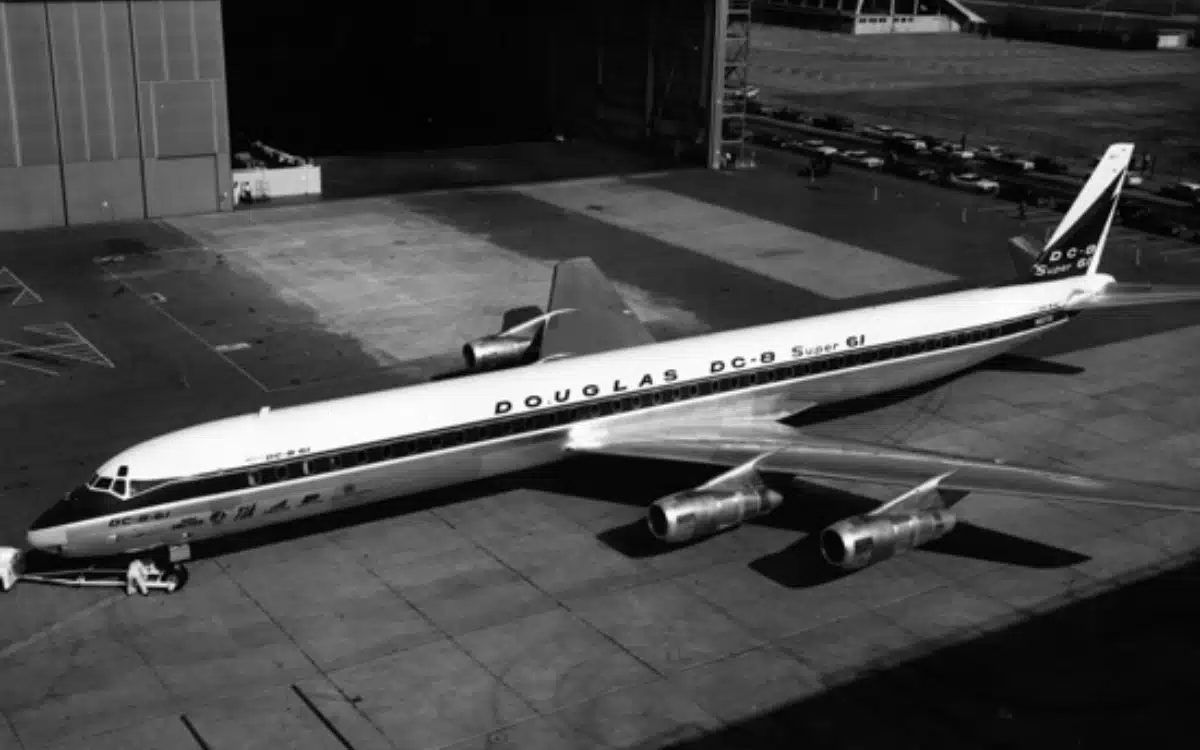
The Douglas DC-8 serves as a benchmark for the first generation of successful commercial jet travel.
It utilizes four turbofan engines to produce the steady thrust needed for transcontinental flight.
In a standard runway takeoff, the DC-8 requires approximately 44 seconds of ground roll before reaching rotation speed.
This timeframe is pretty much what you’d expect for a heavy aircraft designed for fuel efficiency and passenger capacity.
The plane uses a large portion of the available tarmac to generate the airflow necessary for lift.
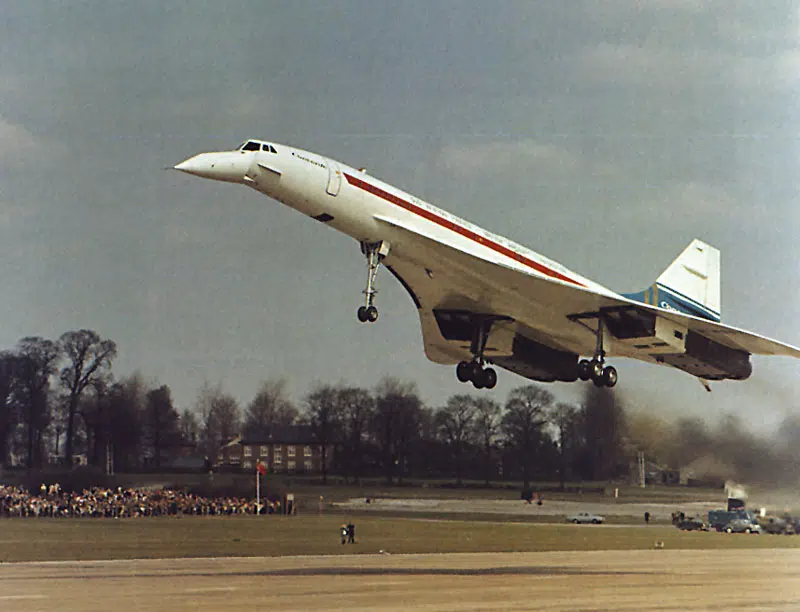
The Concorde vs DC-8 performance profile changes the moment the supersonic jet engages its engines.
Concorde uses four Olympus 593 engines that produce a level of thrust far beyond standard airliners.
This system provides the intense Concorde power required to push the delta-wing airframe to its V2 speed.
Because a delta wing is less efficient at low speeds, the aircraft must accelerate aggressively to maintain safety margins.
During the observed timing, Concorde reached its takeoff point and cleared the runway in just 26 seconds.
This result represents an 18-second advantage over the conventional Douglas jet.
The comparison of these two aircraft on the same stretch of runway highlights the different engineering goals of the era.
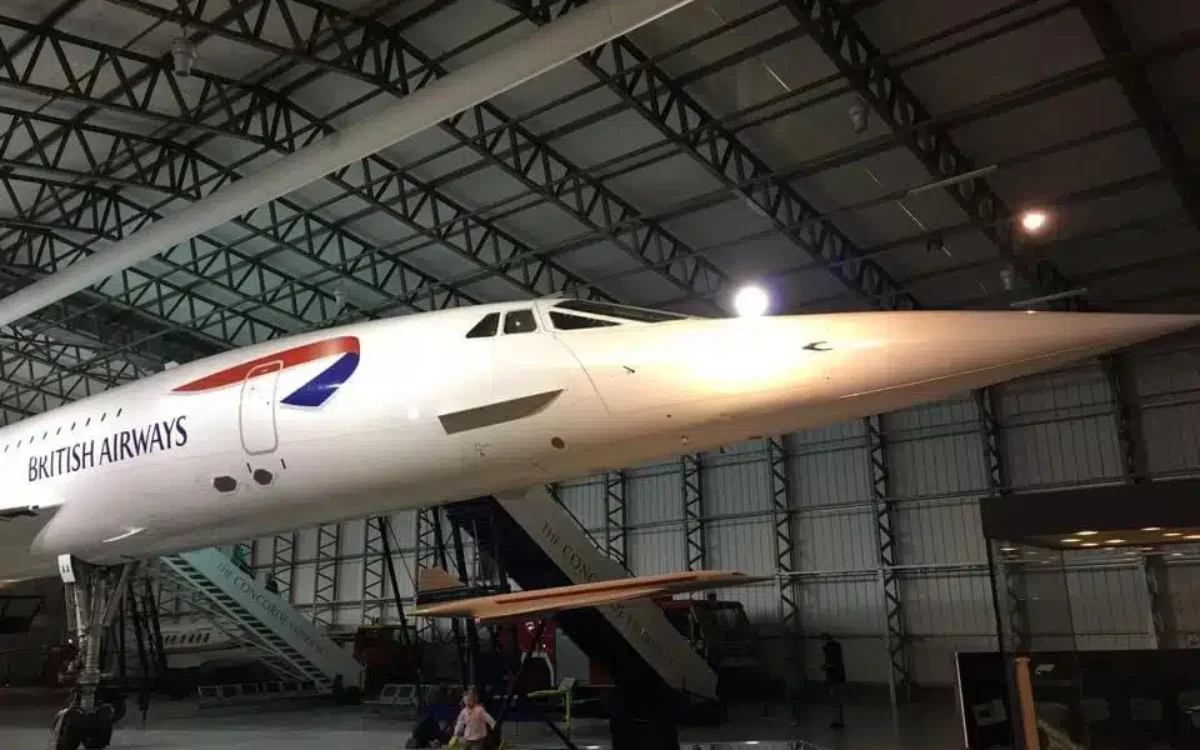
One was built to move large groups of people reliably across oceans at high subsonic speeds.
The other was an exercise in pure mechanical force. These figures remain a key reference point for understanding the scale of supersonic speed in a civilian context.
Every takeoff was a display of mechanical genius that few other civilian aircraft could ever match.
Supersonic speed for the future
The technical lessons from the Concorde vs DC-8 era are currently being revisited by modern aerospace firms.
New aircraft programs aim to bring back the benefits of rapid takeoff and supersonic speed for the next generation of travelers.
These projects focus on improving engine cycles and airframe materials to make high-speed flight more sustainable.
While the original Concorde fleet was retired due to high operating costs, the demand for shorter travel times remains high.
Modern engineers are looking at ways to integrate Concorde power levels with significantly lower noise levels and fuel consumption.
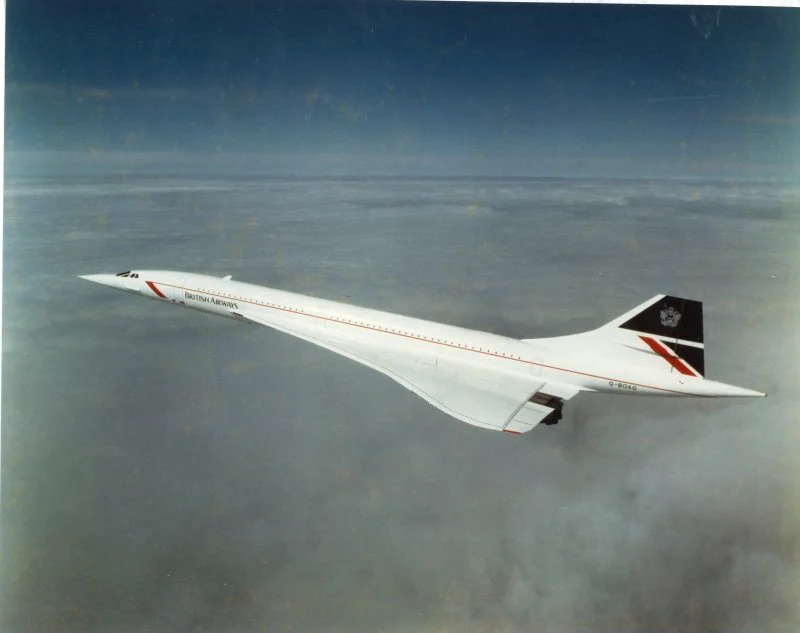
Manufacturers are currently testing prototypes that could potentially halve the duration of long-haul flights.
The goal is to create a new standard where supersonic travel is as routine as a standard commercial flight.
By studying the performance data from these historic runway comparisons, designers can better understand the thrust requirements for future supersonic airframes.
This evolution of the Concorde vs DC-8 rivalry suggests that the pursuit of speed is far from over.
DISCOVER SBX CARS: The global premium car auction platform powered by Supercar Blondie