This is what will happen to the batteries of the 100,000 EVs that are retired in the US this year
Published on Jul 06, 2025 at 9:57 PM (UTC-4)
by Alessandro Renesis
Last updated on Jul 06, 2025 at 9:57 PM (UTC-4)
Edited by
Kate Bain
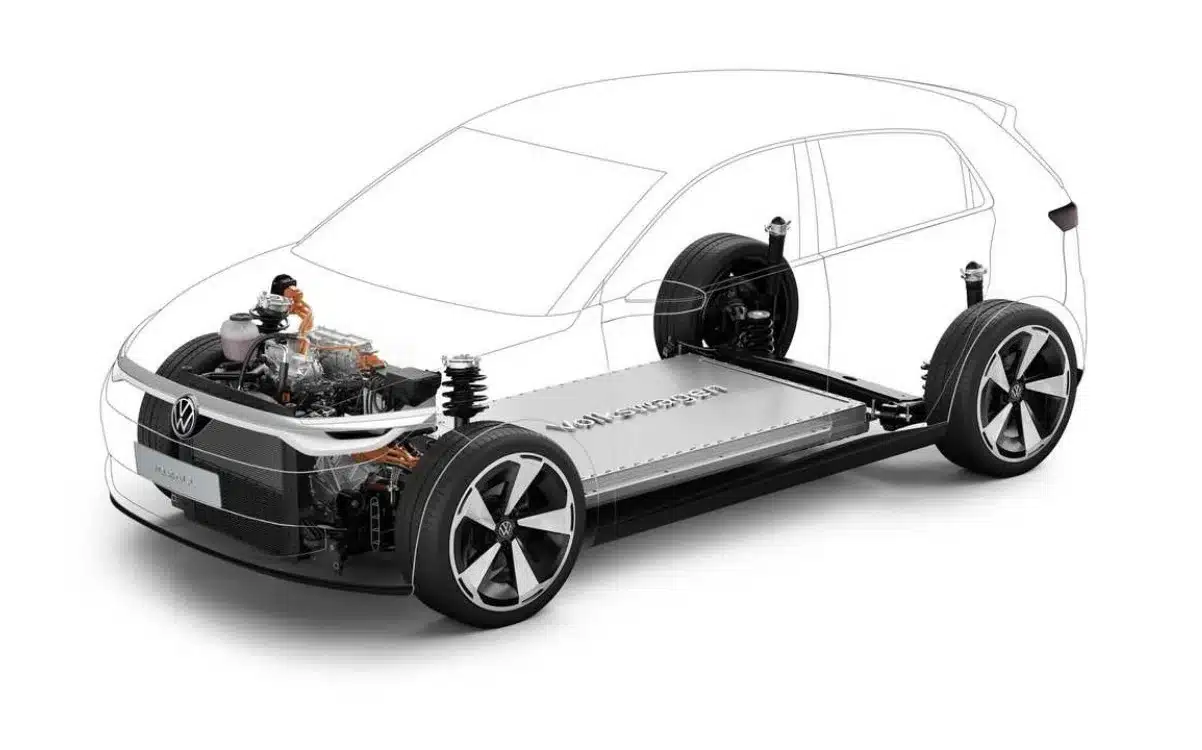

As many as 100,000 EVs, and therefore 100,000 electric car batteries will be retired this year in the US alone.
The recurring question a lot of people are asking is what happens to these batteries?
There are companies that are working on various solutions.
One in particular stands out for its unique approach.
DISCOVER SBX CARS: The global premium car auction platform powered by Supercar Blondie
What’s going to happen to these EVs?
This is a question that some people, especially EV skeptics, have been asking for a long time.
Batteries aren’t the easiest thing in the world to recycle, but that’s changing.
Redwood Materials, a company founded by a former Tesla exec, specializes in reusing and recycling electric car batteries, and their approach is interesting.
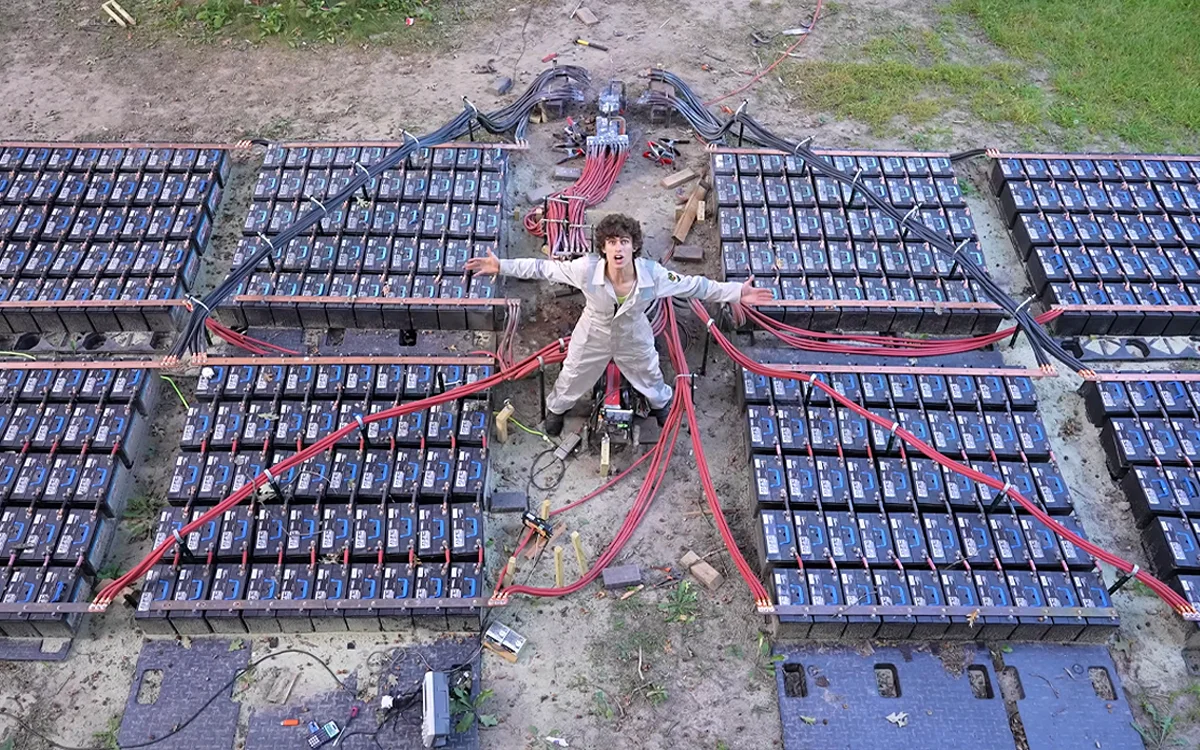
In a blog post, the company explained that it’s received the equivalent of 250,000 batteries so far, and they mostly repurpose the energy to be used in stationary energy storage and lower power applications.
Translated, these batteries are no longer good enough to power a moving vehicle, but they can be repurposed to power much smaller things that don’t move.
It’s a huge number of batteries, and a lot of energy, and that number is likely to go up now that more electric cars are sold and some companies are using swappable batteries.
Related
One of the key differences between electric cars and gas cars
Modern gas cars rely on software a lot more than we realize, but obviously not as much as electric cars.
However, there’s another key difference that’s often overlooked.
Electric cars have far fewer components.
A Tesla Model 3, for instance, has around 20 moving parts in its drivetrain.
An equivalent combustion car has between 100 and 150.
This means that recycling internal combustion components might be generally easier, but there are more components that need recycling.
Click the star icon next to supercarblondie.com in Google Search to stay ahead of the curve on the latest and greatest supercars, hypercars, and ground-breaking technology.
Alessandro is an automotive journalist with 10 years of experience covering supercars, automotive history, emerging vehicle technology, and luxury transportation. He wrote the first article published on SupercarBlondie.com when the website launched in 2022 and has since built a reputation for insightful reporting across the automotive and transportation industries. His expertise is grounded in hands-on experience. Alessandro has driven every Tesla model ever produced, from the original Roadster to the Cybertruck, and regularly covers the latest developments in electric vehicles and automotive innovation. His passion for transportation extends beyond cars, he has even flown a Boeing 787 Dreamliner simulator in Addis Ababa, Ethiopia. His reporting spans everything from classic American muscle cars and rare automotive discoveries to luxury yachts, private aircraft, high-end watches, and cutting-edge vehicle technology. Known for his deep knowledge of automotive history and ability to uncover the stories behind iconic vehicles, Alessandro brings readers a blend of historical context, technical expertise, and first-hand experience.