European finds out real reason why Cybertruck wouldn't work in Europe despite its amazing tech
Published on Dec 01, 2025 at 7:36 AM (UTC-5)
by Alessandro Renesis
Last updated on Dec 01, 2025 at 9:53 AM (UTC-5)
Edited by
Emma Matthews
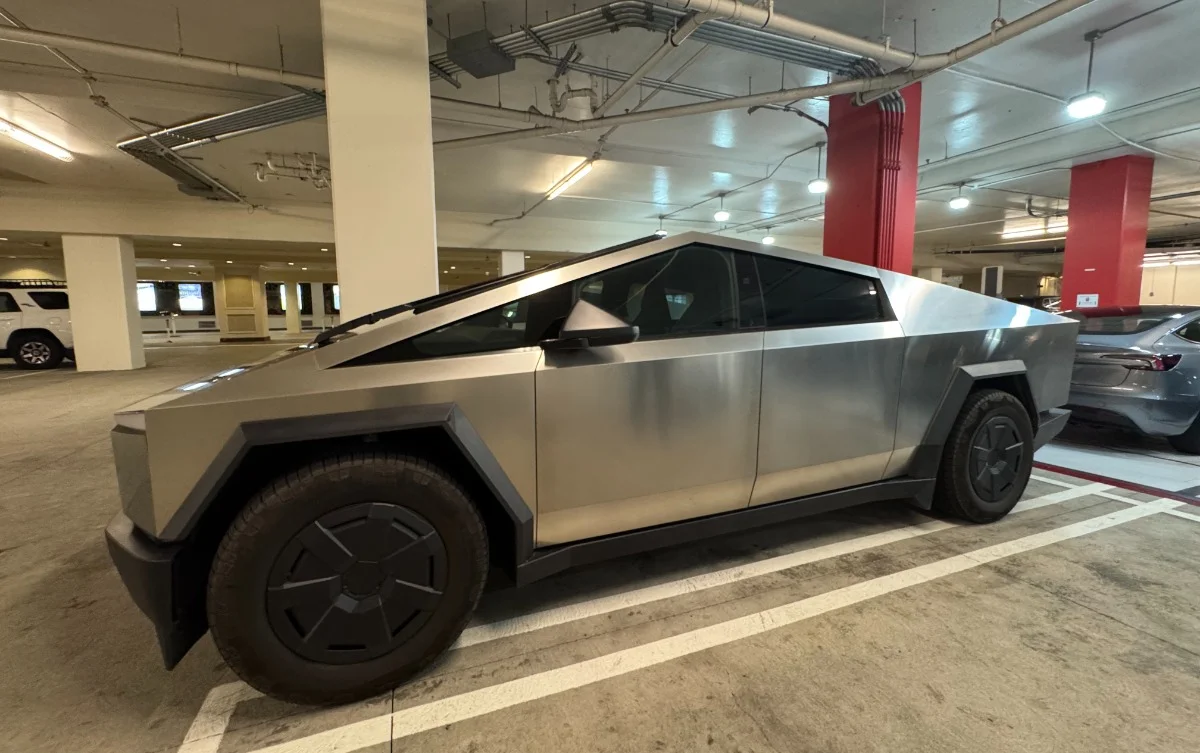

European drivers will likely never get to drive a Tesla Cybertruck in Europe unless they import one.
And that’s not that easy, either.
You can do that, but it’s complicated and costly.
Or you can fly to the US, and test drive one, at which point the reason Cybertruck isn’t available in Europe will become obvious.
DISCOVER SBX CARS: The global premium car auction platform powered by Supercar Blondie
This truck is unlike anything else
We tend to forget that when Tesla first teased an electric truck, well over half a decade ago, the Rivian R1T and the Ford F-150 Lightning didn’t exist.
As potential Tesla rivals were launching their own trucks, everyone sort of assumed Tesla’s EV truck would look ‘normal’, but that wasn’t the case.
When Tesla finally revealed it in 2019, it’s fair to say no one was even remotely ready for what came next.
Nobody could have imagined the Tesla Cybertruck would look the way it does.
But the way it looks is also one of the reasons why it doesn’t exist in Europe.
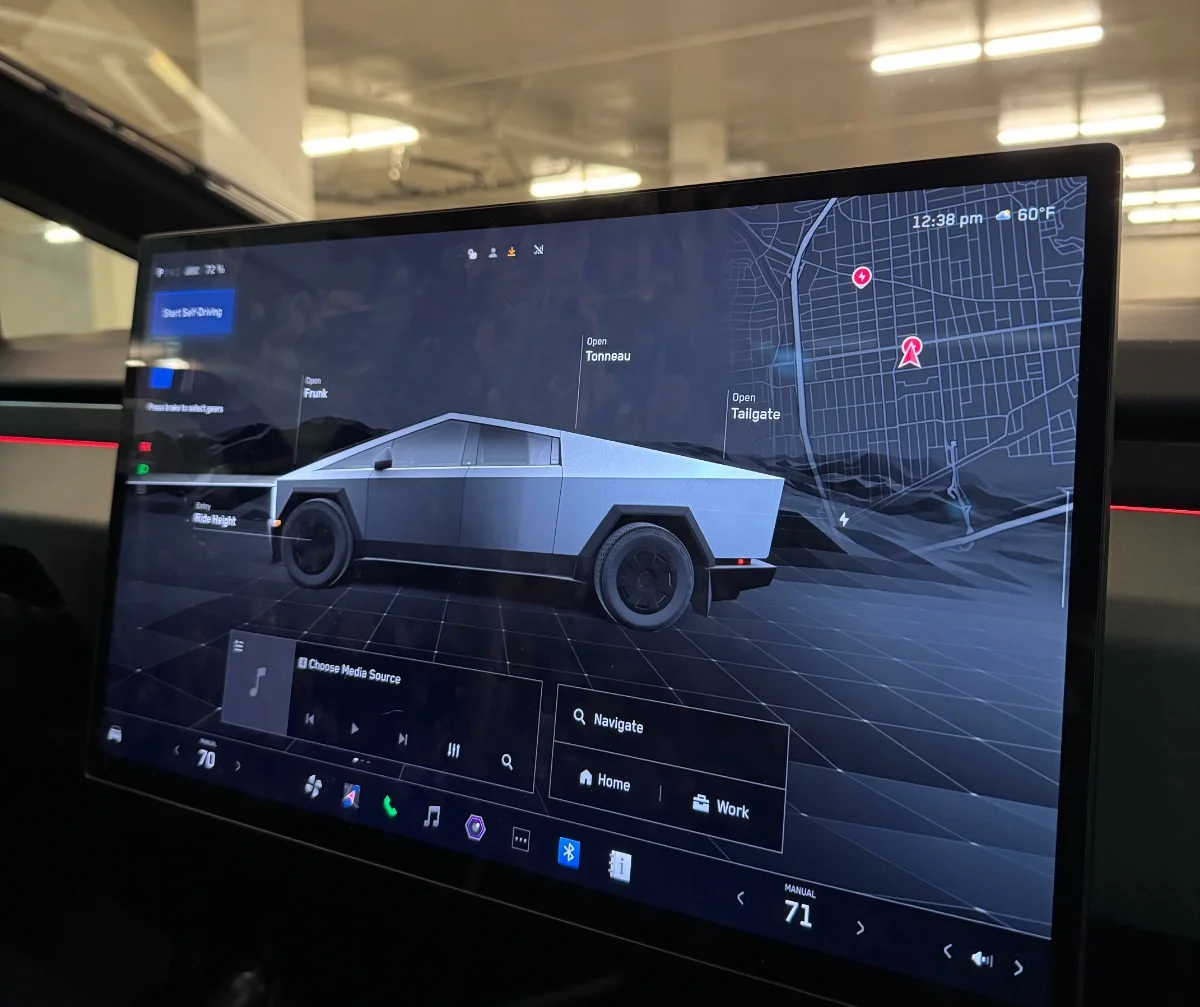
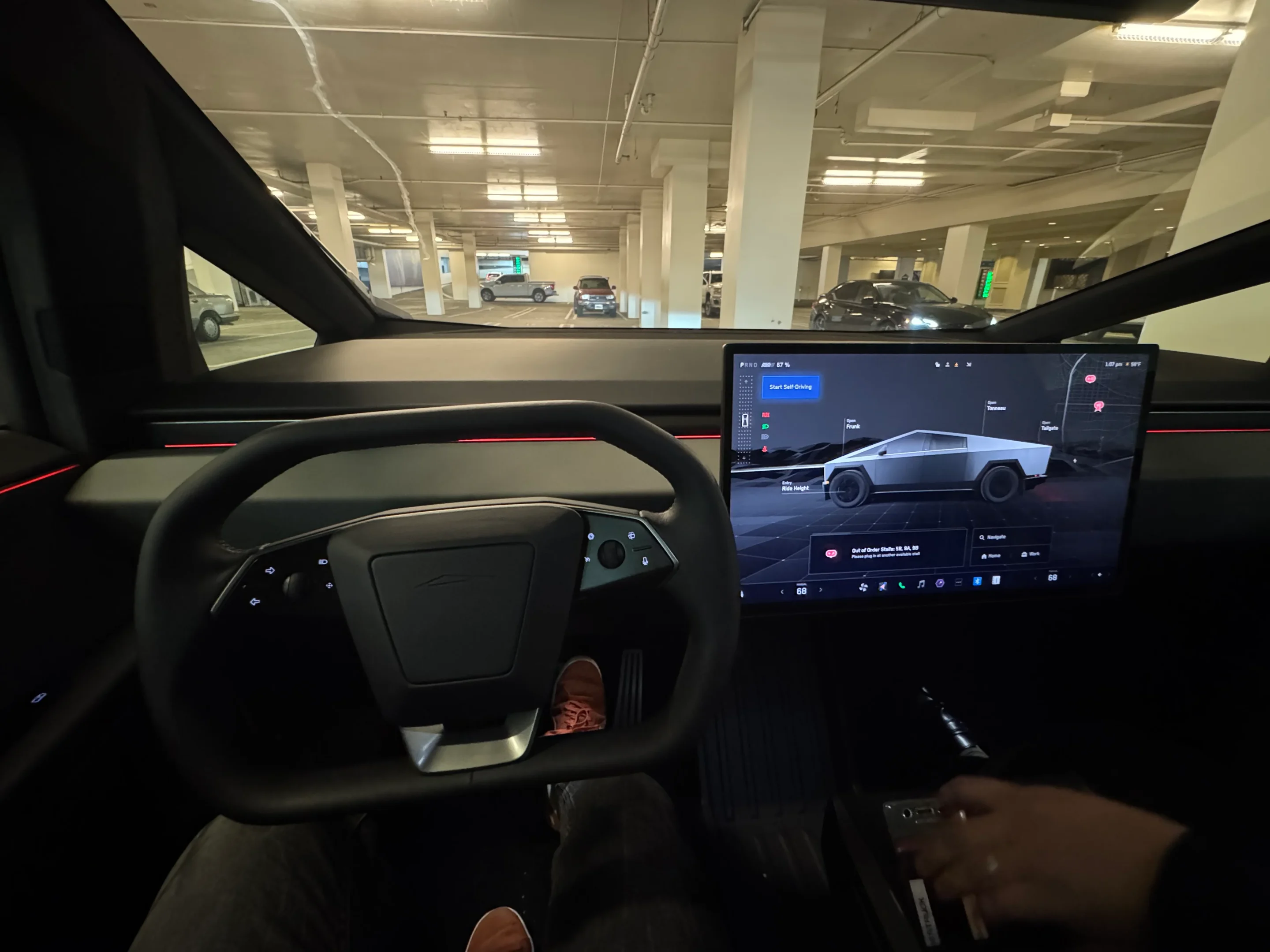
Yours truly traveled to Glendale, California, to drive a Cybertruck, and came to three conclusions.
One, it’s very, very fast, even though it’s the size of a small mountain.
Two, FSD is tremendous.
And three, the truck’s sharp angles would never comply with current pedestrian safety regulations in Europe.
But while that’s just one of the reasons why this probably wouldn’t work there, it’s not the main reason.
The real-world reason why Cybertruck probably wouldn’t work in Europe
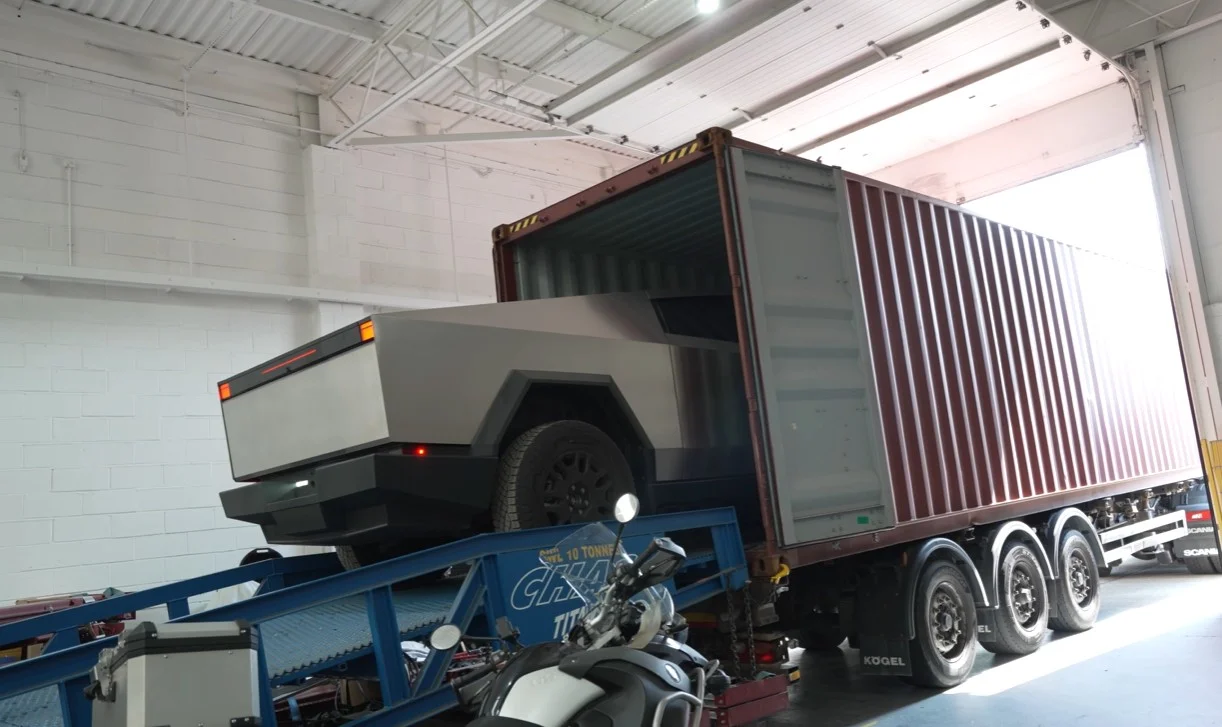
A UK-based YouTuber and car business owner found out the hard way that trying to register a Cybertruck in Europe or the UK is a nightmare.
There’s a long list of issues – from its aforementioned sharp angles to Tesla’s steer-by-wire technology.
To be clear, steer-by-wire is legal in Europe and the UK, but only if it meets local regulations, which Cybertruck’s system doesn’t because it was obviously designed for the US market.
But there are real-world problems that go far beyond paperwork and regulations.
Tesla Cybertruck felt quite big and a little ungainly in California, which means it would definitely feel out of place in Europe.
With a few exceptions, most European countries are densely built and heavily populated, and the roads are narrow.
For reference, Model X is a mid-size SUV in the US, but it qualifies as a full-size/large SUV in Europe.
It already barely fits in a standard American parking space – which is typically 20 percent larger than a European one.
Trying to own and use a Cybertruck in Europe would be a constant headache.
Pity.
Alessandro is an automotive journalist with 10 years of experience covering supercars, automotive history, emerging vehicle technology, and luxury transportation. He wrote the first article published on SupercarBlondie.com when the website launched in 2022 and has since built a reputation for insightful reporting across the automotive and transportation industries. His expertise is grounded in hands-on experience. Alessandro has driven every Tesla model ever produced, from the original Roadster to the Cybertruck, and regularly covers the latest developments in electric vehicles and automotive innovation. His passion for transportation extends beyond cars, he has even flown a Boeing 787 Dreamliner simulator in Addis Ababa, Ethiopia. His reporting spans everything from classic American muscle cars and rare automotive discoveries to luxury yachts, private aircraft, high-end watches, and cutting-edge vehicle technology. Known for his deep knowledge of automotive history and ability to uncover the stories behind iconic vehicles, Alessandro brings readers a blend of historical context, technical expertise, and first-hand experience.