Every Concorde to reach retirement was preserved except this one Air France Concorde and the reason it was scrapped is fascinating
Published on Mar 18, 2026 at 5:36 PM (UTC+4)
by Henry Kelsall
Last updated on Mar 18, 2026 at 8:53 PM (UTC+4)
Edited by
Emma Matthews
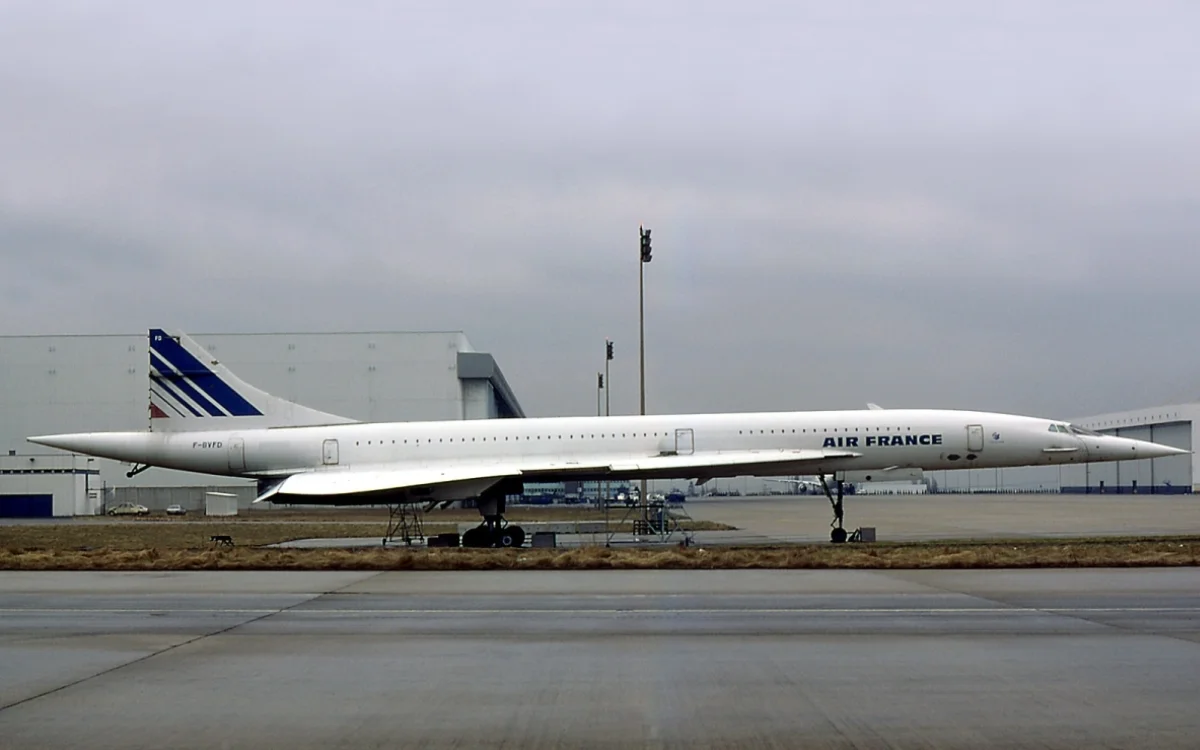

Out of the 20 Concorde aircraft ever made, there is one Air France Concorde that has the misfortune of being the only one to ever be cut up by the scrapman, and that was Concorde F-BVFD.
Air France Concorde F-BVFD first flew in the 1970s, but its service life was shorter than nearly every other member of the British and French fleets, and it had an untimely demise.
In fact, only one other example of the supersonic airliner wasn’t preserved, but this, of course, was the one destroyed in the accident in 2000.
Out of all the aircraft not to crash, this was the only one to meet the scrapman, and the reason behind it was fascinating.
Click the star icon next to supercarblondie.com in Google Search to stay ahead of the curve on the latest and greatest supercars, hypercars, and ground-breaking technology
This is the story of Air France Concorde F-BVFD
Concorde F-BVFD first took to the skies in February 1977, and it was delivered to Air France a month later.
Unusually, it didn’t fly the prestigious Paris to New York route.
Air France instead used it on its Paris-Dakar-Rio route.
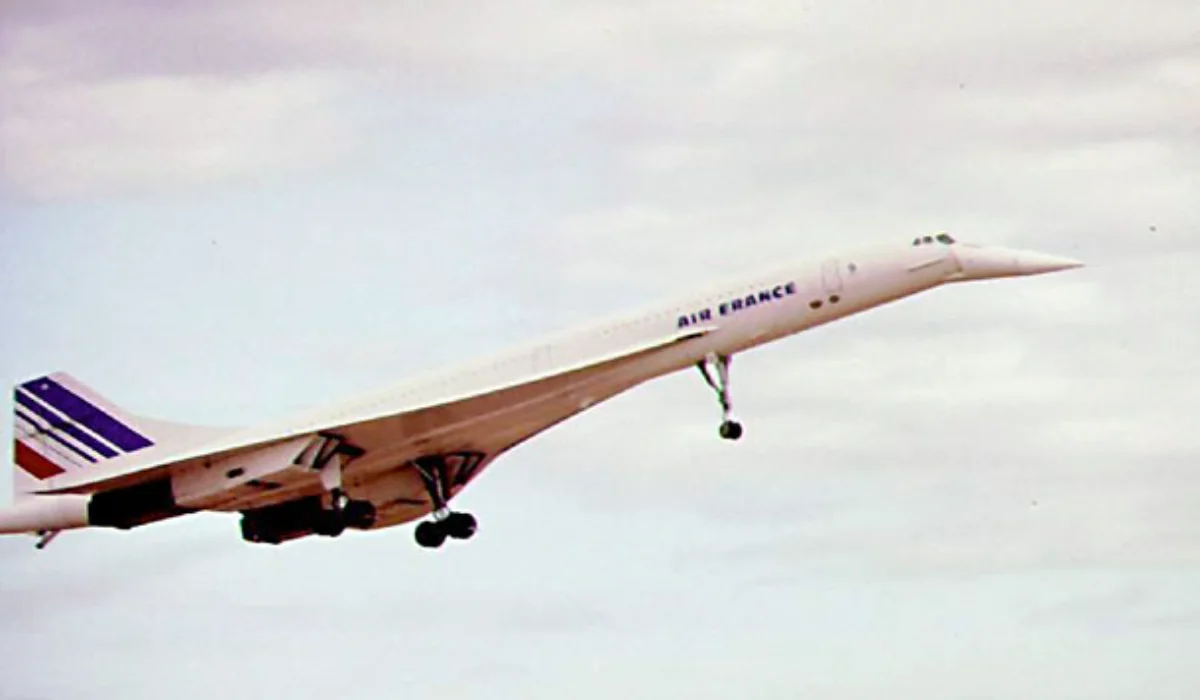
Misfortune, however, would follow this particular Concorde from early on in its career.
In November 1977, the aircraft landed heavily in Dakar.
Air France had to pull the aircraft out of service to conduct repairs to the aircraft’s airframe.
F-BVFD flew on for another five years after its repairs, but soon Air France closed the Paris-Dakar-Rio route.
Now, it had an example of a very expensive airliner that, in reality, it didn’t have a use for.
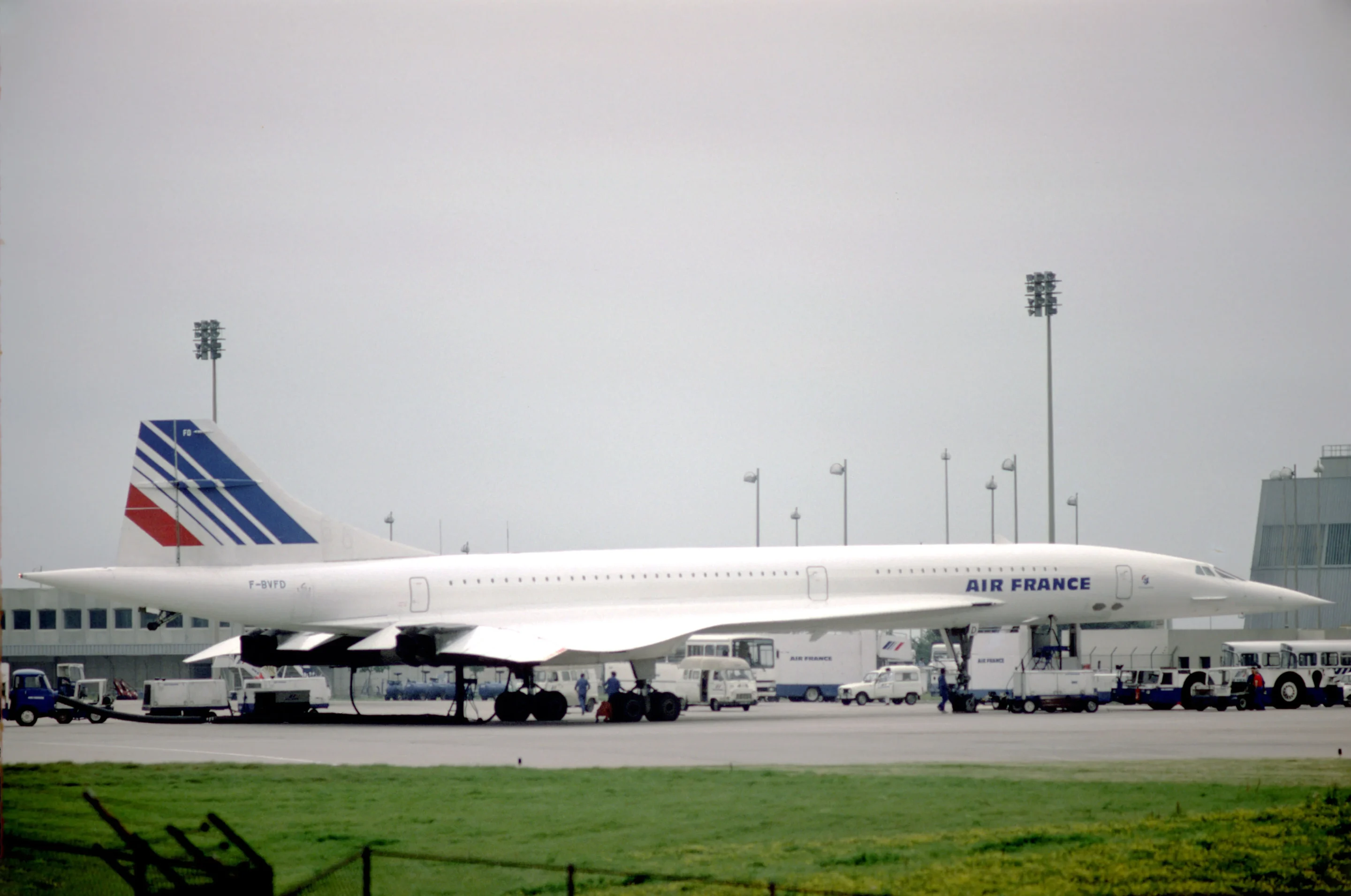
This effectively sealed its fate and would lead to a sad end of the line for F-BVFD.
So in 1982, Air France retired the aircraft from service.
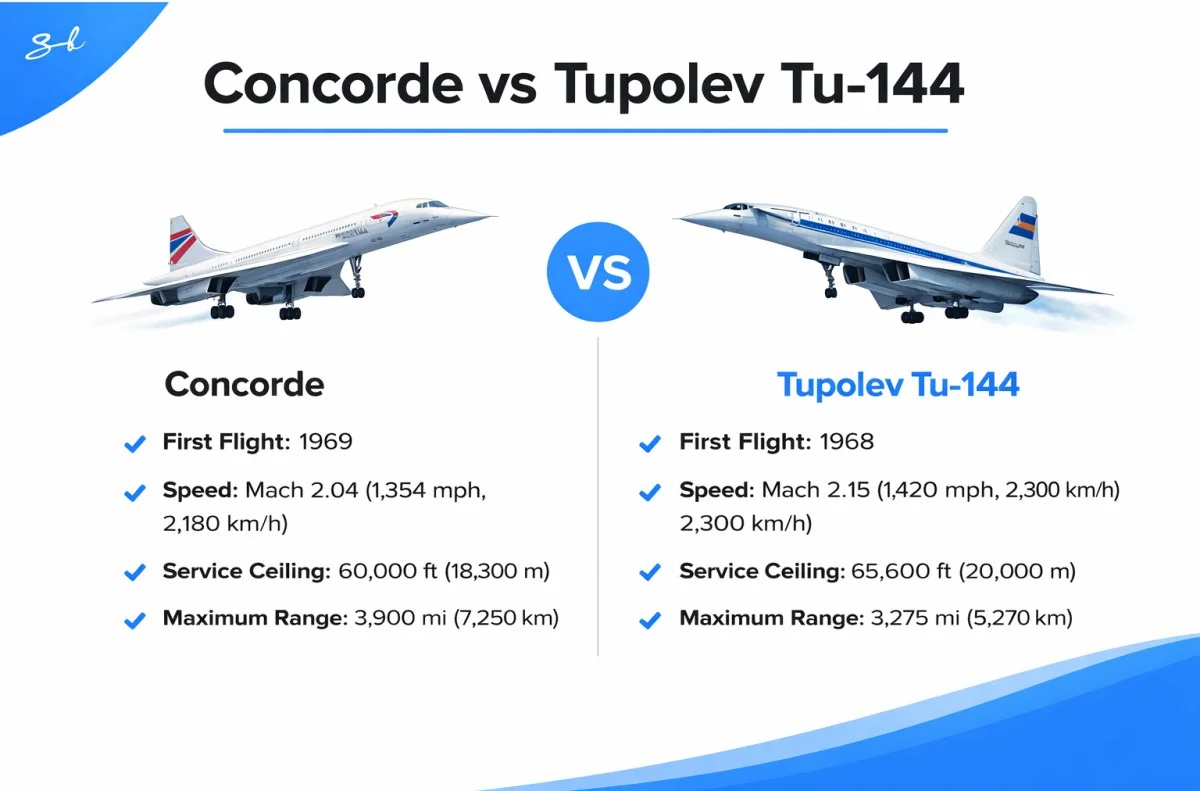
Despite its short service life, it still had a longer career than the Soviet Concorde, the Tupolev Tu-144.
What happened to F-BVFD after it was retired, and why was it scrapped?
F-BVFD was parked up at the Le Bourget Airport in Paris.
Soon after retirement, the airline decided the best thing to do would be to make the supersonic jet a donor craft.
This meant its parts would be cannibalized and used on other members of the Air France Concorde fleet.
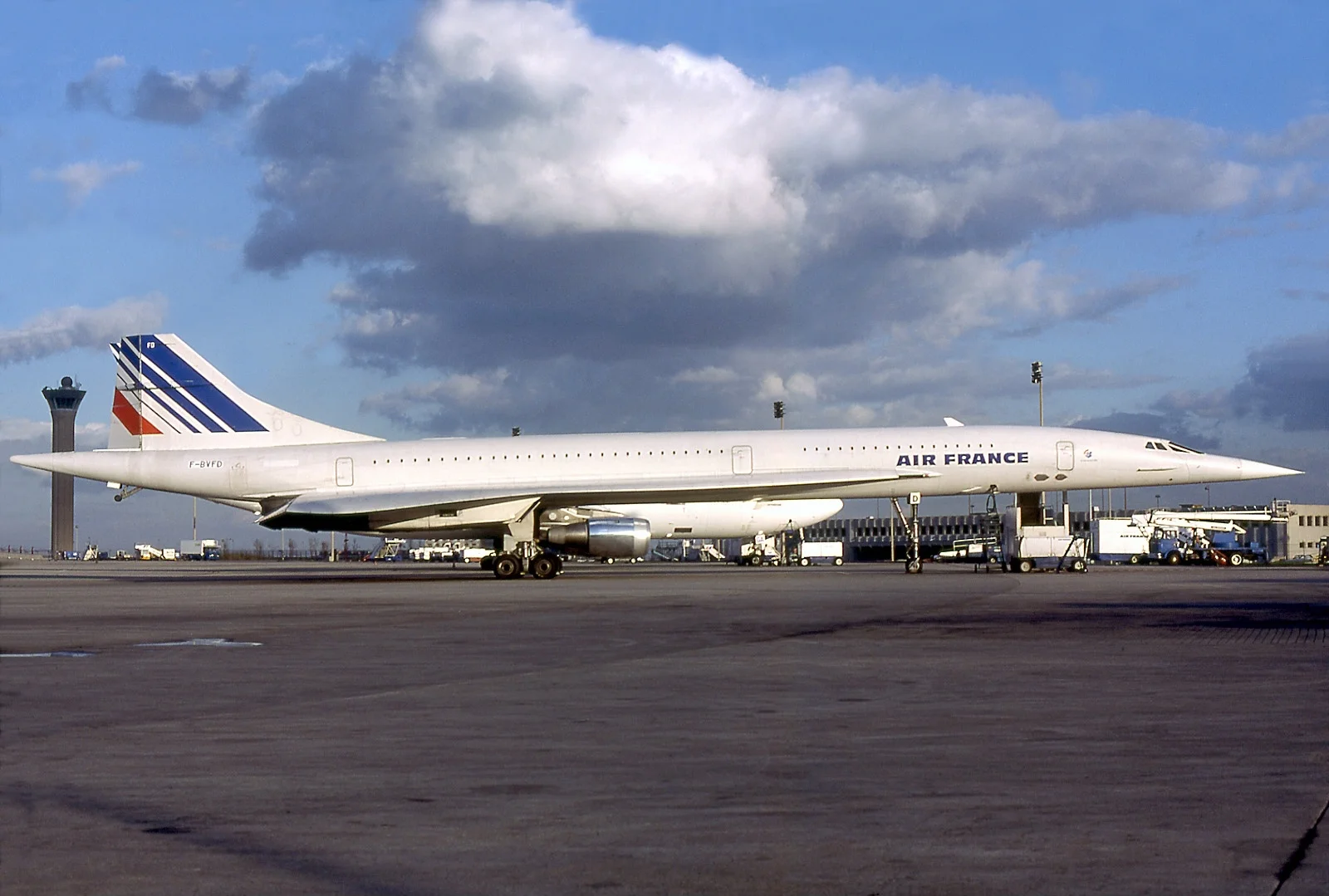
While not flying itself, F-BVFD would keep its fellow aircraft in the sky.
It was an unusual move to make, given how few flying hours the aircraft actually had.
But it was simply surplus to the requirements of the airline at the time.
The decision to retire the aircraft was also a legacy of the accident in Dakar five years previously.
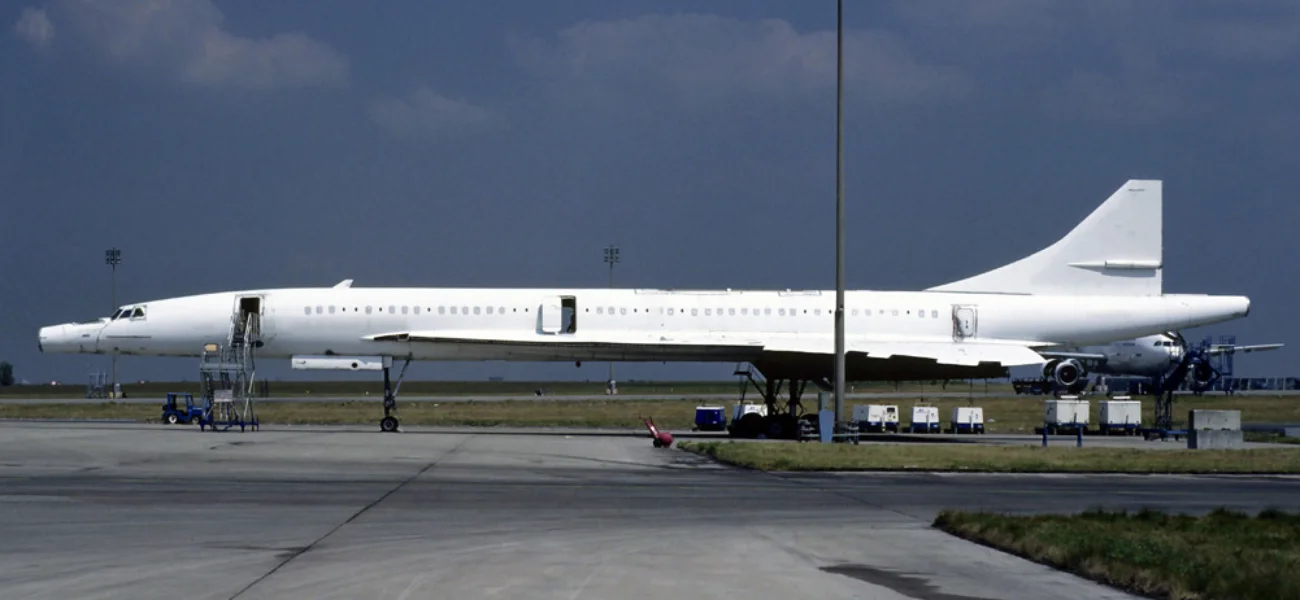
Over time, though, F-BVFD’s airframe began to corrode badly, with the 12 years sitting out of service taking its toll.
By that time, most of its components had been taken away for use on the rest of the fleet.
Pretty soon, the end beckoned for this once mighty supersonic jet.
This is how Air France Concorde F-BVFD met its end in Paris
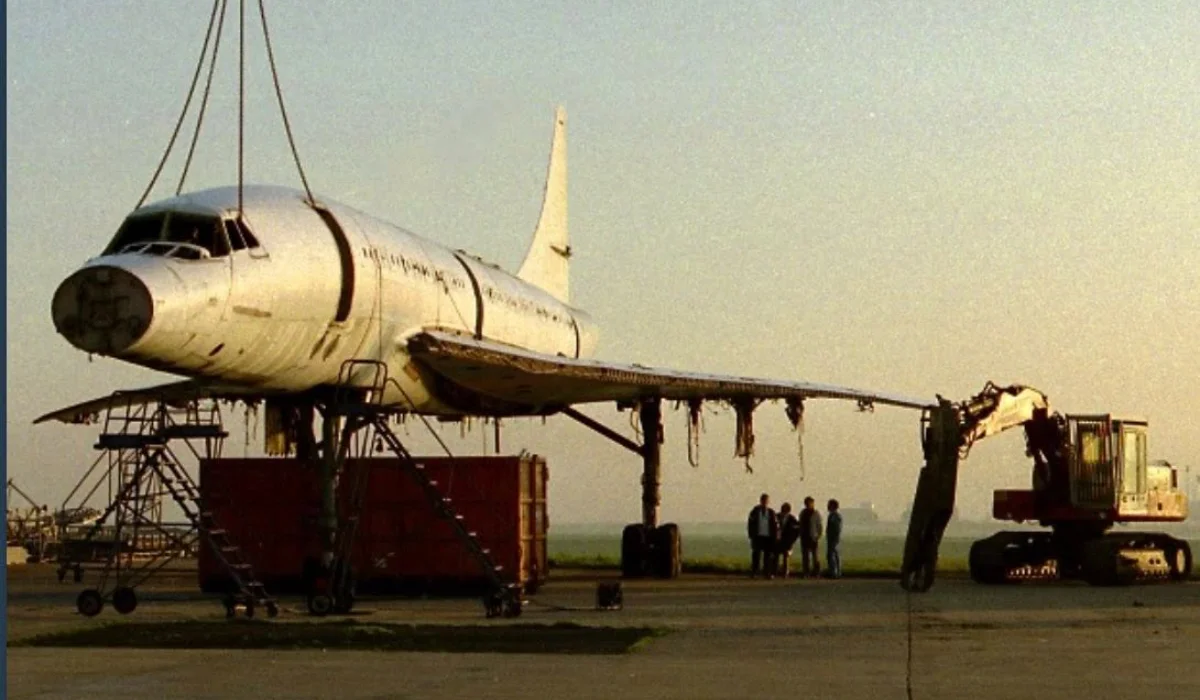
In 1994, the decision was made to break up the aircraft and scrap its remains.
The nose assembly was removed separately, having been sold to an American buyer for around $52,000.
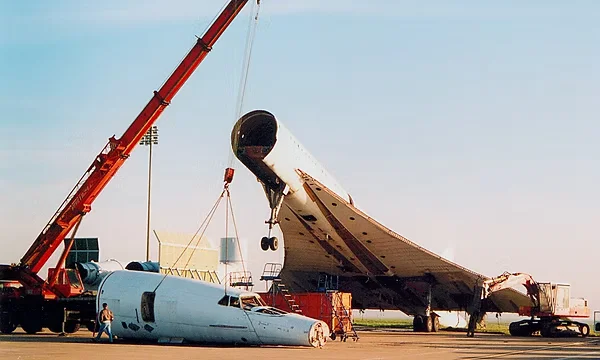
But the rest of the airliner, including the wings and fuselage, was chopped up and disposed of.
Images online show the dismantling of the aircraft whose life was cut far too short.
Amazingly, not all of F-BVFD was destroyed.
What remained of the aircraft was moved to a scrapyard in Dugny, close to Le Bourget airport.
Even in 2026, some components, such as a section of the fuselage, remain.
Ever since its scrapping, many have forgotten that F-BVFD ever existed due to its short service life.
Yet it did fly, albeit very briefly, and holds the sad honor of being the only Concorde ever scrapped.
By contrast, all other aircraft bar the 2000 crash aircraft flew on until retirement in 2003.
F-BVFD’s story, therefore, remained unique until the supersonic jet’s end.
Concorde’s cutting-edge tech highlights
Droop nose design: Allowed pilots visibility during takeoff/landing
Olympus 593 engines: Afterburning turbojets made supersonic commercial travel possible
Mach 2 cruising speed: Nearly twice the speed of sound at 1,350 mph
Carbon fiber brakes: First in commercial aviation to reduce high-speed wear
Delta wing shape: Provided stability at varying flight speeds
DISCOVER SBX CARS: The global premium car auction platform powered by Supercar Blondie
Henry joined the Supercar Blondie team in February 2025, and since then has covered a wide array of topics ranging from EVs, American barn finds, and the odd Cold War jet. He’s combined his passion for cars with his keen interest in motorsport and his side hustle as a volunteer steam locomotive fireman at a heritage steam railway.