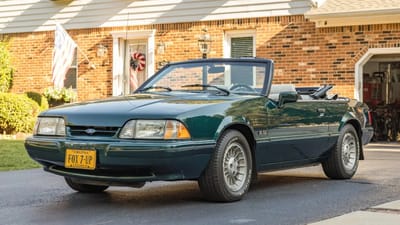
More and more EVs have been on the road in recent years and it's led to an unexpected side effect
Published on Jul 06, 2026 at 9:32 AM (UTC-4)
by Ben Thompson
Last updated on Jul 17, 2026 at 6:04 AM (UTC-4)
Edited by
Ben Thompson
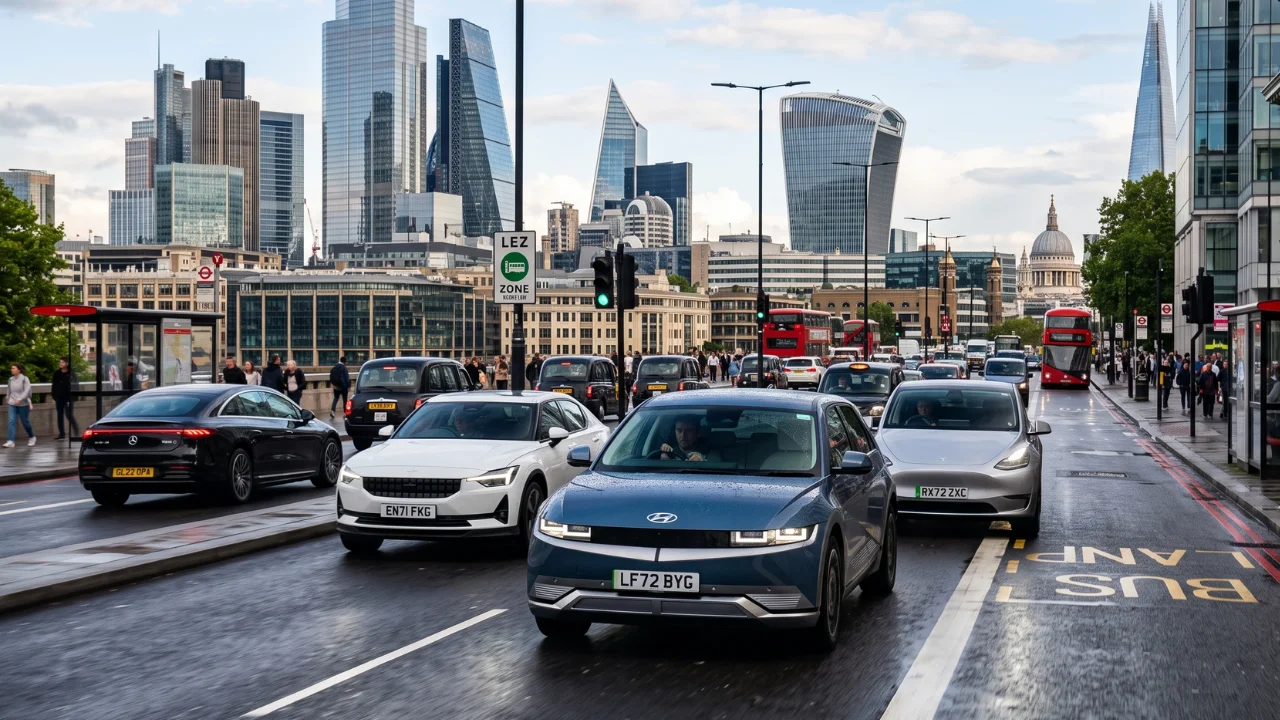

As more EVs have joined our roads over the past few years, it’s resulted in an unexpected side effect.
A new study looking at electric vehicles identified several benefits (and negatives) that come with increased EV ownership.
The lack of direct emissions was of course one of the benefits.
But there was one notable side effect that came as a surprise.
It wasn’t all good news, according to this study
You don’t have to be an expert to know that EVs don’t emit anything from the exhaust, providing one obvious benefit of an electric car.
However, the EIT Urban Mobility study looked into other forms of pollution.
And this is where there was some bad news for EVs and their supporters.
When it comes to tire wear, EVs fared wore than their gas counterparts, mostly due to them being heavier.

Why is this considered a form of pollution?
Well, when you consider the fact that tires shed millions of microplastics into the environment, it becomes more clear.
One 2017 study from the Netherlands found that around 3.5 million tonnes of tire particles were emitted into the environment every year – and that’s just in 13 countries.
What negative effect does this have on the environment?
Forbes published a deep-dive article covering this subject in 2024, taking a wide look at various studies.
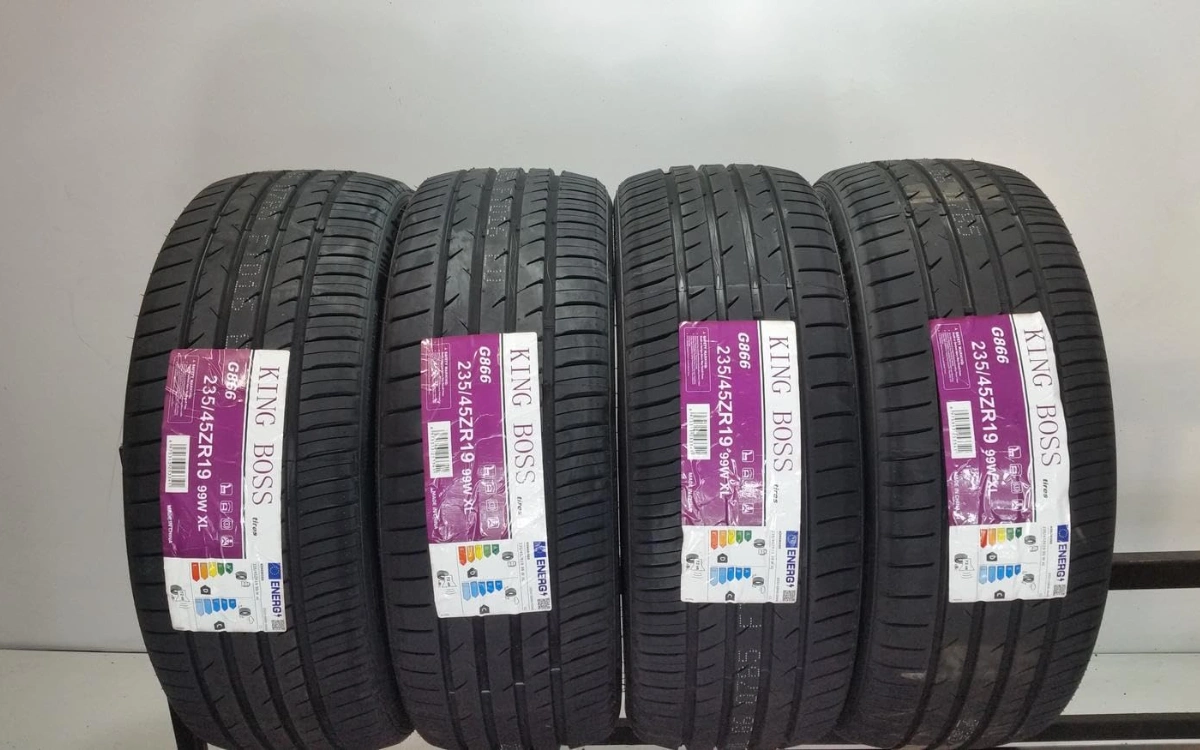
These studies revealed that the presence of microplastics could harm plant growth and fish reproduction.
Exposure to microplastics has also been linked to several chronic diseases in humans.
So this is evidently one area where EVs came out worse than gas cars.
But there was one side effect of increased electric car purchases that might take you by surprise.
Related

And then there’s this unexpected side effect
Have you ever considered how much pollution is caused by brake dust?
Us neither.
According to this study, EVs saw brake dust pollution dip by a whopping 83 percent.
This is because electric cars use regenerative braking, meaning the car can slow down without needing to touch the brakes.
Any time a driver’s foot is lifted off the throttle, the car automatically slows down.
One study found that brake pad dust can be just as toxic as exhaust emissions.
This is because some commonly used brake pads contain a higher concentration of copper, which can harm some of the sensitive cells in the lungs.
Undoubtedly, more studies will be produced in the years to come which will generate further discussion about the pros and cons of electric cars.
But here’s one that provided us with a revealing figure – 96 percent of people who switch to electric cars never go back to driving gas cars.
The perks of increasing numbers of EVs on the roads
Many of the benefits that come with increased EV ownership seem obvious from the outset.
For one thing, cutting down on CO2 emissions is definitely good on the environmental front.
And then there’s the reduction in noise pollution – although many gearheads will admit they miss the noise that comes with a ICE car.
After all, manufacturers wouldn’t be making fake noises for their EVs if people didn’t miss it, right?
A complete history of EVs
1832–1839: Early electric vehicles developed by Scottish inventor Robert Anderson and American inventors – rudimentary battery-powered carriages
1890: William Morrison builds a six-passenger electric wagon in the US, sparking interest in electric cars
1900: Electric cars make up around 28% of all vehicles on American roads
1912: Detroit Electric releases models with 80-mile ranges, making EVs practical for daily driving
1960s: Interest in EVs wanes as cheap gasoline and internal combustion cars dominate
1970s: Oil crises revive interest in alternative fuels, including early electric prototypes
1990: California mandates zero-emission vehicles, leading to GM EV1 and similar experiments
1996: GM EV1 becomes the first mass-produced modern EV, available via lease in California
2008: Tesla Roadster debuts with 244-mile range, proving electric sports cars can compete with gasoline vehicles
2010: Nissan Leaf launches as the first mass-market EV with worldwide availability
2012: Tesla Model S introduces long-range luxury EVs and over-the-air software updates
2016: Chevrolet Bolt EV offers affordable 200+ mile range, pushing EV adoption
2018: Jaguar I-PACE proves electric SUVs can compete with luxury gas models
2020: Porsche Taycan combines EV performance with iconic brand heritage
2021: Rivian R1T and R1S bring adventure-ready electric trucks and SUVs
2022: Lucid Air Dream Edition sets new benchmarks for range and luxury in EVs
2023: Global EV sales surpass 10 million units, signaling mainstream adoption
2024: Solid-state battery prototypes begin testing, promising higher energy density and faster charging
2025: Global EV sales cross the 20 million mark, with one in four cars sold globally being electric
Ben joined Supercar Blondie in February 2025 after being published by international organizations including LADbible, The Sun, the New York Post, and the Daily Mail. He covers supercars, rare and collectible vehicles, aviation, luxury assets, and the fascinating people behind them. His reporting has explored everything from seven-figure supercars and historic Ferrari collections to unusual aircraft adventures and extraordinary automotive discoveries from around the world. Ben has also gained first-hand insight into vehicle craftsmanship and customization, including visiting specialist workshops to see bespoke vehicles up close.