Expert shares the magic number Ferrari needs to reach to make its new EV a success
Published on Mar 08, 2026 at 11:37 PM (UTC-4)
by Alessandro Renesis
Last updated on Mar 08, 2026 at 11:37 PM (UTC-4)
Edited by
Amelia Jean Hershman-Jones
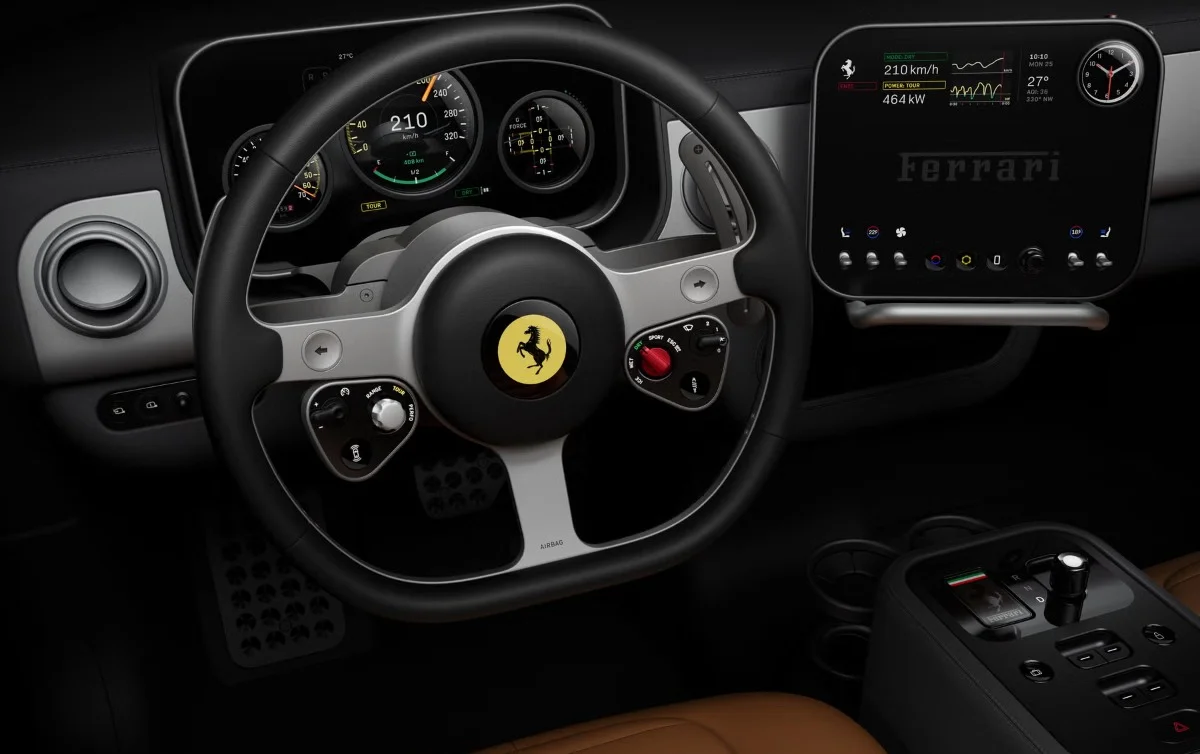

Ferrari has decided to go ahead with its plan to unveil an electric supercar, even though other rival automakers are taking a step back when it comes to EVs.
On the one hand, electric vehicle sales are still going up across the board.
But on the other hand, sales numbers show that demand for high-end EVs isn’t as strong as manufacturers thought.
But, according to RBC Capital analyst Tom Narayan, there’s a ‘magic’ number Ferrari should aim for.
Click the star icon next to supercarblondie.com in Google Search to stay ahead of the curve on the latest and greatest supercars, hypercars, and ground-breaking technology
The untold ‘problem’ with EVs
At this point, everyone knows EVs tend to depreciate faster, especially in the high-end segment of the market.
But there’s another issue we don’t talk about enough.
EVs are, generally speaking and at least for now, unprofitable.
Automakers can’t really price them as they would like, which often means they’re losing money on every unit they deliver.
This doesn’t apply to every automaker equally, but it’s a known problem, especially for ‘legacy’ brands that are struggling to repurpose their facilities.
Porsche is a case in point.
The company’s profitability declined in 2025, with operating profit plunging 99 percent (not a typo) in the first nine months of the year, dropping from €4 billion ($4.63 billion) to just €40 million ($46.3 million).
Tariffs and weaker demand in China played a part, but the main problem is that EVs are simply much more expensive to make.
Ferrari is the most profitable luxury brand in the world, so it’ll be interesting to see how they cope.
Related

This is the ‘magic’ number Ferrari should aim for
Speaking to CNBC, RBC Capital analyst Tom Narayan said there’s a specific number Ferrari should keep in mind.
Narayan pointed out that several high-profile CEOs, from Mate Rimac to Lamborghini’s Stephan Winkelmann, are admitting that demand for EVs in the luxury and high-performance sectors isn’t great.
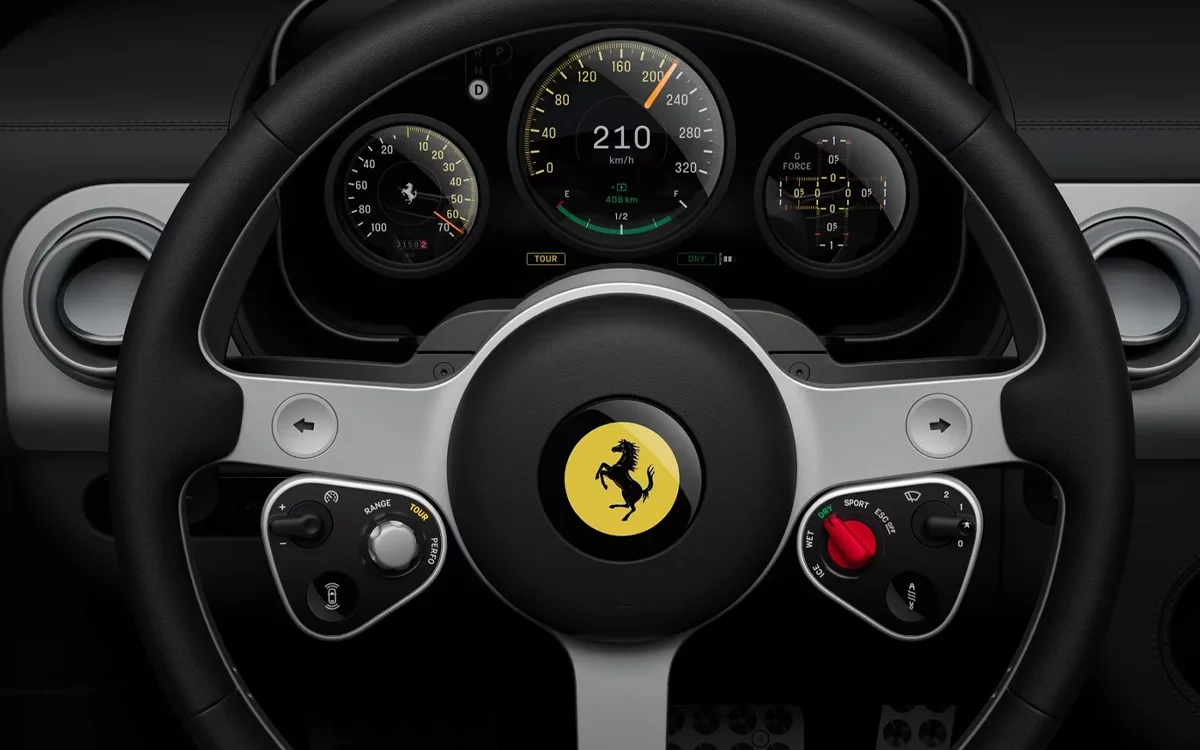
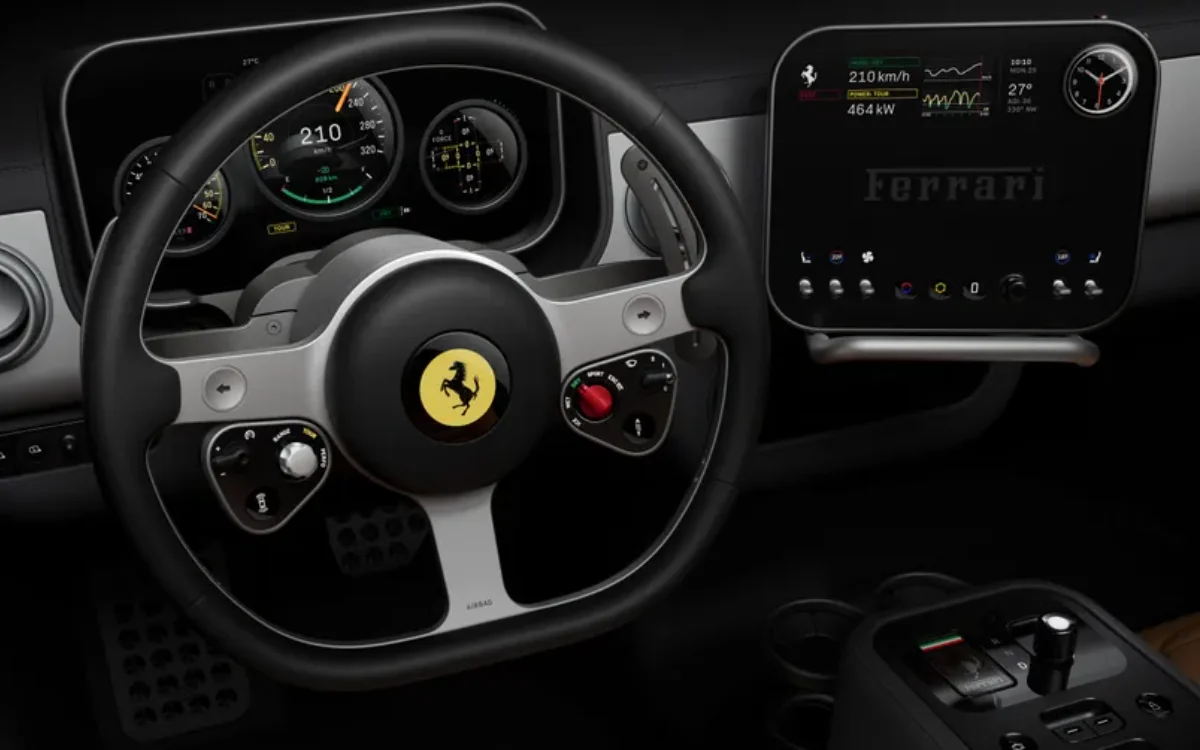
But he said that Ferrari probably decided to still go ahead with Luce, the upcoming electric supercar, because they believe they can make their EV financially viable.

“I don’t know if they know how strong demand will be. That’s what they’ll find out,” Narayan said.
“But as long as they can get 500 to 1,000 people per year to buy an electric supercar from Ferrari, which doesn’t seem like that Herculean of a task, it makes sense they can penetrate that segment of that market.”
Alessandro is an automotive journalist with 10 years of experience covering supercars, automotive history, emerging vehicle technology, and luxury transportation. He wrote the first article published on SupercarBlondie.com when the website launched in 2022 and has since built a reputation for insightful reporting across the automotive and transportation industries. His expertise is grounded in hands-on experience. Alessandro has driven every Tesla model ever produced, from the original Roadster to the Cybertruck, and regularly covers the latest developments in electric vehicles and automotive innovation. His passion for transportation extends beyond cars, he has even flown a Boeing 787 Dreamliner simulator in Addis Ababa, Ethiopia. His reporting spans everything from classic American muscle cars and rare automotive discoveries to luxury yachts, private aircraft, high-end watches, and cutting-edge vehicle technology. Known for his deep knowledge of automotive history and ability to uncover the stories behind iconic vehicles, Alessandro brings readers a blend of historical context, technical expertise, and first-hand experience.