Ferrari 296 GT Modificata unveiled and it's a 730HP track car that's free from any regulation-based limits
Published on Sep 14, 2026 at 11:30 AM (UTC-4)
by Daisy Edwards
Last updated on Sep 30, 2026 at 8:15 AM (UTC-4)
Edited by
Mason Jones


Ferrari has created a new track car called the 296 GT Modificata that takes the 296 GT3 and turns the dial even further.
The 296 GT Modificata produces 730HP from its twin-turbo V6 and weighs just 1,330kg dry.
Unlike a conventional race car, however, it isn’t restricted by the technical regulations of a racing series.
That has allowed the brand to build something that is faster, more extreme and completely focused on giving drivers the ultimate track experience.
Ferrari wasn’t held back by racing regulations
The 296 GT Modificata supercar was designed for the company’s Club Competizioni GT program, rather than to compete in an established racing championship.

That distinction is important because race cars have to comply with strict regulations covering everything from power and aerodynamics to weight and components, but the Italian carmakers didn’t have those restrictions here.

The result is a car based on the 296 GT3 Evo but with significantly more power.
Its 2.992-liter twin-turbo V6 produces 730HP at 7,500rpm, while the carmaker has also reworked the engine’s internals, turbochargers, air systems and intercoolers.
And the brand claims the result is around three seconds faster than the 296 GT3 Evo around its Fiorano test track.

That’s a pretty serious improvement considering the 296 GT3 Evo was already developed specifically to be a competitive GT racing machine.
Ferrari’s official 296 GT3 Evo development also focused heavily on optimizing the car within the maximum aerodynamic performance permitted by racing regulations.

It looks every bit as wild as you’d expect
The extra performance meant Ferrari had to rethink the car’s aerodynamics and cooling.
Up front, the 296 GT Modificata gets a new slotted splitter and a redesigned hood with larger openings, while the rear features a much more aggressive wing.

The rear wing takes inspiration from the iconic 499P Le Mans Hypercar, including its central support and larger Gurney flap.
The brakes have also been upgraded with additional cooling to deal with the huge amounts of heat generated during hard track driving.
Inside, things remain deliberately focused on driving, the car has two seats, allowing an instructor or coach to sit alongside the driver, while an intercom system lets the pair communicate while out on track.
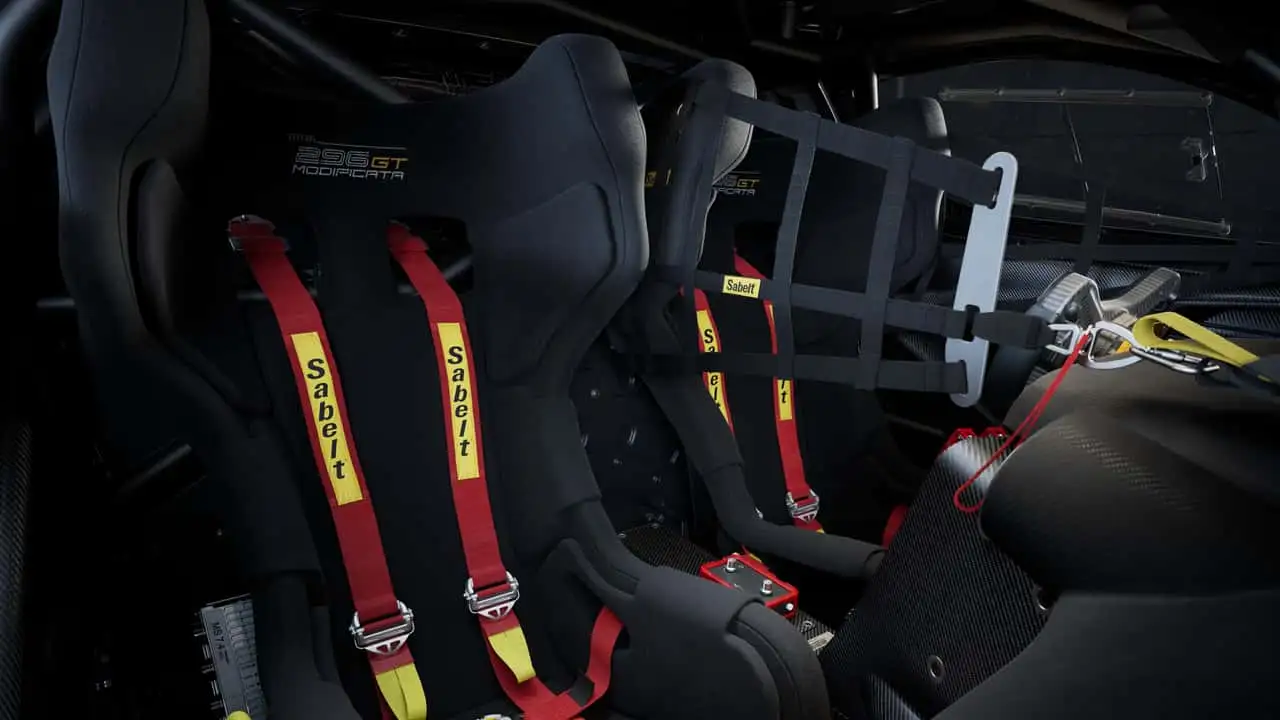
The 296 GT Modificata is exclusively being offered through its Club Competizioni GT customer racing program, so this isn’t a road car that you’ll be able to take home and drive to the supermarket.
Instead, owners get a car built specifically for track days and access to the brand’s customer racing environment.
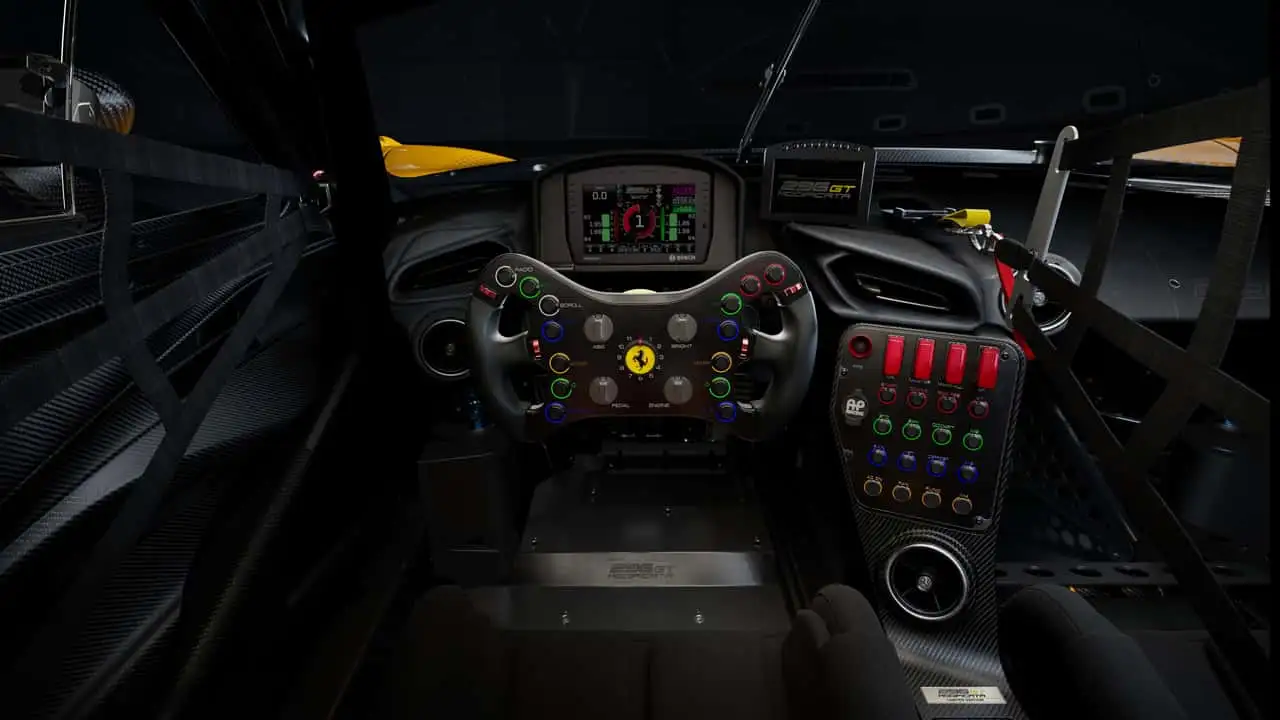
It’s effectively what happens when Ferrari takes a successful GT race car, removes the rulebook and asks its engineers what they could do with the extra freedom.
And judging by the numbers, the answer is pretty spectacular.
Daisy is a technology and automotive journalist covering artificial intelligence, consumer tech, Apple news, cryptocurrency, emerging technologies, and transportation innovation. Since joining the team in 2025, she has reported on everything from AI-powered startups and major iOS updates to viral car stories and the latest developments shaping transportation and the digital economy. Drawing on her background in automotive journalism and a degree in History and Journalism from Goldsmiths, University of London, Daisy specializes in breaking down complex topics into clear, engaging reporting for a global audience. Her work spans cutting-edge technology, innovative vehicles, and the people driving change across both industries. Daisy has gained first-hand access to some of the world's most talked-about technologies and innovators, including meeting Tesla's Optimus humanoid robot during its first European appearance in London. She has also discussed the future of space exploration with an astronaut, bringing unique insights and real-world perspectives to her coverage of emerging technology.