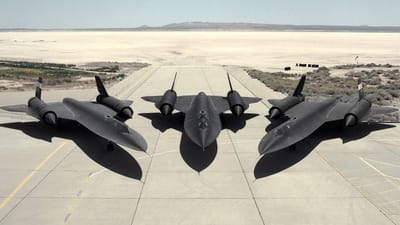
This genius race car outsmarted physics and dominated the track on Saturdays before being banned from competing
Published on Apr 04, 2026 at 11:43 AM (UTC-4)
by Alessandro Renesis
Last updated on Apr 04, 2026 at 11:43 AM (UTC-4)
Edited by
Amelia Jean Hershman-Jones
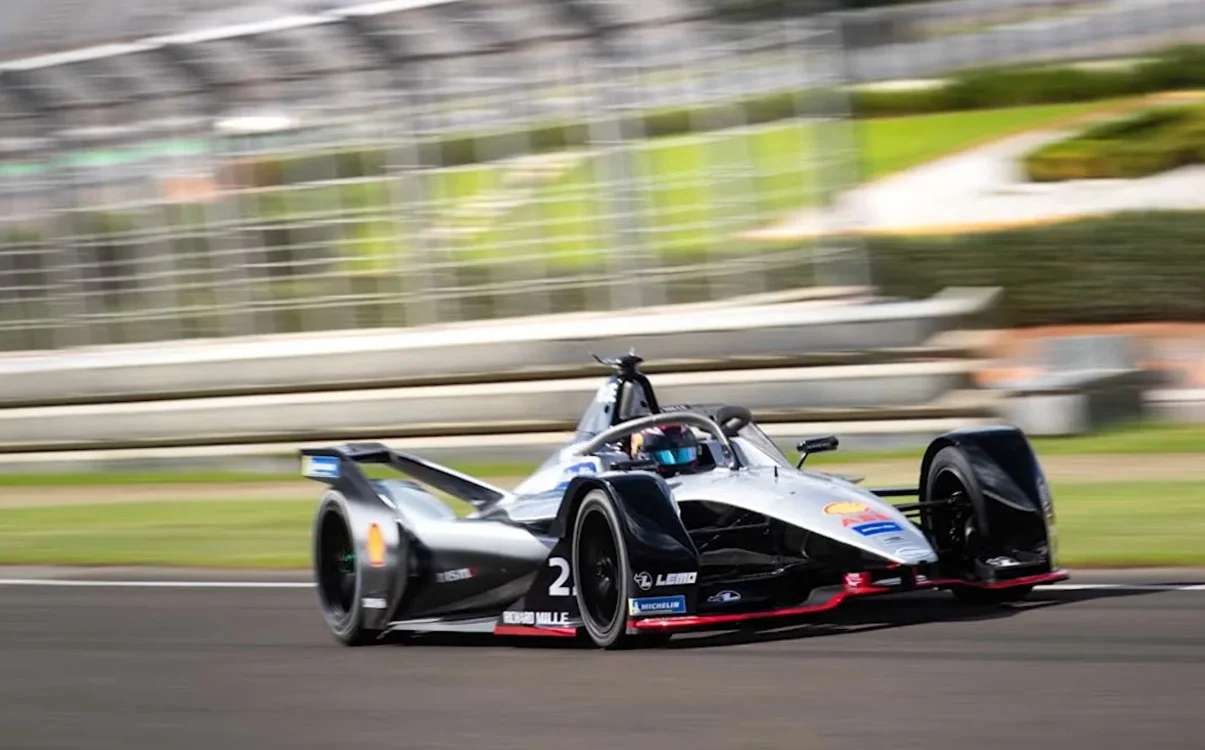

Cheating or simply cheeky? Nissan once exploited a loophole to make its Formula E race car much faster than the competition.
Technically, they didn’t break any rules.
They simply outsmarted the rest of the grid.
Unfortunately for them, it didn’t ultimately pay off – and the reason why probably isn’t what you think.
Enter our competition to win a stunning 2006 Ford GT or $400,000 cash!
Engineering loopholes that led to bans in motorsport
If we wanted to write a book about all the engineering feats, loopholes, and tricks that eventually led to a blanket ban, it would be a tome the size of War and Peace.
It’s a long list, and it’s varied.
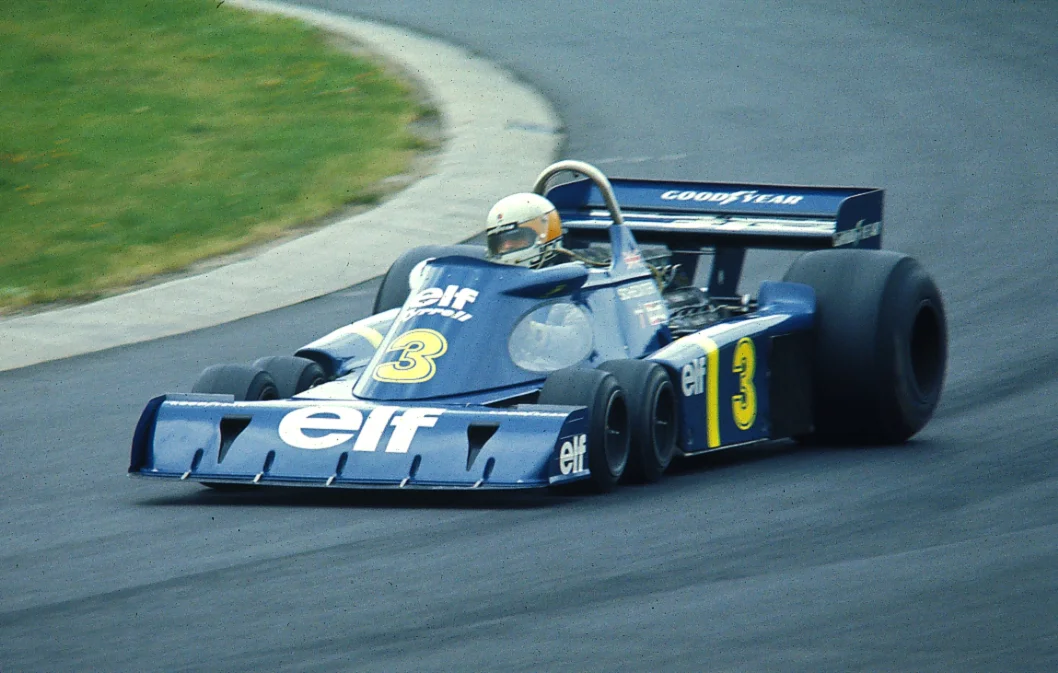
We can start with the Tyrrell P34, the first six-wheeled car to win an F1 race, and it’ll remain the only one because this type of layout is no longer allowed.
Even the Skyline was banned – specifically from Australian Touring Car racing – because its four-wheel drive gave it what racing officials considered an unfair advantage.
Then there’s the spectacular Plymouth Superbird, which was blacklisted by NASCAR.
Why? It was apparently too fast.
Related
Nissan found a loophole in Formula E, but the race car was short-lived
For the 2018-2019 Formula E season, Nissan found a loophole that gave its FE car a significant advantage.
Nissan exploited a loophole that allowed it to use two electric motors to drive the rear wheels, rather than the standard single-motor setup.
This means they were able to go beyond the allowed regenerative braking limits and deploy energy more efficiently, technically without breaking the rules.
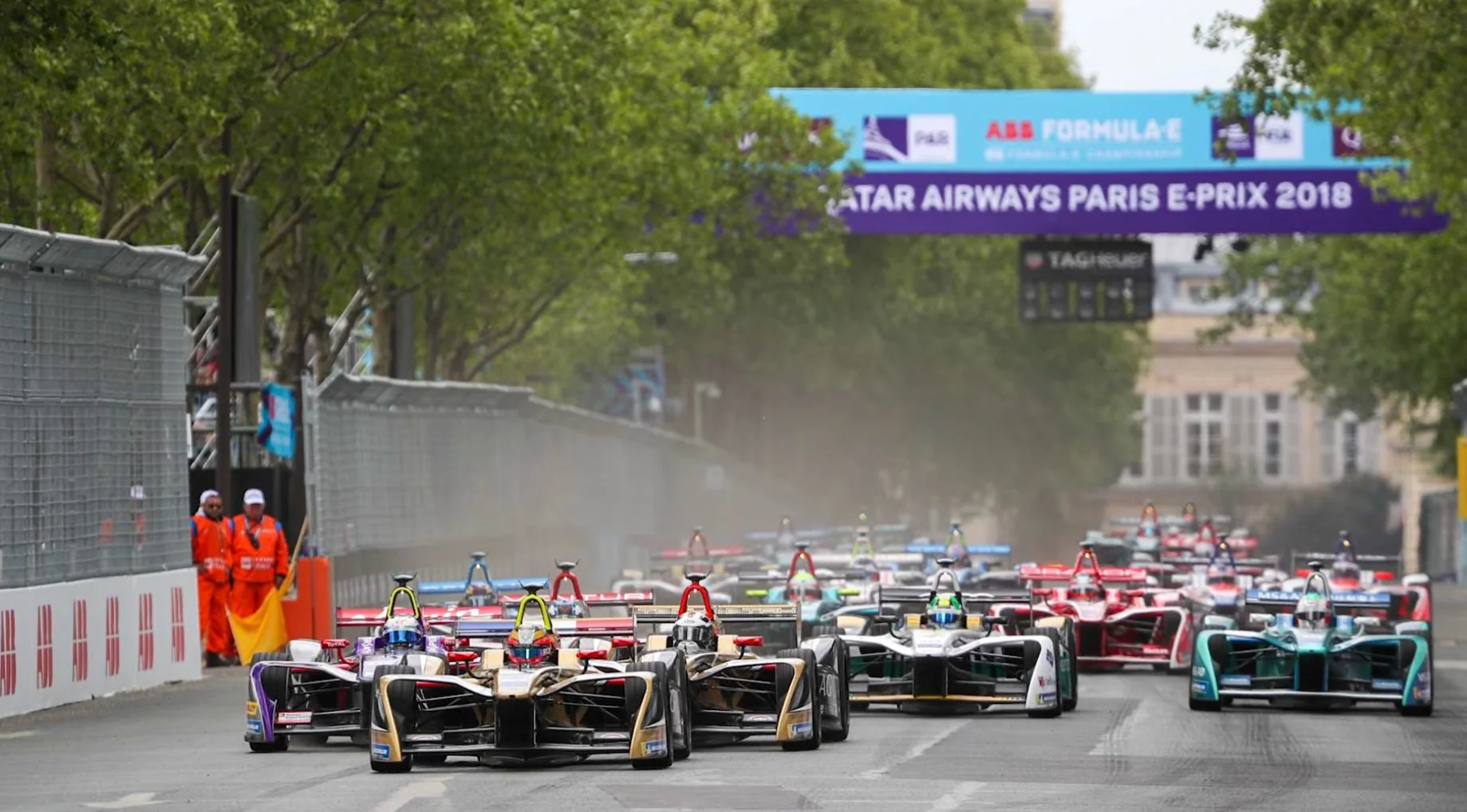
But Nissan’s luck ran out – and not just because the FIA banned the system for the following season.
Despite being phenomenally fast, the car struggled with reliability and drivability in the races, leading to several DNFs.
The team scored a total of six poles in 13 races, but only managed to actually win one race.
Not exactly a stellar average.
Alessandro is an automotive journalist with 10 years of experience covering supercars, automotive history, emerging vehicle technology, and luxury transportation. He wrote the first article published on SupercarBlondie.com when the website launched in 2022 and has since built a reputation for insightful reporting across the automotive and transportation industries. His expertise is grounded in hands-on experience. Alessandro has driven every Tesla model ever produced, from the original Roadster to the Cybertruck, and regularly covers the latest developments in electric vehicles and automotive innovation. His passion for transportation extends beyond cars, he has even flown a Boeing 787 Dreamliner simulator in Addis Ababa, Ethiopia. His reporting spans everything from classic American muscle cars and rare automotive discoveries to luxury yachts, private aircraft, high-end watches, and cutting-edge vehicle technology. Known for his deep knowledge of automotive history and ability to uncover the stories behind iconic vehicles, Alessandro brings readers a blend of historical context, technical expertise, and first-hand experience.