Man drives Cybertruck on Full Self-Driving twice in the space of a year to see if there's progress and the difference is shocking
Published on Aug 29, 2026 at 2:09 PM (UTC-4)
by Alessandro Renesis
Last updated on Aug 29, 2026 at 2:09 PM (UTC-4)
Edited by
Mason Jones
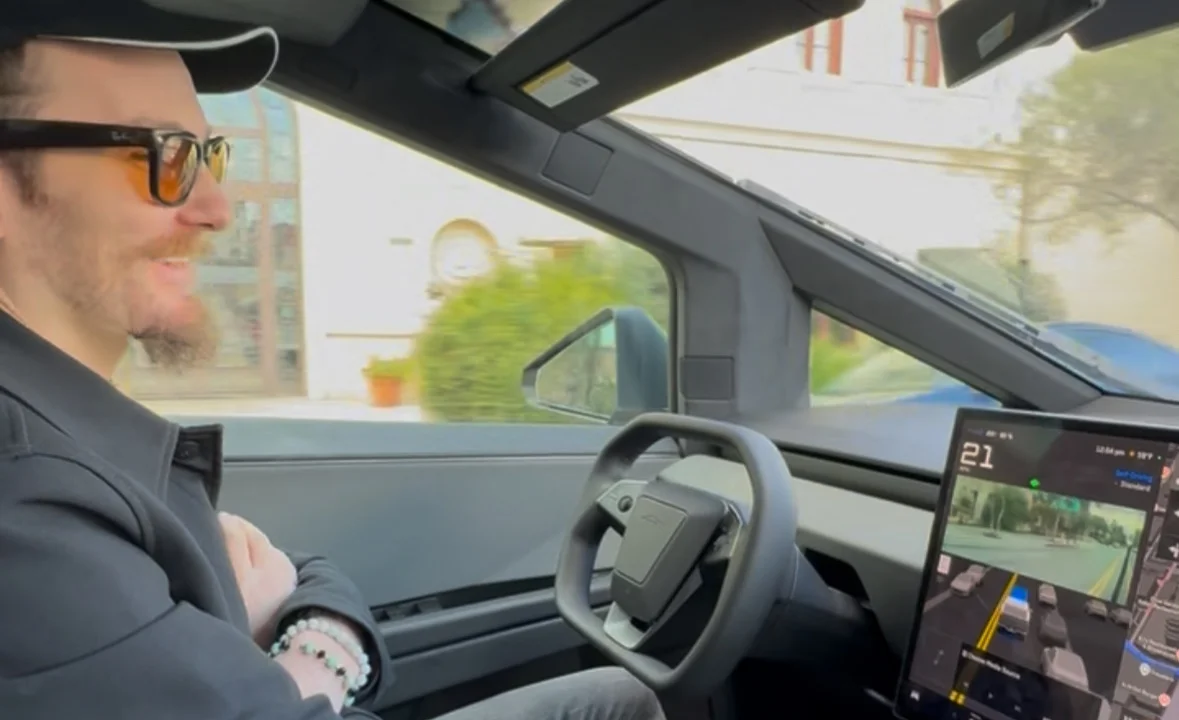

I drove the Tesla Cybertruck on FSD – as in Full Self-Driving – twice in less than a year and it was like night and day.
I first drove it back in late 2025 and tried it again just a few days ago.
Both tests were carried out in the same Cybertruck in California, but there was a big difference.
And there’s also a new quirky feature.
Cars are now software-driven
Some people don’t like this but the days of taking the car into the shop to make it better are sort of gone.
Now, you download updated software and your vehicle is automagically better.
That’s what happens with all cars who are compatible with OTA (Over The Air) updates – i.e., pretty much all modern EVs.
It also explains why the Cybertruck I drove in August 2026 was so much better than the one I drove in November 2025, despite being the same truck.
Specifically, FSD was so much better.
FSD has been around for a long time.
Even longer if you include Autopilot, which was an early predecessor that feels Paleolithic in comparison.
Apart from being accurate, FSD also includes new modes, and they’re hilarious.
Related
This is how the new FSD works
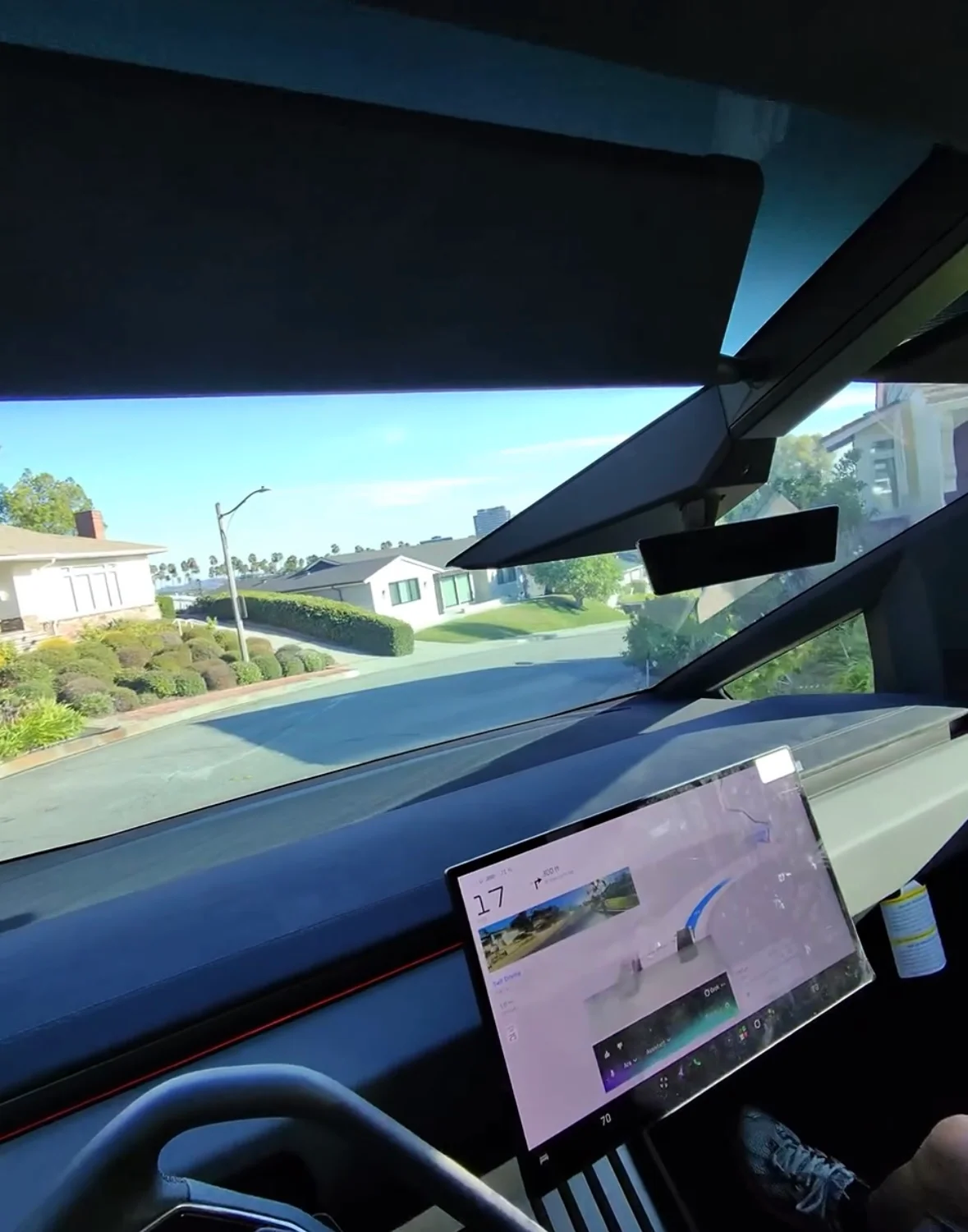
When I tested the Tesla Cybertruck in Glendale, California, in November 2025, the system could navigate the area quite well, but that was about it.
Now, it can be engaged the moment you leave the underground garage barrier and only needs to be disengaged when you return to it.
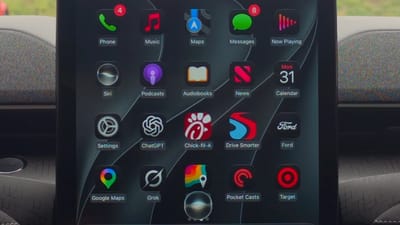
Because it’s integrated with Grok, it can also drive you places.
When I was in Glendale, I told Grok to ‘look for Instagram spots around me.’
It found them, and FSD drove me straight there.
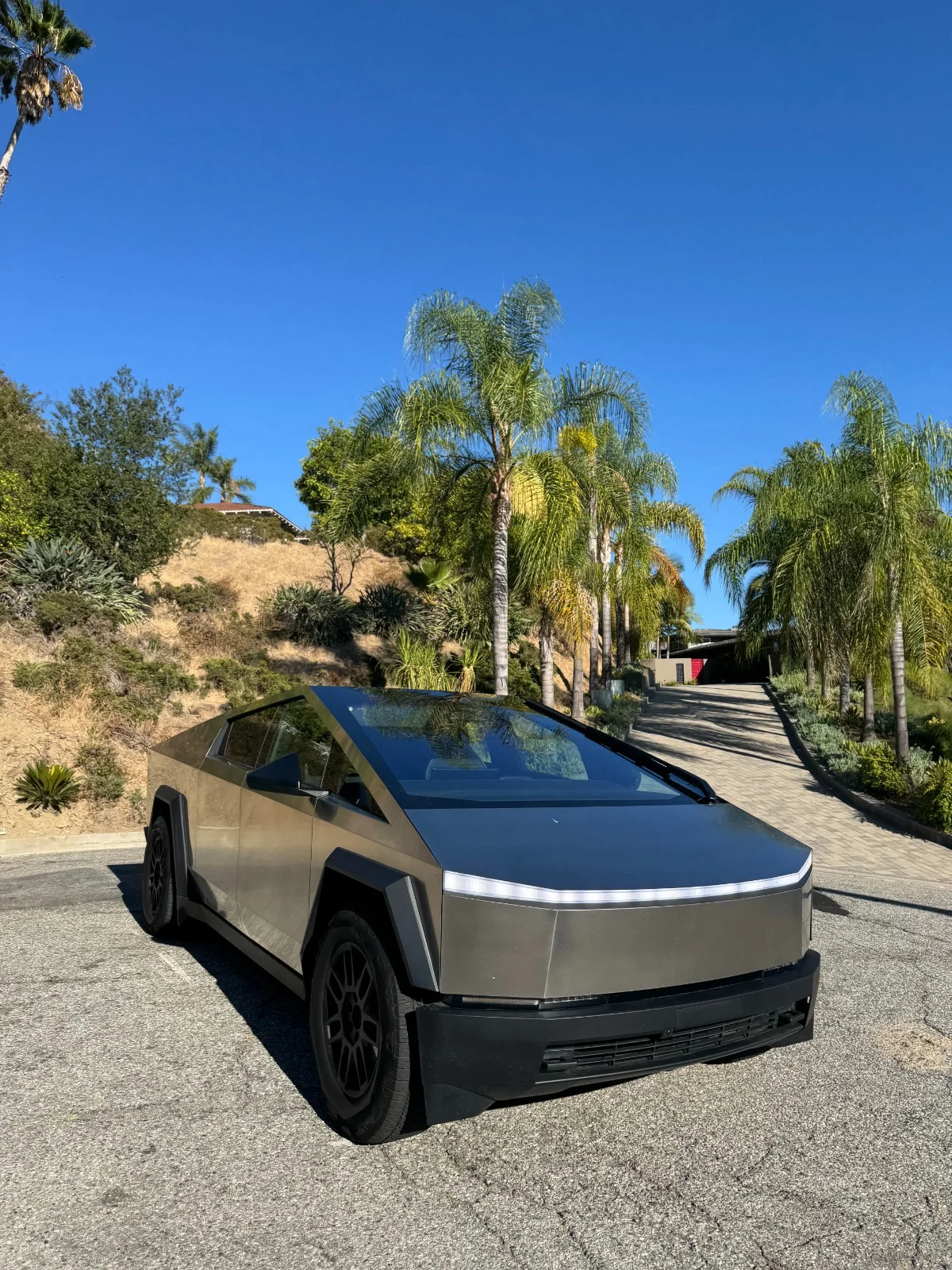
The most interesting part is that FSD is now using the Tesla Cybertruck Cyberbeast’s infinite power a bit more ruthlessly and efficiently.
In the past, it felt wasteful to have all of that torque and power and then use FSD, which drove like a monk.
Now, FSD drives like its non-existent virtual hair is on fire.
It gets better because it now features modes.
And in true Tesla spirit, the names are hilarious: Sloth, Chill, Standard, Hurry, Mad Max.
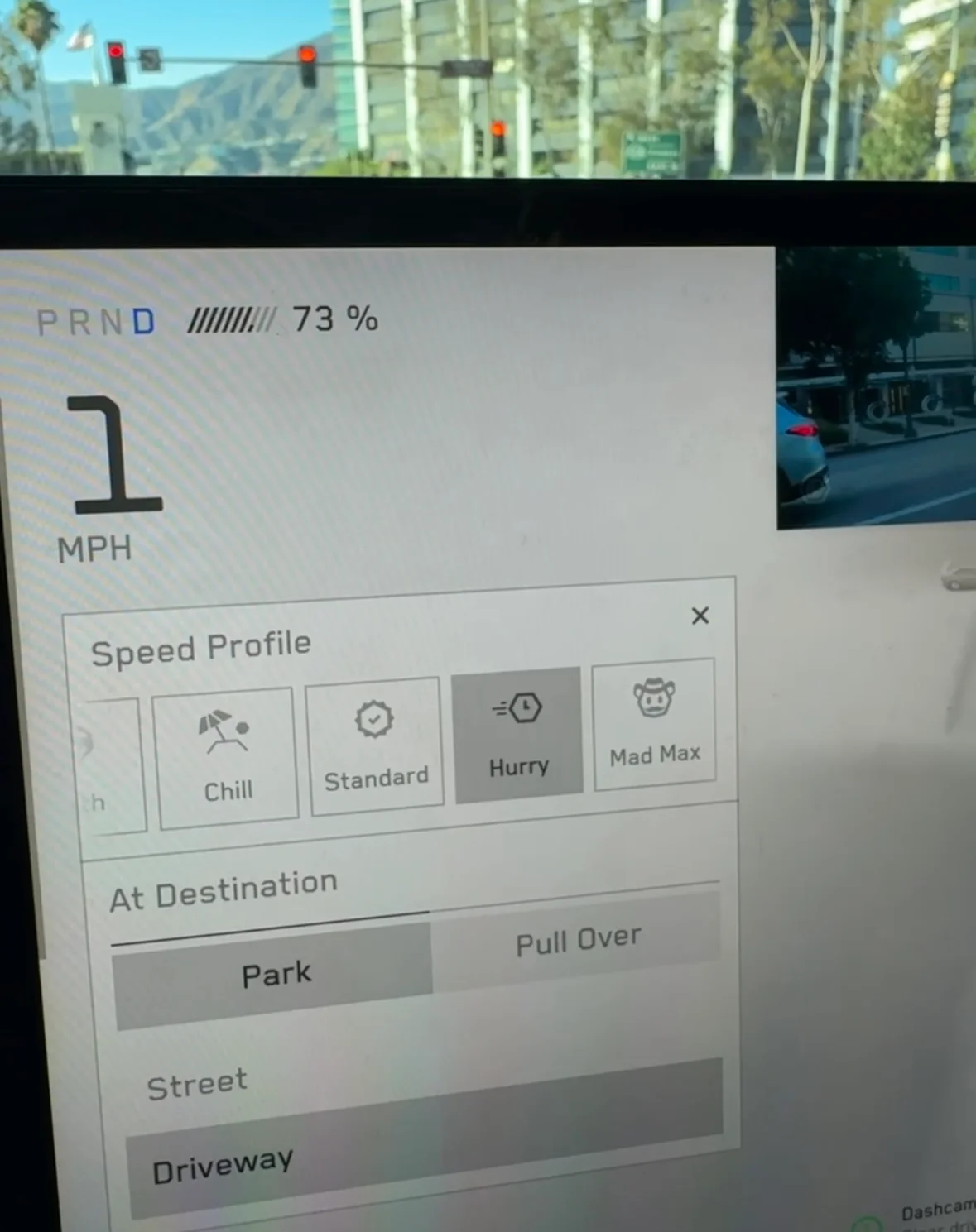
In Sloth mode, it is very, very slow, and changes lanes very cautiously.
In Mad Max, it drives like a maniac and changes lanes like somebody made a $1 million bet you can’t switch between five lanes in less than five seconds.
Long term, we’re going to have to see whether these modes affect safety.
But, so far, self-driving has demonstrably proven to be safer than human drivers.
Statistically, the accident-per-mile ratio is significantly better.
Time will tell.
Alessandro is an automotive journalist with 10 years of experience covering supercars, automotive history, emerging vehicle technology, and luxury transportation. He wrote the first article published on SupercarBlondie.com when the website launched in 2022 and has since built a reputation for insightful reporting across the automotive and transportation industries. His expertise is grounded in hands-on experience. Alessandro has driven every Tesla model ever produced, from the original Roadster to the Cybertruck, and regularly covers the latest developments in electric vehicles and automotive innovation. His passion for transportation extends beyond cars, he has even flown a Boeing 787 Dreamliner simulator in Addis Ababa, Ethiopia. His reporting spans everything from classic American muscle cars and rare automotive discoveries to luxury yachts, private aircraft, high-end watches, and cutting-edge vehicle technology. Known for his deep knowledge of automotive history and ability to uncover the stories behind iconic vehicles, Alessandro brings readers a blend of historical context, technical expertise, and first-hand experience.