Guys race a Tesla Model 3 against a Toyota Camry for 544 miles and then break down the fuel costs and time with results that pique interest
Published on Apr 11, 2026 at 10:34 PM (UTC+4)
by Jason Fan
Last updated on Apr 09, 2026 at 6:29 PM (UTC+4)
Edited by
Amelia Jean Hershman-Jones
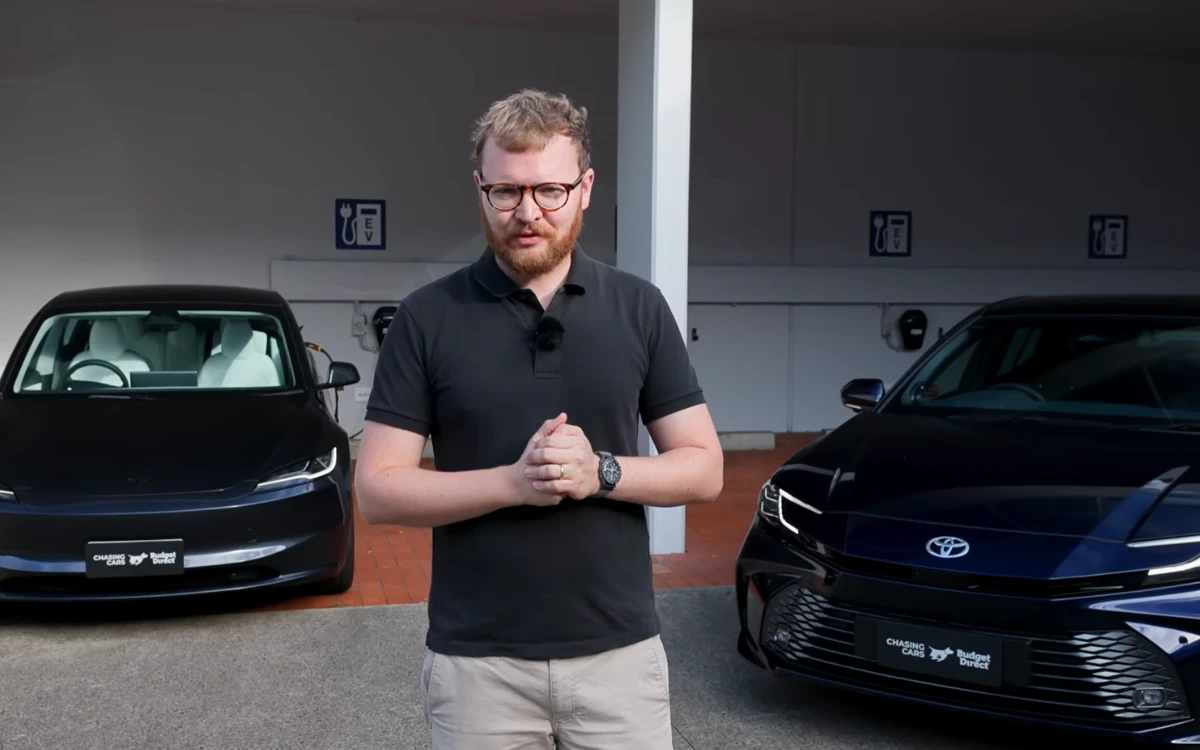

Watching a Tesla Model 3 chase down a Toyota Camry over hundreds of miles made for a surprisingly tense road trip.
On paper, the hybrid should have this comfortably in the bag, especially over a long highway run.
But with EV technology improving rapidly, the gap isn’t nearly as wide as it used to be.
A real-world test between Sydney and Melbourne shows just how close things have become.
The Tesla Model 3 had to be strategic with its charging stops
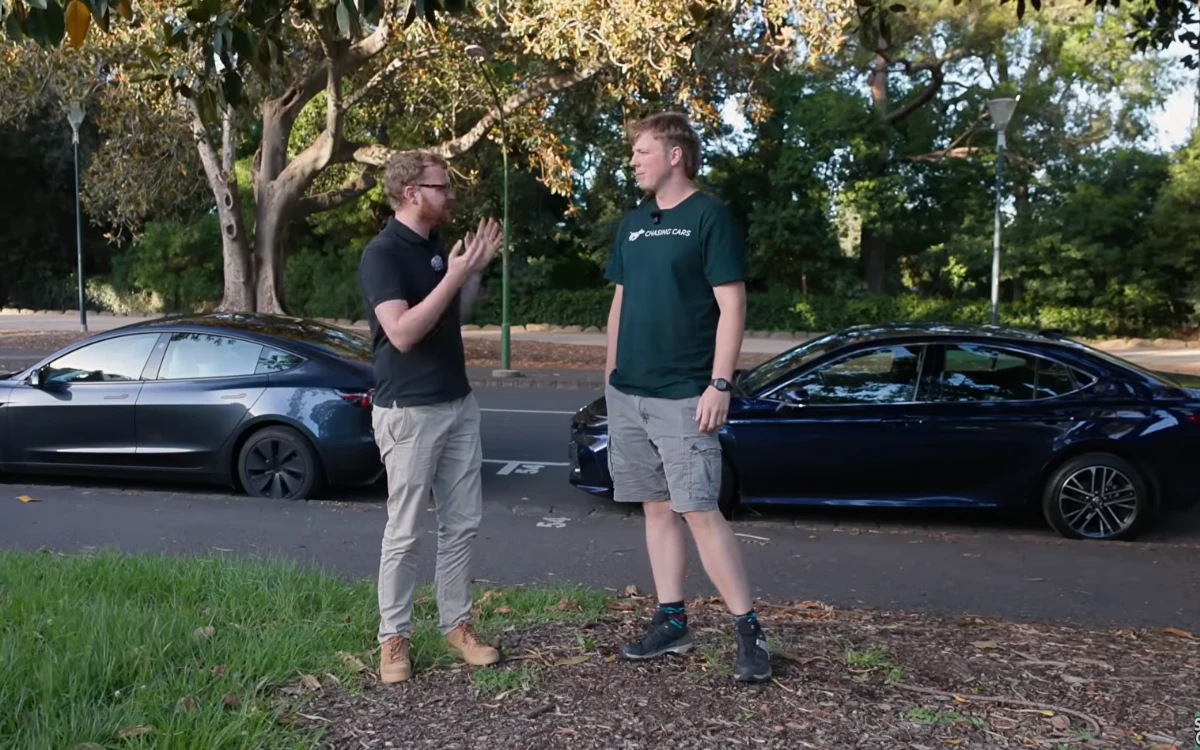
The challenge, set up by Chasing Cars, was simple: drive the most direct 876 km (544-mile) route, obey speed limits, and keep things realistic.
That meant mild air conditioning, cruise control, and only necessary stops.
That sounded simple enough, but these are two very different cars.
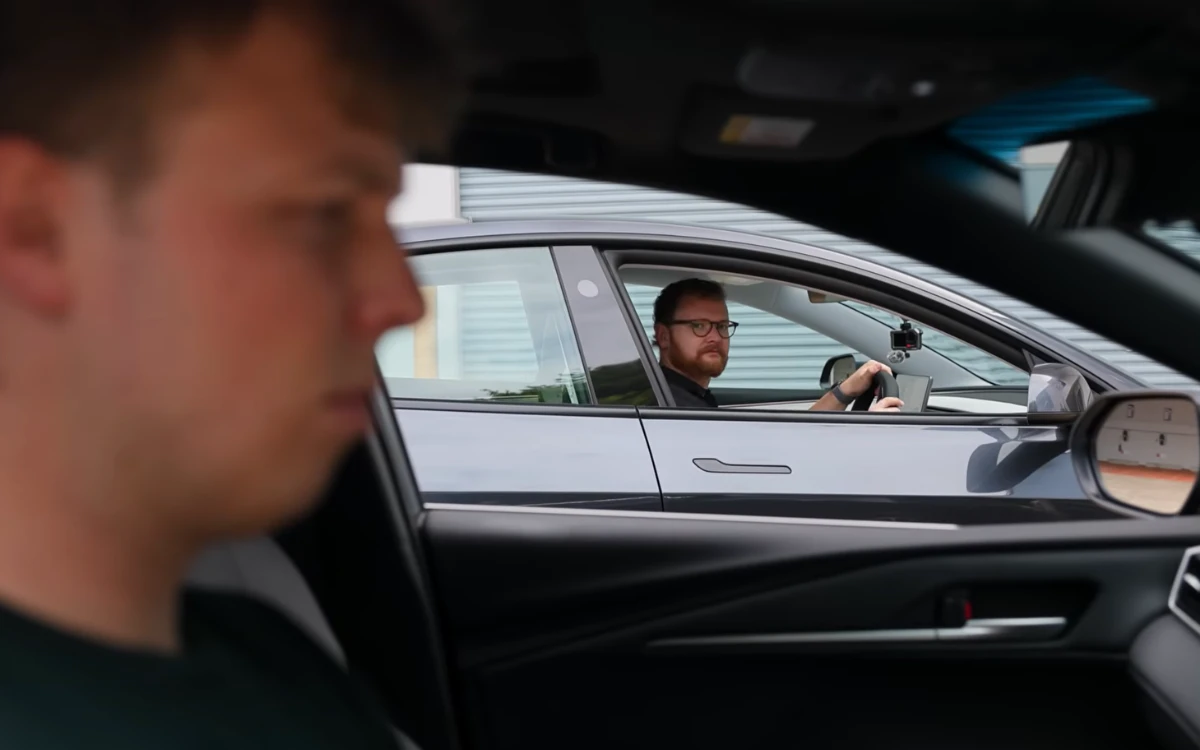
While the Tesla Model 3would rely on carefully planned charging stops, the Toyota Camry aimed to stretch its tank as far as possible.
Early on, the advantage seemed firmly in the Camry’s hands.
With a claimed range that should easily cover the distance, it looked like the kind of car you could just fill up and forget.
Meanwhile, the Tesla’s driver had already committed to two charging stops, each adding precious minutes to the total journey time.
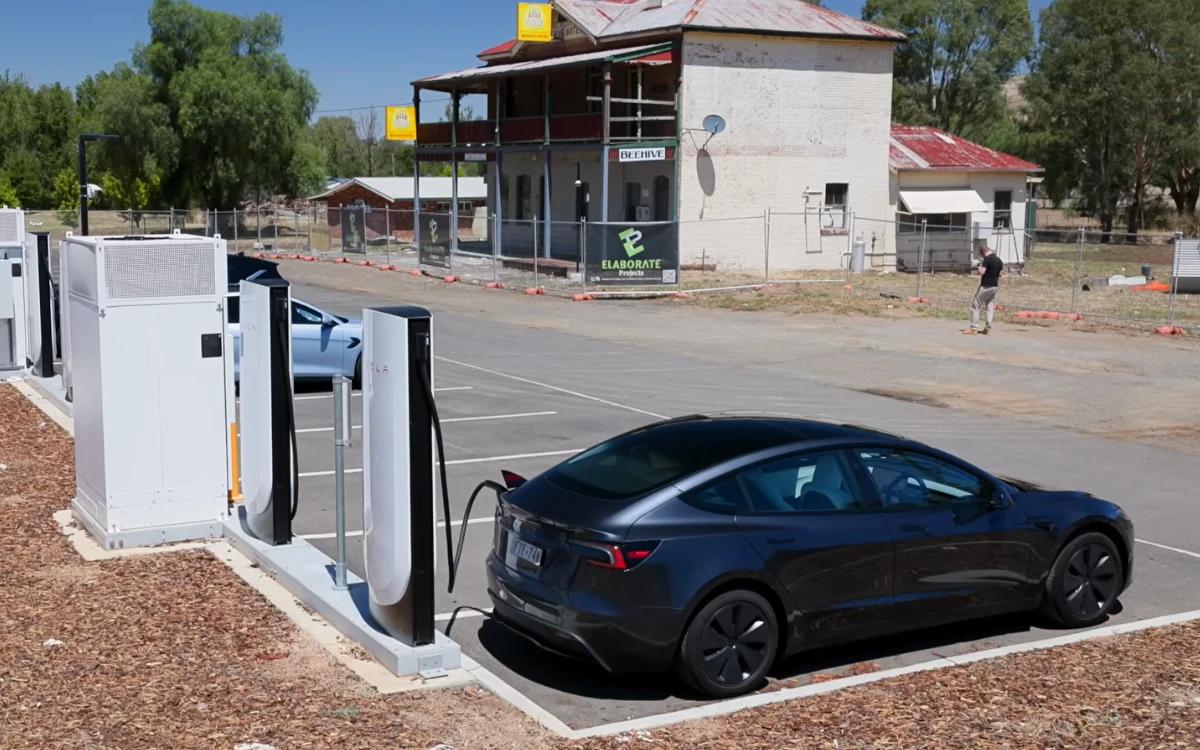
However, road trips are rarely that straightforward.
As the distance ticked by, the Camry’s fuel consumption began creeping higher than expected.
Range estimates started to look less reassuring, forcing its driver to rethink whether skipping a fuel stop was actually realistic.
Suddenly, the margin for error didn’t feel so comfortable.
The Tesla’s approach was completely different.
Using its built-in navigation, it mapped out when and where to charge, keeping the battery in an optimal range for faster top-ups.
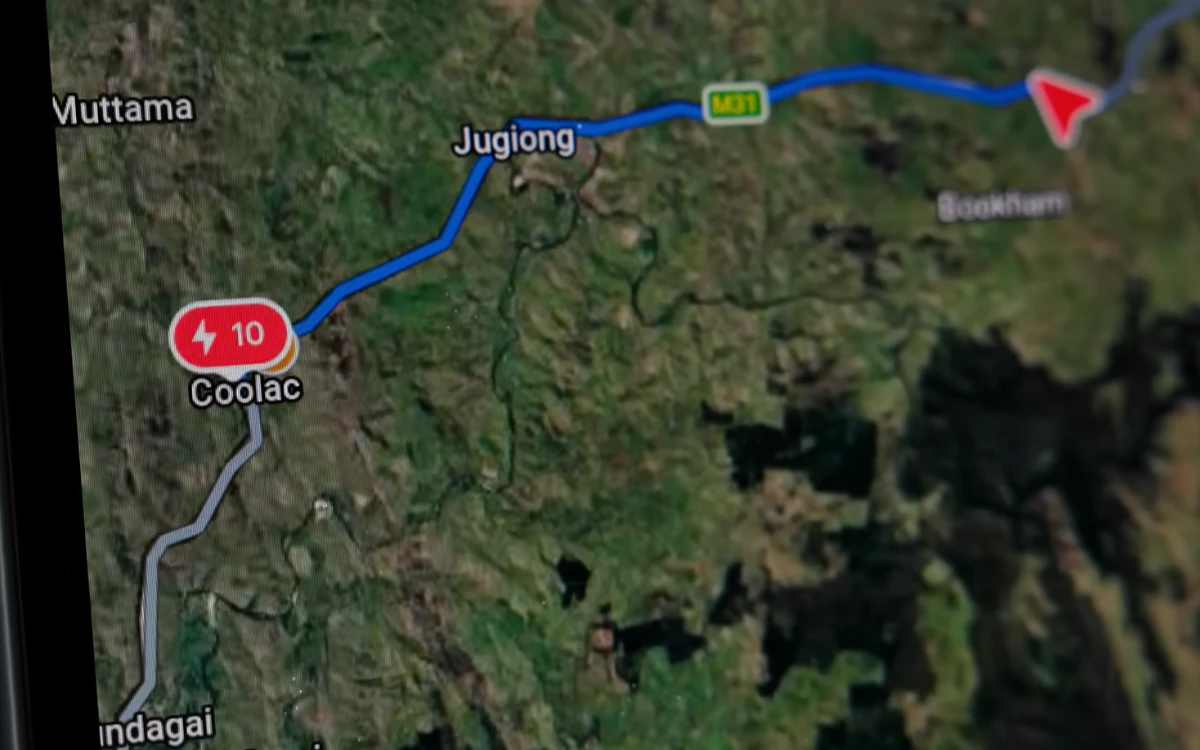
Those short stops only lasted a few minutes each, and had the added benefit of doubling as rest breaks, which was something the Camry driver had to manage separately.
Over time, that subtle advantage began to matter more than expected.
Midway through the journey, the two cars were effectively leapfrogging each other.
One would pull ahead on the highway, only for the other to regain ground during a stop.
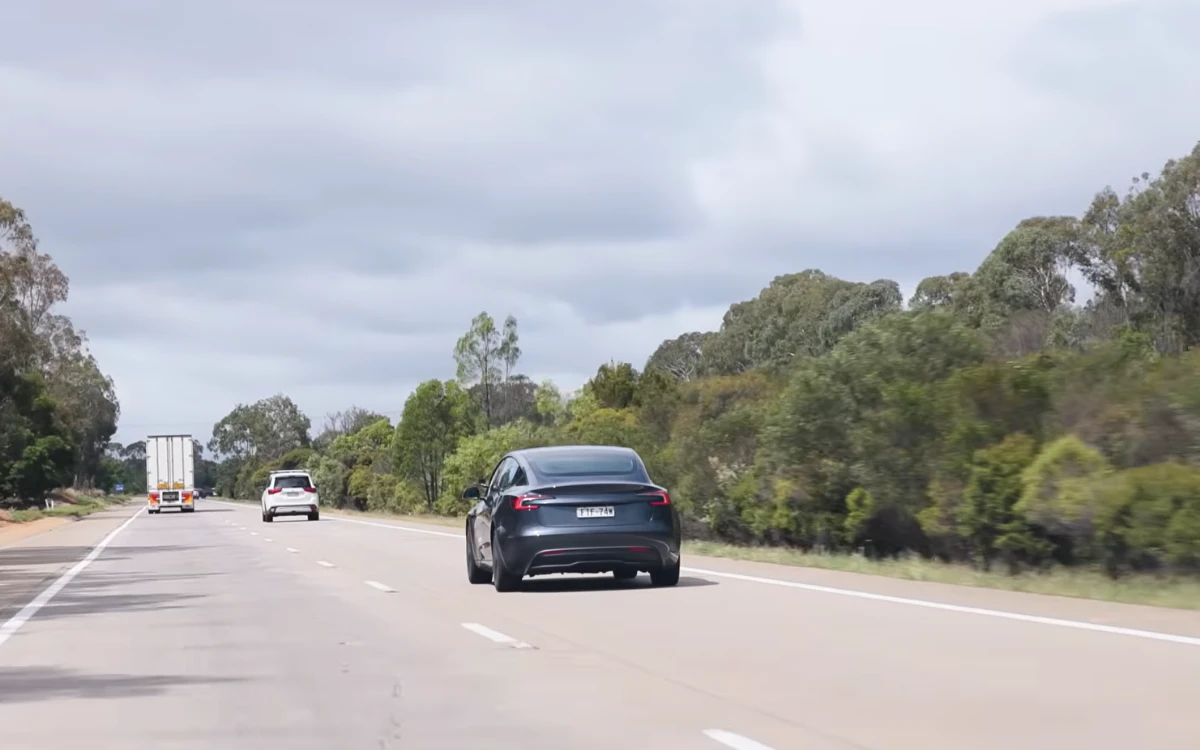
It became less of a straight race, requiring the drivers to strategically balance efficiency, timing, and even bathroom breaks.
The time difference ended up being negligible
As the finish line in Melbourne drew closer, the pressure built.
The Camry’s range situation became increasingly tense, eventually forcing a quick fuel stop that hadn’t been part of the original plan.
It didn’t take more than a few minutes, but in a race this tight, even small delays mattered.
In the end, the result was far closer than most would expect.
The Camry did manage to arrive first, but only just, completing the trip in 9 hours and 32 minutes.
The Tesla followed a mere 9 minutes later, finishing in 9 hours and 41 minutes after its two charging stops.
Then there’s the cost comparison.
At the time of the test, the Tesla’s charging came in between A$65 and A$89 ($45 and $61.50) depending on how it was charged, while the Camry used about A$94 ($65) worth of petrol.
With gas prices rising since then, that difference has only become more noticeable.
The takeaway is clear: modern EVs like the Model 3 have reached the point where long-distance travel is no longer a major disadvantage.
The difference can now be measured in minutes rather than hours, meaning road trips should no longer be off the table for such EVs.
If you want to watch both drivers in action, check out the full video below:

DISCOVER SBX CARS: The global premium car auction platform powered by Supercar Blondie