Man shares how you can find out the real-world range for new and used EVs instead of what dealers tell you
Published on Apr 06, 2026 at 10:21 AM (UTC+4)
by Jason Fan
Last updated on Apr 02, 2026 at 2:09 PM (UTC+4)
Edited by
Emma Matthews
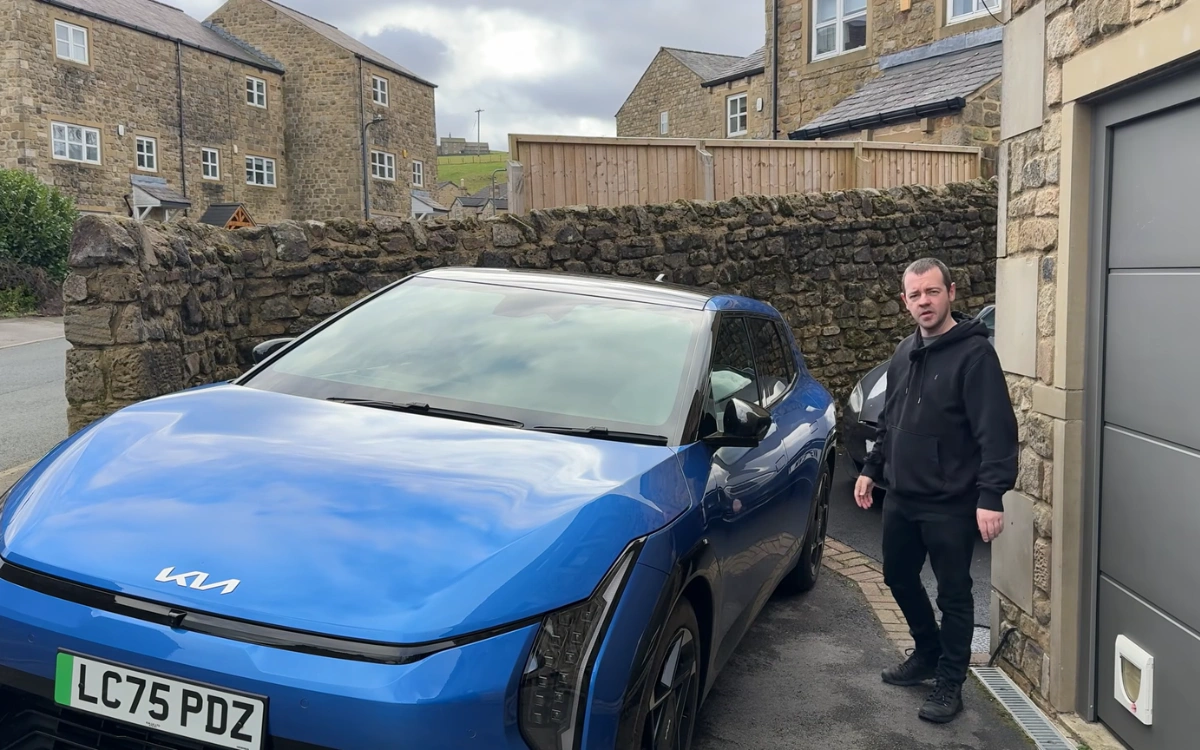

The gap between real-world range in used EVs and their official WLTP range is bigger than most drivers expect.
One YouTuber set out to cut through the confusion with a simple, practical formula anyone could use.
Instead of relying on optimistic lab figures, he broke things down into something far more realistic.
The result was a surprisingly easy way to predict how far an EV would actually go, whether new or well-used.
Click the star icon next to supercarblondie.com in Google Search to stay ahead of the curve on the latest and greatest supercars, hypercars, and ground-breaking technology
The real-world range is never the same as advertised
In his video, YouTuber Electric Vehicle Man explained that official WLTP figures were never meant to reflect everyday driving.
Instead, they existed mainly as a standardized comparison tool for brands and car-buyers alike.
According to him, the first step in finding a realistic range was to ignore that number entirely and then reduce it by around 25 percent.
For example, a car rated at 260 miles would realistically deliver closer to 200 miles in mixed, real-world conditions.
From there, he added another layer that many drivers overlooked: seasonal variation.
Cold weather had a significant impact on battery efficiency, so he suggested knocking off a further 20 percent in winter.
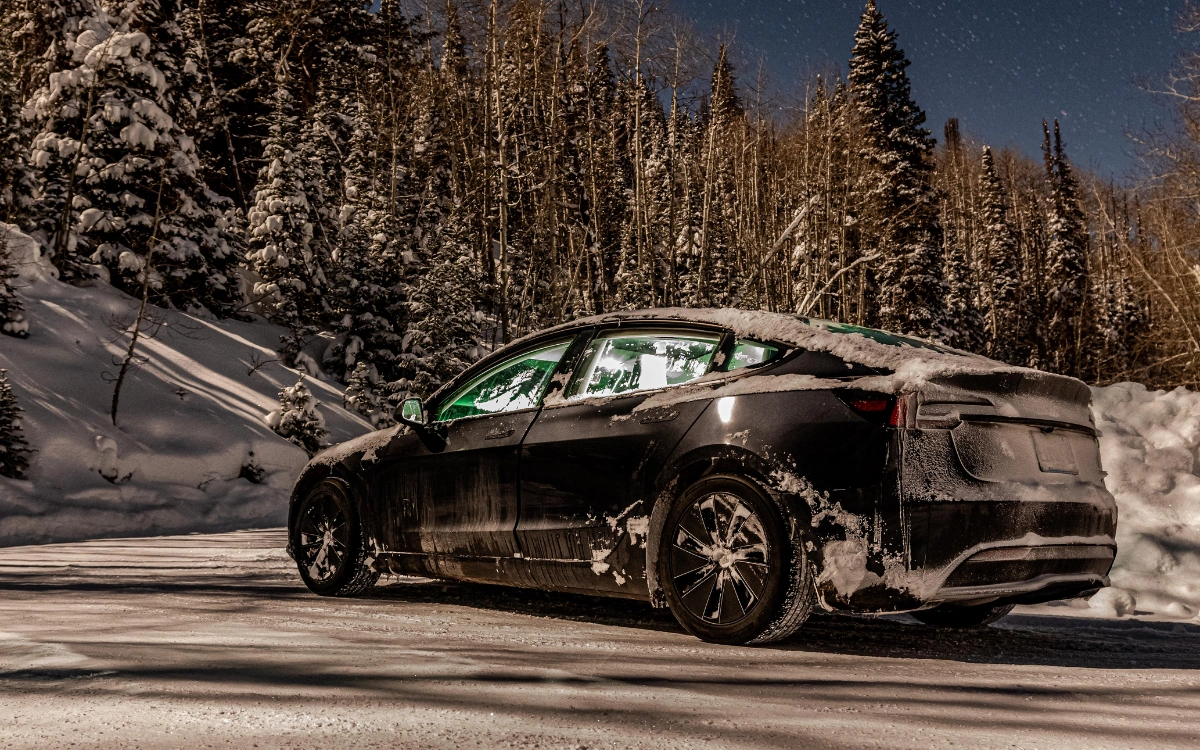
That same 200-mile EV could drop to around 160 miles when temperatures fell.
On the flip side, warmer conditions could boost efficiency, meaning a summer range closer to 240 miles.
EV manufacturers often provide extensive warranties
But what about long-term ownership?
After all, most people grow concerned about battery degradation after owning their EV for a longer period of time.
According to his analysis, modern EVs, especially those built in the last five or six years, performed far better than many people expected.
Early models like the Nissan Leaf lacked proper thermal management, but newer cars benefited from improved battery chemistry and smarter systems.
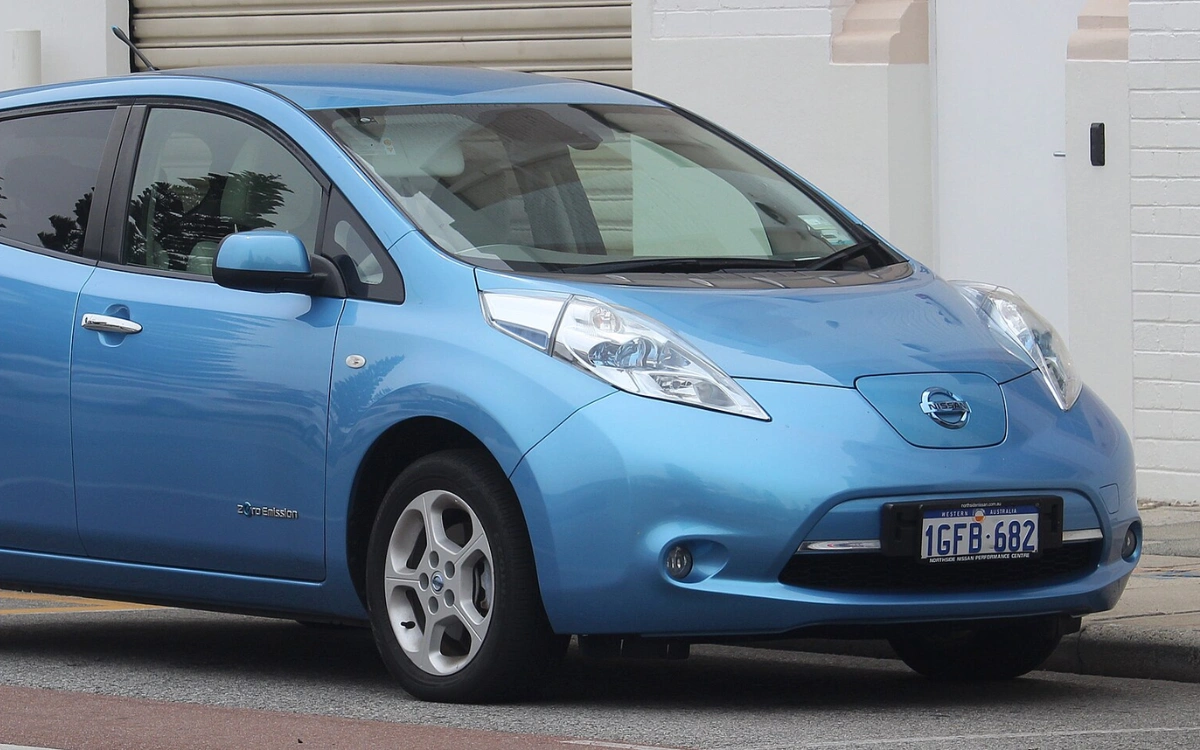
In fact, even the newest Nissan Leaf managed to crack 300 miles in a recent real-world test.
He suggested that most EVs would lose about 10 percent of their battery capacity within the first 20,000 miles.
After that initial drop, degradation slowed significantly, typically decreasing by only around one to two percent per year.
By the time an EV reached 100,000 miles, it might have lost roughly 15 percent of its original usable range.
That meant a 200-mile realistic range would still be around 170 miles, not the dramatic drop many feared.
Importantly, he pointed out that most manufacturers offered battery warranties covering up to eight years or 100,000 miles, usually guaranteeing at least 70 percent capacity.

That safety net added a level of reassurance rarely found in traditional combustion cars.
Ultimately, his method boiled down to three simple steps: reduce WLTP by 25 percent, adjust for weather by plus or minus 20 percent, and factor in gradual degradation over time.

It’s not perfect, but it offered a far clearer picture than any brochure ever could.
If you want to check out his full explanation regarding the real-world range of EVs, you can watch his video below:

DISCOVER SBX CARS: The global premium car auction platform powered by Supercar Blondie