We compared the costs of running a hydrogen Toyota Mirai and a Tesla Model Y and the result will leave you very surprised
Published on Jul 25, 2026 at 1:40 AM (UTC-4)
by Alessandro Renesis
Last updated on Jul 25, 2026 at 1:40 AM (UTC-4)
Edited by
Mason Jones
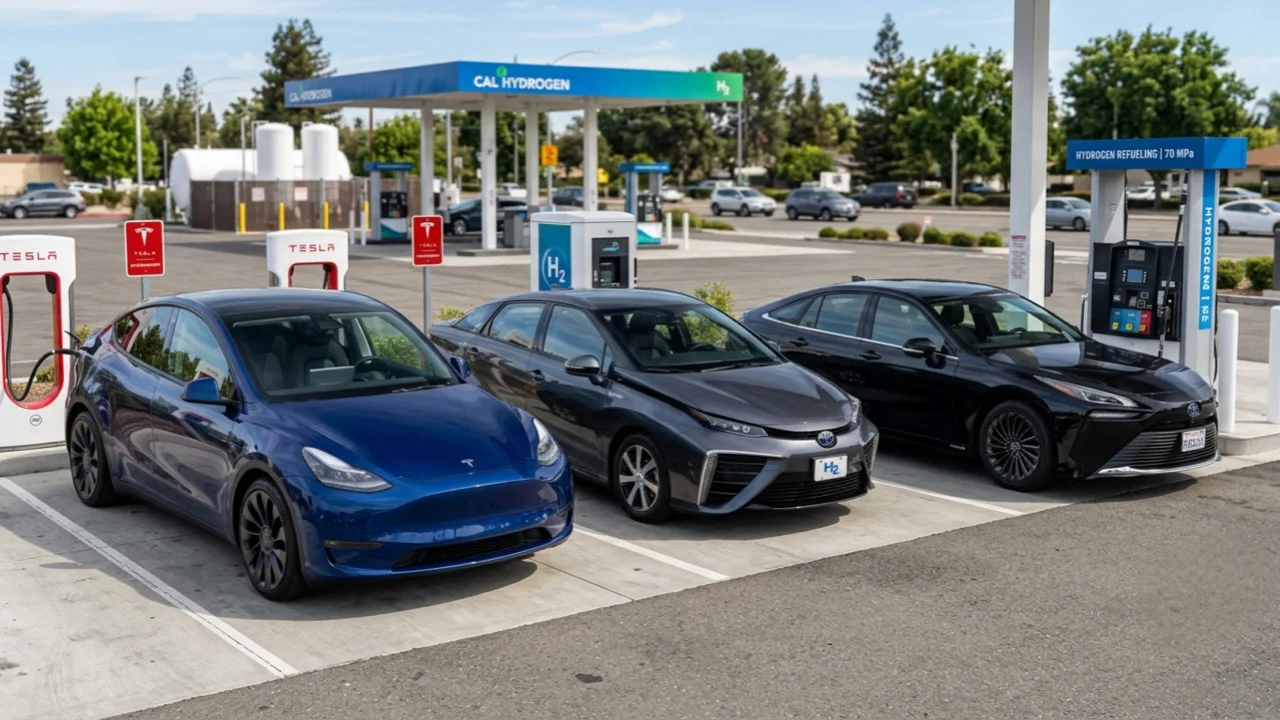

We did the math and tried to answer a question people have been asking about the Toyota Mirai and the Tesla Model Y.
Not only that, while we were at it, we also tried answering another question.
How much better is the second-gen Mirai compared to the first-gen Mirai?
The answer surprised us.
Here’s what we didn’t consider
There are so many differences in terms of MSRP, taxes, tax breaks, and maintenance that we decided to skip all of those factors.
Instead, we considered only one thing: fuel.
Assuming 15,000 miles a year and using the national average in the US, we tried comparing the costs of running a Tesla Model Y and a Toyota Mirai.
Then, we decided to compare the new Mirai to the old one.
It didn’t go as expected.
Related
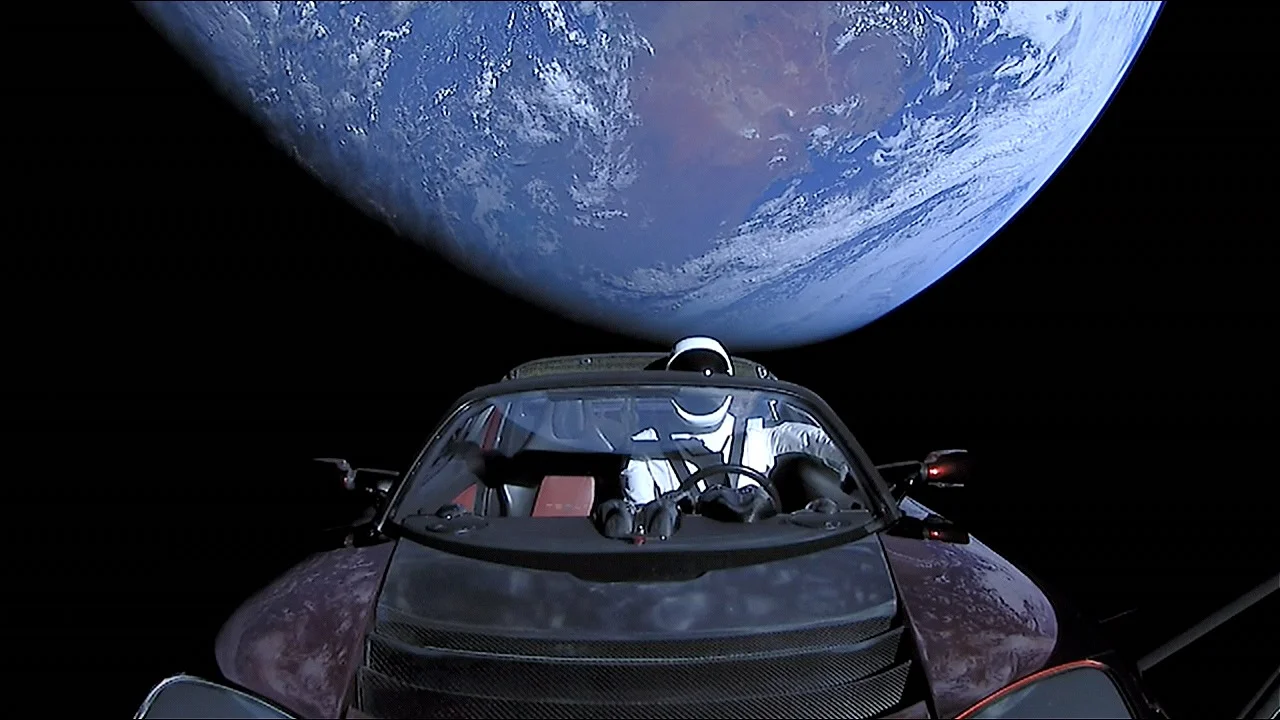
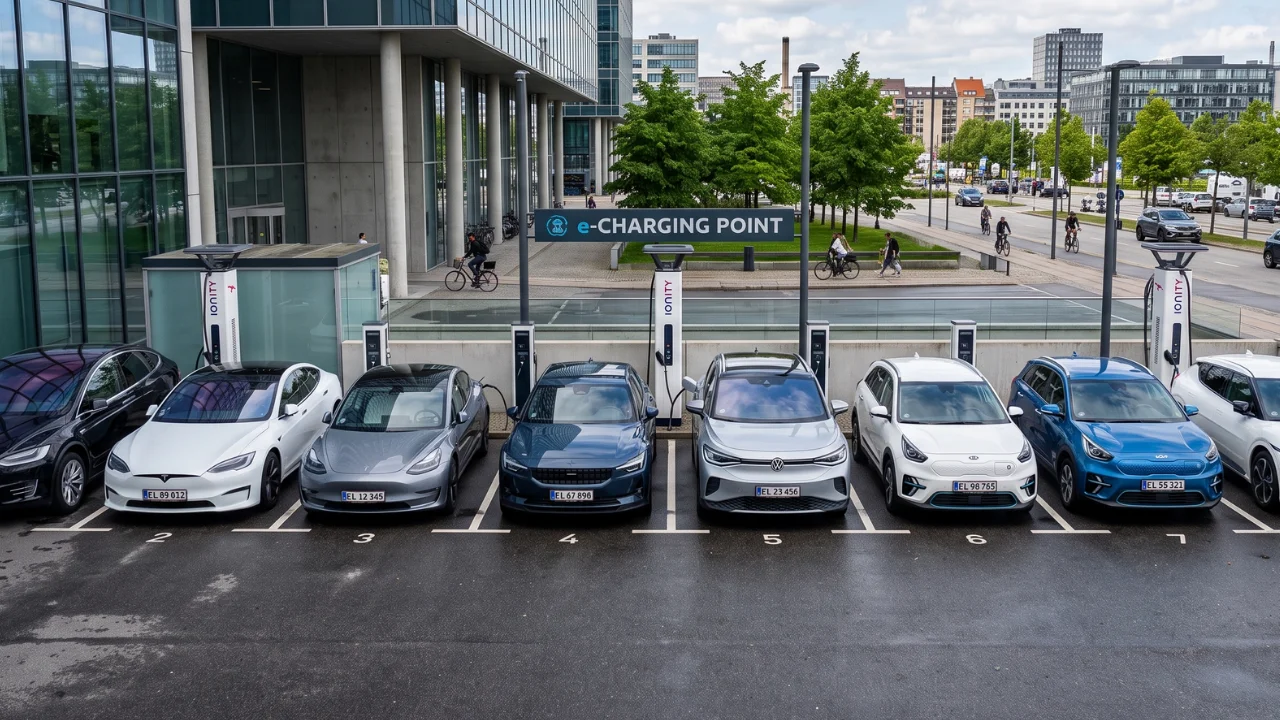
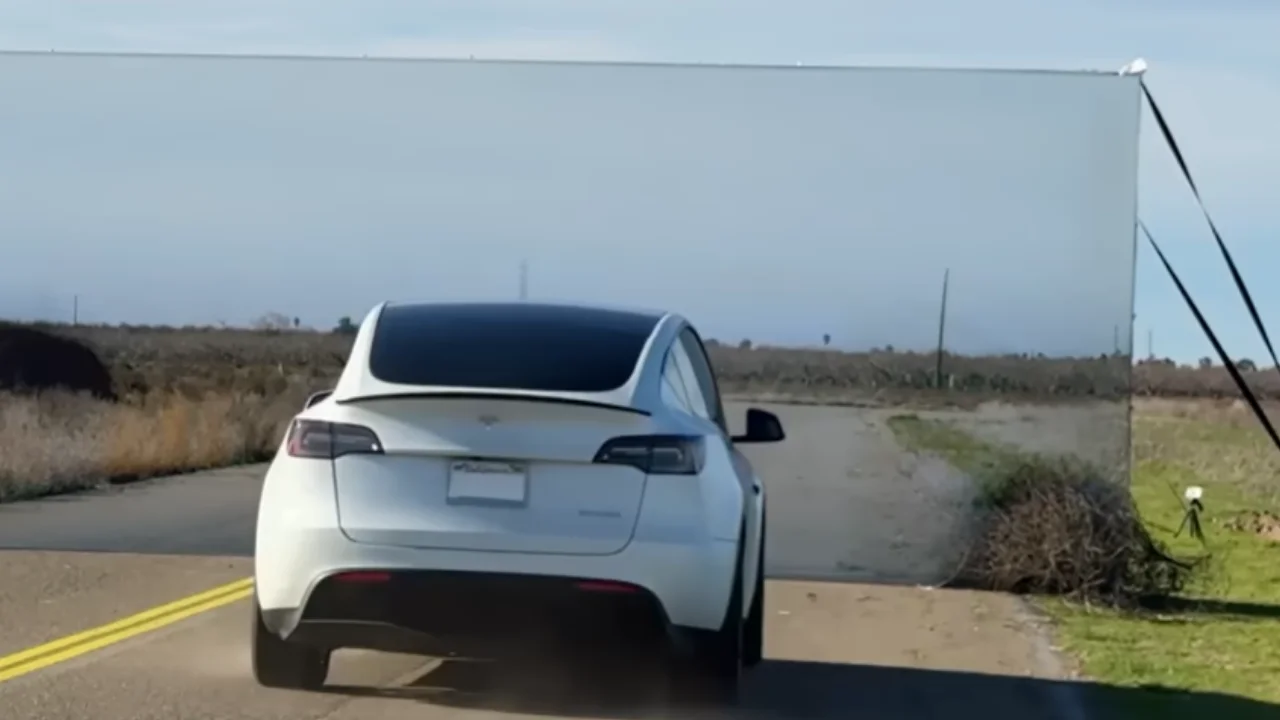
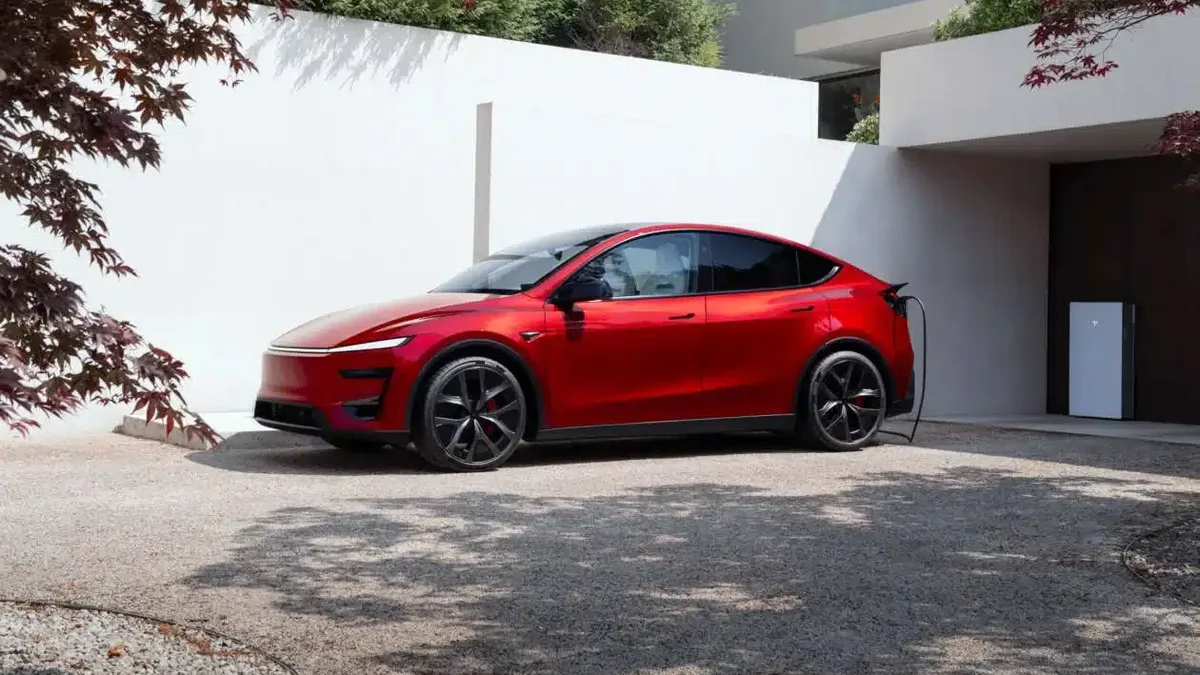
Tesla versus a hydrogen car: which is cheaper?
The key advantage that BEVs (battery electric vehicles) have over FCEV (fuel cell electric vehicle) is the availability of charging points.
Even in the most remote parts of America, you don’t have to go that far to find a charging station.
And of course, if all else fails, you can always charge it at home.
By contrast, installing a specialized hydrogen refueling stations isn’t as easy, and finding a public one might be even harder if not impossible, especially outside of California.
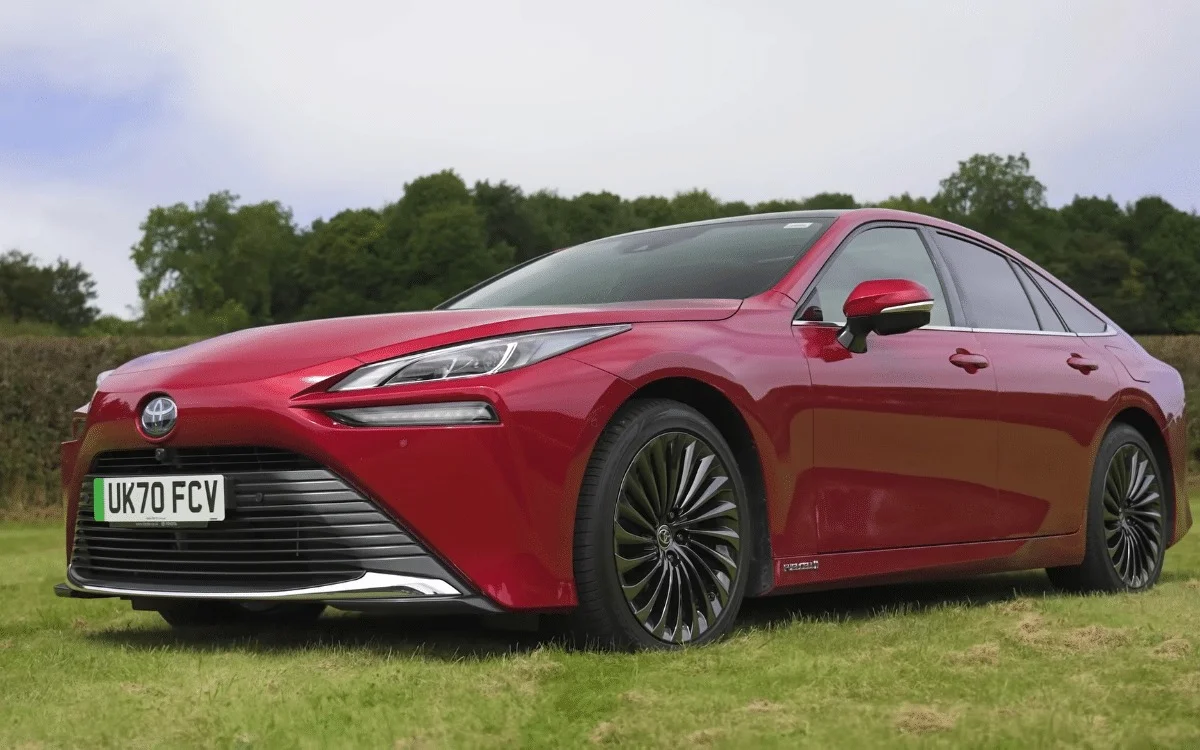
The main advantage of FCEVs, conversely, is the refueling time, which is basically equivalent to filling up a car with gas.
When it comes to costs, the situation is clear.
If you bought a Tesla Model Y exactly a year ago and drove it for 15,000 miles, you’d have spent – on average – around $750-800 in electricity costs charging at home, or $1,500-$1,600 charging at Supercharger.
This is the national average, mind you, so that number may be lower or higher depending on the state.
If you did exactly the same thing with a Toyota Mirai, it’d have cost you around $7,000-$7,200.
It’s not even close.
The new Mirai is more efficient than the old one, but not as much as we think
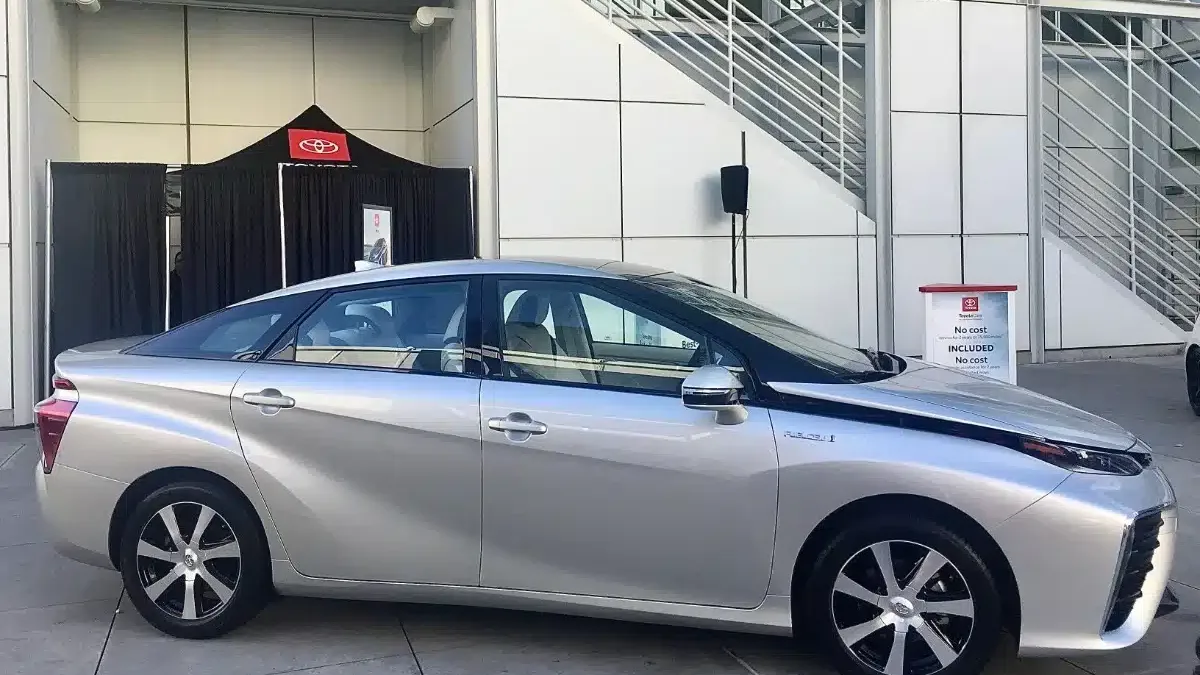
That number is for the new Mirai, the second generation.
The first-generation Mirai was a little more inefficient – 66 MPGe versus 70MPGe – which means it would’ve required around 227 kilograms of hydrogen to cover 15,000 miles instead of 214 kilograms.
As a consequence, covering the same distance in the old Mirai would’ve cost around $7,700.
Ouch.
Alessandro is an automotive journalist with 10 years of experience covering supercars, automotive history, emerging vehicle technology, and luxury transportation. He wrote the first article published on SupercarBlondie.com when the website launched in 2022 and has since built a reputation for insightful reporting across the automotive and transportation industries. His expertise is grounded in hands-on experience. Alessandro has driven every Tesla model ever produced, from the original Roadster to the Cybertruck, and regularly covers the latest developments in electric vehicles and automotive innovation. His passion for transportation extends beyond cars, he has even flown a Boeing 787 Dreamliner simulator in Addis Ababa, Ethiopia. His reporting spans everything from classic American muscle cars and rare automotive discoveries to luxury yachts, private aircraft, high-end watches, and cutting-edge vehicle technology. Known for his deep knowledge of automotive history and ability to uncover the stories behind iconic vehicles, Alessandro brings readers a blend of historical context, technical expertise, and first-hand experience.