How long Japan's record-breaking $20,000,000,000 airport has left before it sinks into the sea
Published on Apr 14, 2026 at 5:48 AM (UTC-4)
by Henry Kelsall
Last updated on Apr 24, 2026 at 5:35 AM (UTC-4)
Edited by
Emma Matthews
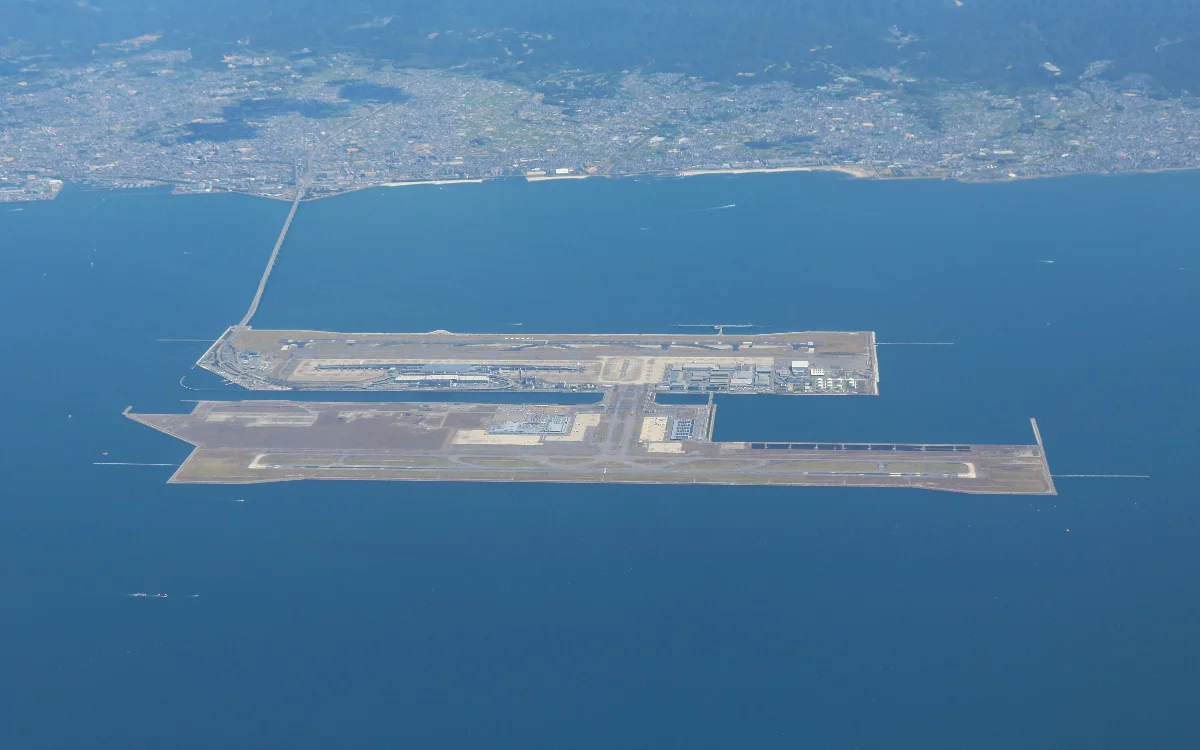

Japan’s record-breaking $20 billion airport, Kansai International Airport, opened in 1994, but it won’t be too long before it sinks into the sea.
Kansai International Airport is one of the wildest in the world, built on its own island, and it serves around 26 million passengers per year.
Yet this impressive location is slowly being swallowed by the ocean, and while that outcome was always inevitable, it’s doing it so much faster than engineers predicted.
At some point, Kansai will have to cease operations or have aircraft land directly in the sea.
This is how they built Kansai International Airport
Kansai International opened in 1994, and in 2025 it saw 169,74 aircraft movements, both arrivals and departures.
It was built to relieve overcrowding at Osaka Itami, and it was constructed in Osaka Bay offshore.
Here’s the thing: Kansai actually began to sink even as it was being constructed.
Construction started in 1987, and in 1990 it had sunk 27 feet, 50 percent more than the 19 feet engineers had expected – and planned for.
$150 million was then spent on strengthening the seawall around it.
Hydraulic jacks with iron plates raised the foundation of the island, built on top of alluvial clay.
In 2008, the sink rate dropped from 19 inches a year in 1994 to just 2.8 inches, which is pretty impressive.
But, engineers have said that it’s still faster than originally anticipated.
If the sink rate increases, there could be real trouble.
Related
This is how long Japan’s record-breaking airport has left
If you are planning on flying into the area within the next week, don’t worry.
Engineers estimate that some sections of the airfield won’t be below sea-level until 2056.
And that’s because, as weight is applied to the location, the clay and silt below compress.
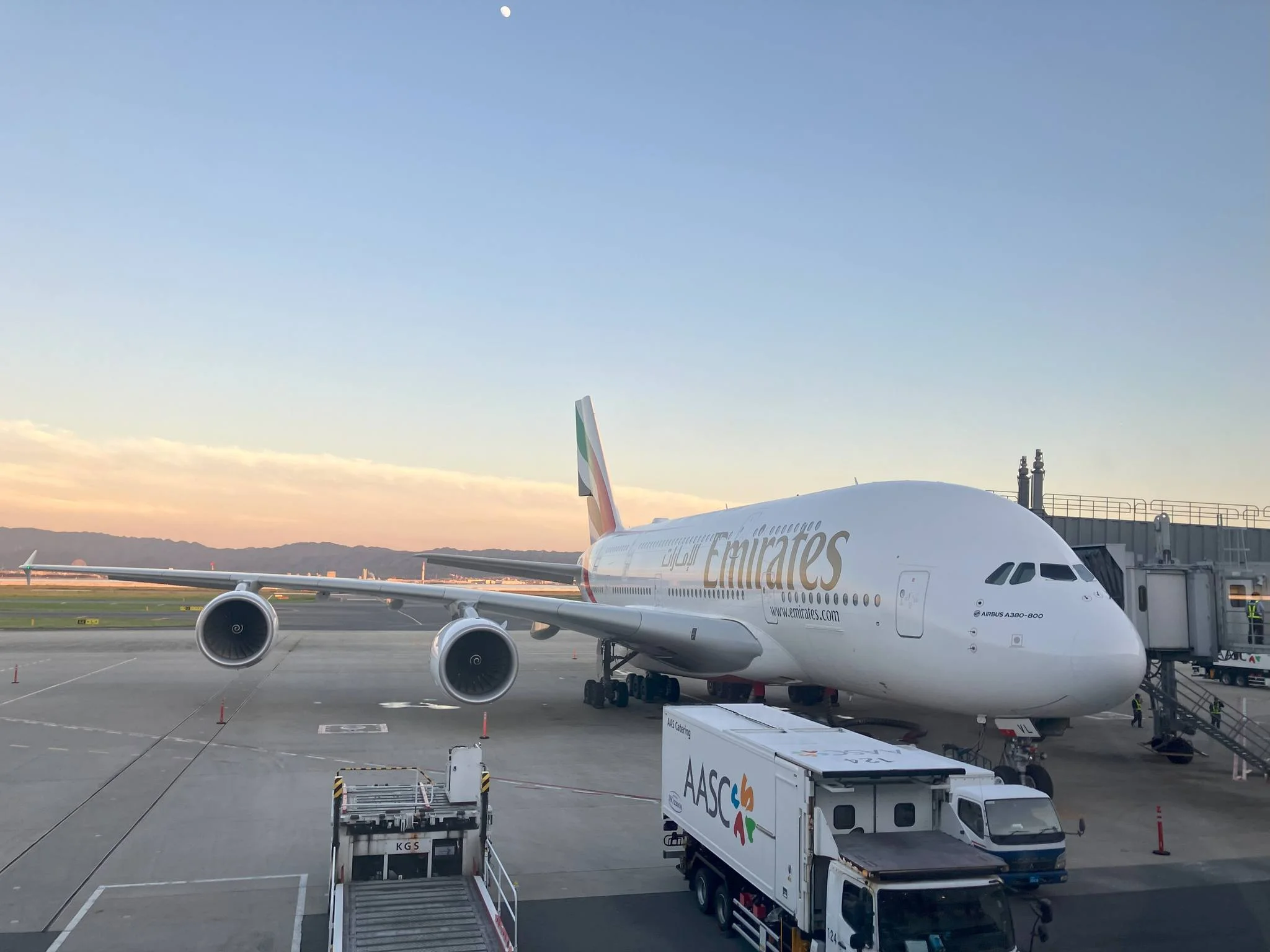
But believe it or not, it’s actually the mass that forms the islands that’s causing the sinking, not the weight of aircraft or terminal buildings themselves.
Understimating the sink rate early in the project has also played a role, and once you factor in environmental events like storm surges and typhoons such as Typhoon Jebi in 2018, it all adds up.
And yet Japan’s sinking airport is still investing in expansion to increase capacity to 40 million passengers a year.
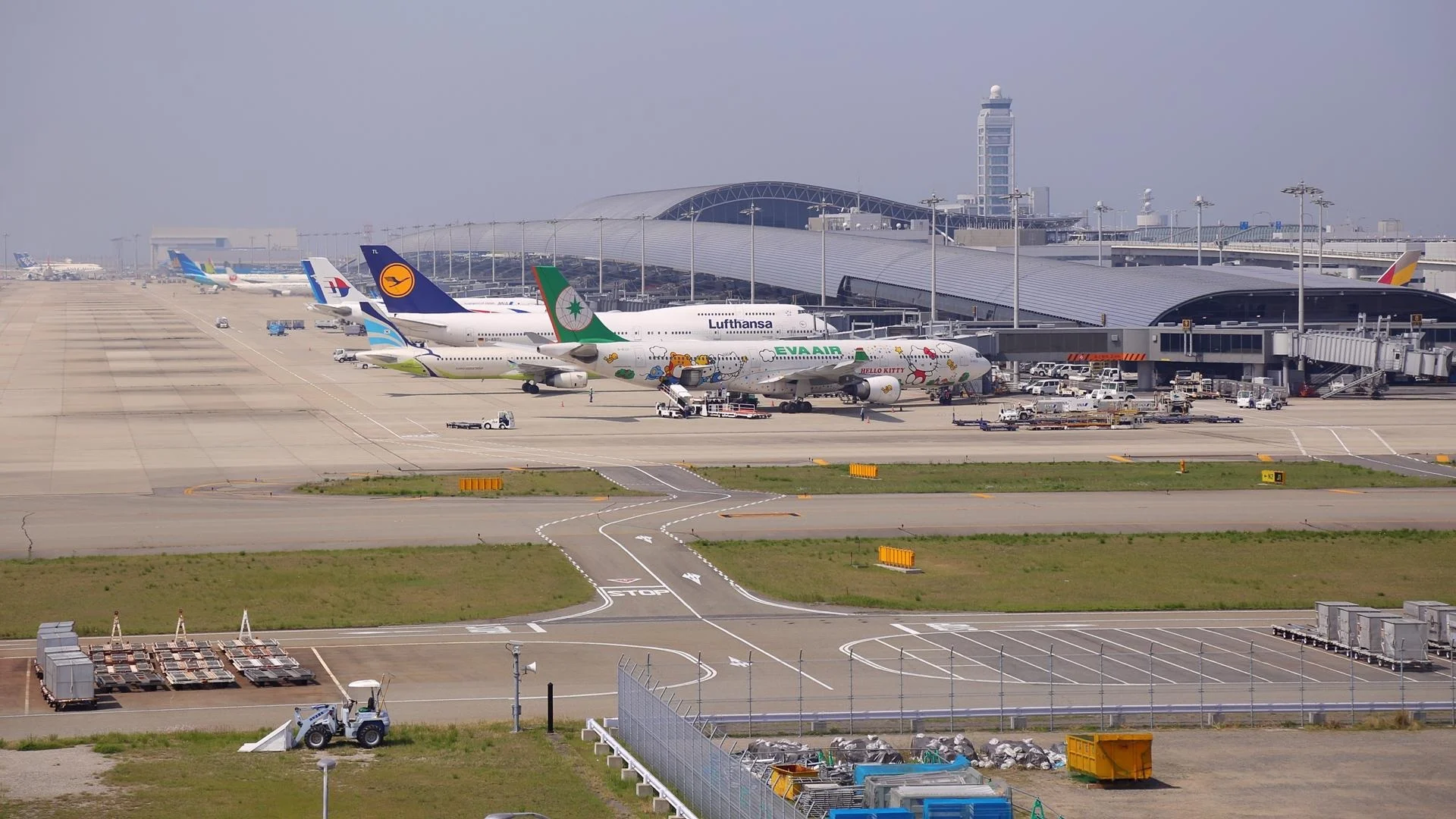
Weird as that sounds, there is the possibility that the sink rate could slow over time as the compression slows down.
Whatever happens, one of the world’s most extreme airports isn’t going to disappear anytime soon.
Just don’t book flights for the summer of 2056 just yet.
Kansai International Airport timeline
1987: Construction officially begins on the massive artificial island in Osaka Bay
1989: The protective seawall surrounding the future airport is finished
1994: Kansai International officially opens to all commercial air traffic
1995: The structure survives the devastating Great Hanshin earthquake with minimal damage
2001: The American Society of Civil Engineers names it a Civil Engineering Monument of the Millennium
2007: A newly constructed second runway opens for expanded flight operations
2012: Terminal 2 opens specifically to accommodate the rapid growth of low-cost carriers
2018: Typhoon Jebi severely floods Kansai, and a tanker damages the only connecting bridge
Henry joined the Supercar Blondie team in February 2025, and since then has covered a wide array of topics ranging from EVs, American barn finds, and the odd Cold War jet. He’s combined his passion for cars with his keen interest in motorsport and his side hustle as a volunteer steam locomotive fireman at a heritage steam railway.