Japan's trailblazing $20,000,000,000 offshore airport could be underwater by 2056 as it keeps sinking at an alarming rate
Published on Nov 21, 2025 at 8:31 AM (UTC-5)
by Daisy Edwards
Last updated on Nov 24, 2025 at 3:19 AM (UTC-5)
Edited by
Emma Matthews
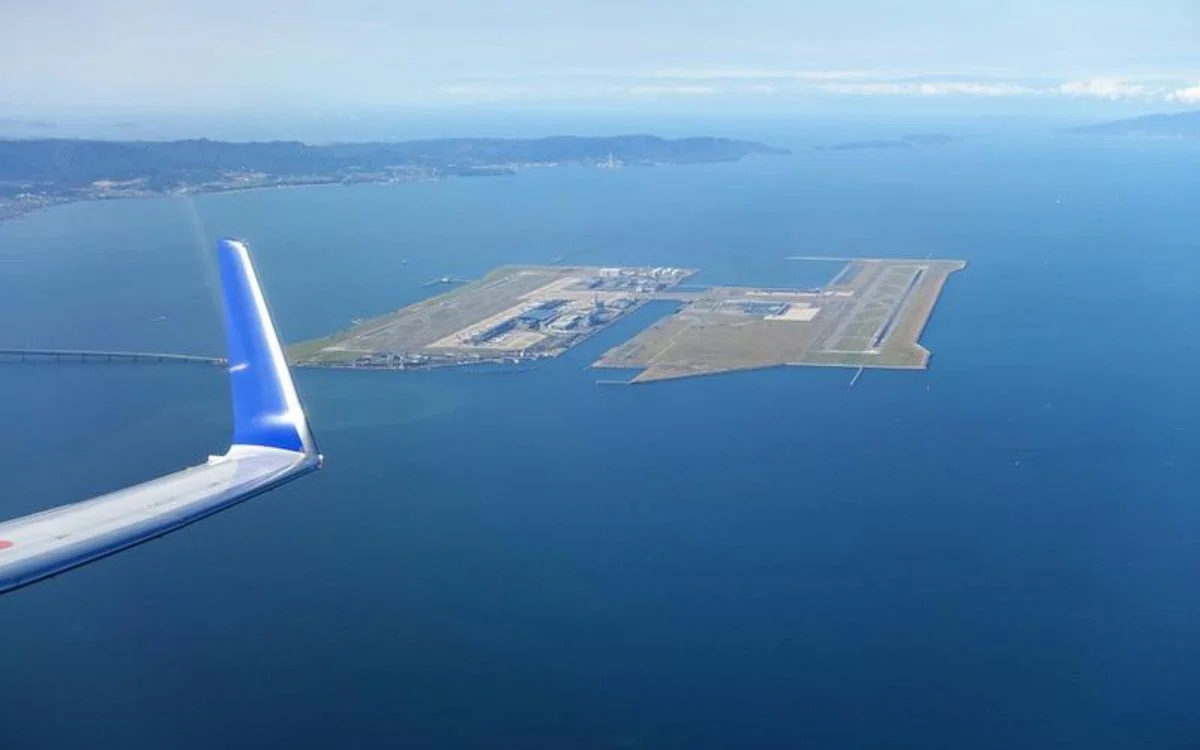

Japan has a trailblazing $20,000,000,000 offshore airport in the middle of the sea, but it could be underwater by 2056 as it keeps sinking at an alarming rate.
Kansai International Airport was once celebrated as one of the greatest engineering feats on the planet.
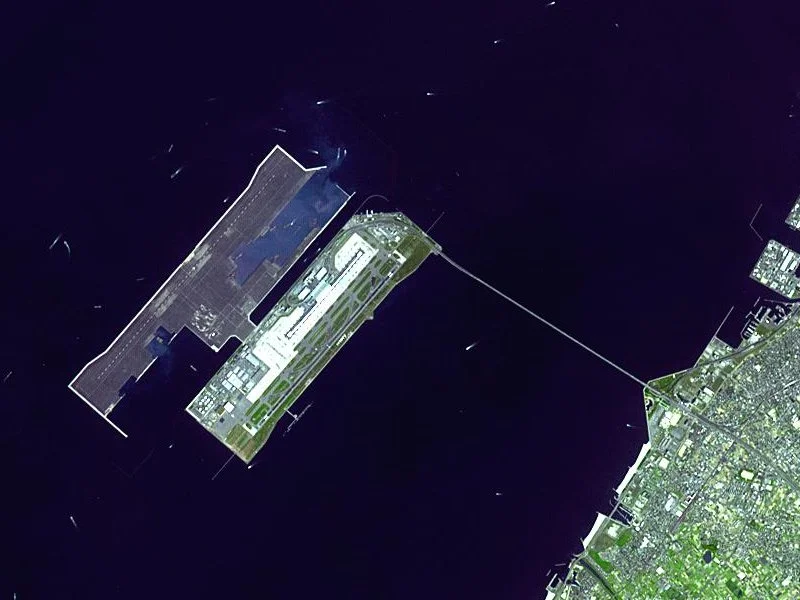
Built on artificial islands in Osaka Bay, it pushed the boundaries of what an airport could be, and showed what it’s like to build in the sea.
Three decades later, that innovation is colliding with a dangerous reality.
EXPLORE SBX CARS – Supercar auctions starting soon powered by Supercar Blondie
Japan’s offshore airport could be underwater by 2056
Japan has an offshore airport full of airplanes located in Osaka Bay, called Kansai International Airport.
The airport was designed to settle slowly, but the seafloor beneath it sank far faster than anyone predicted.
Engineers expected around eight meters of subsidence over 50 years, but instead, more than 12 meters disappeared in just a few years.
The soft clay foundation beneath the artificial islands compressed like a sponge under the airport’s immense weight, and even advanced safeguards couldn’t stop the drop.
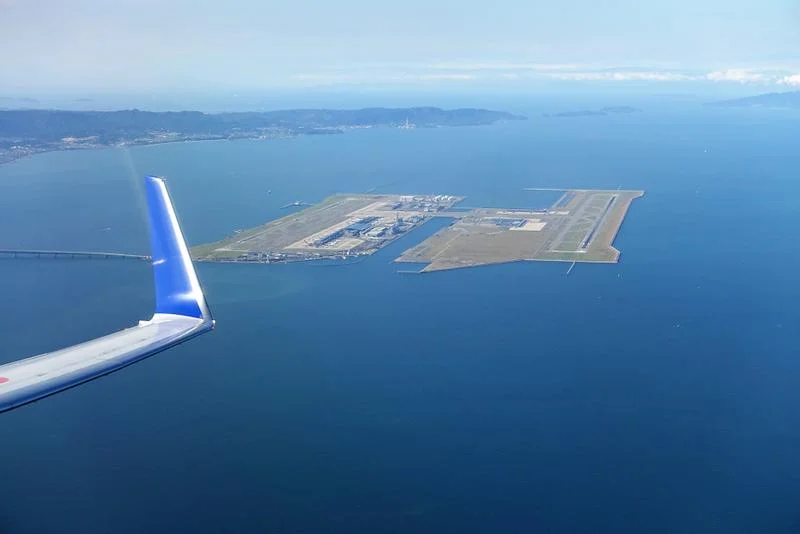
Construction teams installed 2.2 million vertical sand drains to force water out of the clay, but the sinking continued at an alarming speed.
At one point, the airport was dropping almost 19 inches, or 50 centimeters, every year.
Around $150 million went into reinforcing seawalls and lifting structures with hydraulic jacks, and that slowed the lowering to roughly 4 inches, or 10 centimeters, annually.
Even so, uneven sinking creates new stresses across the runways and terminals every year.
Related

It was so innovative, but it’s sinking at an alarming rate
Engineers warn that if current trends continue, parts of Kansai could fall below sea level by 2056.
That would put one of Japan’s most important international hubs at risk of becoming the Atlantis of airports.
Millions of passengers rely on the airport each year, and even small shifts in its foundations can trigger major issues.
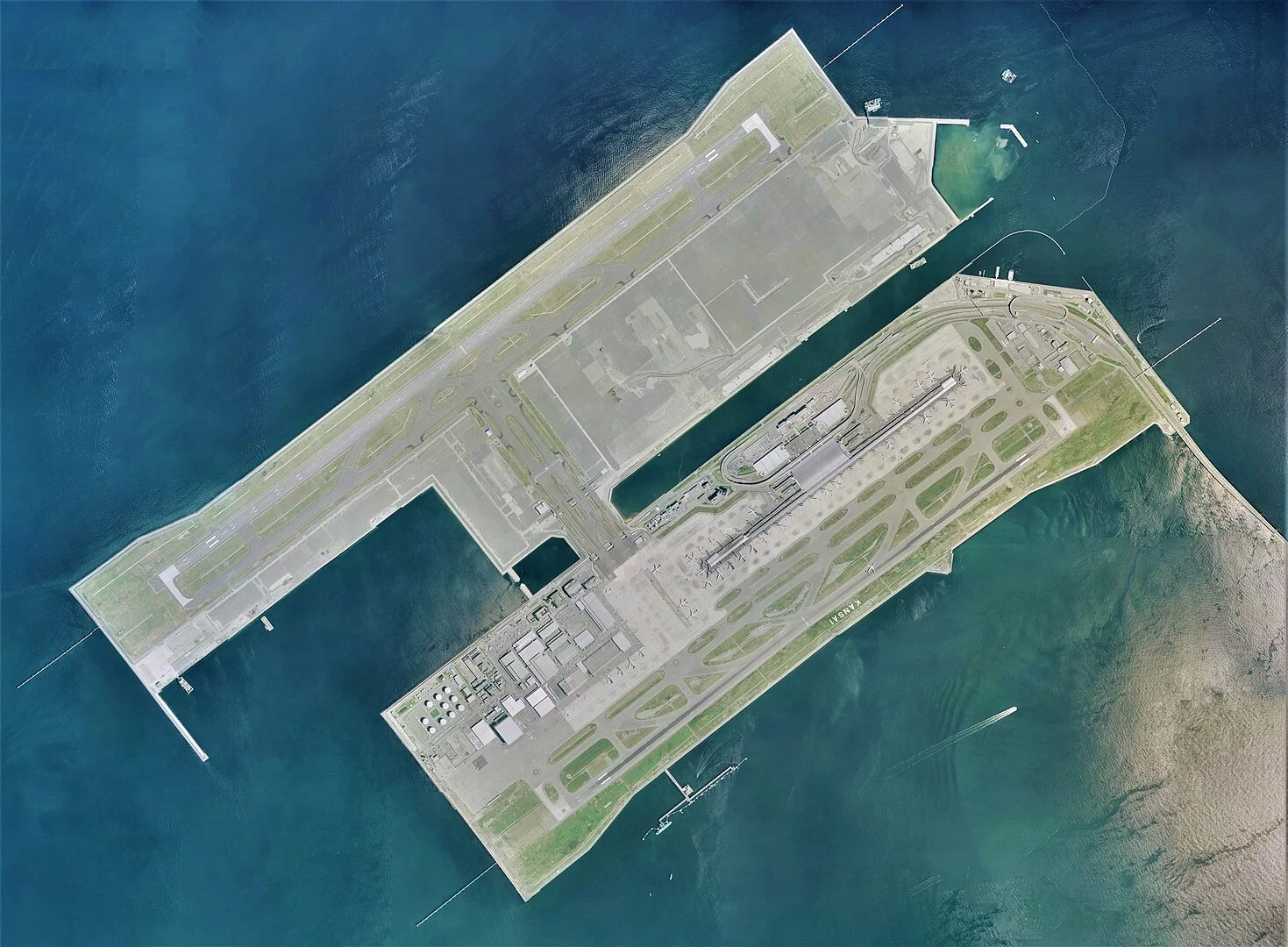
For now, Kansai remains fully operational, but the fight to keep it above water is constant.
What was once a landmark achievement in offshore building is now a stressful race against time.
Daisy is a technology and automotive journalist covering artificial intelligence, consumer tech, Apple news, cryptocurrency, emerging technologies, and transportation innovation. Since joining the team in 2025, she has reported on everything from AI-powered startups and major iOS updates to viral car stories and the latest developments shaping transportation and the digital economy. Drawing on her background in automotive journalism and a degree in History and Journalism from Goldsmiths, University of London, Daisy specializes in breaking down complex topics into clear, engaging reporting for a global audience. Her work spans cutting-edge technology, innovative vehicles, and the people driving change across both industries. Daisy has gained first-hand access to some of the world's most talked-about technologies and innovators, including meeting Tesla's Optimus humanoid robot during its first European appearance in London. She has also discussed the future of space exploration with an astronaut, bringing unique insights and real-world perspectives to her coverage of emerging technology.