This Jeep Grand Cherokee SUV was modified so it could rise to nearly 9ft high and drive over traffic rather than sit in a jam
Published on Sep 14, 2026 at 4:04 PM (UTC-4)
by Daisy Edwards
Last updated on Sep 14, 2026 at 4:04 PM (UTC-4)
Edited by
Mason Jones
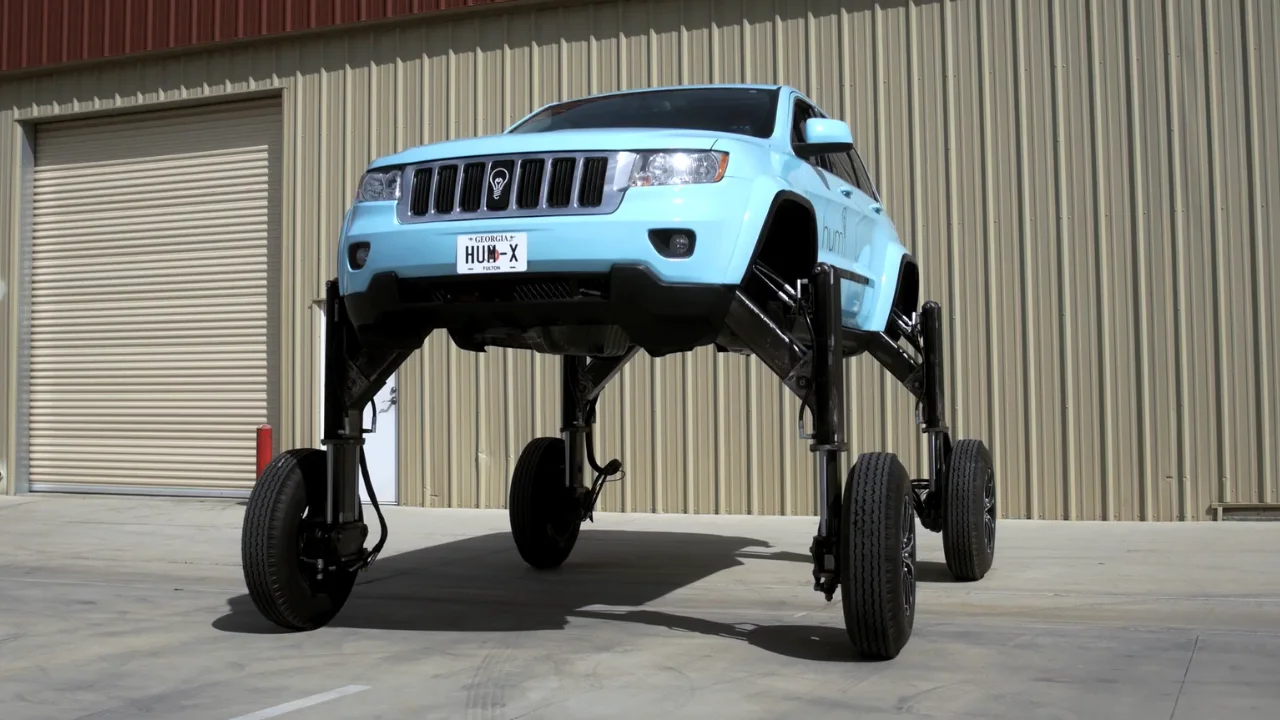

Traffic jams are one of those unavoidable parts of driving that can turn even a short journey into a frustrating crawl, but this Jeep SUV doesn’t suffer from the same issues.
But this bizarre Jeep Grand Cherokee had a very different solution – instead of waiting for the cars ahead to move, it simply climbed over them.
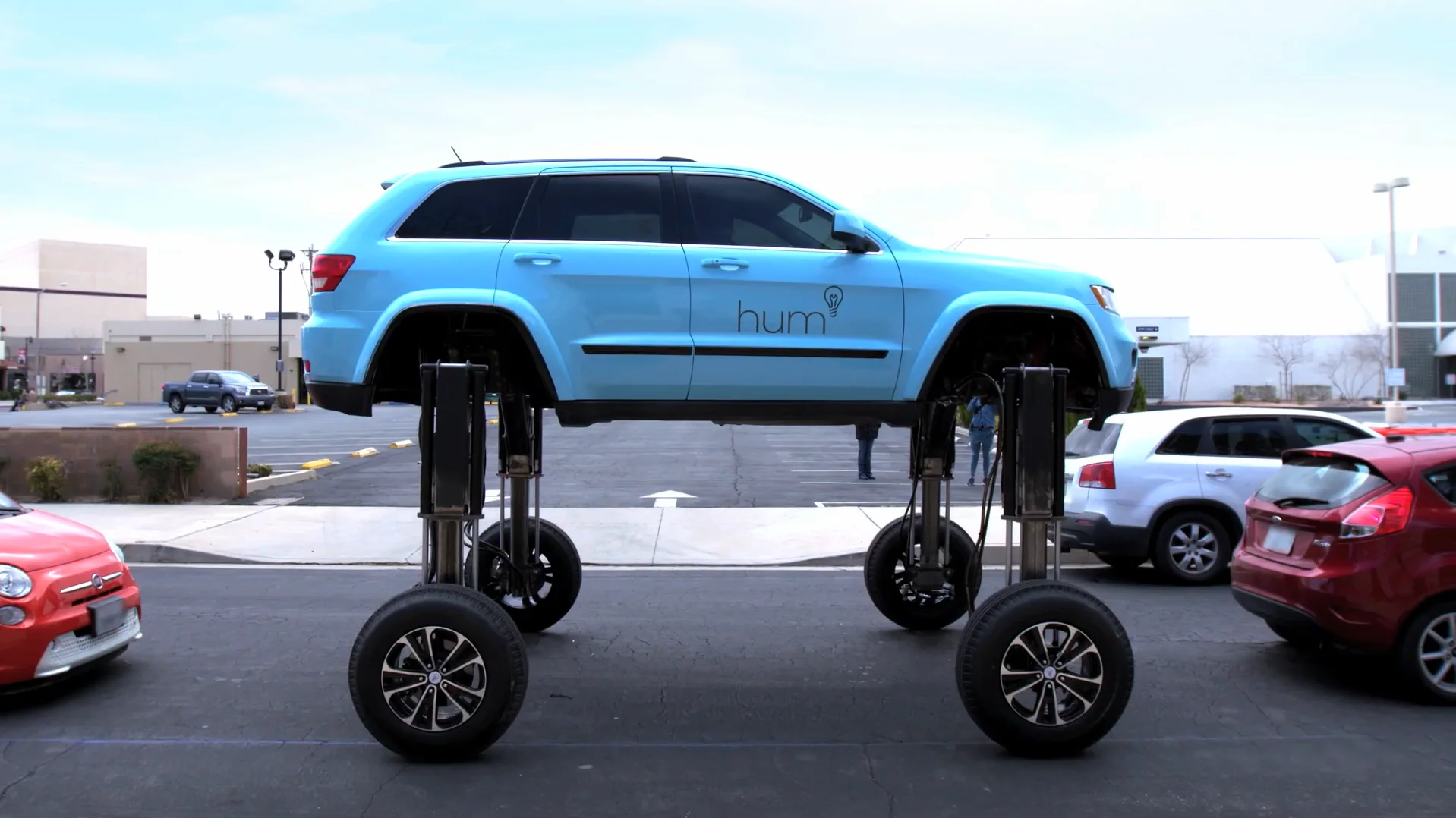
Called the Hum Rider, the one-off SUV could hydraulically lift itself to nearly 9 feet high and widen its wheelbase at the same time.
And remarkably, it was a real, functioning vehicle rather than a prop from a movie.
The Jeep could literally rise above traffic
The Hum Rider was created in 2017 as a promotional stunt car for Verizon’s Hum connected-car service, with marketing company Thinkmodo working with special-effects specialists A2Zfx to bring the wild idea to life.
At the push of a button, hydraulic arms extended from underneath the Jeep Grand Cherokee, pushing the wheels outward and lifting the body high into the air.
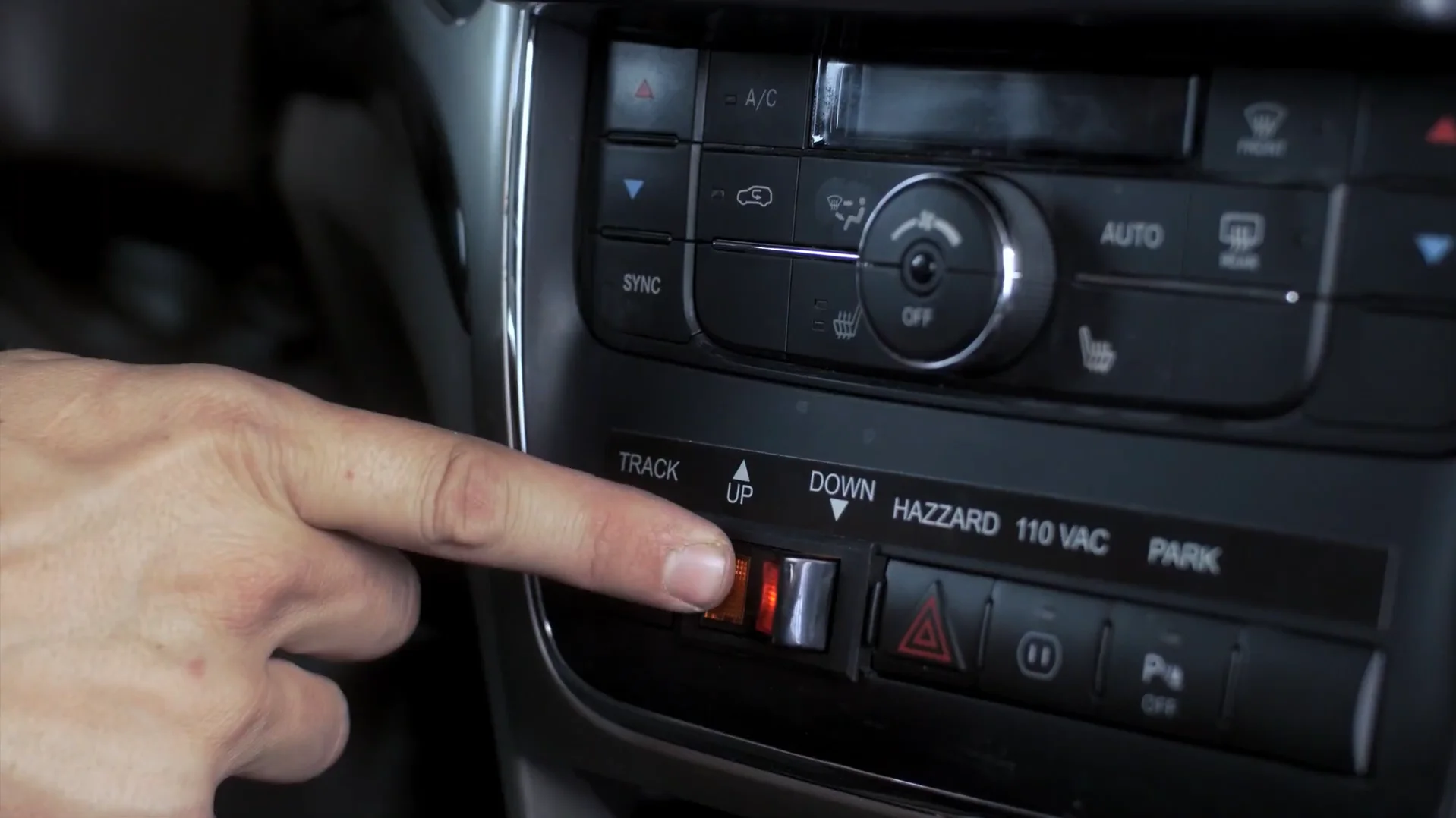
Once fully raised, the Grand Cherokee stood more than 9 feet tall – enough to clear the roofs of the ordinary cars trapped in the staged traffic jam.
The video showed the elevated Jeep driving over several stationary vehicles before lowering itself back down and carrying on.
The system used more than 300 feet of hydraulic lines, with a gas-powered Honda generator supplying the power needed to run the hydraulic pumps.
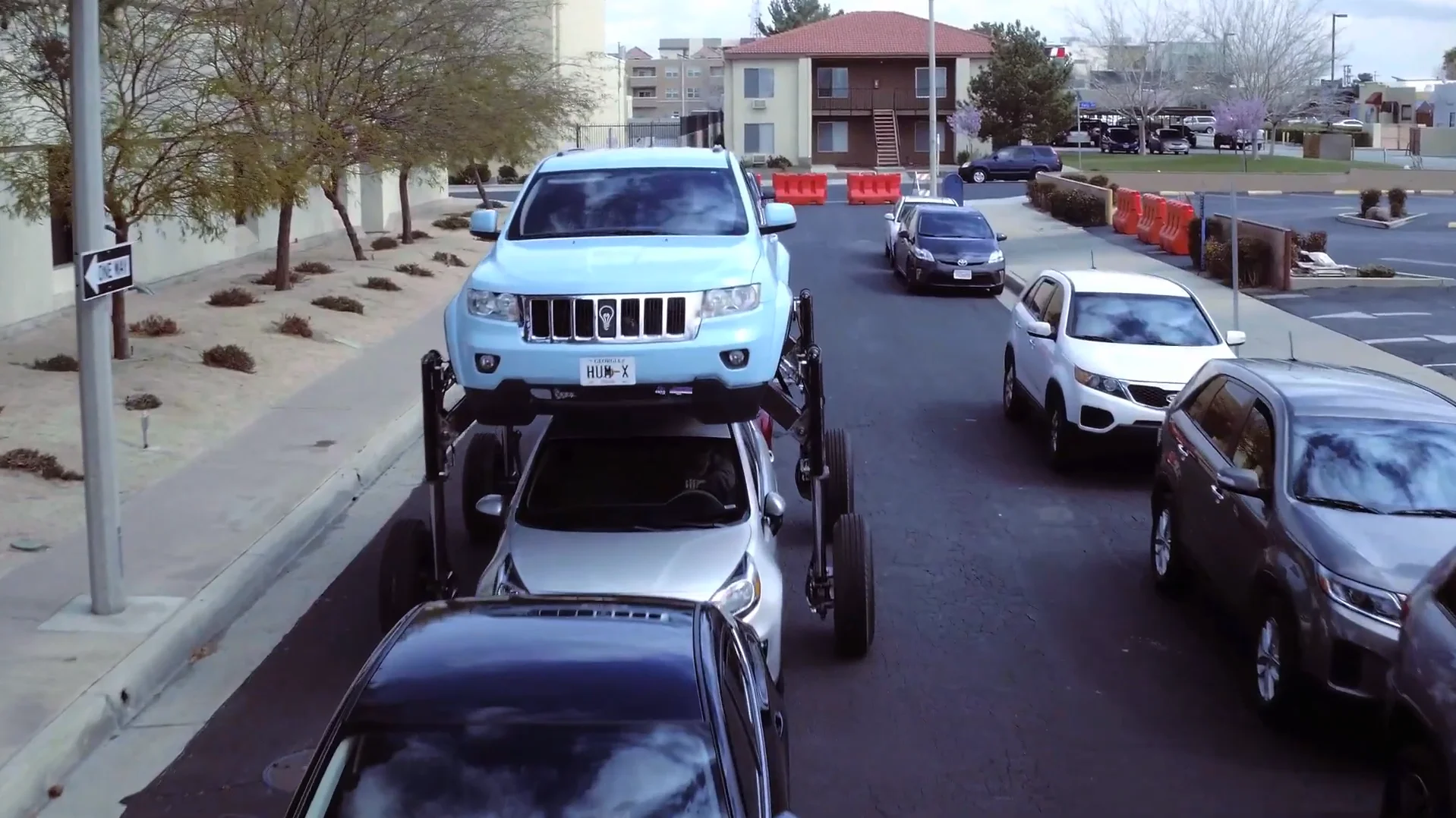
That was a serious amount of hardware to hide underneath something that initially looked like a fairly ordinary Grand Cherokee.
The extensive modifications also pushed the Hum Rider’s weight to around 8,500 pounds, more than twice the weight of a standard Grand Cherokee.
It was fitted with heavier-duty truck tires to cope with the additional weight and the unusual forces created by the hydraulic system.
Four cameras helped the driver see underneath
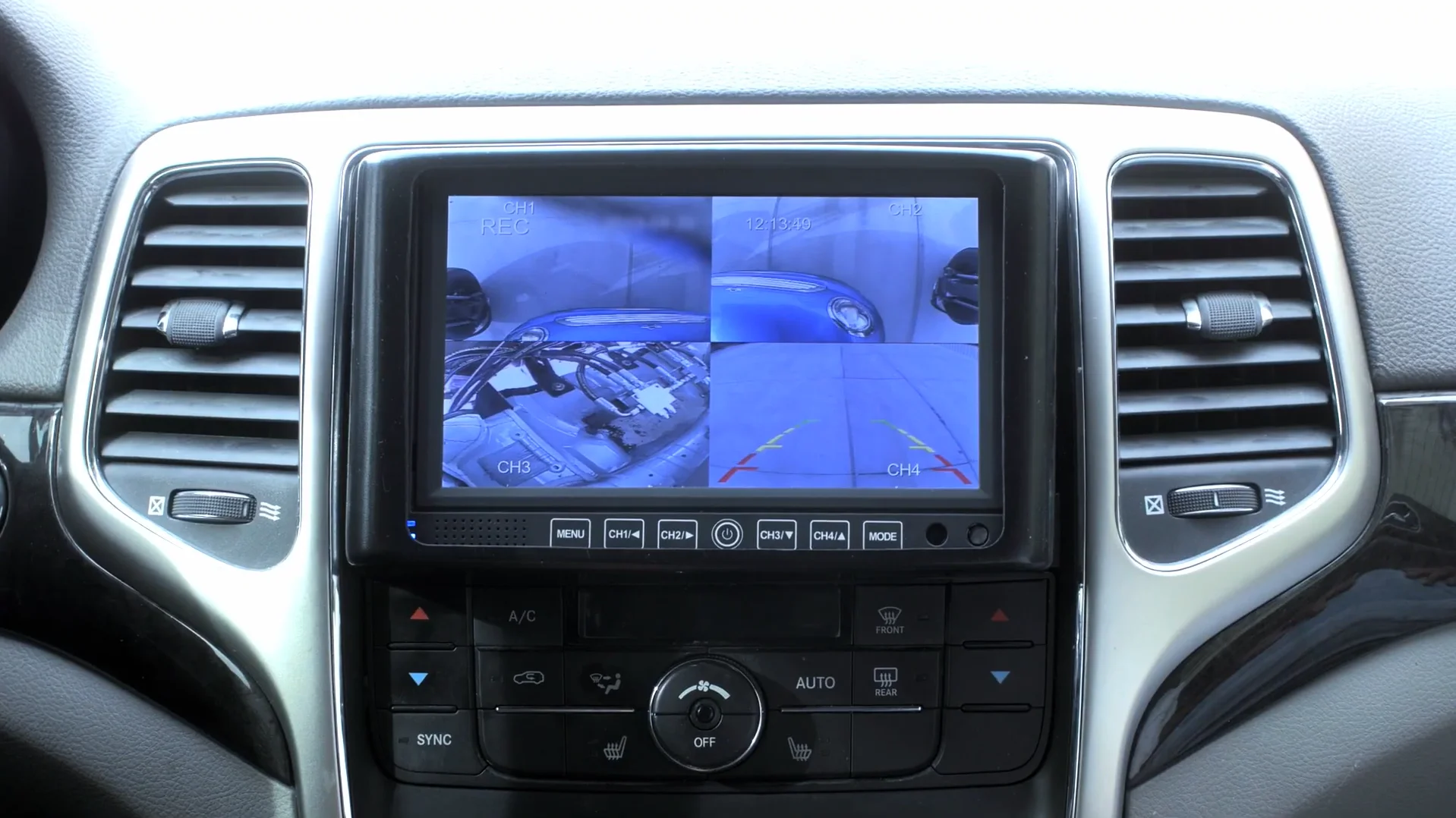
Driving a giant SUV over a line of cars comes with an obvious problem – the driver can’t exactly look out of the window to see what’s happening underneath.
To solve that, the Hum Rider was fitted with four cameras underneath the vehicle, and these fed images to screens inside the cabin, allowing the driver to monitor the clearance around and beneath the SUV while it was raised.
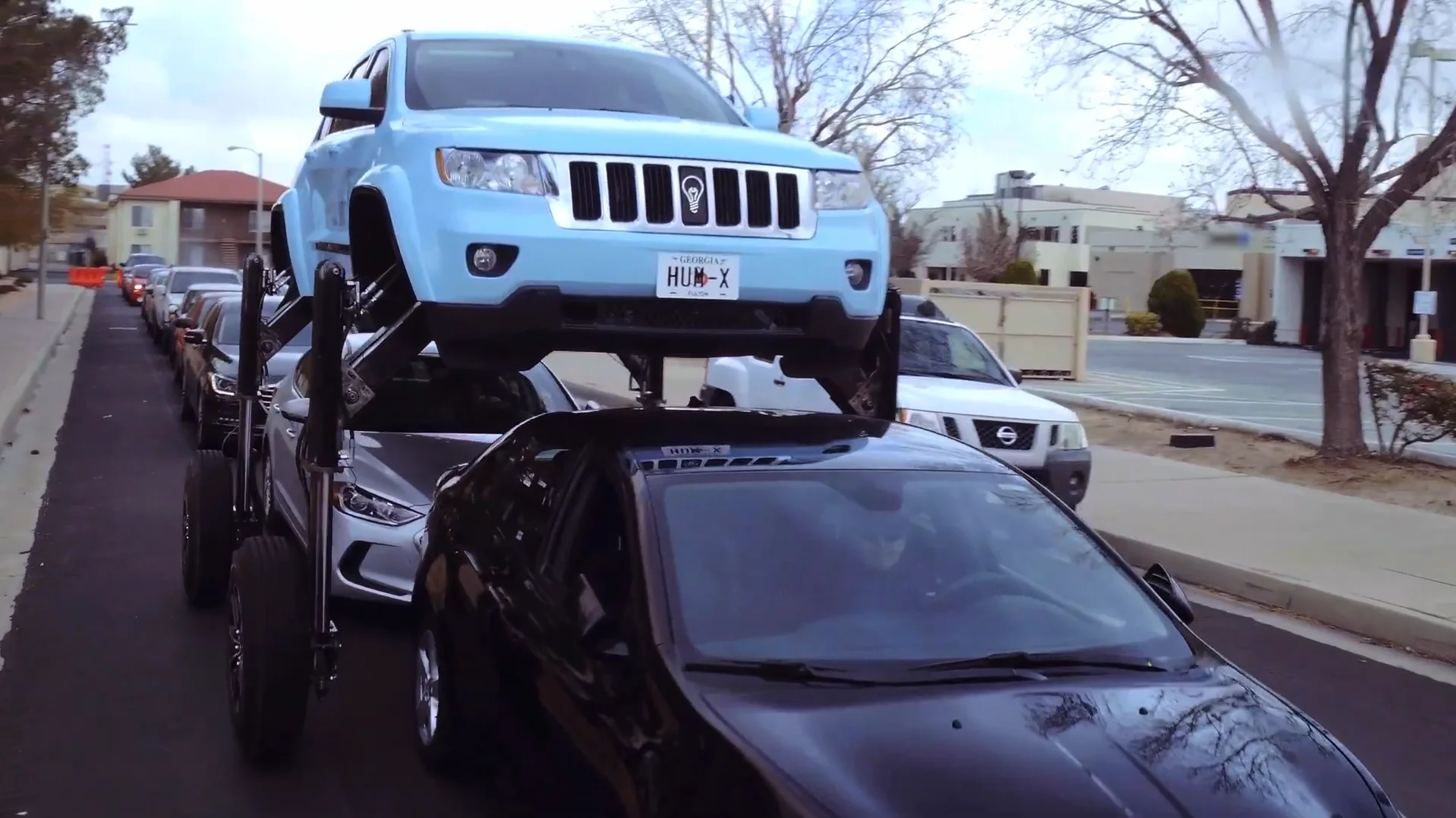
Sadly for anyone who has ever spent an hour trapped in Los Angeles traffic, the Hum Rider was never intended to become a real-life SUV.
It was a one-off promotional vehicle built to demonstrate the idea behind Verizon’s Hum service, and it was never something ordinary drivers could buy.
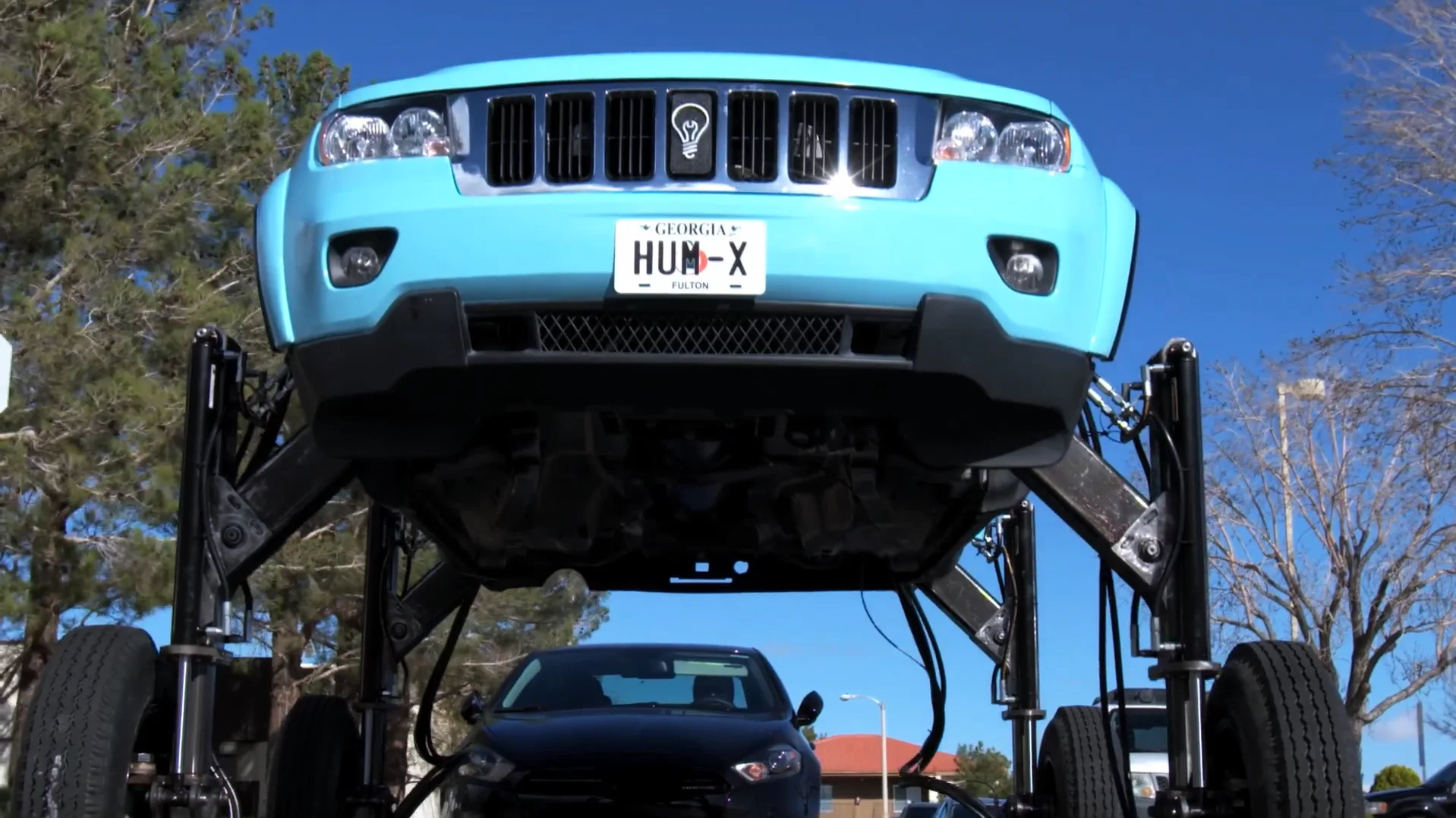
Still, it proved that if you throw enough hydraulics, cameras and engineering at the problem, there is at least one way to beat a traffic jam – just go over it.

Daisy is a technology and automotive journalist covering artificial intelligence, consumer tech, Apple news, cryptocurrency, emerging technologies, and transportation innovation. Since joining the team in 2025, she has reported on everything from AI-powered startups and major iOS updates to viral car stories and the latest developments shaping transportation and the digital economy. Drawing on her background in automotive journalism and a degree in History and Journalism from Goldsmiths, University of London, Daisy specializes in breaking down complex topics into clear, engaging reporting for a global audience. Her work spans cutting-edge technology, innovative vehicles, and the people driving change across both industries. Daisy has gained first-hand access to some of the world's most talked-about technologies and innovators, including meeting Tesla's Optimus humanoid robot during its first European appearance in London. She has also discussed the future of space exploration with an astronaut, bringing unique insights and real-world perspectives to her coverage of emerging technology.