Jetour made two iconic off-road SUVs and we went to China to test them with one key difference standing out between the cars
Published on Apr 28, 2026 at 9:06 AM (UTC-4)
by Alessandro Renesis
Last updated on May 11, 2026 at 4:09 AM (UTC-4)
Edited by
Emma Matthews
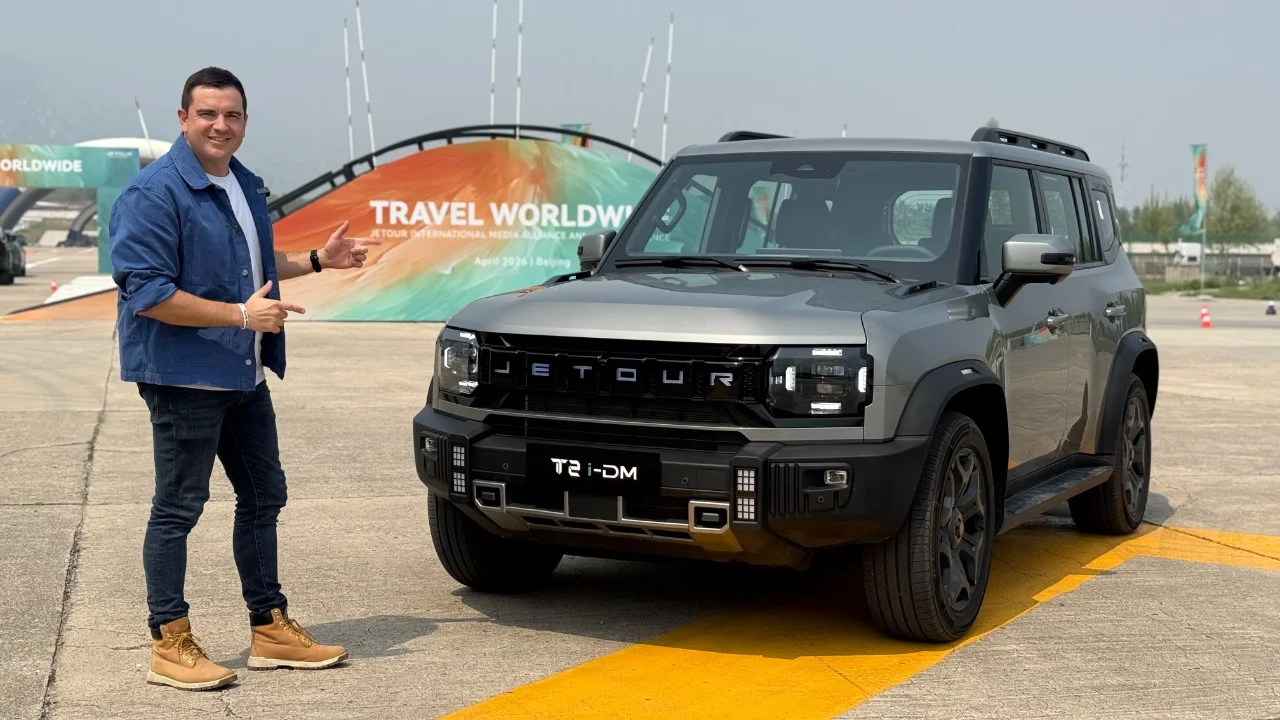

We traveled to China to drive two off-roading icons made by Jetour.
These vehicles have a lot in common, starting with the powertrain, which is hybrid in both SUVs, and the fact they’re both at home in rough, tough environments.
Both also share the same design language, the same off-road DNA, and similar tech.
But there’s a key difference that stood out to us.
Let’s start with ‘The Traveler’ – Jetour T2 i-DM
We should probably start with the size of this ‘Traveler’ because that’s a key element, especially depending on where you are.
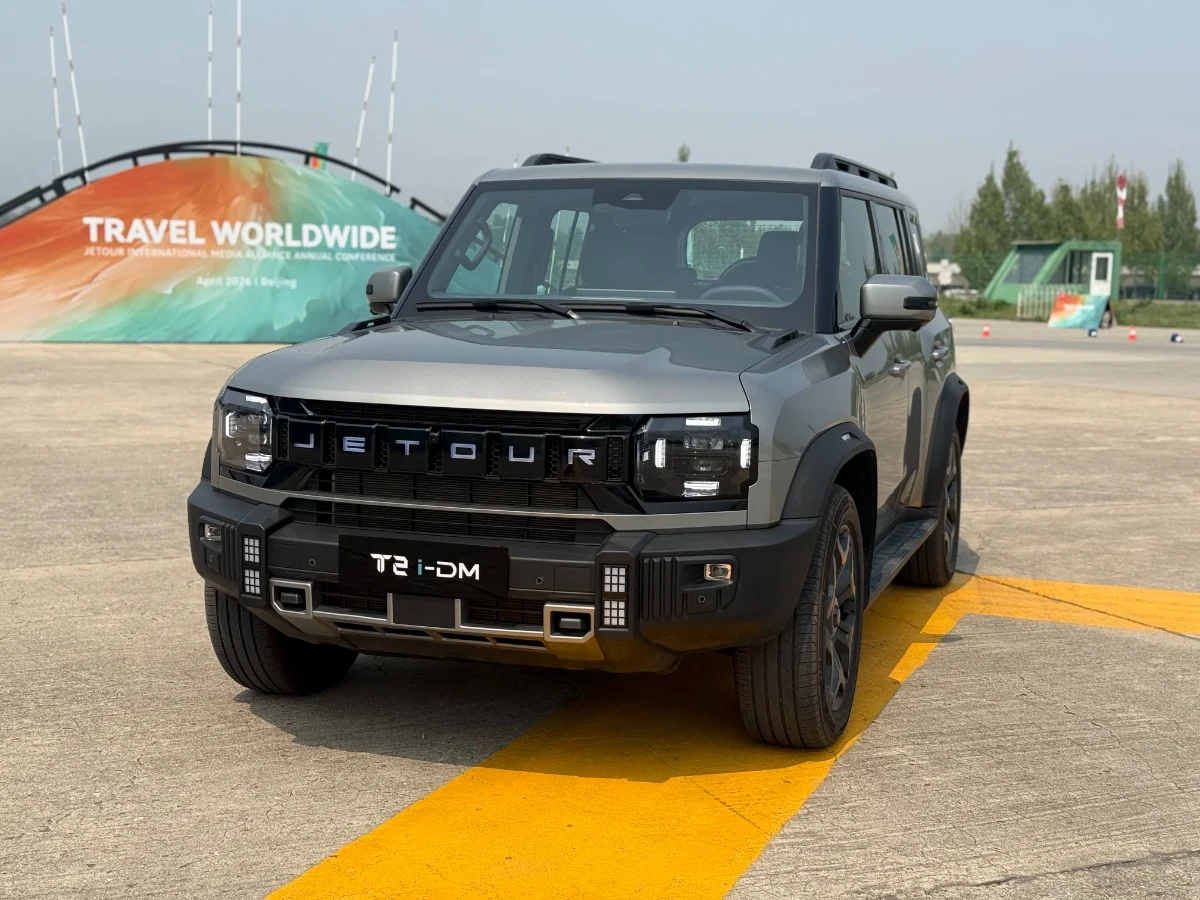
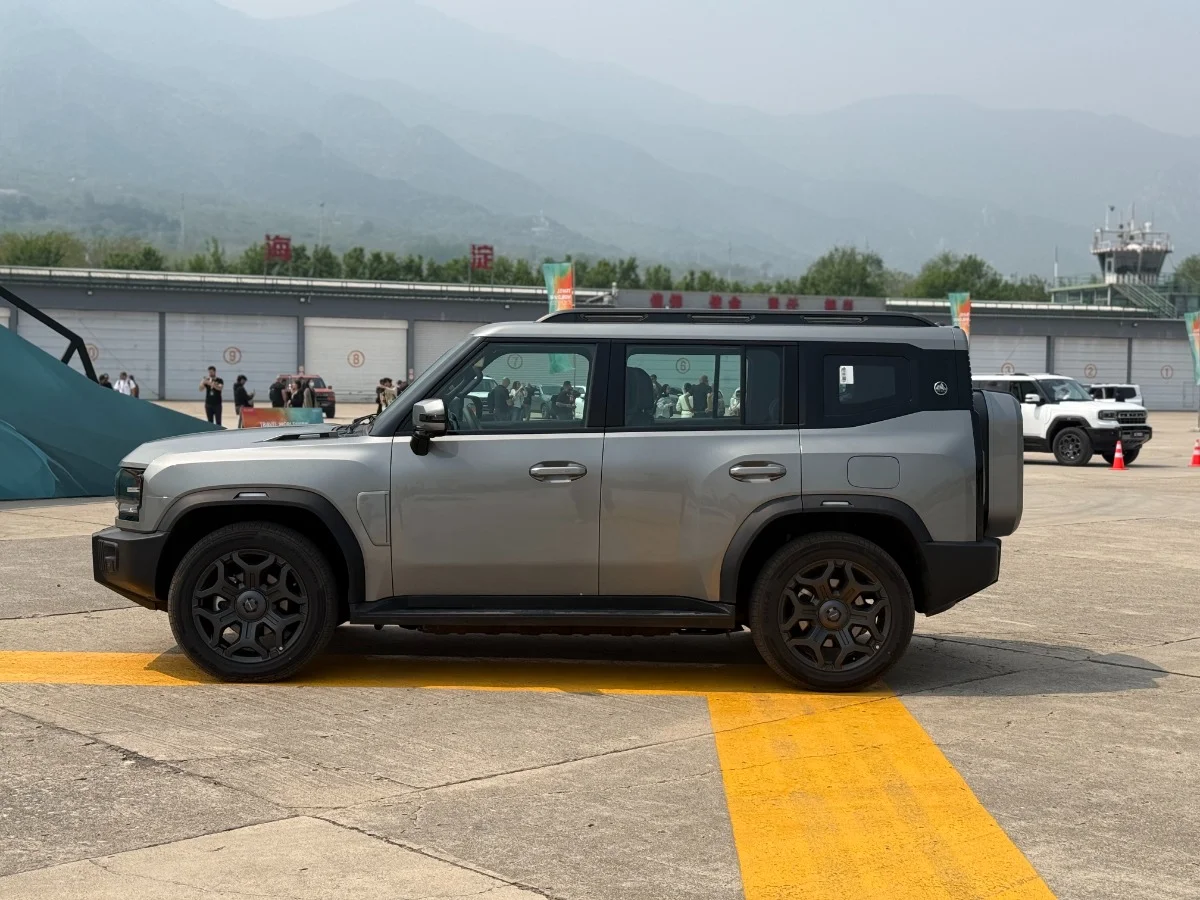
Built on a monocoque chassis, the T2 i-DM is 4.78 meters long – with a 2.8-meter wheelbase – which makes it a large vehicle by European standards but only a mid-size vehicle by American standards.
Like the G700 – the other SUV we tested – it features a rugged look with a body that’s deliberately designed to look a bit boxy.
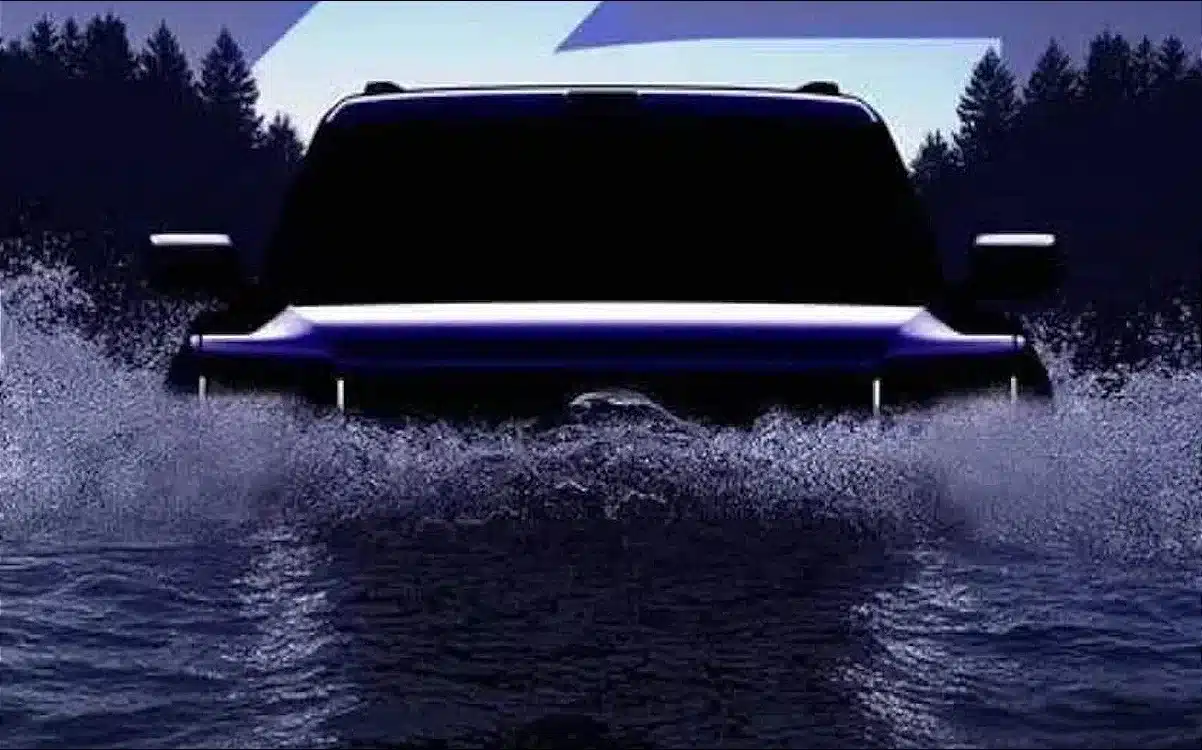
It also comes with high (220mm) ground clearance, which is useful if you want to wade rivers (up to 700mm) or climb steep hills, or ideally both during the same trip.
This go-anywhere, do-anything off-roader is powered by a hybrid powertrain that can offer up to 600 horsepower and 610Nm of torque, giving it a 0-100km/h of 6.7 seconds.
The Jetour T2 i-DM also uses a sophisticated autopilot-style system called X-mode.
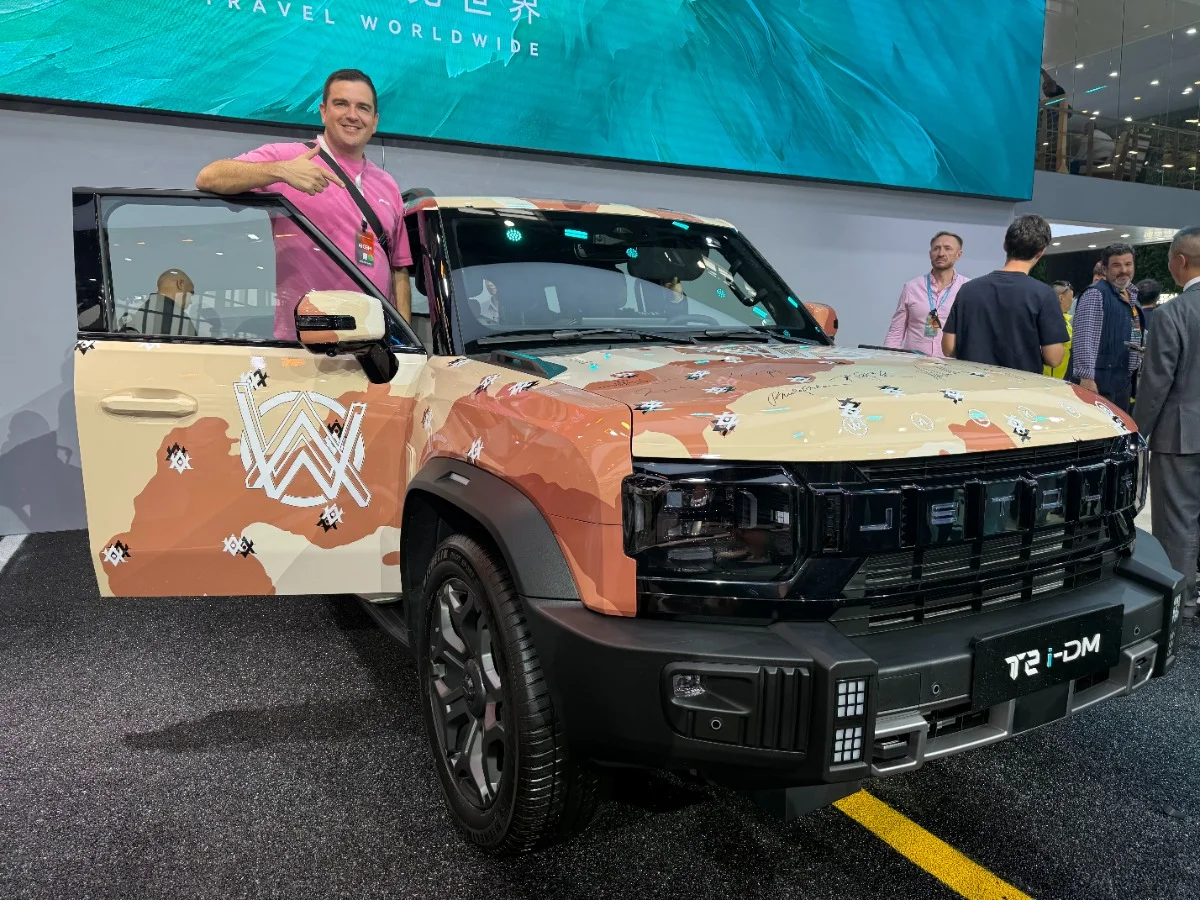
The system is constantly monitoring surface conditions, which allows the car to automatically adjust torque and braking across all wheels.
That way, you’re guaranteed peak traction on mud, sand, snow, ice – you name it.
It all happens automatically, and you don’t have to switch manually.
Also, thanks to the 540-degree camera system, you get something called the ‘transparent chassis’ view.
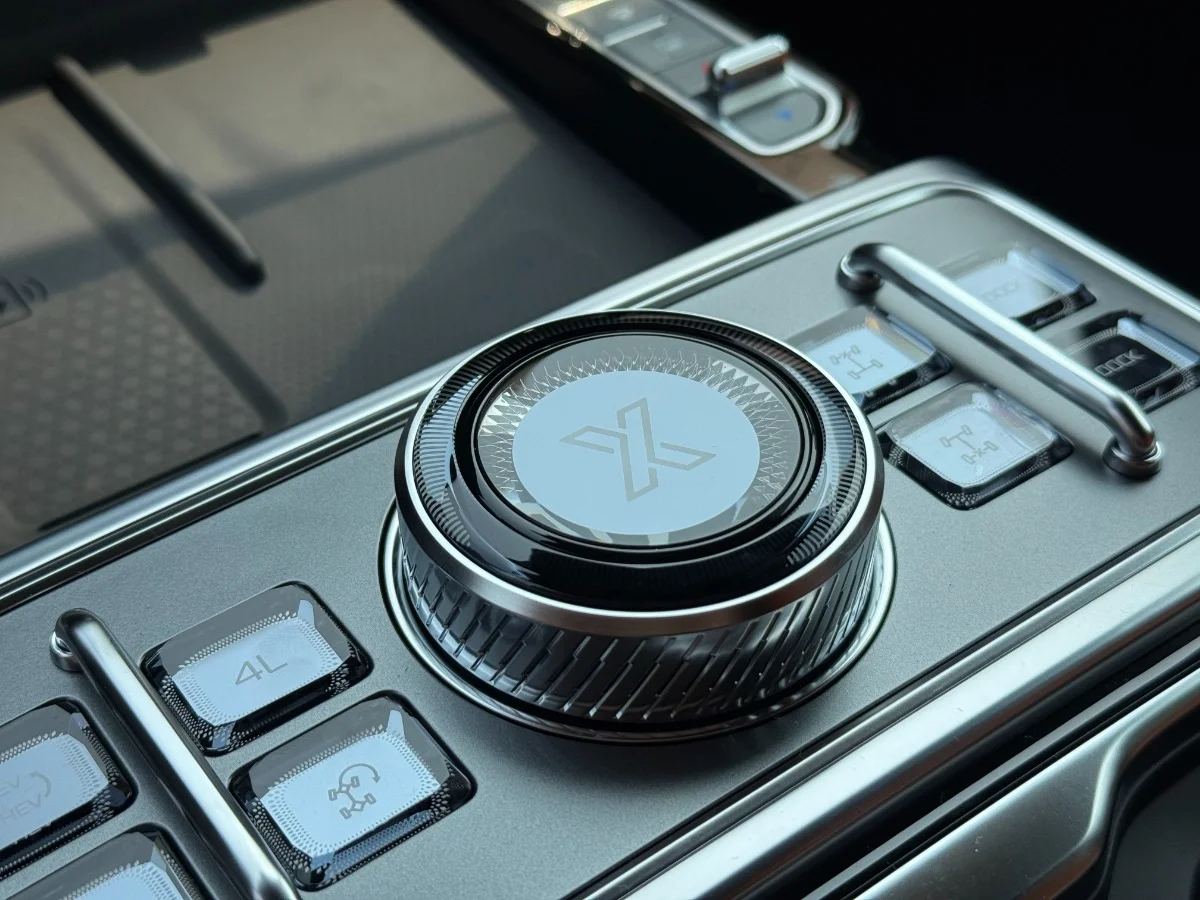
Translated, the vehicle stitches together live footage and then relays it through the Snapdragon-powered 15.6-inch central display to keep an eye on everything around and beneath the car at all times.
If there’s a massive rock in your blind spot, you’ll see it; if there’s a deeper-than-expected pothole right in front of you, you’ll see that, too.
The interior is designed to turn the SUV into an overlander as well.
The passenger seat, for example, features 248mm of leg space and a 72-degree lie-flat angle.
At the back, you’ll find the ‘Magic Electric Tailgate,’ which is a brochure-friendly way of describing a tailgate that’s basically a modular workspace.
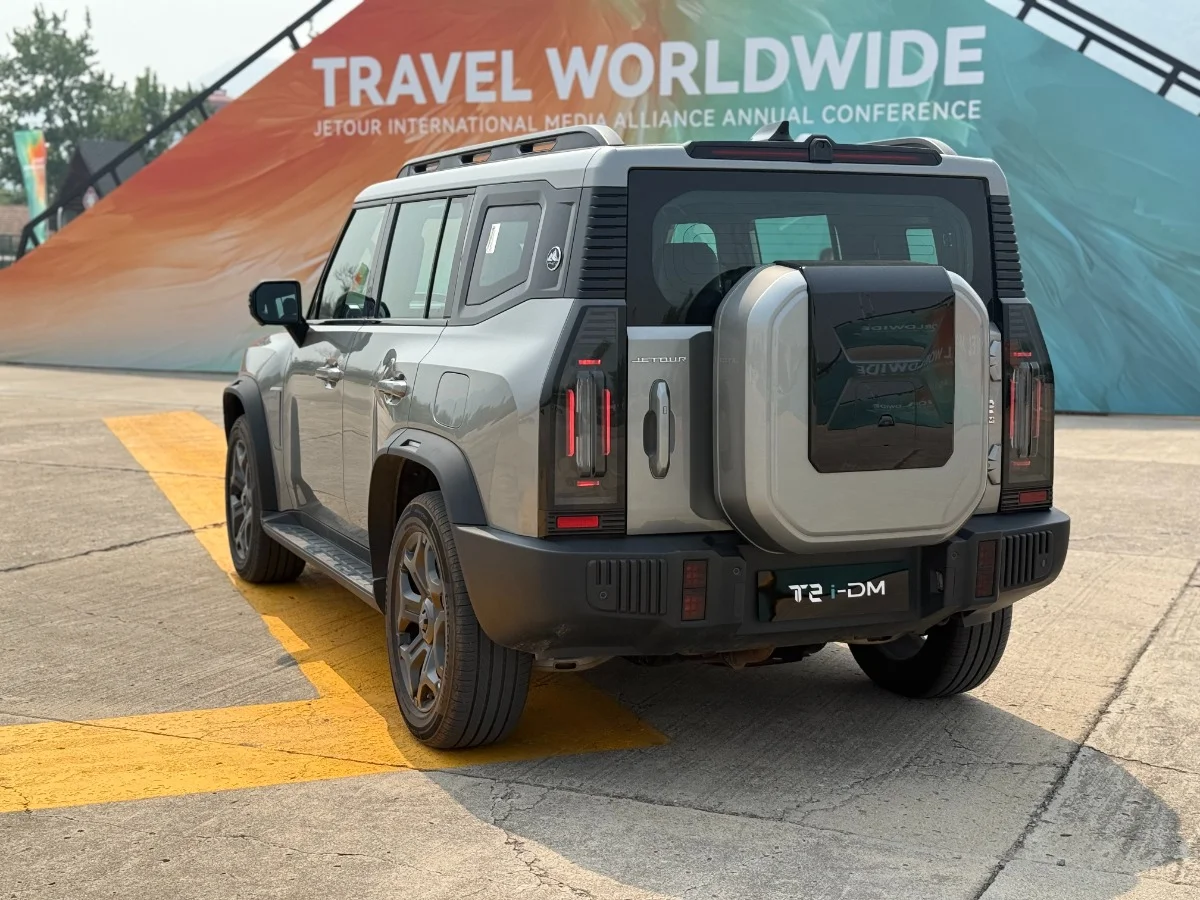
It can be modified into a mini outdoor kitchen, a mobile fashion station, or a storage hub for your gear.
And speaking of which, you also get a 3.3kW V2L power outlet, which is enough to power standard outdoor appliances.
You can set off from the city, head to the desert, and the SUV can be your tent if you want.
The G700 is similar but bigger, and much, much more powerful
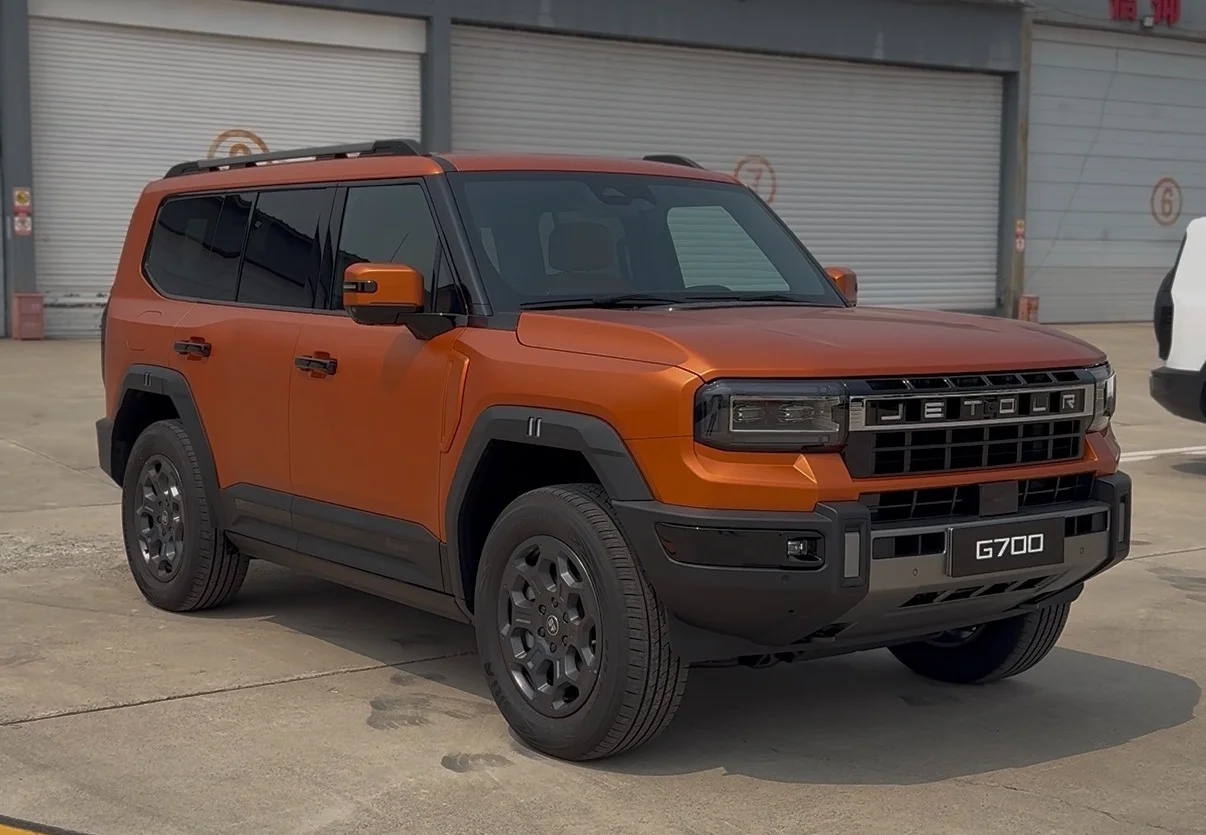
Penned by Andrew Collinson – the former Land Rover Chief Designer – the G700 draws inspiration from the Himalayas, which probably explains the size.
It’s much bigger than the T2.
The G700 is nearly two meters tall and over five meters long, and that makes it a large vehicle by any standards.
Just like the T2, the G700 uses the same 540-degree ‘transparent chassis’ system, even though the display is much bigger at 35.4 inches, and that’s good news because these features are always useful, of course, but they’re particularly necessary with a vehicle as large as this one.
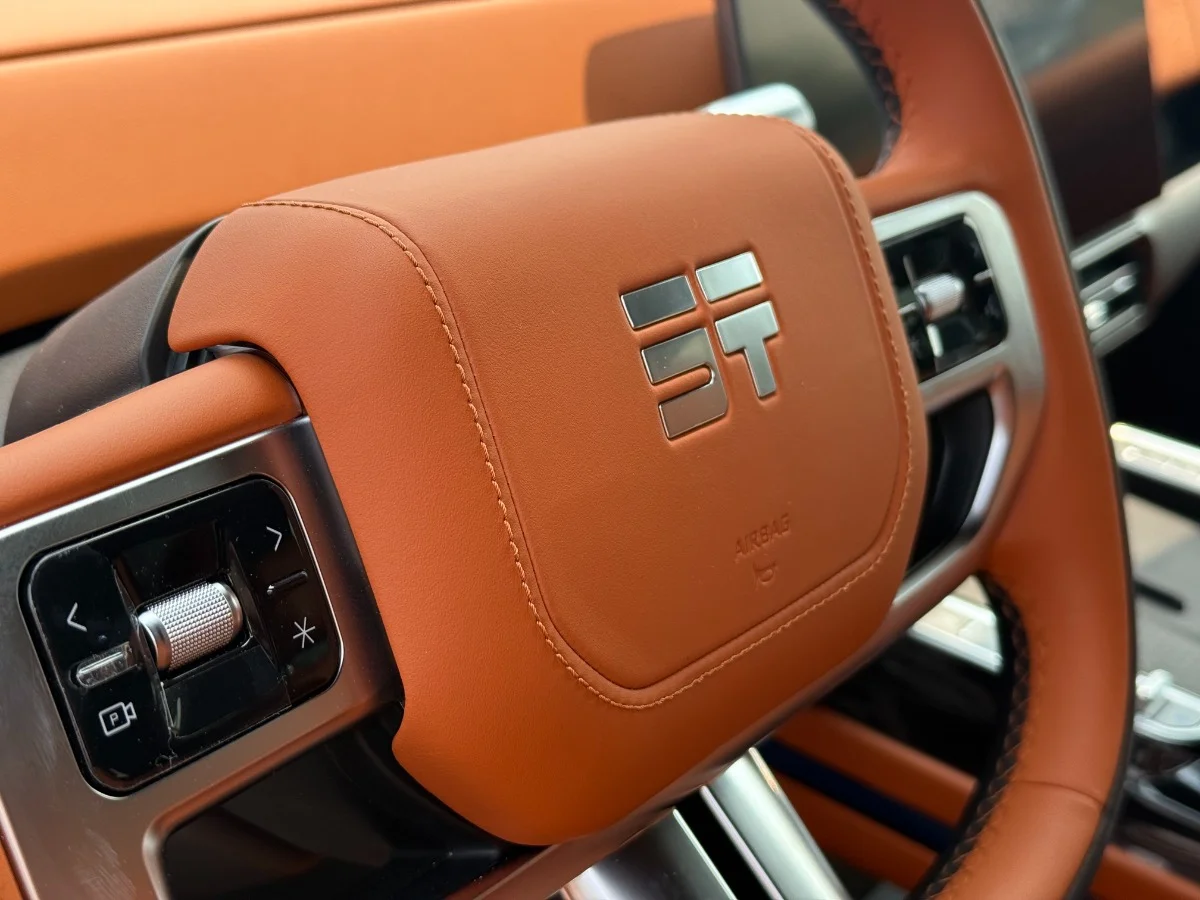
Under the hood, it has a plug-in hybrid drivetrain capable of giving it over 1,000 kilometers of combined range, like the T2, but this one is much more powerful.
While the T2 ‘only’ makes do with up 600hp, the G700 produces 900hp and 1,135Nm of torque, with a 0-100km/h time of 4.6 seconds.
Also, the wading depth is 970mm, partly thanks to the G700’s air suspension that can lift the body by 90mm.
Another key feature is the tank turn-style steering that slashes the turning radius by about 30 percent, which is a lifesaver for a car this big.
This means you’re basically driving a tank, but with the turning circle of an agile and nimble city car.
Also, as we’re talking about tanks, the G700 is not exactly bulletproof, but this is tougher than it looks.
It features scratch-resistant paint designed to survive the brush and brambles of the wilderness and, let’s be honest, the inevitable carelessness of people who park next to you at the mall.
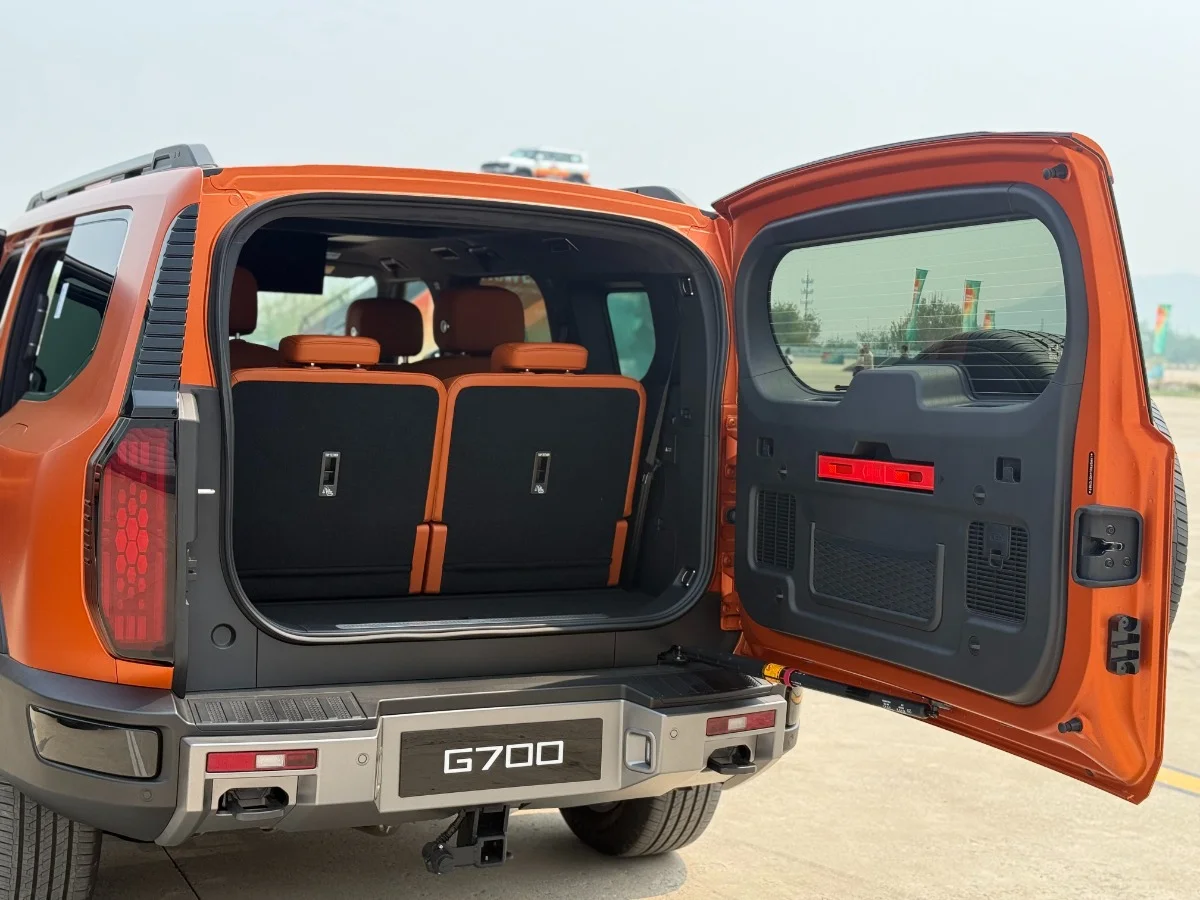
As a side note, we should also remember that even the power running boards are heavy-duty, dropping in 1.8 seconds and supporting up to 300kg.
Despite being a tough off-roader, the G700 is also a luxury SUV.
Among other things, it has seats that recline up to 145 degrees with an eight-point massage system.
We should also bear in mind that the G700 is a mobile power bank.
With a 6.6kW V2L output, it provides double the power of most hybrid SUVs, enough to run a full outdoor cinema, a mobile kitchen, or even high-powered tools at a remote campsite.
Alessandro is an automotive journalist with 10 years of experience covering supercars, automotive history, emerging vehicle technology, and luxury transportation. He wrote the first article published on SupercarBlondie.com when the website launched in 2022 and has since built a reputation for insightful reporting across the automotive and transportation industries. His expertise is grounded in hands-on experience. Alessandro has driven every Tesla model ever produced, from the original Roadster to the Cybertruck, and regularly covers the latest developments in electric vehicles and automotive innovation. His passion for transportation extends beyond cars, he has even flown a Boeing 787 Dreamliner simulator in Addis Ababa, Ethiopia. His reporting spans everything from classic American muscle cars and rare automotive discoveries to luxury yachts, private aircraft, high-end watches, and cutting-edge vehicle technology. Known for his deep knowledge of automotive history and ability to uncover the stories behind iconic vehicles, Alessandro brings readers a blend of historical context, technical expertise, and first-hand experience.