LiDAR went from costing $50,000 to a few hundred dollars due to China's mass production and now it'll start appearing in lots of cars
Published on Mar 11, 2026 at 12:24 AM (UTC+4)
by Molly Davidson
Last updated on Mar 10, 2026 at 2:59 PM (UTC+4)
Edited by
Emma Matthews

LiDAR sensors used to be one of those futuristic car technologies that sounded impressive but felt completely out of reach.
For years, the sensors cost around $50,000 each, which meant they mostly lived on experimental self-driving prototypes.
But over the past few years, something big has changed.
Thanks largely to mass production in China, LiDAR has become so cheap that it’s now starting to appear in everyday cars.
Click the star icon next to supercarblondie.com in Google Search to stay ahead of the curve on the latest and greatest supercars, hypercars, and ground-breaking technology
The $50,000 car sensor that suddenly costs a few hundred dollars
Not long ago, LiDAR was basically reserved for science-experiment cars.
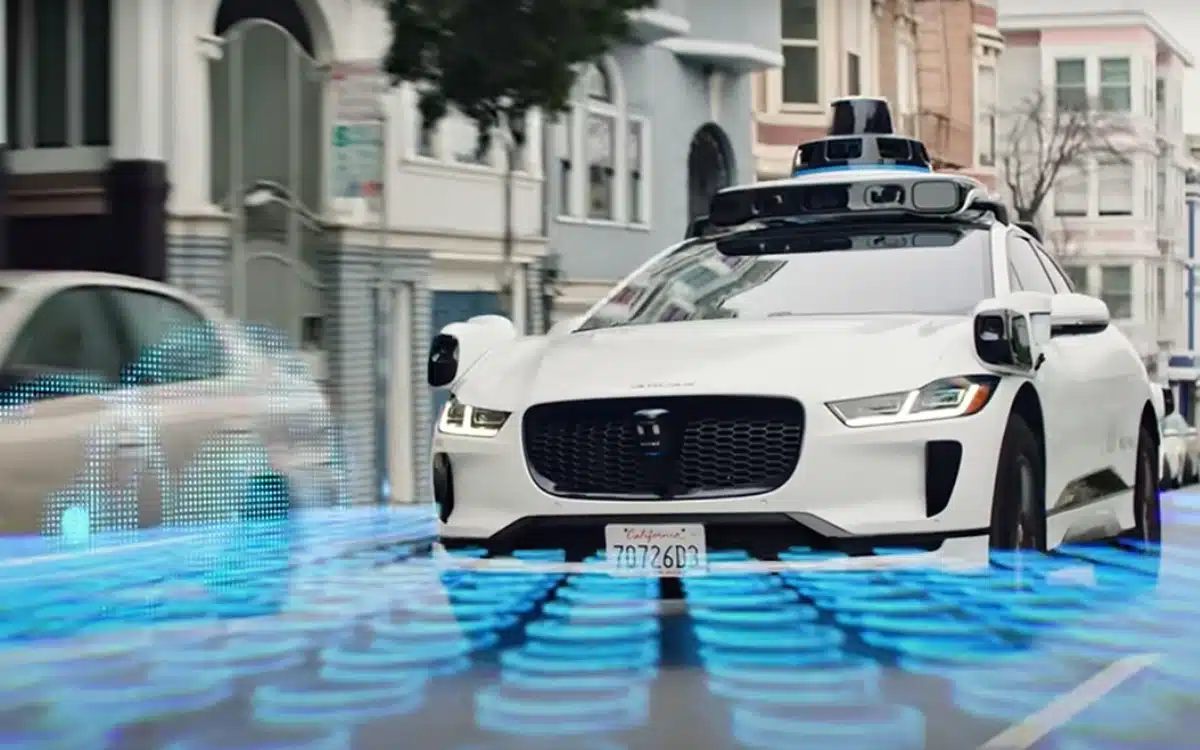
Early systems were huge, often mounted on the roof of test vehicles like spinning robot hats.
They were impressive, but at roughly $50,000 per sensor, they were also impractical for production cars.
Then China changed the math.
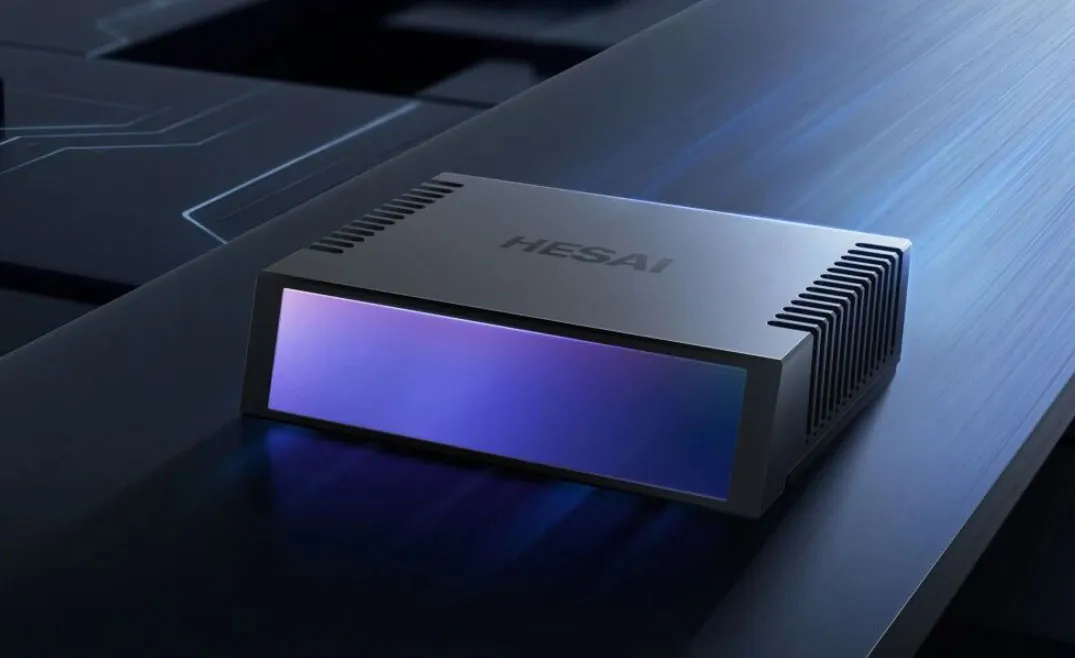
Automakers there began installing these sensors in production EVs and pushed suppliers like Hesai and RoboSense to manufacture the sensors at massive scale.
As factories ramped up output, prices dropped quickly.
Today, some compact LiDAR units cost roughly $200, and that shift has completely flipped the script.
Instead of being a rare research tool, LiDAR suddenly became cheap enough for real cars.
Millions of sensors are now produced every year, and a growing number of Chinese EVs already include the tech as part of their driver-assistance systems.
Click the star icon next to supercarblondie.com in Google Search to stay ahead of the curve on the latest and greatest supercars, hypercars, and ground-breaking technology
Why automakers suddenly want LiDAR in their cars
At the same time these sensors got cheaper, cars themselves got much better at processing data.
LiDAR – short for light detection and ranging – works by firing rapid laser pulses to build a detailed 3D map of the world around the vehicle.
Cameras still do a lot of the work, but LiDAR has a big advantage: it can measure distance extremely precisely and works reliably in darkness or glare.
Because of that, many automakers see it as a helpful backup to cameras and radar.
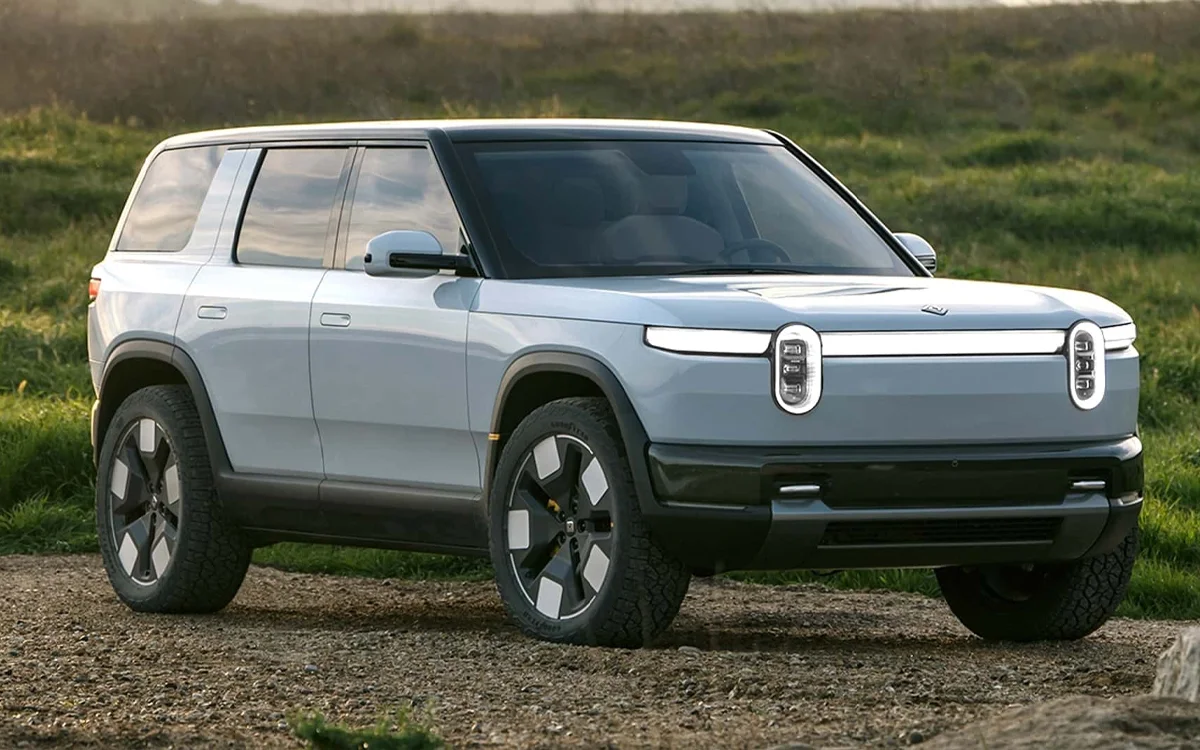
Rivian plans to introduce LiDAR on its upcoming R2 crossover, while Ford and General Motors are developing systems designed to support Level 3 automated driving later this decade.
Lucid already offers it as part of its driver-assistance package.
Tesla, however, isn’t convinced. The company still believes cameras and artificial intelligence are enough, so it continues to skip LiDAR entirely.
That means the industry is now split between two approaches – one side betting on lasers, the other trusting cameras.
But one thing is hard to ignore.
When a technology drops from $50,000 to a couple hundred dollars, it usually doesn’t stay rare for long.
DISCOVER SBX CARS: The global premium car auction platform powered by Supercar Blondie
With roles at TEXT Journal, Bowen Street Press, Onya Magazine, and Swine Magazine on her CV, Molly joined Supercar Blondie in June 2025 as a Junior Content Writer. Having experience across copyediting, proofreading, reference checking, and production, she brings accuracy, clarity, and audience focus to her stories spanning automotive, tech, and lifestyle news.