Lockheed designed an American supersonic airliner that beat Concorde on almost every metric but the US government picked a Boeing that never flew instead
Published on Apr 09, 2026 at 12:22 AM (UTC+4)
by Henry Kelsall
Last updated on Apr 09, 2026 at 12:13 AM (UTC+4)
Edited by
Emma Matthews
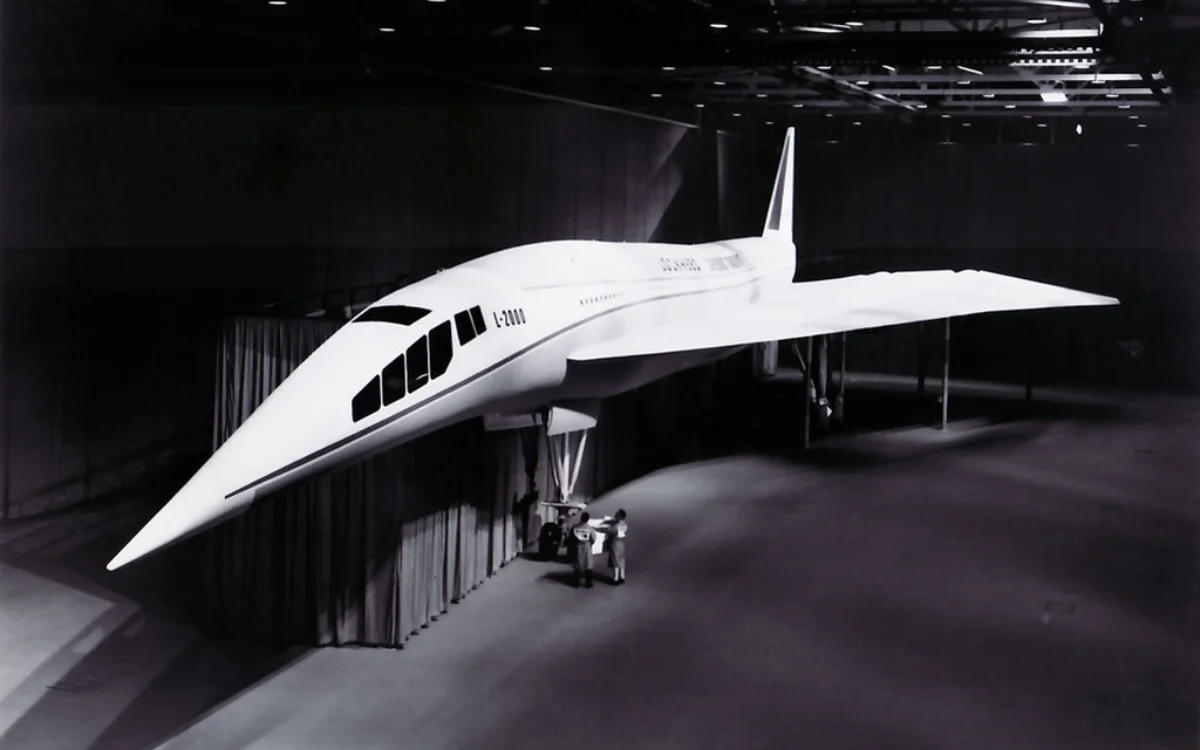

While the American supersonic airliner that gets all the attention is the Boeing 2707, one design submitted by Lockheed could have beaten Concorde on every metric, yet it was snubbed for the Boeing, which never flew.
Enter the quite gorgeous Lockheed L-2000, a proposed American supersonic airliner that was simpler than its rival, yet could have been just as good as Boeing’s offering.
Sadly for Lockheed, the American government handed Boeing the contract instead, with the L-2000 never progressing beyond a mockup.
Yet given the costs for the 2707 rose to an unprecedented level, you have to wonder if the L-2000 should have been the chosen one instead.
How Lockheed pursued its American supersonic airliner
Lockheed’s quest for a supersonic airliner began as America looked at developing an aircraft to rival Concorde.
With the market for supersonic commercial aviation potentially being worth millions, Britain and France had been able to steal a march on the Americans.
Orders for Concorde were flooding in, and even the Soviet Union was in the game with the Tupolev Tu-144.
There was no way America’s big Cold War rival could also be allowed to jump ahead.
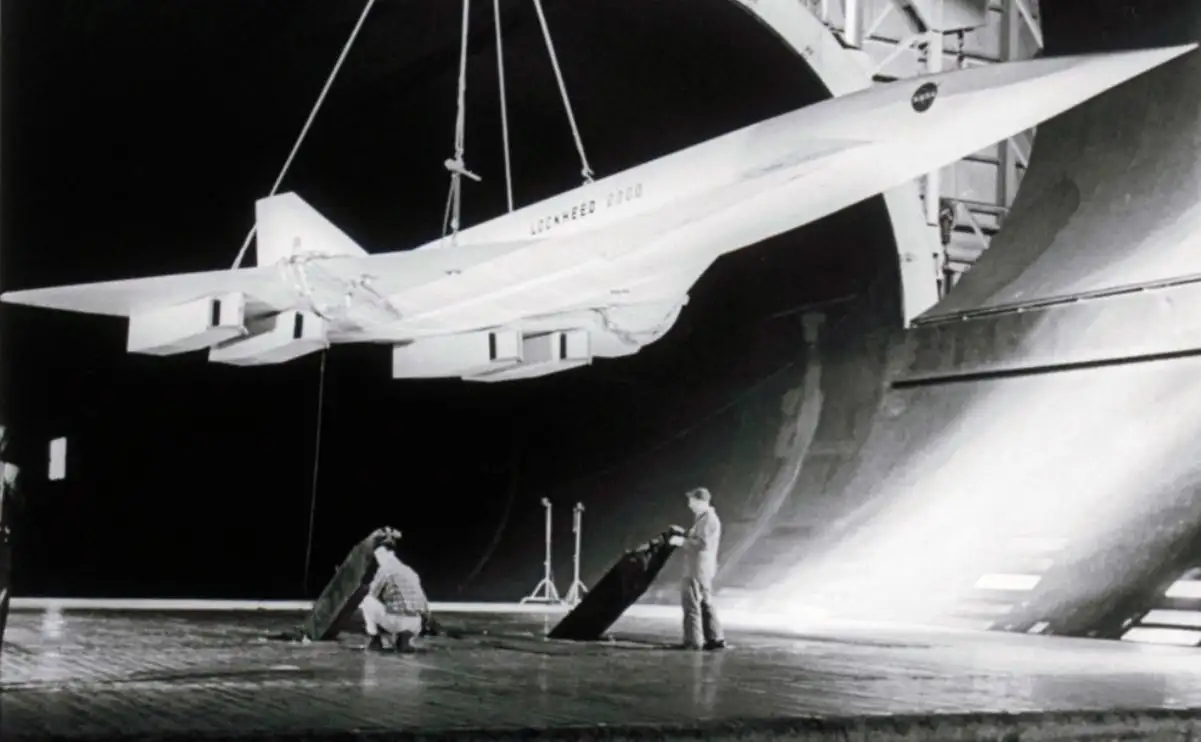
So in 1961, President John F. Kennedy committed to funding a program for an American Supersonic Transport (SST).
The Federal Aviation Authority would eventually narrow down the choices between the L-2000 and Boeing 2707.
Why the L-2000 could have been a Concorde beater
Lockheed went through various design proposals, ranging from the L-2000-1 to the L-2000-7B.
The final design had a fuselage long enough to seat 230 passengers, with a delta wing similar to Concorde.
Power would have come from four General Electric GE4/J5M, or Pratt & Whitney JTF17A-21L turbojets.
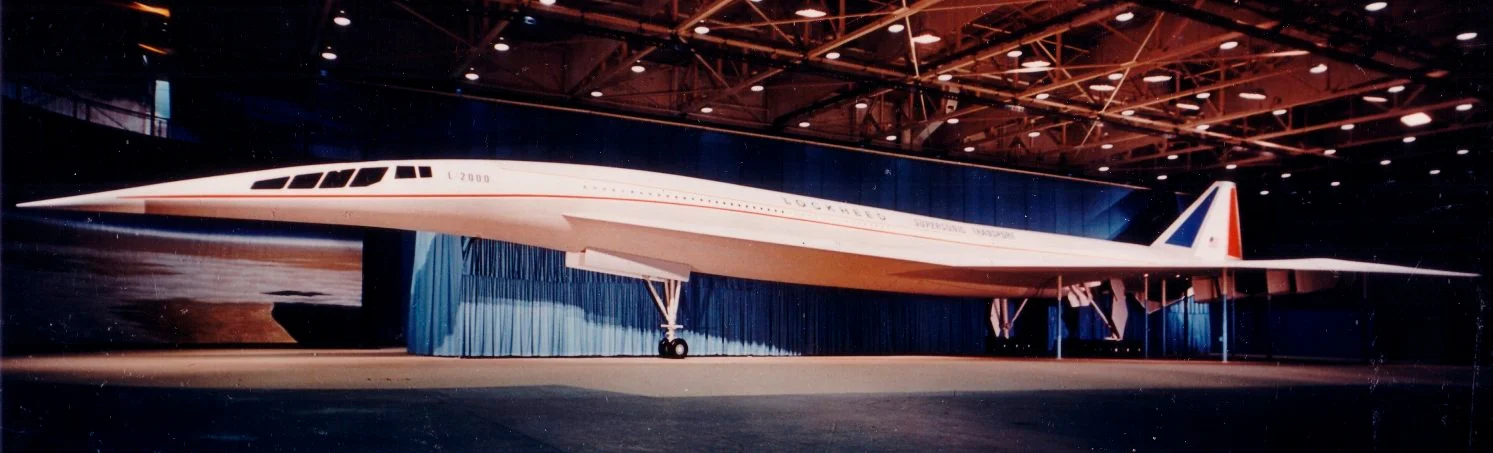
That power would have been enough to propel the L-2000 to a top speed of Mach 3.
With more passengers and a higher speed than its rival, the American supersonic airliner could have been much better than Concorde.
In contrast, Concorde’s top speed was Mach 2, and it could carry just 100 people.
Plus, Lockheed had kept things relatively simple with the aircraft’s design.
It too would have had a droop-snoot nose, similar to its rival and the Soviet Tu-144.
But unlike the Boeing, the Lockheed had a simpler delta wing, and not a complex swing-wing design.
FAA officials even judged the L-2000 as a simpler and less risky design to produce than the Boeing 2707.
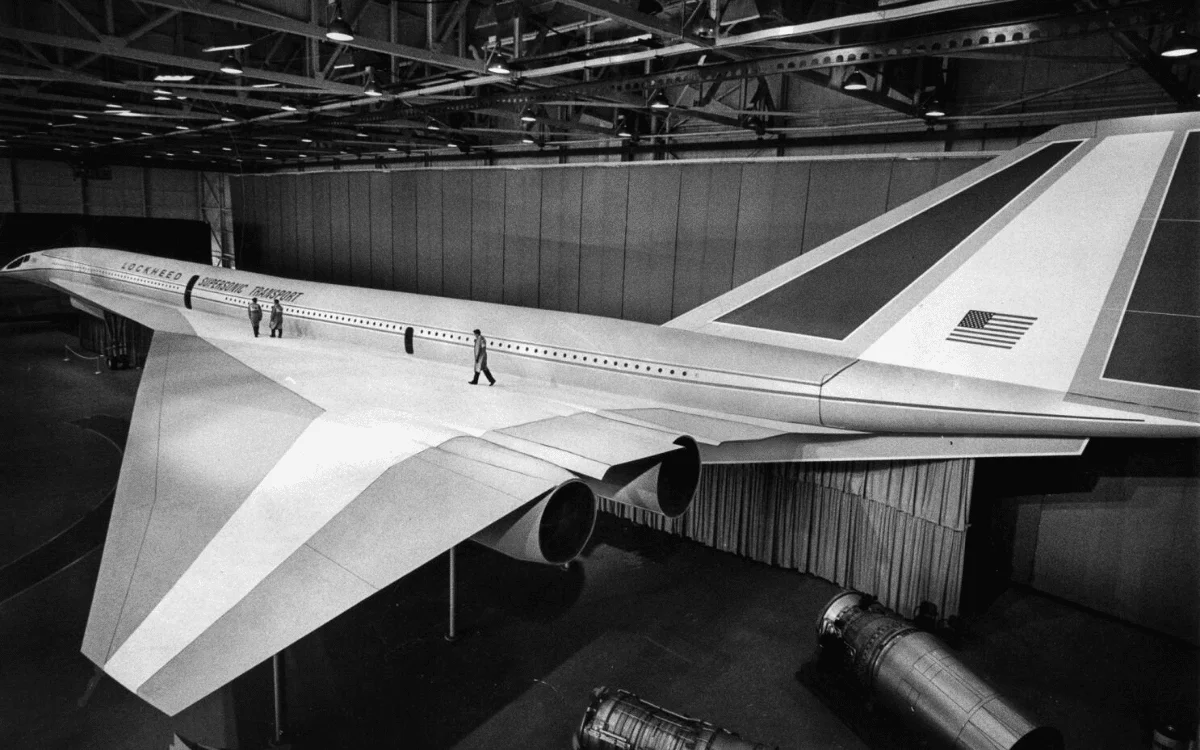
This could have reduced costs and meant an earlier introduction into service.
The company even proposed two versions: the longer-range L-2000-7A, and the other was the larger, short-range L-2000-7B.
But amazingly, the Boeing was chosen instead.
Why the Boeing was picked instead of the L-2000
There was one simple factor leading to Boeing’s design being picked instead of Lockheed’s.
The FAA decided that, compared to Concorde and the Tupolev, the 2707 represented a greater leap over its main rival.
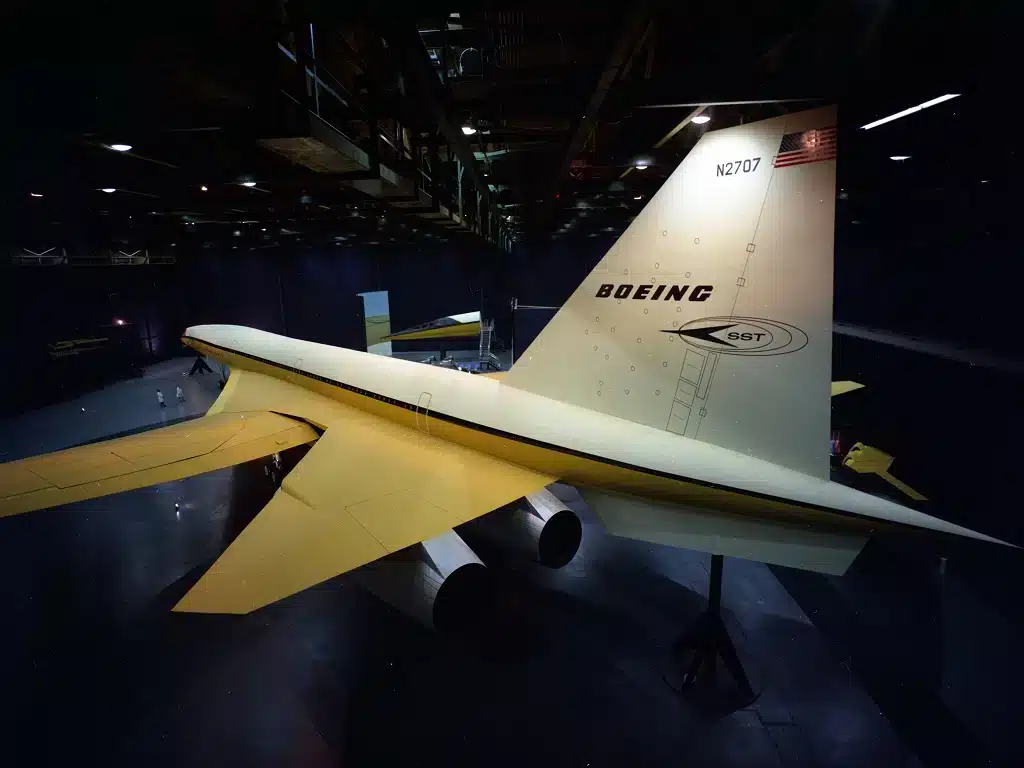
Boeing’s design had a radical swing-wing, which would have aided lift on takeoff and landing.
With a capacity for around 300 people, it would have also been bigger than the L-2000.
The FAA simply felt it moved the bar further compared to Concorde.
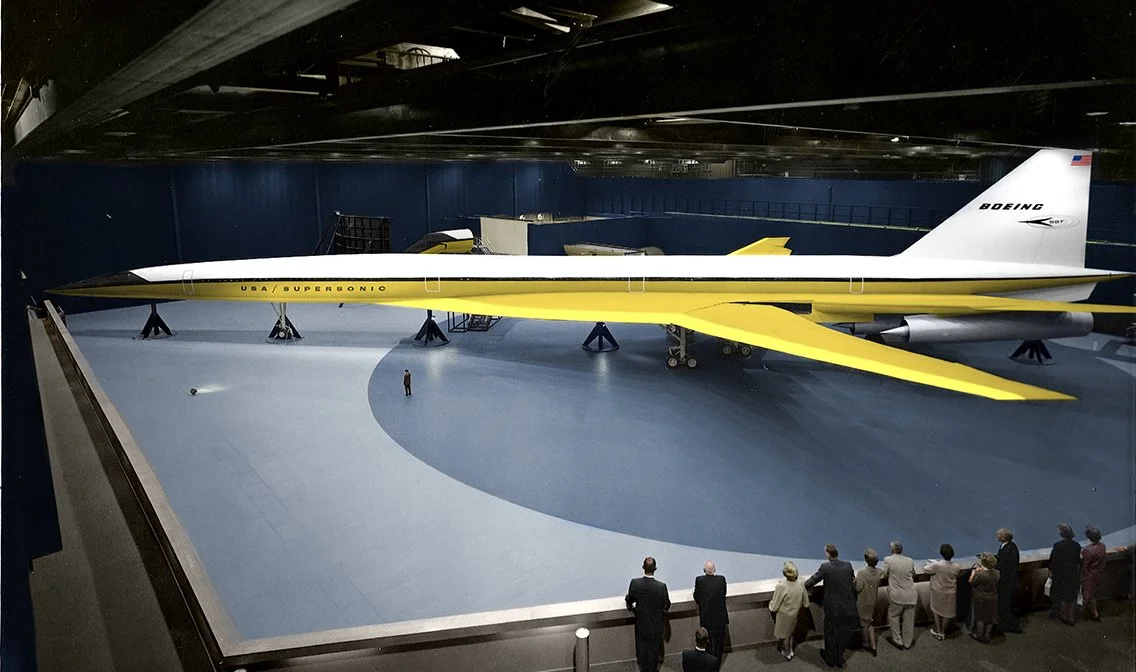
Incredibly, despite the safer bet of the Lockheed, it was passed over for the Boeing.
As such, the L-2000 never got beyond a life-size mockup of the aircraft.
Yet ironically, despite being passed over, the L-2000 didn’t really lose out to the Boeing.
What happened to the American Concorde project?
By 1971, the American SST project was in disarray.
Boeing’s swing-design had become too heavy and complex.
Incredibly, it had to adopt a design similar to Lockheed’s, shown in a mockup produced by Boeing.
The costs for the program had risen to unprecedented levels, and there were major environmental concerns, too.
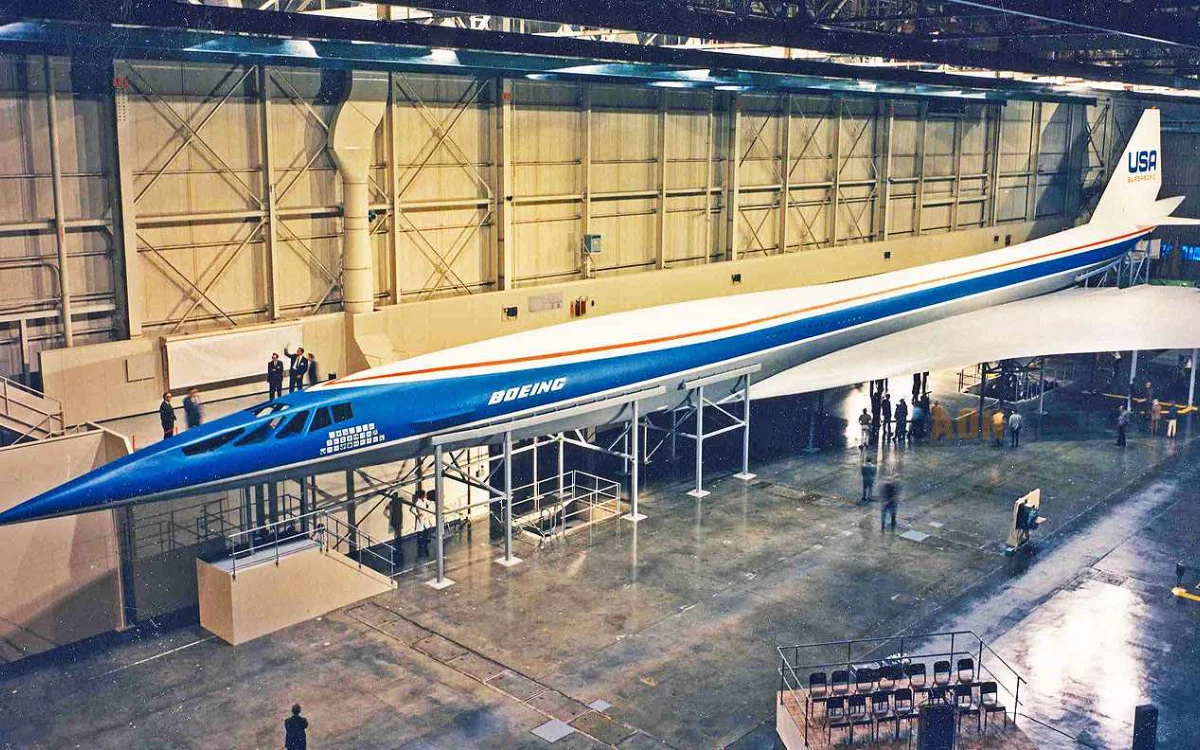
Plus, with supersonic flights banned overland due to the sonic booms, the SST market was being choked.
In 1971, with funding drying up and more problems arising, the FAA cancelled Boeing’s contract, and the SST program was no more.
With Concorde orders also drying up, soon only Air France and British Airways would be operating a supersonic airliner.
Could the Lockheed L-2000 have changed the aviation landscape?
We will never know what might have happened had the L-2000 been picked instead.
Its top speed of Mach 3 and seating capacity of 230 might still have been too ambitious to make a reality.
But its simpler, safer design could have allowed development to accelerate.
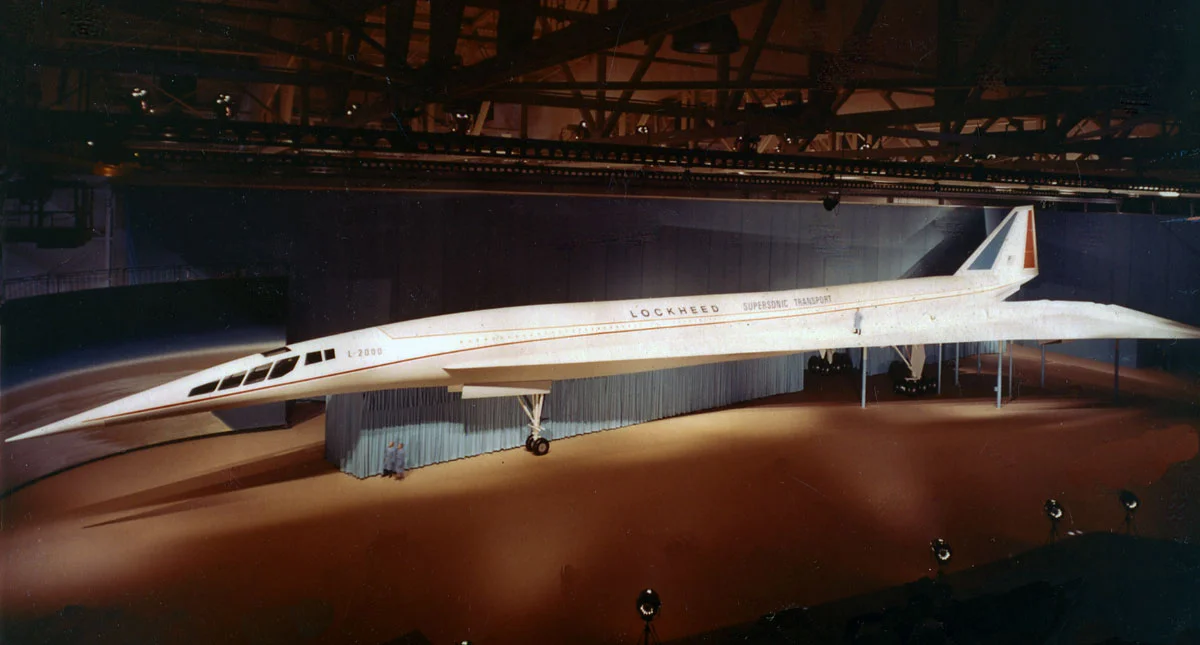
Who knows, maybe it would have reached the prototype stage in the late 1970s.
In the end, though, America needn’t have worried.
The SST market never grew to the levels originally predicted it would in the late 1960s.
The Tupolev Tu-144 carried passengers for just one year before being retired in 1978.
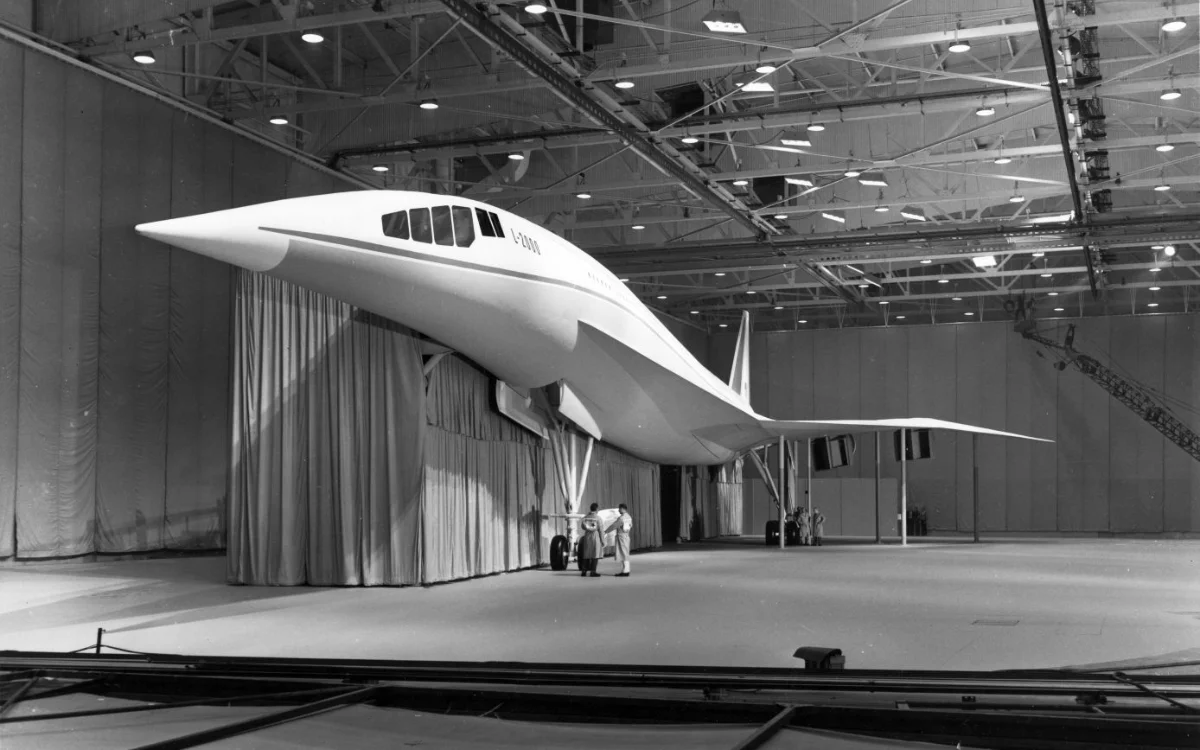
Ironically, NASA and Boeing would use the Tu-144 in the 1990s to investigate another new potential American supersonic airliner.
Concorde, however, entered service in 1976, with Air France and British Airways flying it until 2003.
Had the Lockheed L-2000 taken to the skies, perhaps America could have changed how the market went.
But that is something we will never know.
Supersonic commercial aviation timeline
1962: The UK and France sign a treaty to jointly develop the Concorde
December 31, 1968: The Soviet Tupolev Tu-144 completes its maiden flight right before Concorde
March 2, 1969: The Anglo-French Concorde completes its first test flight
January 21, 1976: Concorde officially begins commercial service with British Airways and Air France
June 1, 1978: The Tu-144 is retired from passenger service after just 55 scheduled flights
1990-1999: The NASA High Speed Civil Transport (HSCT) program researched advanced supersonic tech before its cancellation
October 24, 2003: Concorde makes its final commercial flight due to high operating costs and low demand
2020s: Modern startups like Boom Supersonic begin developing sustainable, next-generation supersonic passenger jets
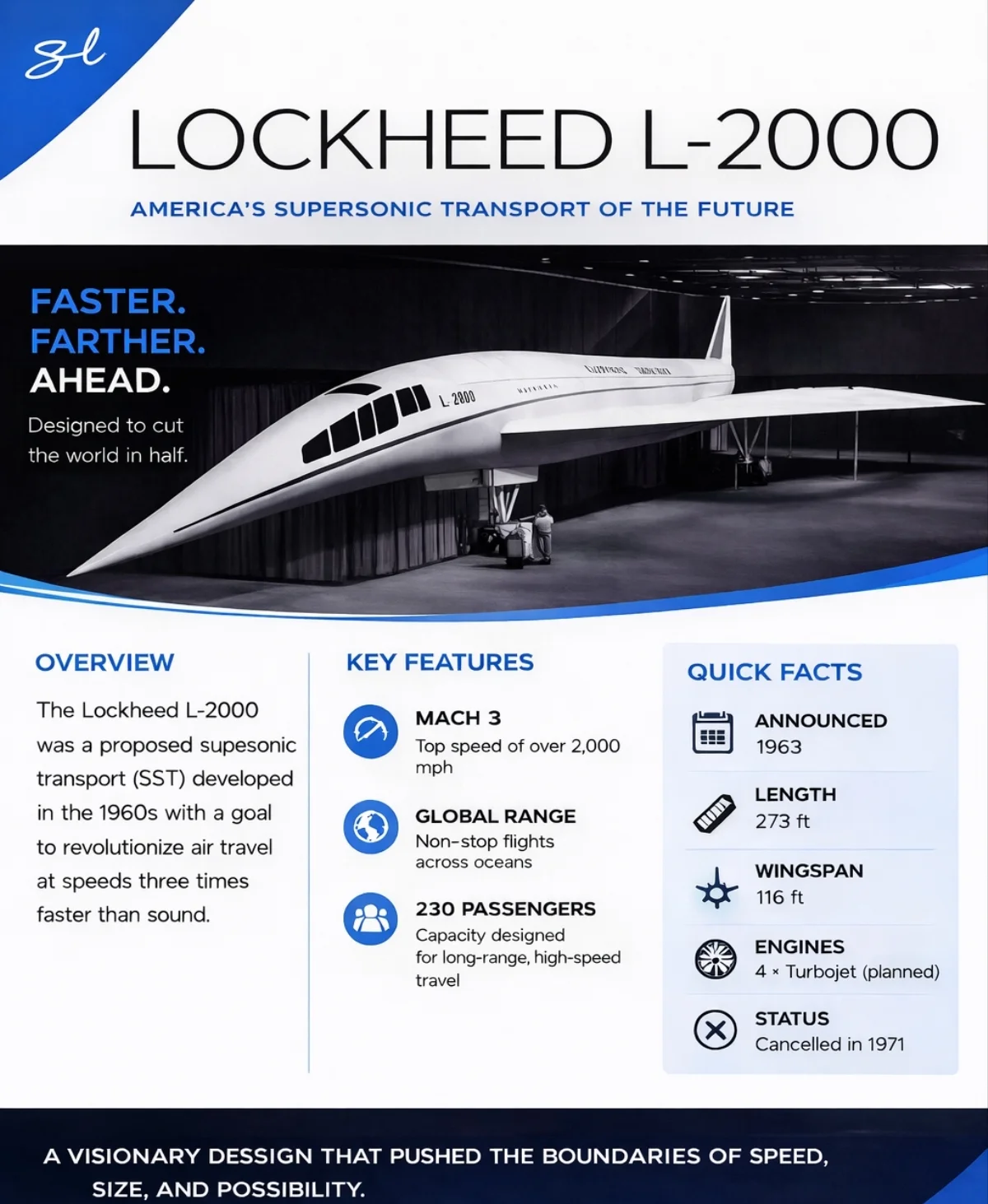
DISCOVER SBX CARS: The global premium car auction platform powered by Supercar Blondie
Henry joined the Supercar Blondie team in February 2025, and since then has covered a wide array of topics ranging from EVs, American barn finds, and the odd Cold War jet. He’s combined his passion for cars with his keen interest in motorsport and his side hustle as a volunteer steam locomotive fireman at a heritage steam railway.