Former Concorde Pilot offers look inside the world's only working Concorde simulator and it's a rare glimpse into aviation history
Published on Apr 10, 2026 at 2:20 AM (UTC+4)
by Henry Kelsall
Last updated on Apr 09, 2026 at 8:21 PM (UTC+4)
Edited by
Emma Matthews
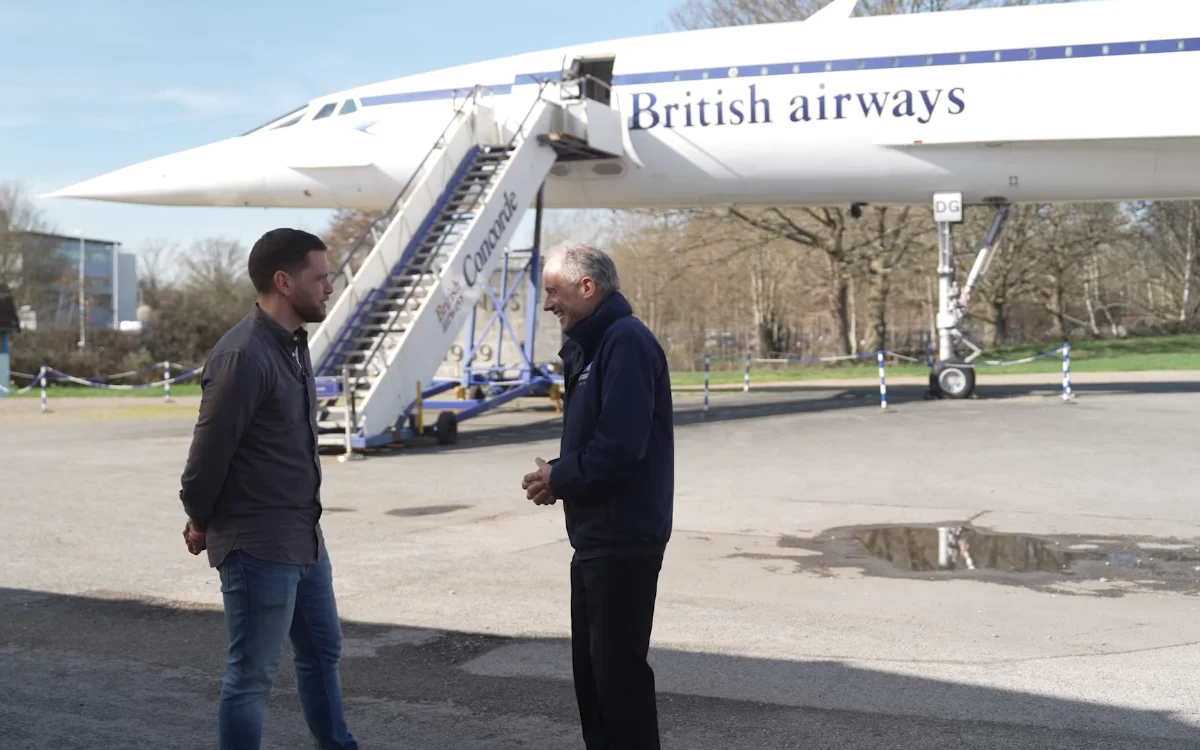

A former Concorde pilot was recently able to offer a look into the only working Concorde simulator in the world, thanks to the Brooklands Museum in England.
Once a Concorde captain, John Tye sat down with the Airchats YouTube channel to discuss the simulator, as well as what it was like flying Concorde.
This was, of course, the legendary supersonic airliner that flew with British Airways and Air France from 1976 to 2003.
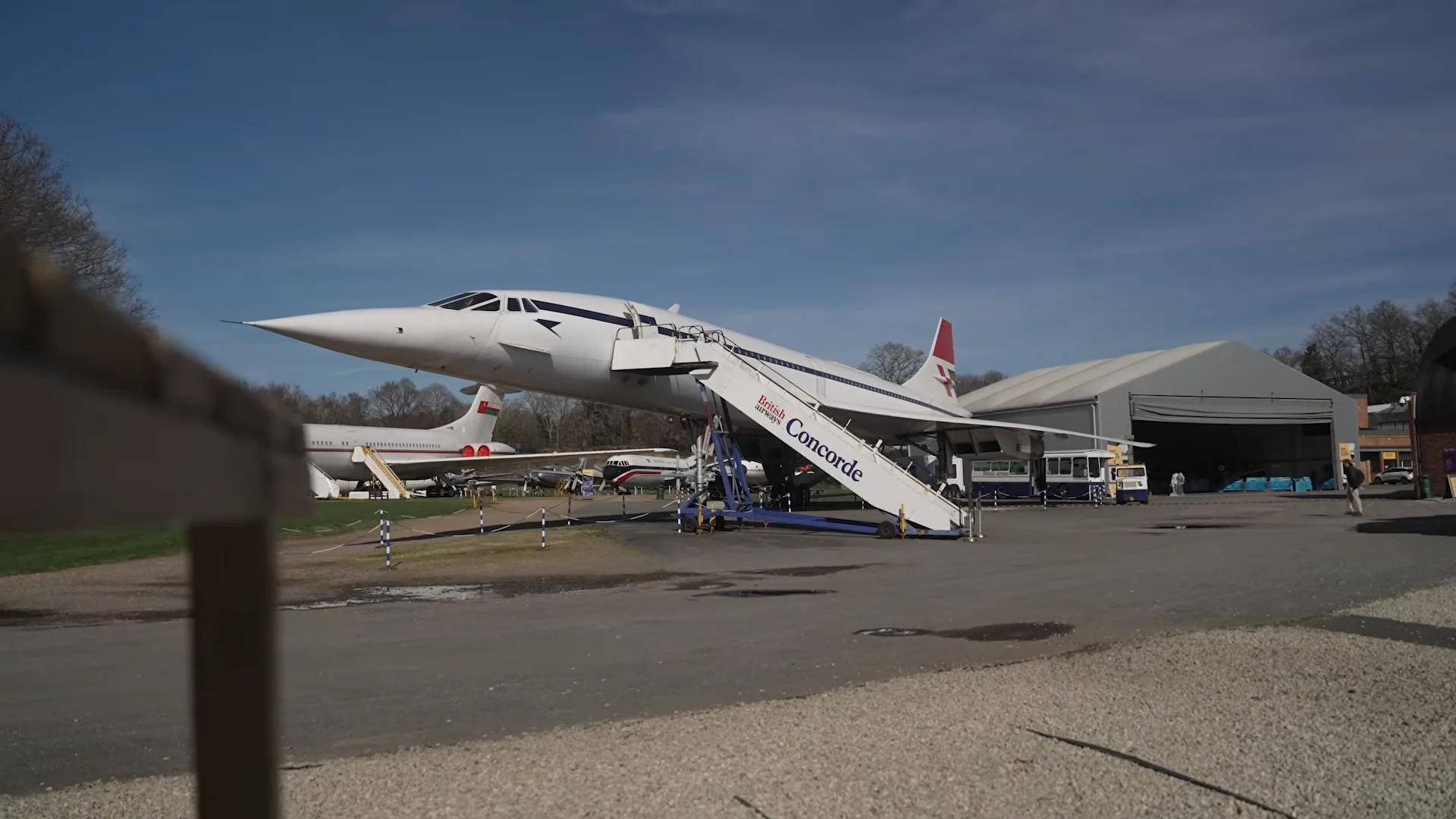
As luck would have it, Brooklands is also home to one of the surviving aircraft, preserved in early British Airways colors.
This is what it was like to fly the supersonic airliner
It is the thrill of flying Concorde itself that is perhaps the most amazing part of the interview with Tye.
He described what it was like flying the plane from London-Heathrow to Barbados, one of its few destinations not in America.
“I would have breakfast at home, drive to Heathrow, take off at 9:30 am, and get to Barbados in three hours and 40 minutes.”
“If you were to do that now, it would take nine hours,” said Tye.
“This was a time machine, it was absolutely remarkable,” he added.
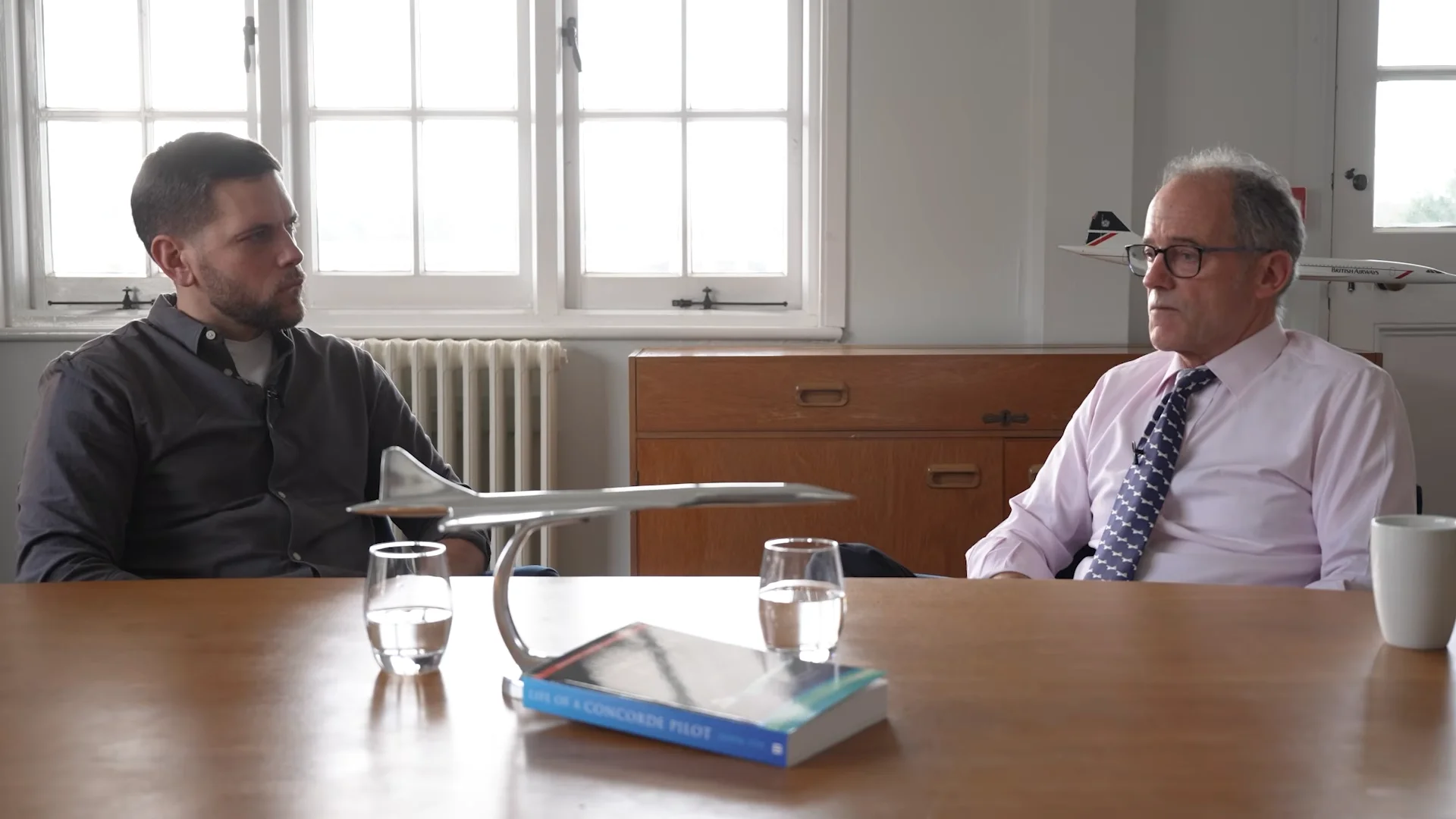
“We’re flying faster than a rifle bullet,” he said, saying the aircraft was one of humankind’s greatest achievements.
At full speed, Concorde could fly a mile every 2.5 seconds, and 23 miles a minute.
The numbers for the supersonic airliner are bewildering.
What is it like flying the Concorde simulator?
The Concorde simulator has a replica of the aircraft’s cockpit, and it is the only working one in the world.
Of course, the simulator lacks the feel of the real aircraft, such as its acceleration and landing sensation.
But once off the ground and over the ocean, the aircraft was permitted to fly supersonic as it was away from land.
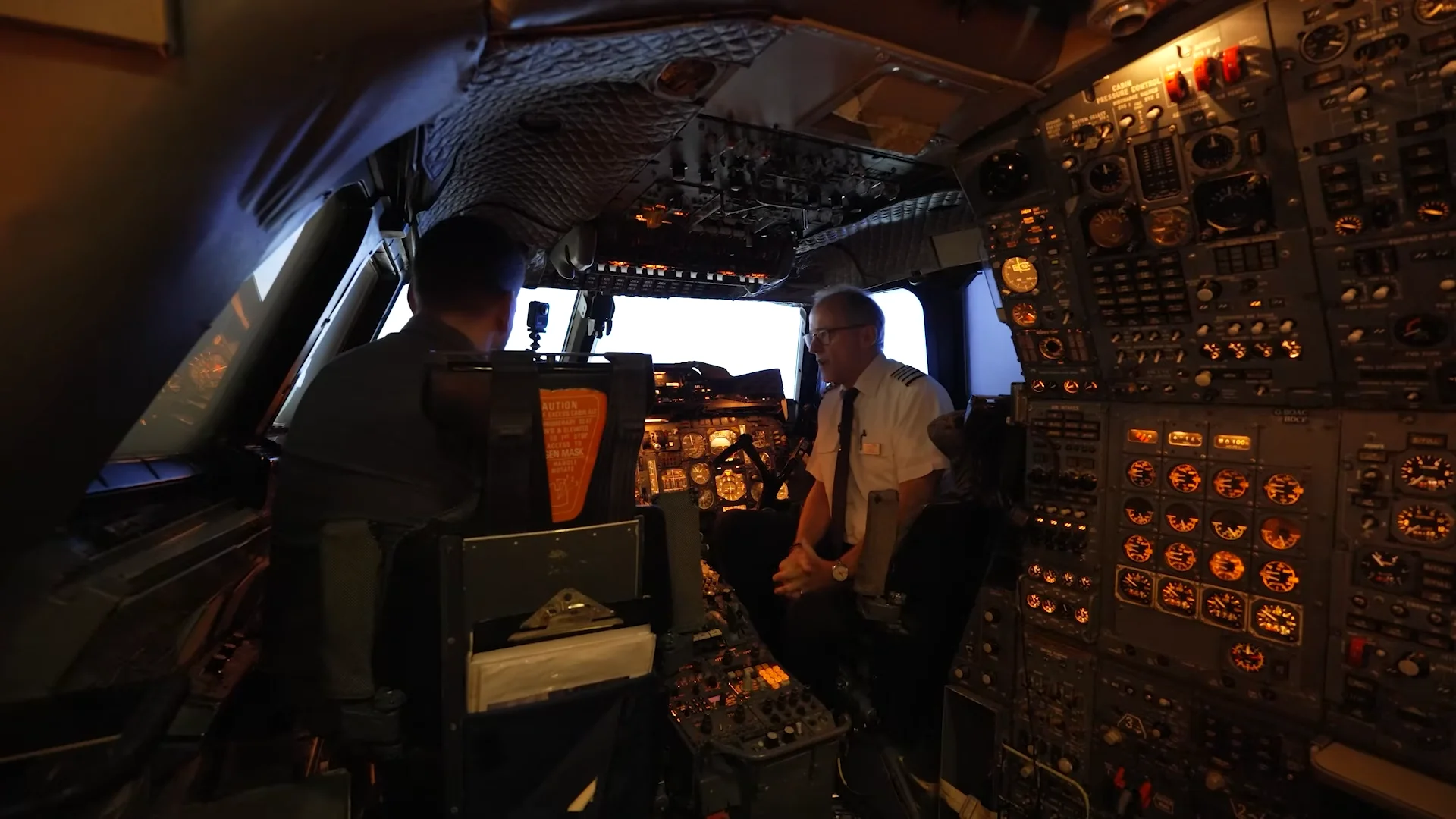
“To go supersonic, we put full power back, and then the reheat on in pairs,” explained Tye.
“All passengers would feel two nudges in their back as the reheat went on,” he added.
The aircraft would then reach Mach 1.7, when the reheat was turned off.

Concorde could then accelerate to Mach 2 with reheat turned off, known as ‘supercruise’.
There really was no aircraft like it, and there hasn’t been since it retired in 2003.
As Tye said at the end of the video, it remains an icon, thanks to its speed, beauty, and engineering.
The backdrop of Brookland’s Concorde shows this to perfection.
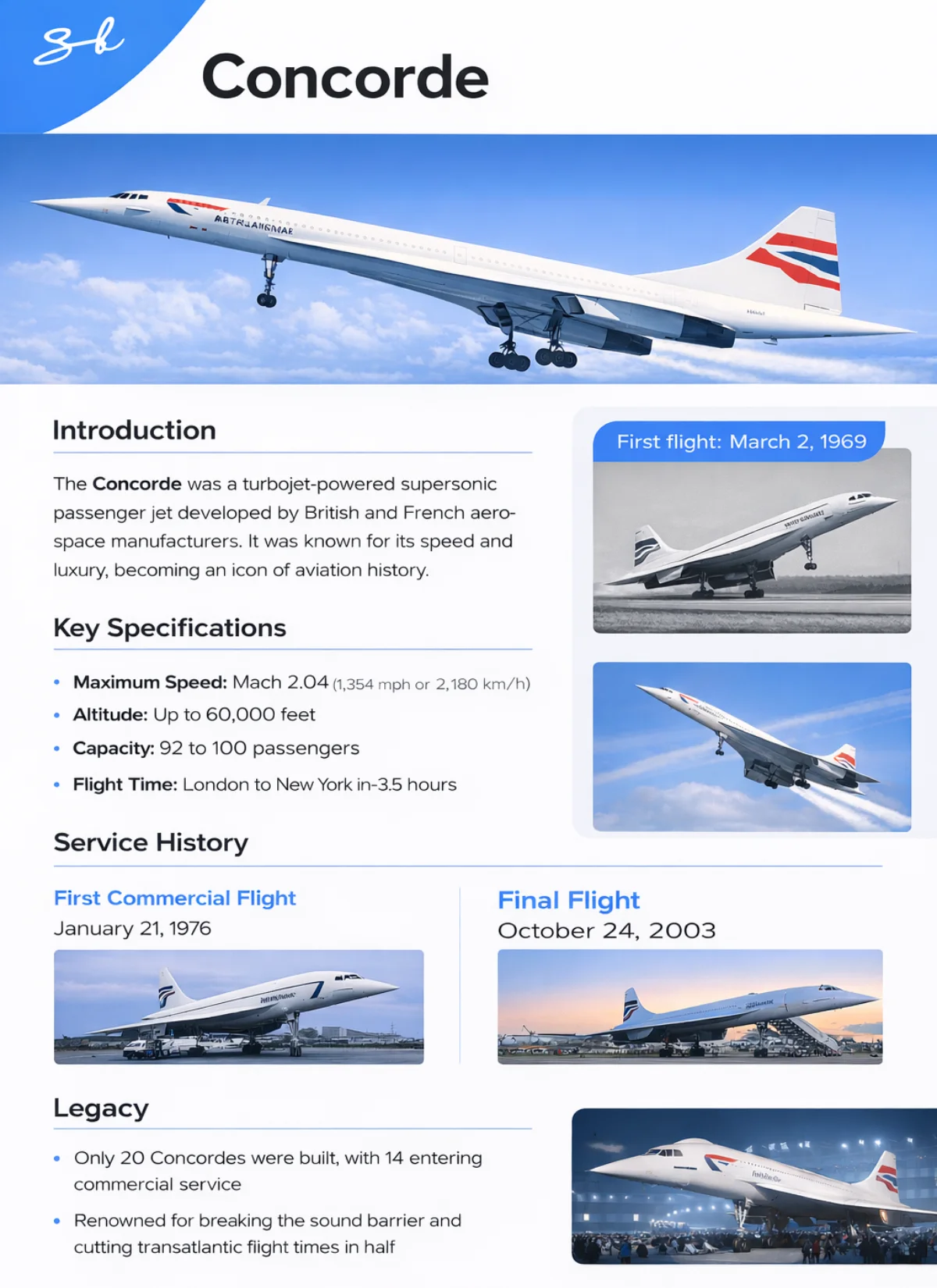
Concorde’s cutting-edge tech highlights
Droop nose design: Allowed pilots visibility during takeoff and landing
Olympus 593 engines: Afterburning turbojets made supersonic commercial travel possible
Mach 2 cruising speed: Nearly twice the speed of sound at 1,350mph
Carbon fiber brakes: First in commercial aviation to reduce high-speed wear
Delta wing shape: Provided stability at varying flight speeds
DISCOVER SBX CARS: The global premium car auction platform powered by Supercar Blondie
Henry joined the Supercar Blondie team in February 2025, and since then has covered a wide array of topics ranging from EVs, American barn finds, and the odd Cold War jet. He’s combined his passion for cars with his keen interest in motorsport and his side hustle as a volunteer steam locomotive fireman at a heritage steam railway.