Lufthansa's first Boeing 777-9 takes to the sky for the first time ever as new era begins
Published on May 18, 2026 at 12:31 PM (UTC-4)
by Alessandro Renesis
Last updated on May 19, 2026 at 11:15 AM (UTC-4)
Edited by
Mason Jones
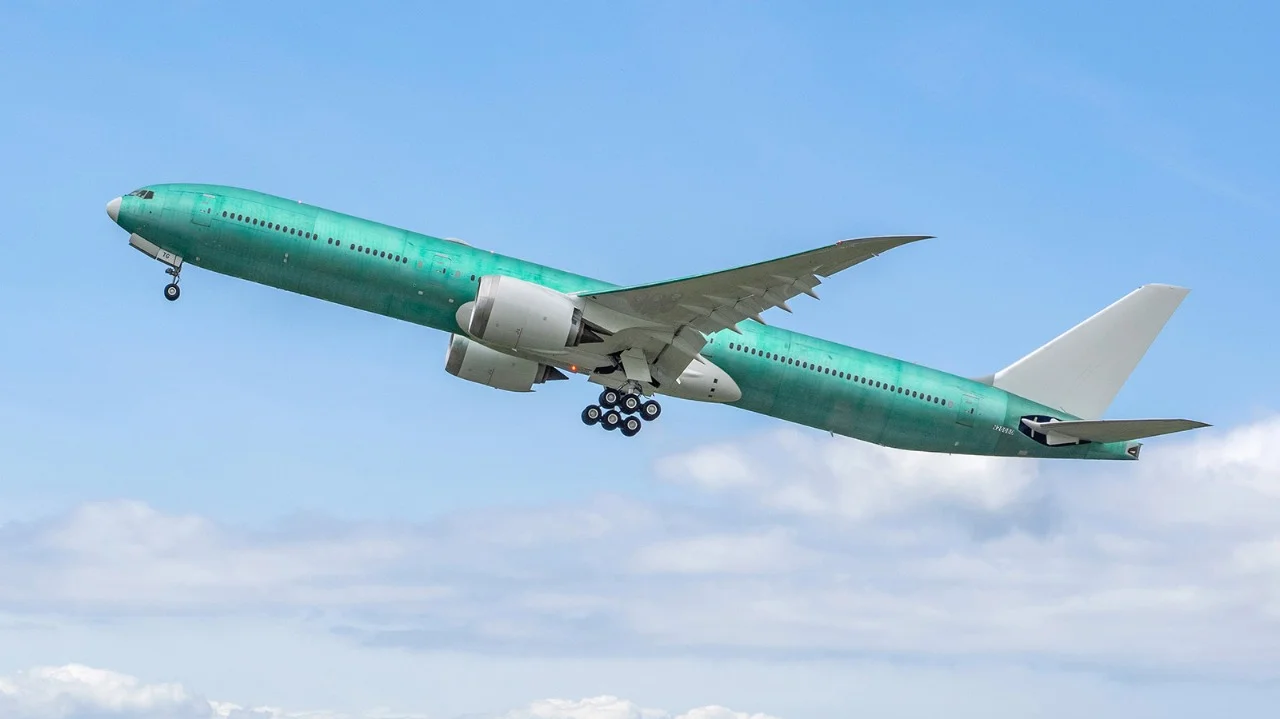

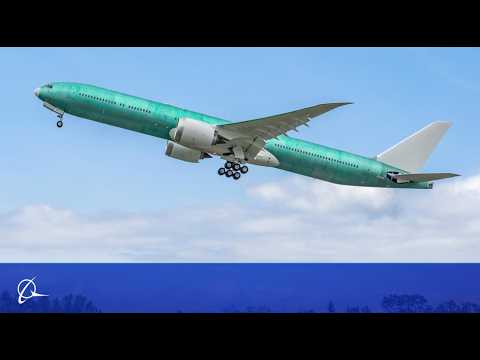
Boeing may have finally found a replacement for the 747 with the new 777-9, the first of which recently completed its maiden flight with a Lufthansa crew on board.
While the plane’s maiden flight was basically a test – there were no passengers on board – it’s certainly what you’d call progress.
This is good news for Boeing, which has been trying to find a replacement for the iconic 747 for decades.
If all goes to plan, the 777-9 ‘debut’ is just around the corner.
Third time’s a charm?
Boeing has been trying to replace the 747 for years, but it isn’t easy.
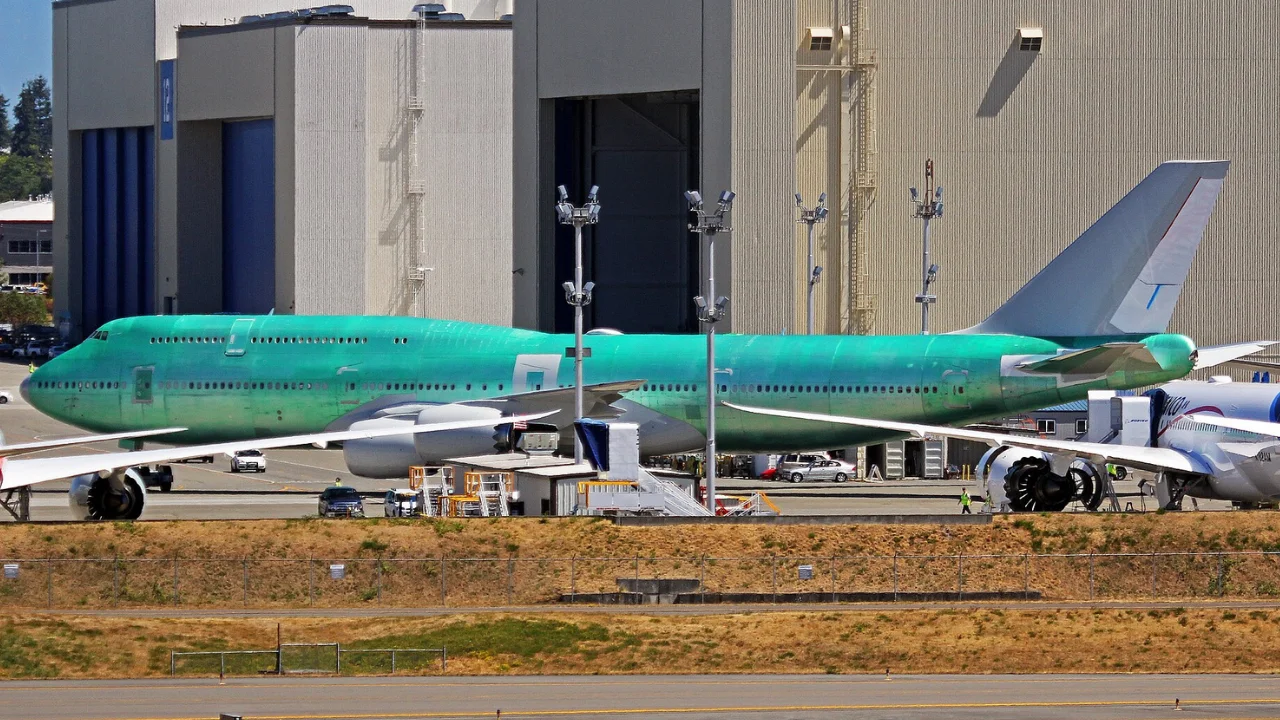
And it’s not difficult to see why: it’s very hard to improve on perfection, considering the 747 ‘Queen of the Skies‘ was arguably one of the most commercially successful and technically brilliant airliners ever made.
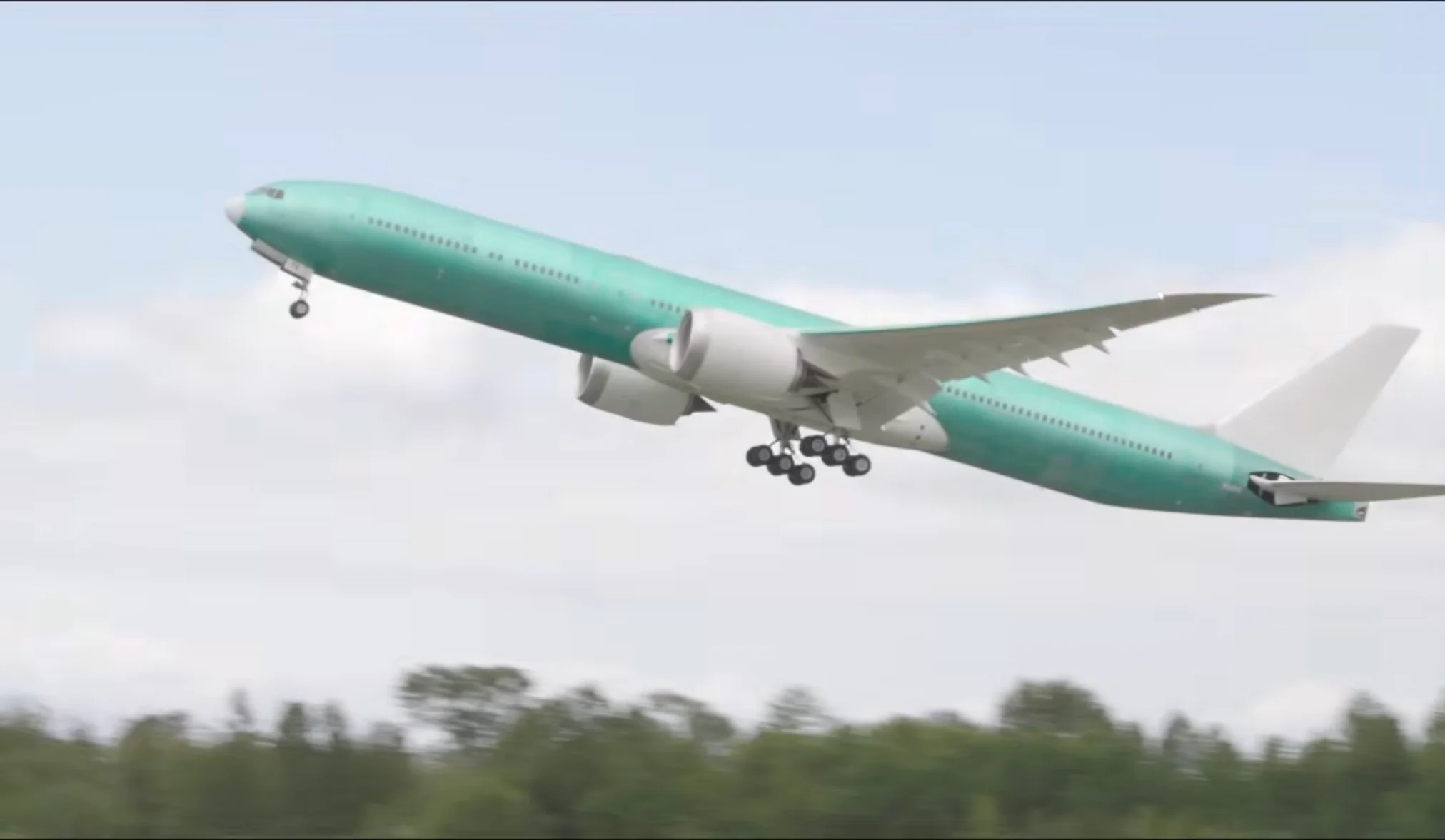
But after mildly successful widebodies like the 767 and the 787 Dreamliner, Boeing seems to have found its ultimate footing with the 777X family.
The 777-9, the one you see here, is generally considered the most direct spiritual and more importantly economic successor to the 747.
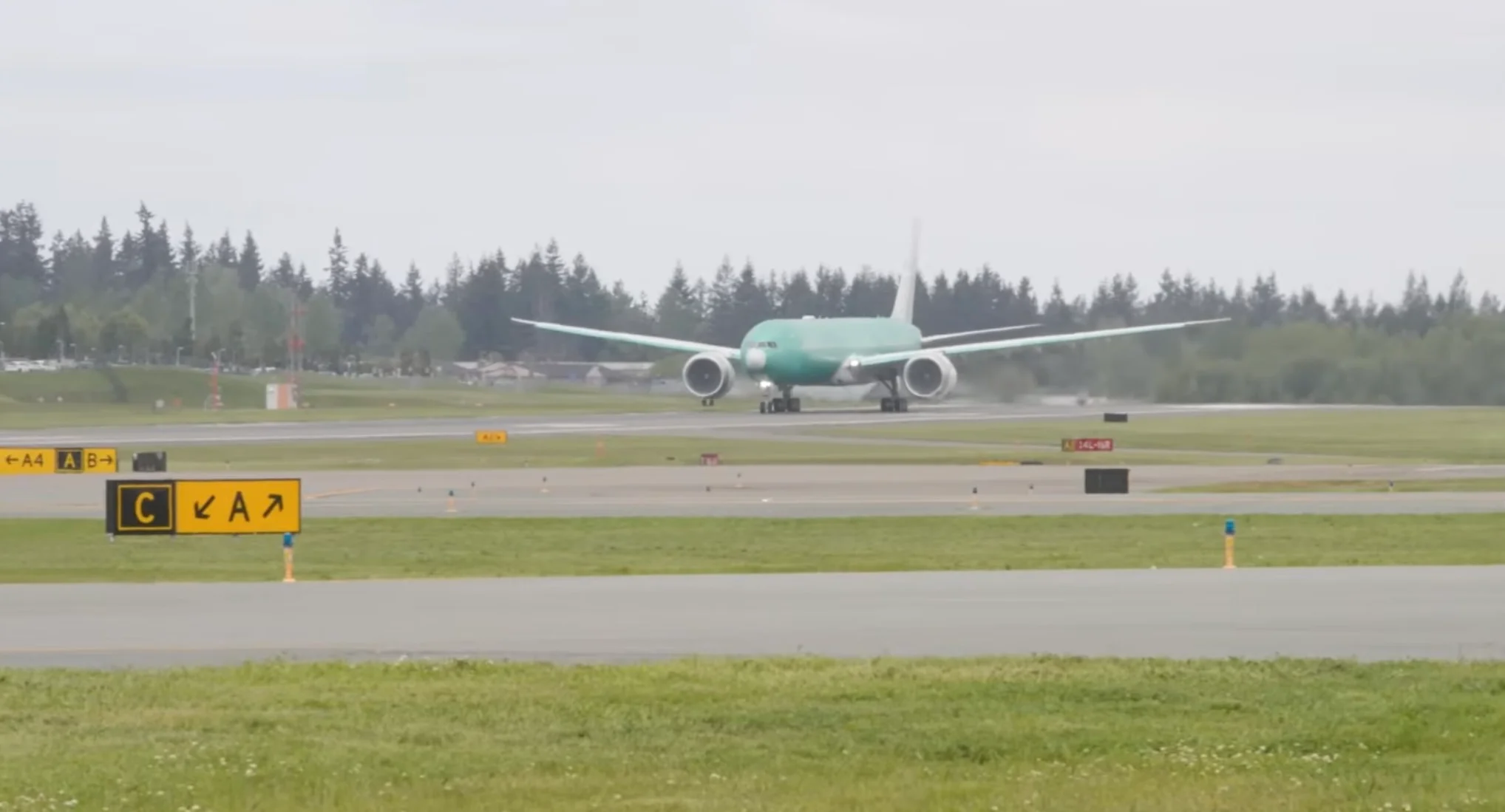
After years of testing, the 777-9 finally took off, pun intended.
The first 777-9 airplane (for Lufthansa) flew ahead of certification testing, which means its commercial debut is, hopefully, on the horizon for 2027.
The reason why the Boeing 777 is a huge leap forward
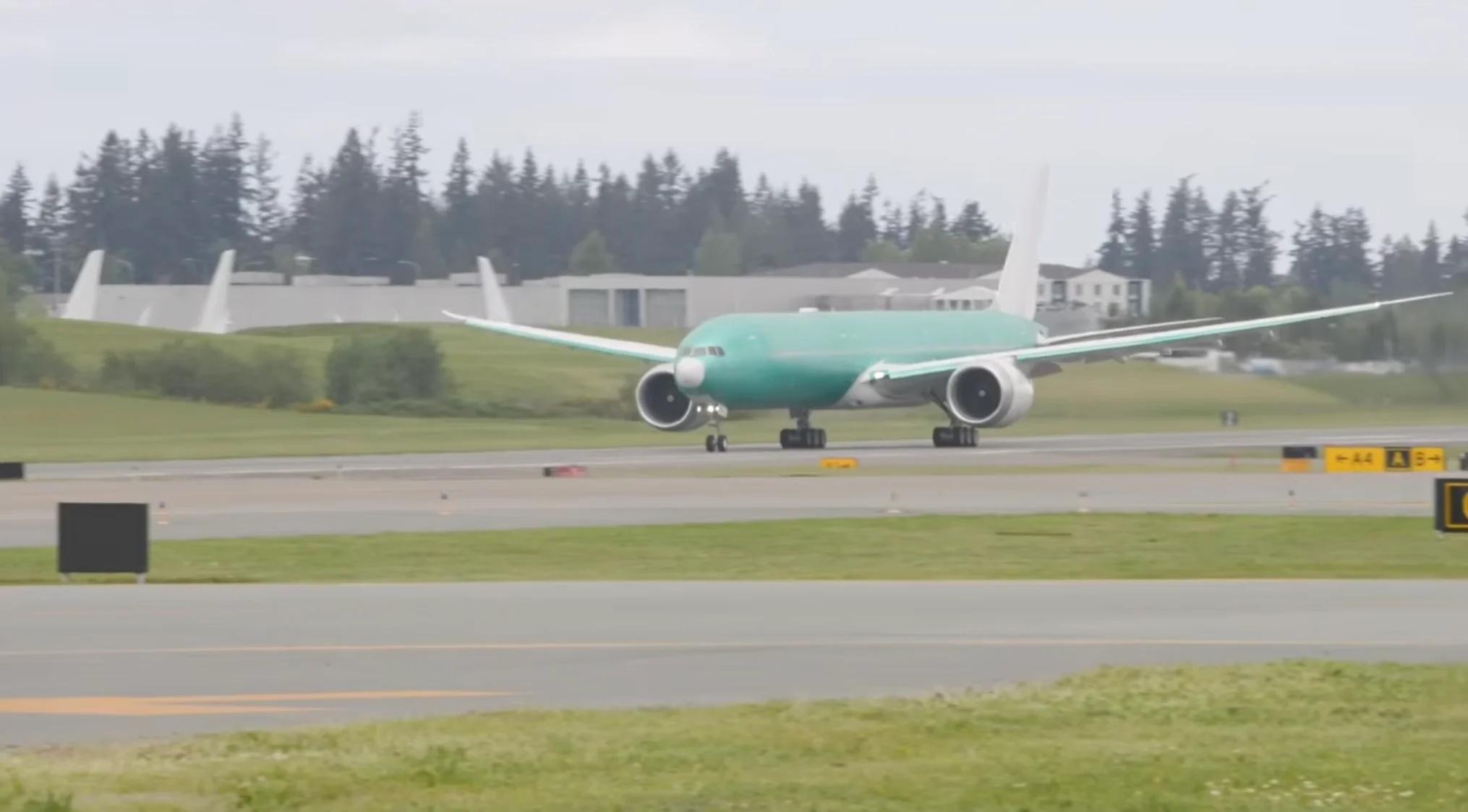
The 747 was great but it is too expensive by today’s standards.
For decades, it reigned supreme because it was the best quad-jet aircraft, and back then, regulations required aircraft flying long distances over oceans to have more than two engines for safety.
But that’s not a requirement anymore because engine reliability skyrocketed, which is why most airliners, including those built for the long haul, have two engines, not four.
Switching to two engines instead of four immediately slashes fuel and maintenance costs by about 20-25 percent.
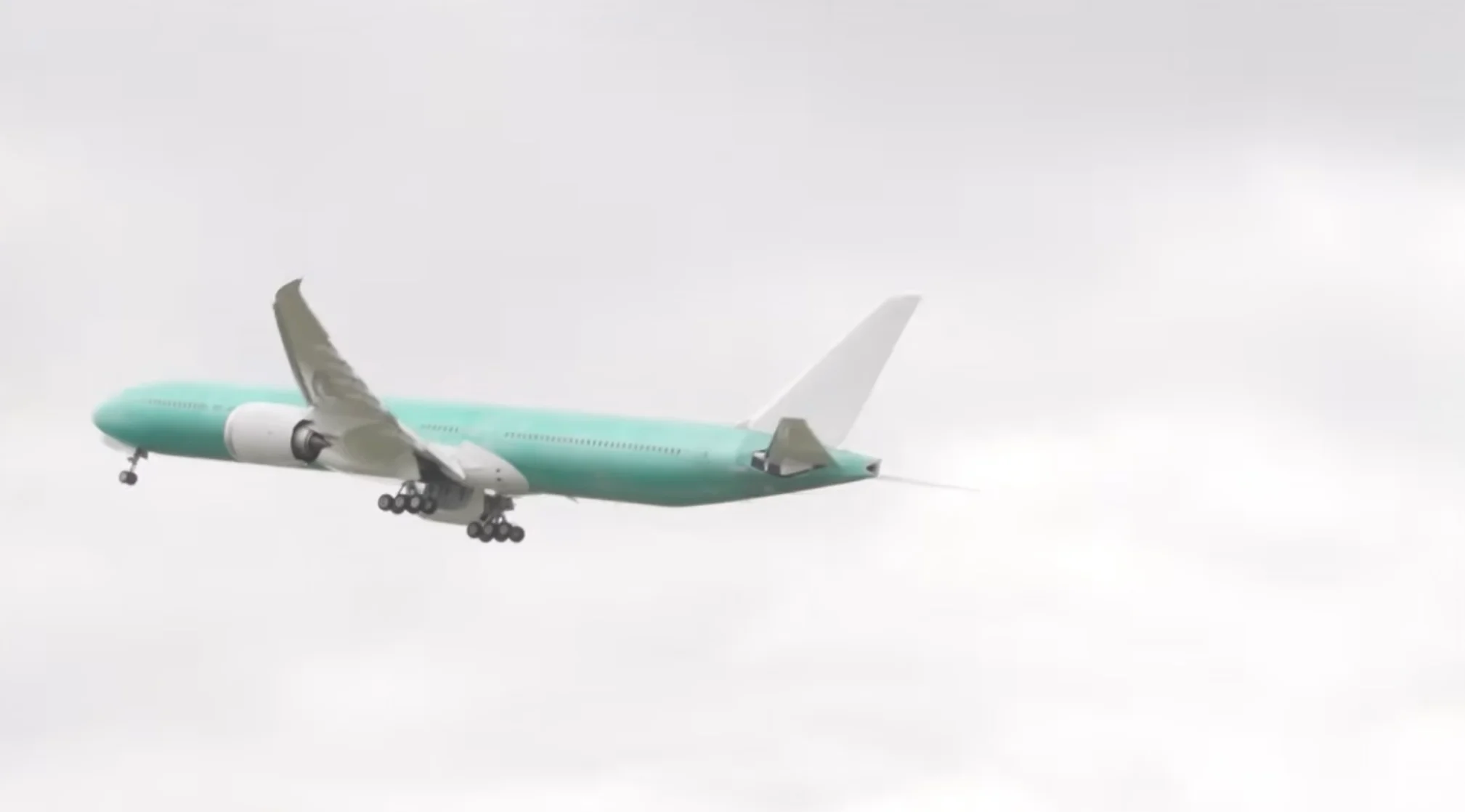
If everything goes to plan, the 777X series will become Boeing’s flagship airliner, and the timing is just right because Airbus is now dominating this particular segment of the market.
Basically like the 747, but cheaper to run
If you’re a passenger, the 777-9 should feel the same as a 747.
The 747-8 seated between 410 and 467 passengers.
The 777-9 has room for 426 passengers in a standard two-class layout.
So passengers will see a newer version of an airplane they already know, but airlines will have aircraft fleets that are much cheaper to run.
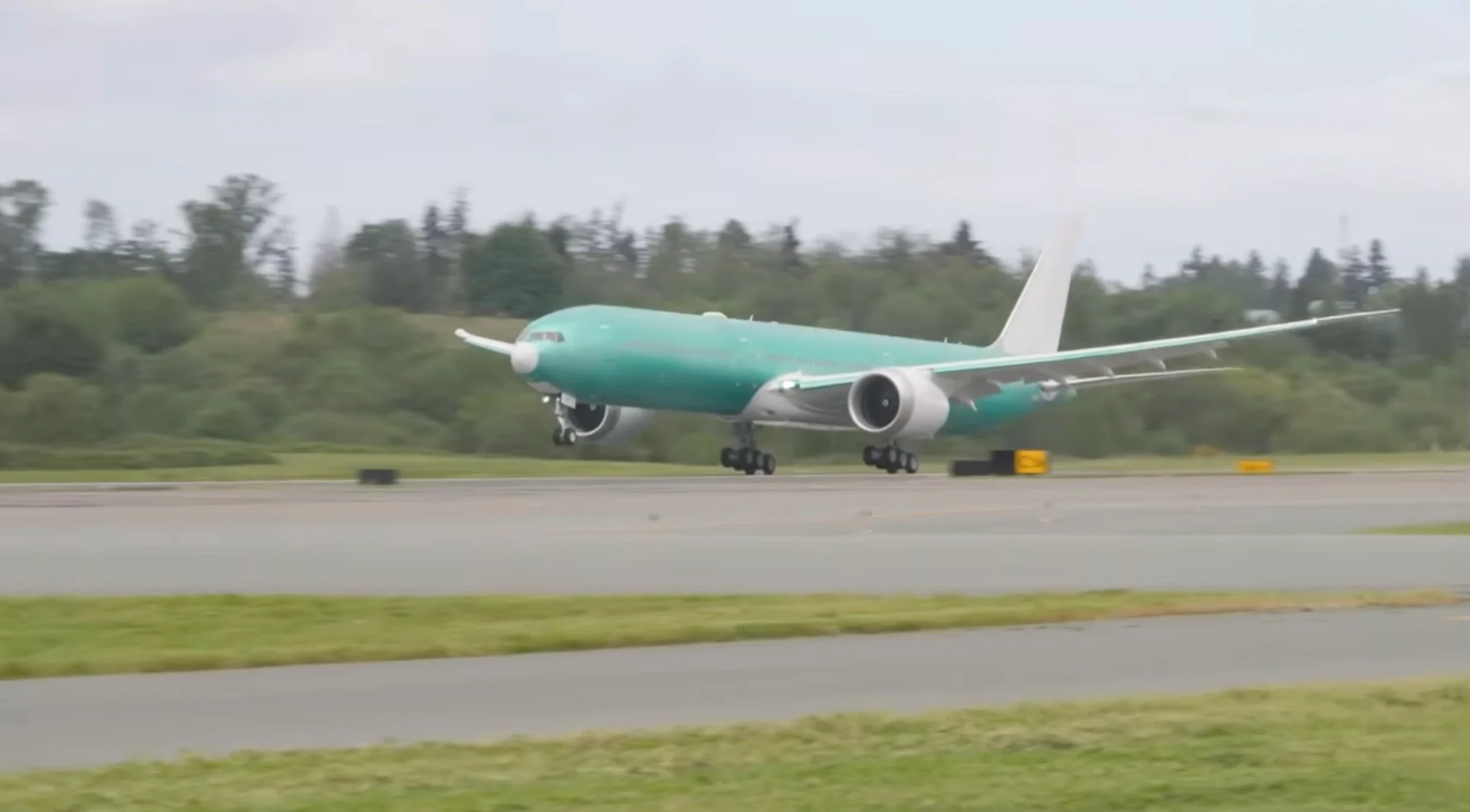
Major carriers that have historically relied on 747s – like Cathay Pacific and indeed Lufthansa – have already placed orders to replace their aging 747s with 777s.
If everything goes to plan, you’ll be able to actually fly on a 777-9 by 2027.
Alessandro is an automotive journalist with 10 years of experience covering supercars, automotive history, emerging vehicle technology, and luxury transportation. He wrote the first article published on SupercarBlondie.com when the website launched in 2022 and has since built a reputation for insightful reporting across the automotive and transportation industries. His expertise is grounded in hands-on experience. Alessandro has driven every Tesla model ever produced, from the original Roadster to the Cybertruck, and regularly covers the latest developments in electric vehicles and automotive innovation. His passion for transportation extends beyond cars, he has even flown a Boeing 787 Dreamliner simulator in Addis Ababa, Ethiopia. His reporting spans everything from classic American muscle cars and rare automotive discoveries to luxury yachts, private aircraft, high-end watches, and cutting-edge vehicle technology. Known for his deep knowledge of automotive history and ability to uncover the stories behind iconic vehicles, Alessandro brings readers a blend of historical context, technical expertise, and first-hand experience.