Man is 3D-printing an entire $20,000,000 F1 car that will run and drive just like a regular one would
Published on Mar 12, 2026 at 2:03 AM (UTC+4)
by Jason Fan
Last updated on Mar 12, 2026 at 5:15 PM (UTC+4)
Edited by
Mason Jones

3D printing a 2026 F1 car might sound impossible, but that was exactly the ambitious project YouTuber Mike Lake set out to tackle.
Instead of building a small-scale model, Lake decided to create a full-size, running Formula 1–style car almost entirely from 3D-printed parts.
The wild build aimed to replicate the look and performance of a modern race car that would normally cost tens of millions of dollars to develop.
If everything worked as planned, the finished machine wouldn’t just sit in a garage; it would actually drive, and possibly even drift.
Click the star icon next to supercarblondie.com in Google Search to stay ahead of the curve on the latest and greatest supercars, hypercars, and ground-breaking technology
The front wing is one of the most complex parts of any F1 car
Formula 1 represents the absolute peak of motorsport engineering.
Teams competing in the Formula One spend enormous budgets designing cars packed with advanced aerodynamics, cutting-edge materials, and highly specialized power units.
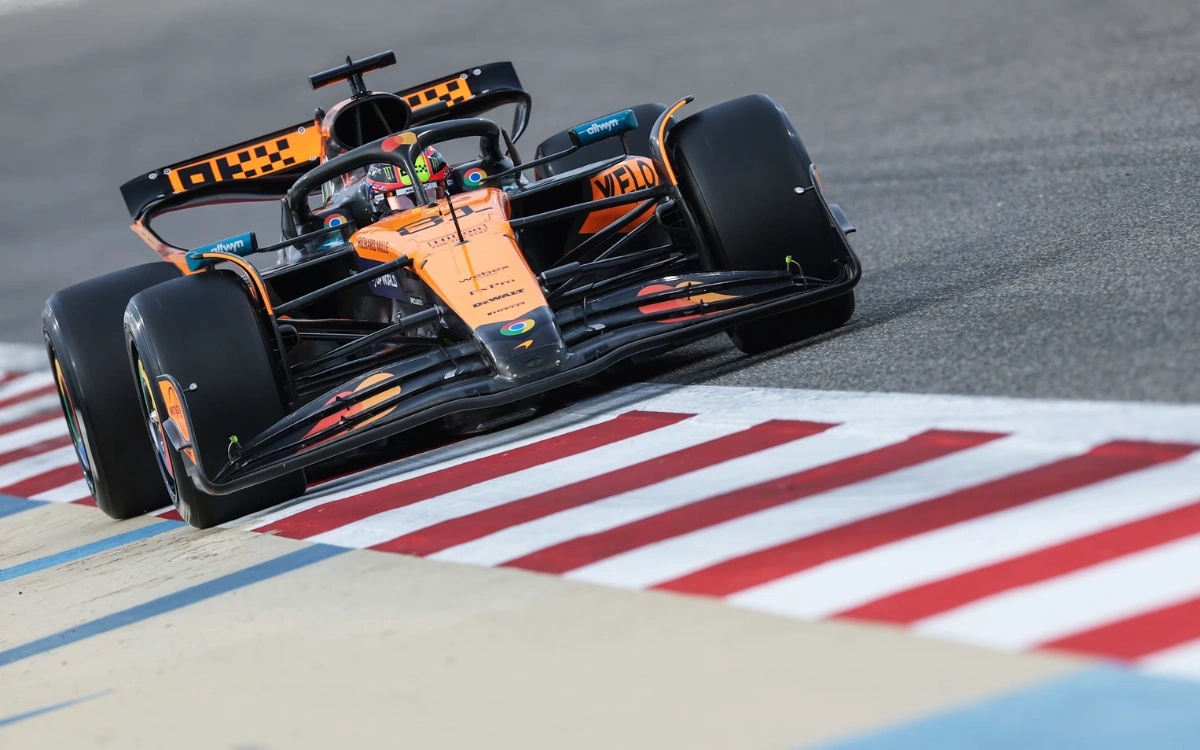
A modern F1 car could cost around $20 million to develop, making it completely out of reach for most people.
That was where Lake’s unconventional idea came in.
In a recent video, the creator revealed that he ordered a fleet of Bambu Lab H2S 3D printing machines for this new project.
Once those were set up, he began manufacturing parts for a life-size 2026 F1 car using PETG plastic filament.
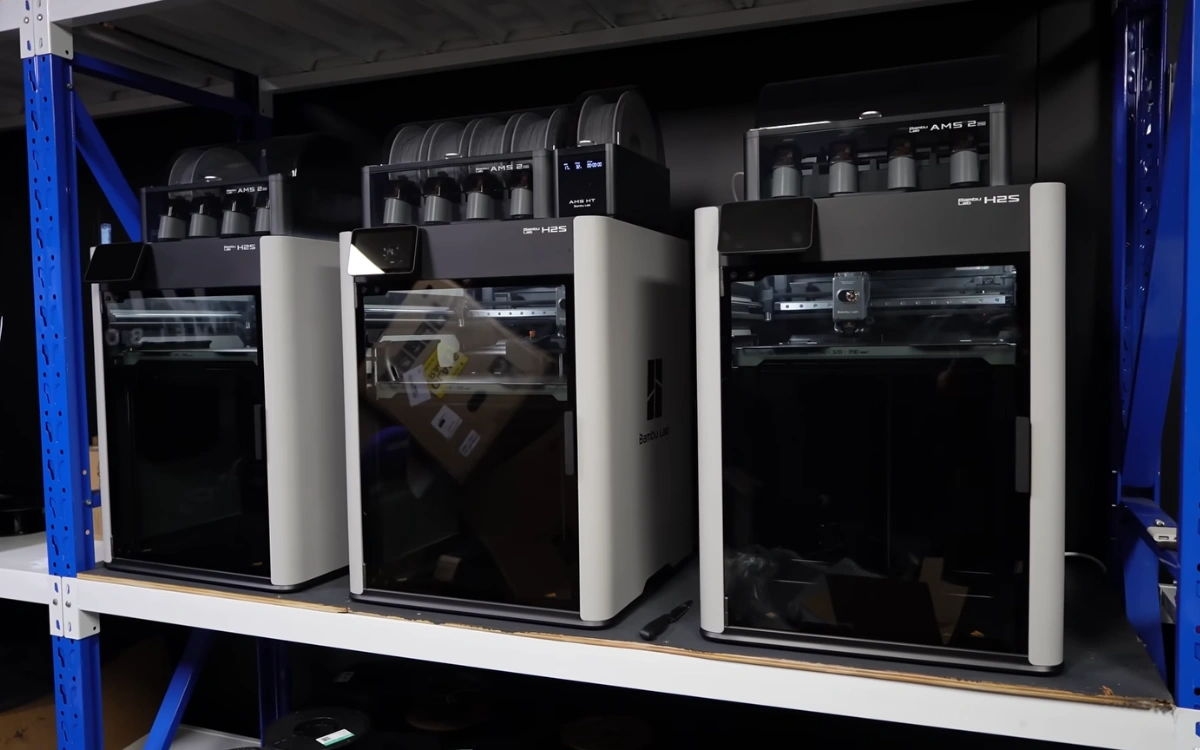
The printers handled large builds and could print multiple materials simultaneously, allowing Lake to produce complex components piece by piece.
The first major component he tackled was the front wing, which is one of the most aerodynamically complex parts of any F1 car.
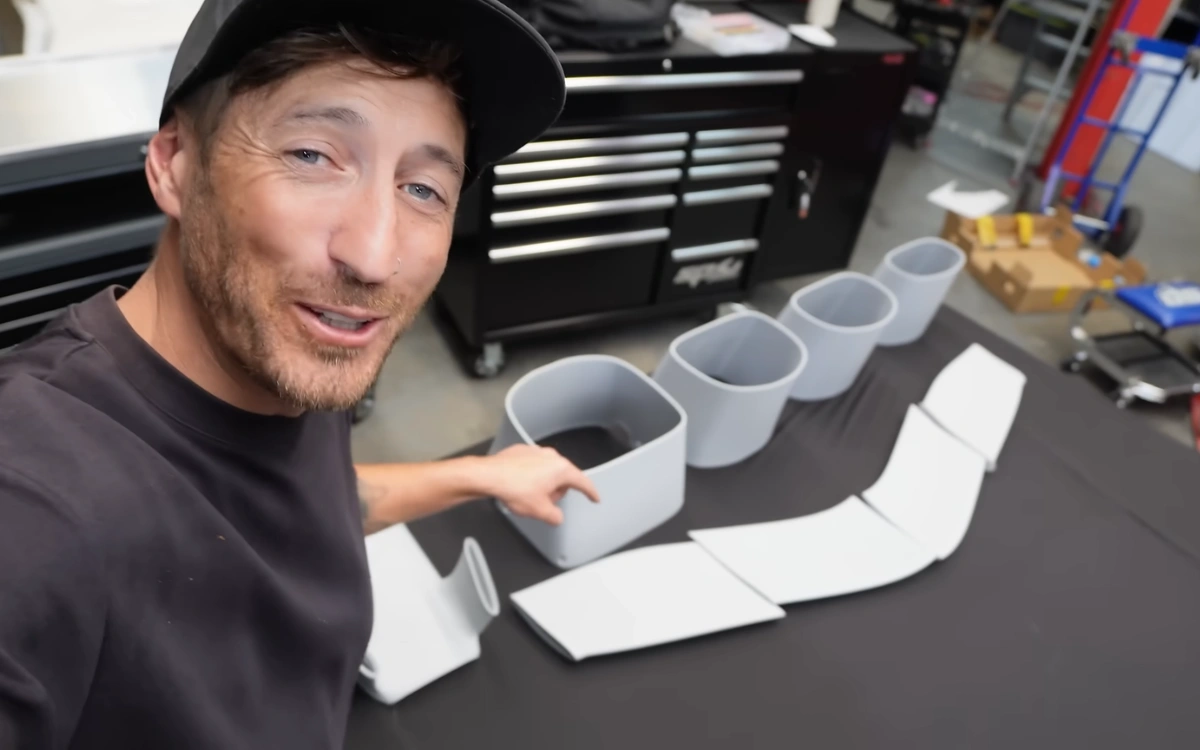
In total, the wing required 38 individual pieces and more than 175 hours of printing time.
By the time the final section finished, the build had consumed roughly nine kilograms (19.84 lbs) of plastic and about $220AUD ($158) worth of material.
Once the parts came off the printer, the real work began.
Each section needed sanding and cleaning before assembly.
Lake used plastic welding techniques, including a soldering iron and specialized heat staples, to fuse the printed parts together.
A strong adhesive helped bond the pieces while maintaining structural rigidity.
Piece by piece, the front wing began to take shape.
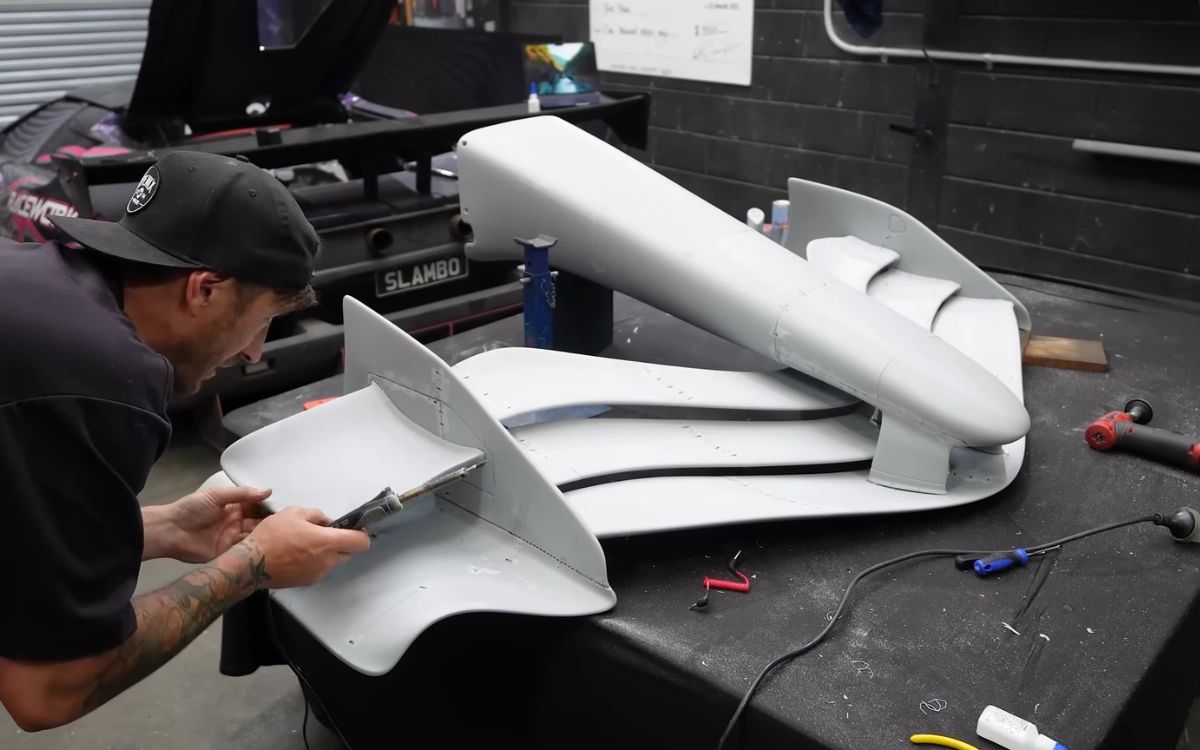
The finished component featured three aerodynamic wing blades and the distinctive side plates that gave Formula 1 cars their aggressive look.
When fully assembled, the structure stretched nearly the width of a real F1 front wing, which is about two meters (6.56 feet) wide.
Printing the car’s body will be a big challenge
Even in its early stage, the scale of the project quickly became clear.
Lake measured the intended wheelbase of the finished car at roughly 3.4 meters (11.15 feet), meaning the entire vehicle would be far larger than most road cars.
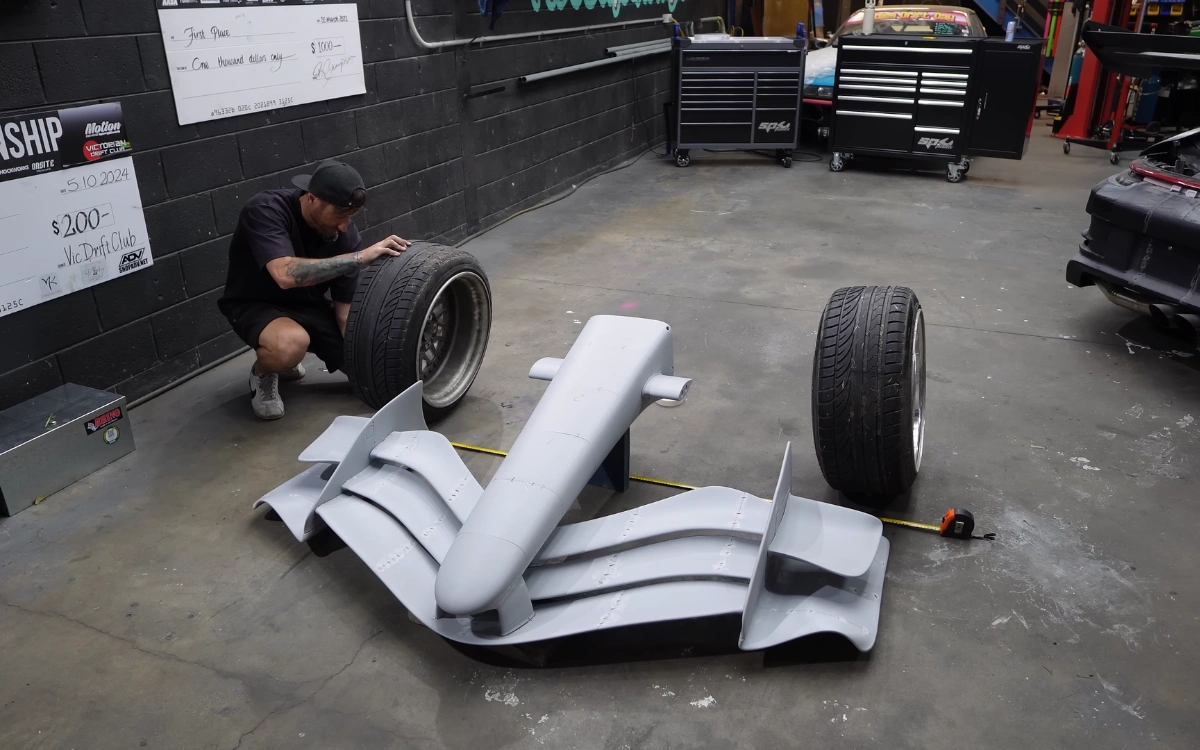
And the front wing was only the beginning.
Future stages of the project would include printing the car’s monocoque body structure and designing a custom chassis capable of supporting a powerful engine.
Lake also hinted that the final build would feature the styling of a modern Formula 1 car while producing the unmistakable sound of older F1 engines.
If everything went according to plan, the result could become one of the most unusual race car builds ever attempted.
Stay tuned for more updates, and in the meantime, you can check out the video to see the full build unfold:

DISCOVER SBX CARS: The global premium car auction platform powered by Supercar Blondie