Man who's 3D-printing an entire full scale F1 car reveals it took over 175 hours just to print the front wing
Published on Mar 31, 2026 at 4:17 AM (UTC+4)
by Jason Fan
Last updated on Mar 30, 2026 at 2:58 PM (UTC+4)
Edited by
Emma Matthews
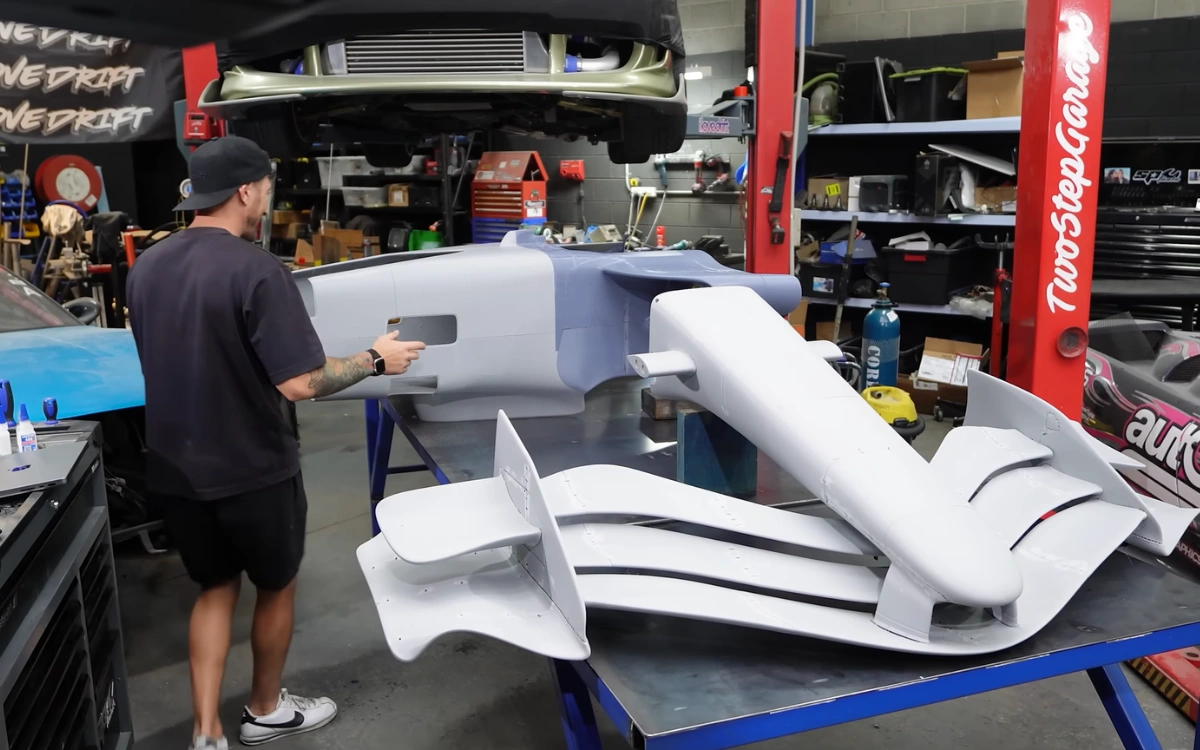

While a regular F1 car would be engineered in a factory, this one is slowly coming to life in a garage, thanks to a YouTuber’s wild 3D-printing journey.
The YouTuber documented an ambitious build that turned digital files into a full-scale Formula 1-style car.
And in case you thought that the process was just him pressing ‘print’, the reality couldn’t be further from the truth.
After all, just the front wing alone took over 175 hours to complete.
Enter our competition to win a stunning 2006 Ford GT or $400,000 cash!
3D-printing materials take more time than most people think
In a recent update, YouTuber Mike Lake revealed that the project had moved on to one of the most complex and iconic parts of any F1 car: the monocoque, or cockpit.
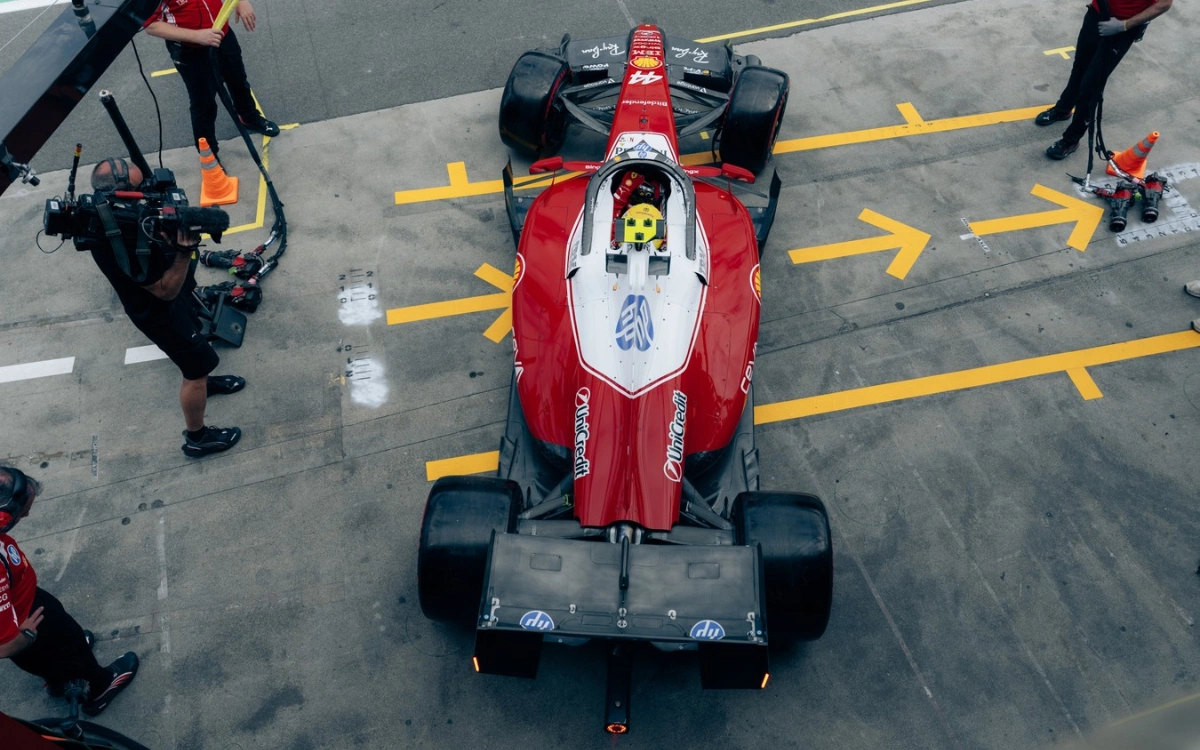
Traditionally made from ultra-strong carbon fiber, it acts as the survival cell for the driver.
In this case, however, 3D-printing this version means it was designed mainly for aesthetics, as the car would sit on a custom-built tube frame chassis instead.
Even so, the scale of the project remained staggering.
The monocoque alone consisted of 61 individual printed pieces, requiring hundreds of hours of printing time and around 11 kilograms (24lbs) of filament.
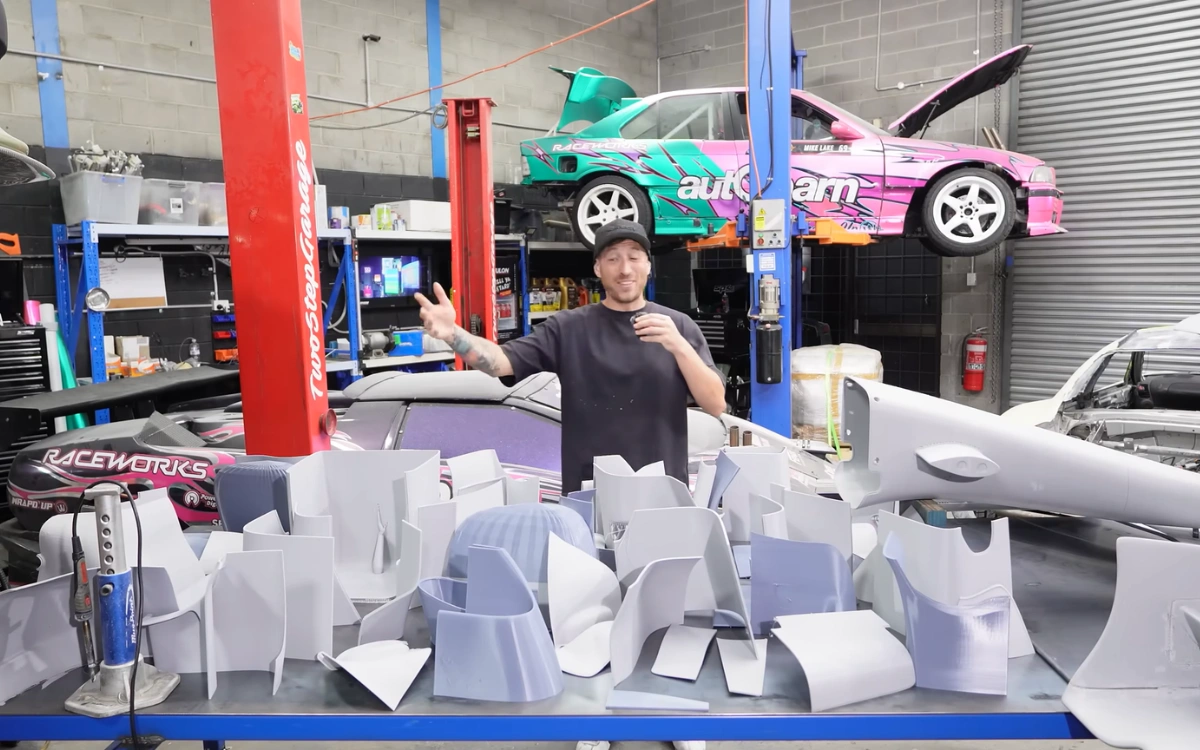
In total, the parts had taken roughly 308 hours to print before assembly even began.
The creator described the process as daunting, comparing it to solving a giant, complex puzzle.
To support the build, a custom jigging table had been fabricated from steel, ensuring everything stayed perfectly level and aligned.
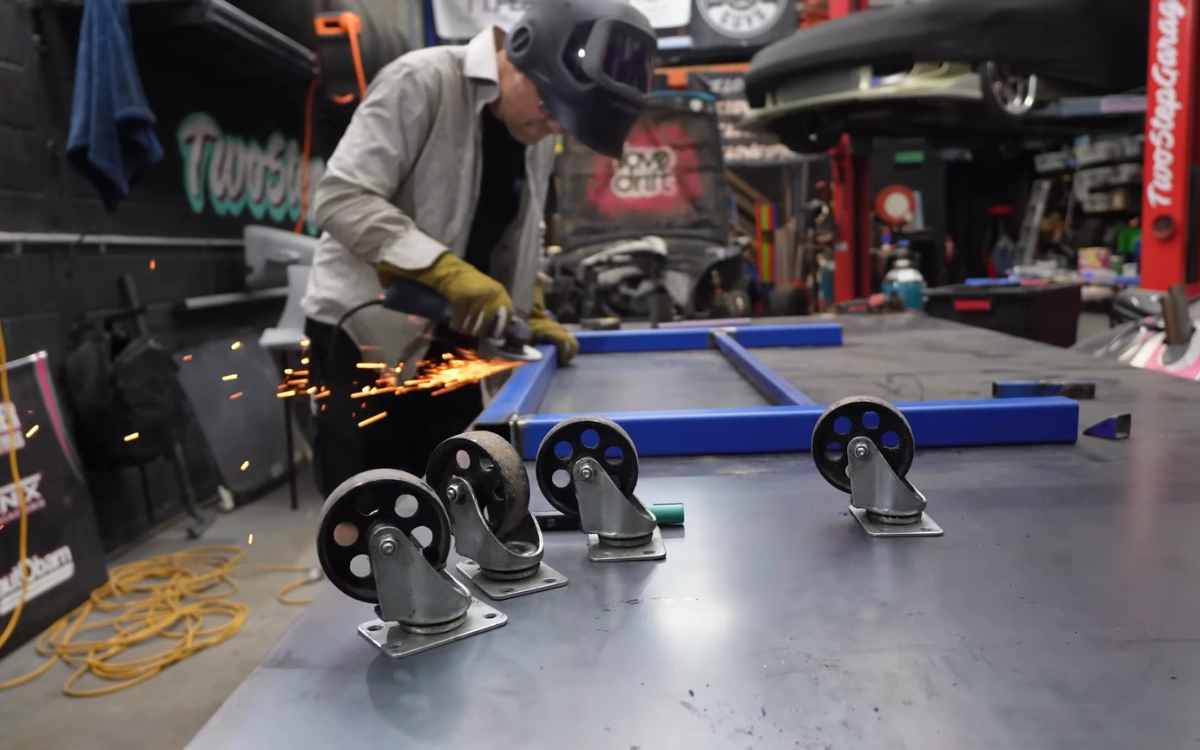
It might have sounded excessive, but precision is critical when building something this intricate from scratch.
From welding the frame to double-checking measurements, every step had been carefully planned to avoid costly mistakes later on.
It’s really rewarding to see the project take shape
Putting the monocoque together proved just as challenging as printing it.
Using a combination of heat welding, plastic staples, and industrial adhesive, the structure was slowly assembled piece by piece.
Despite the complexity, the results were immediately rewarding, with the unmistakable shape of a Formula 1 car beginning to emerge.
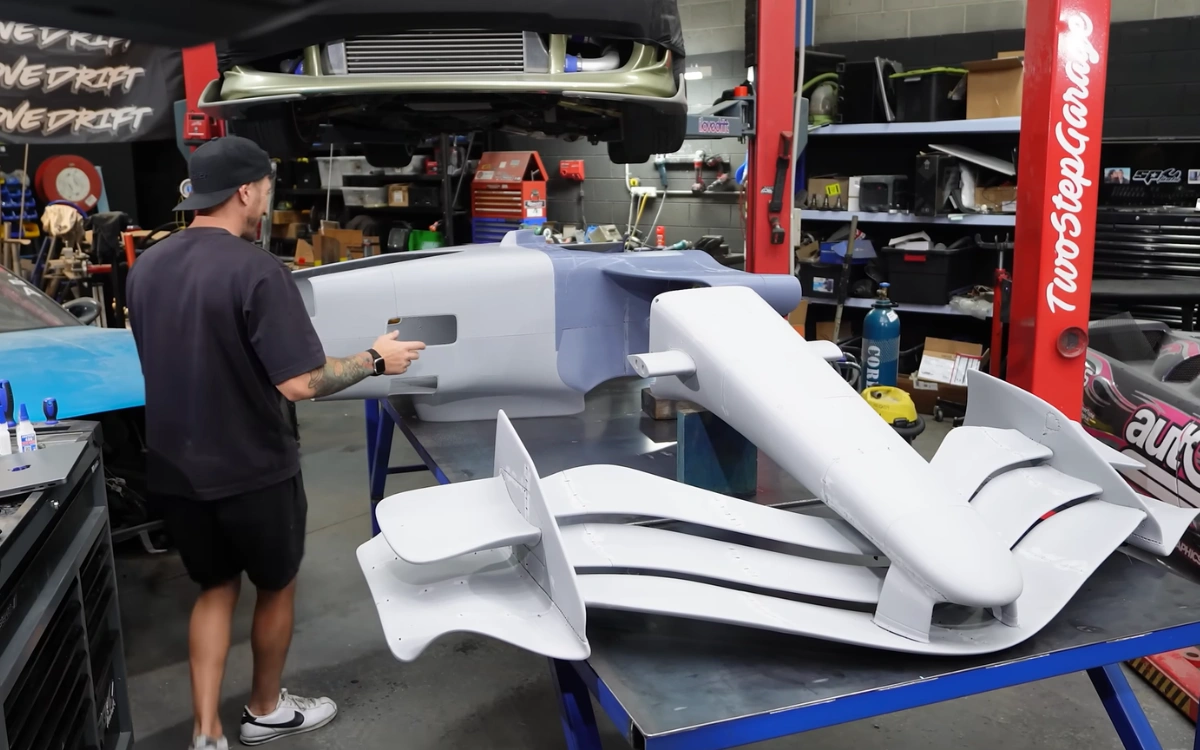
Perhaps the most striking moment came when the YouTuber finally sat inside the partially assembled cockpit.
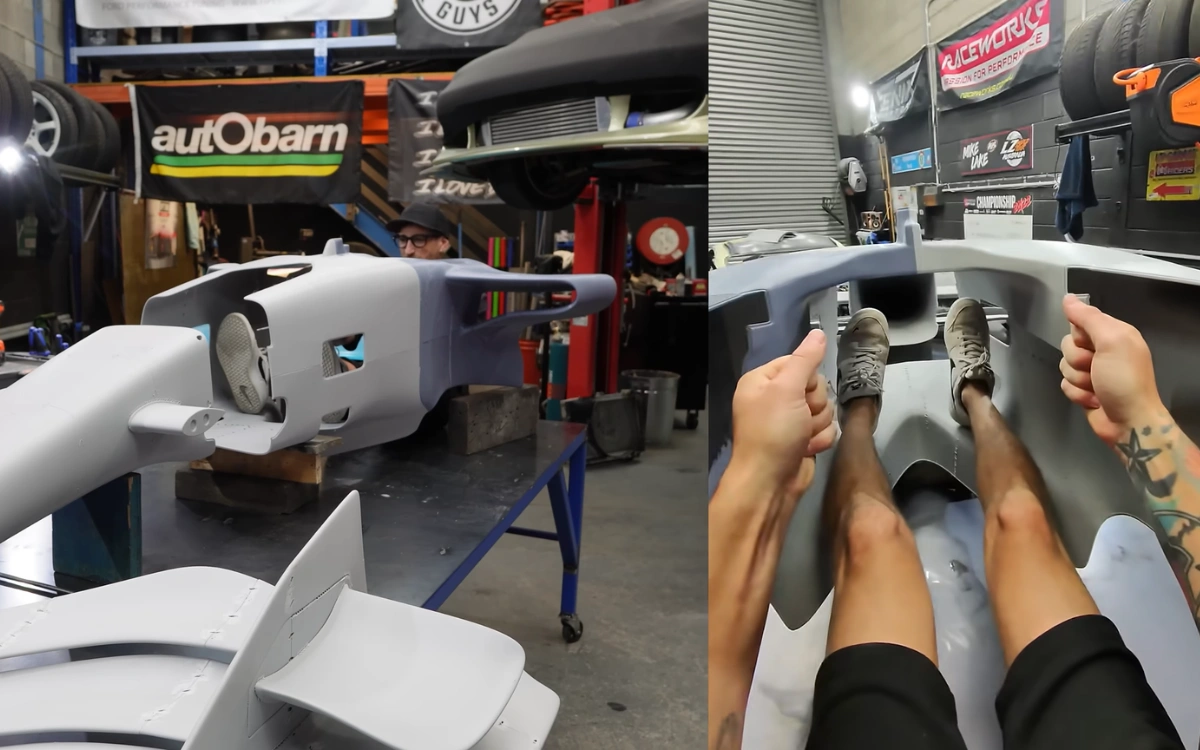
Even without the full chassis or drivetrain, the project was starting to genuinely resemble an F1 car that could move on its own.
And while the project wasn’t cheap, it’s certainly much more affordable than an actual F1 car.
If you want to see the progress yourself, check out the full video below:

DISCOVER SBX CARS: The global premium car auction platform powered by Supercar Blondie