Man drives a Jeep down a highway while two hackers remotely attack it from miles away to show what the experience is like
Published on Jan 08, 2026 at 6:57 AM (UTC-5)
by Daisy Edwards
Last updated on Jan 08, 2026 at 7:11 AM (UTC-5)
Edited by
Amelia Jean Hershman-Jones

A man decided to drive a Jeep down a US highway while two hackers remotely attacked it from miles away to show whether it was possible.
It sounds like a Hollywood stunt, but this was a real test conducted on a public highway in St Louis, Missouri.
Two security researchers demonstrated that they could hijack key functions in a stock 2014 Jeep Cherokee using only a remote internet connection.
The demonstration showed just how quickly a modern connected car can turn from everyday transport into something genuinely dangerous.
EXPLORE SBX CARS – Supercar auctions starting soon powered by Supercar Blondie
Hackers remotely attacked a Jeep through the infotainment system
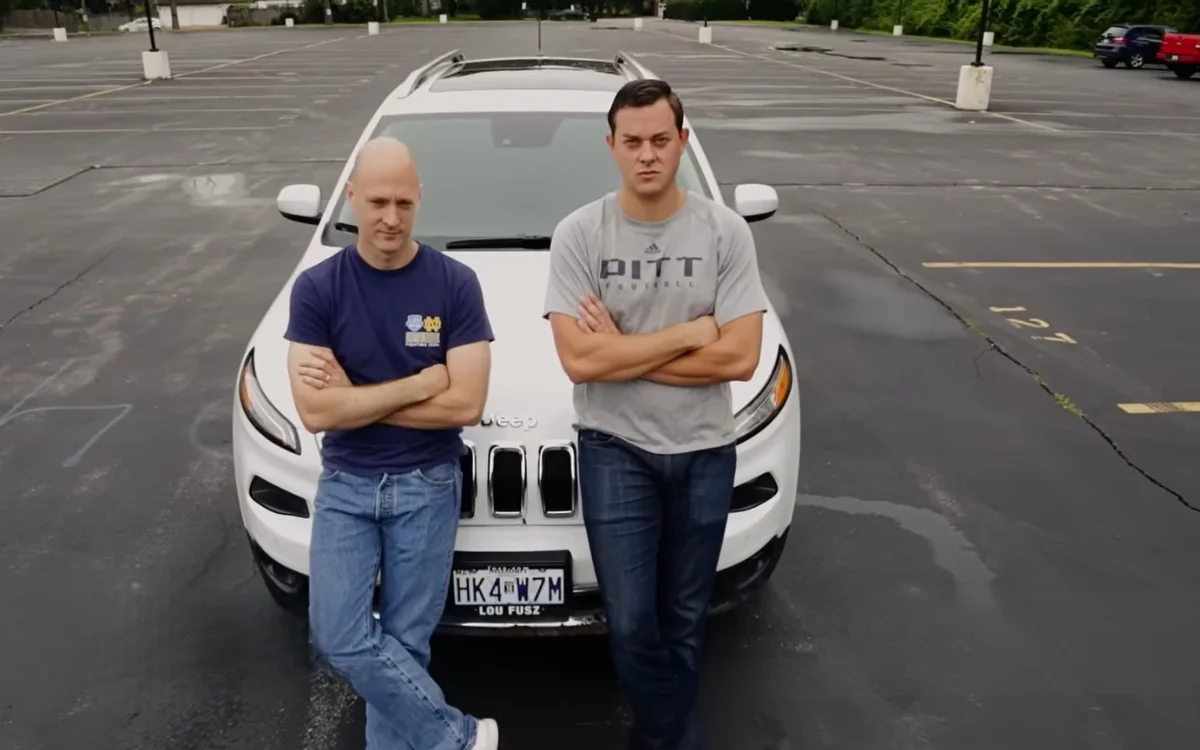
A WIRED reporter volunteered to be the human guinea pig, taking the Cherokee onto the highway while hackers Charlie Miller and Chris Valasek attacked the car’s tech and infotainment system from miles away.
The SUV had not been modified, and there were no extra devices or cables attached.
Nothing was plugged into the diagnostic port, but that was exactly the point.
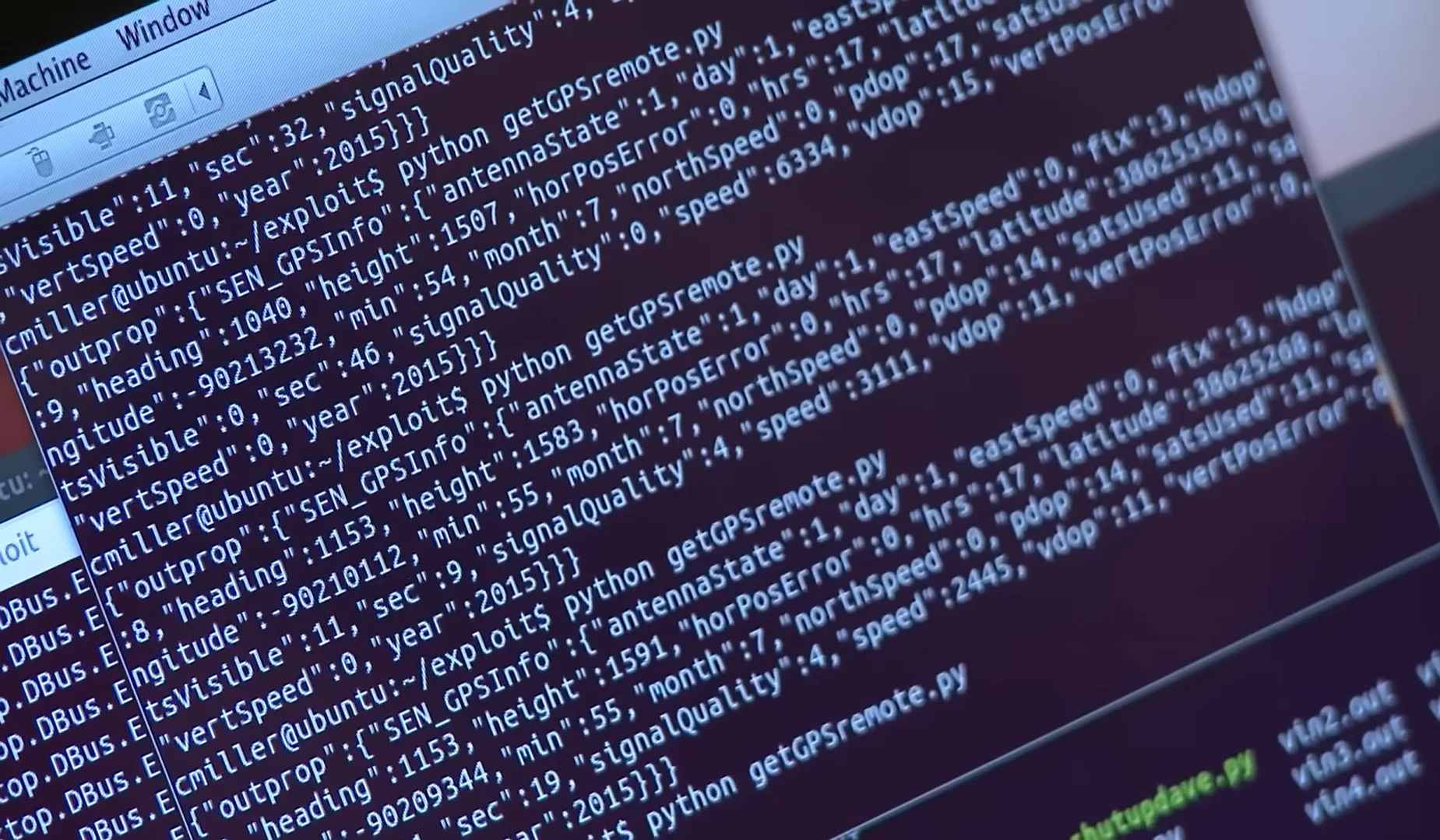
Instead, the hackers used the car’s own internet-connected infotainment system, exploiting a cellular connection to remotely access the car.
From there, they were able to move deeper into the vehicle’s internal network and start sending commands that affected the WIRED reporter’s real-life driving.
The first signs of interference were almost joking and playful, and the Jeep’s fans and air conditioning blasted without the driver touching a button.

The dashboard display flashed unexpected images; it was chaotic, loud, and unsettling, but not immediately dangerous.
Then it escalated.
While the car was moving on the interstate, the hackers cut the engine.
The SUV slowed to a crawl despite the driver pressing the accelerator, and with no hard shoulder to pull onto, the driver was left stranded in the right lane while other traffic continued around him.
Related

This exposed the dangers of technologically advanced cars
After the car was restarted and pulled over, the hackers explained that the vulnerability wasn’t unique to this example or model.
They believed that hundreds of thousands of late-model Chrysler vehicles could be exposed through the same system.
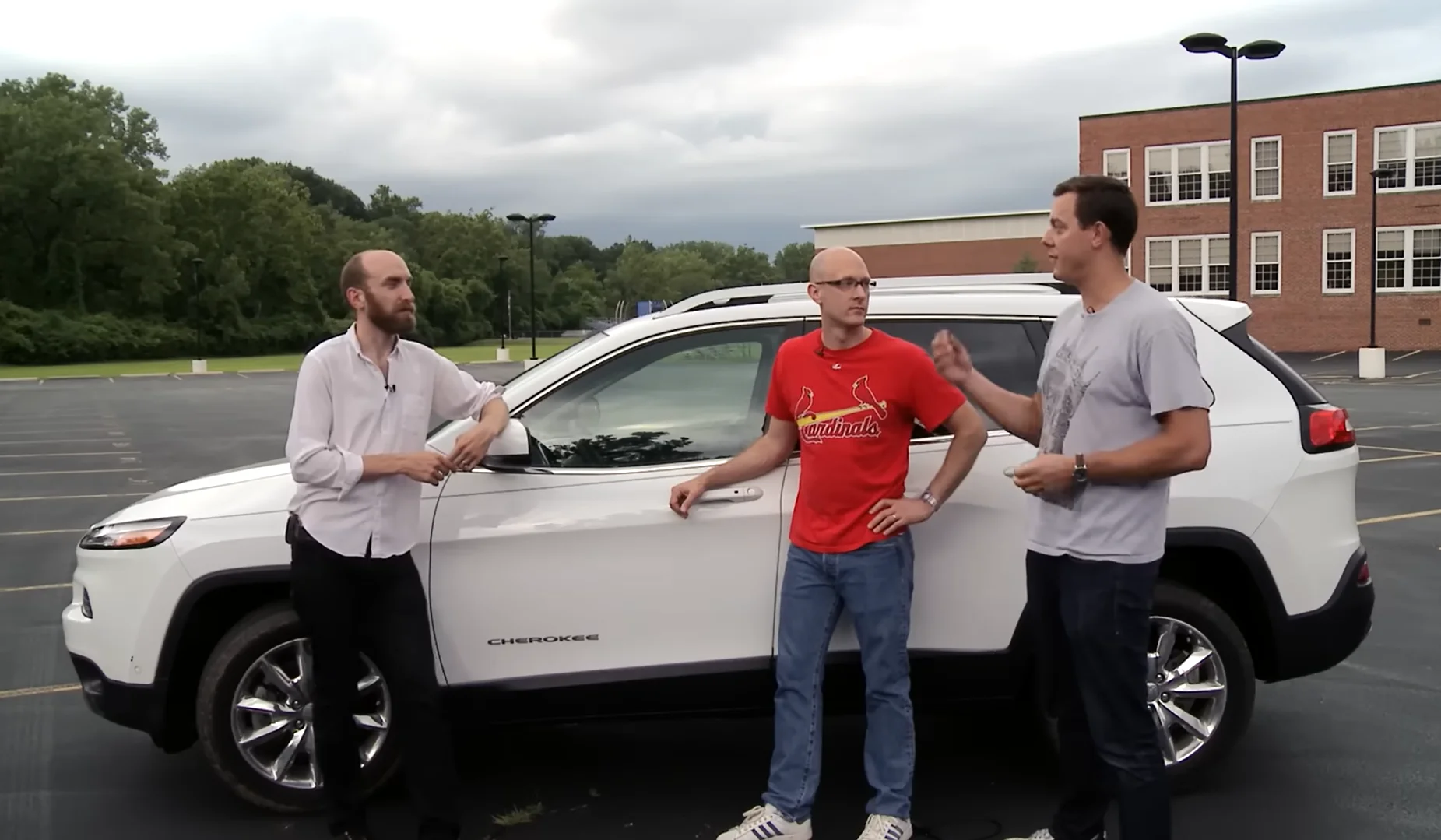
Miller and Valasek said the infotainment unit had a service exposed that allowed remote access, and once inside, they could issue commands that influenced steering, braking, and more.
They planned to release part of their exploit at the Black Hat hacking conference and had already alerted Chrysler, but Chrysler responded with a security patch.
The researchers argued that updates alone were not enough.

Cars are becoming more connected every year, and that connectivity can open doors for attackers.
This experiment was designed to show the dangers of buying a highly technical car without understanding the ramifications.
Rare Jeeps you won’t believe existed
1942 Ford GPW Jeep: Built by Ford under wartime contract – original Willys military model
1986 Jeep CJ-10: Pickup variant sold mainly in Australia
1991 Jeep Wagoneer Final Edition: Last of the wood-paneled luxury SUVs
2004 Jeep Wrangler Rubicon Tomb Raider Edition: Limited stunt double from the film
2006 Jeep Commander Overland: Three-row experiment with 4×4 heritage
2010 Jeep J8 Military Jeep: Built for global defense contractors
2021 Jeep Wrangler Rubicon 392: First factory V8 Wrangler in decades
Daisy is a technology and automotive journalist covering artificial intelligence, consumer tech, Apple news, cryptocurrency, emerging technologies, and transportation innovation. Since joining the team in 2025, she has reported on everything from AI-powered startups and major iOS updates to viral car stories and the latest developments shaping transportation and the digital economy. Drawing on her background in automotive journalism and a degree in History and Journalism from Goldsmiths, University of London, Daisy specializes in breaking down complex topics into clear, engaging reporting for a global audience. Her work spans cutting-edge technology, innovative vehicles, and the people driving change across both industries. Daisy has gained first-hand access to some of the world's most talked-about technologies and innovators, including meeting Tesla's Optimus humanoid robot during its first European appearance in London. She has also discussed the future of space exploration with an astronaut, bringing unique insights and real-world perspectives to her coverage of emerging technology.