New Google Maps, Apple Maps and Waze alternative reveals why you should ditch the rest and start using its app instead
Published on Nov 08, 2026 at 12:58 PM (UTC-5)
by Ben Thompson
Last updated on Nov 08, 2026 at 12:58 PM (UTC-5)
Edited by
Mason Jones
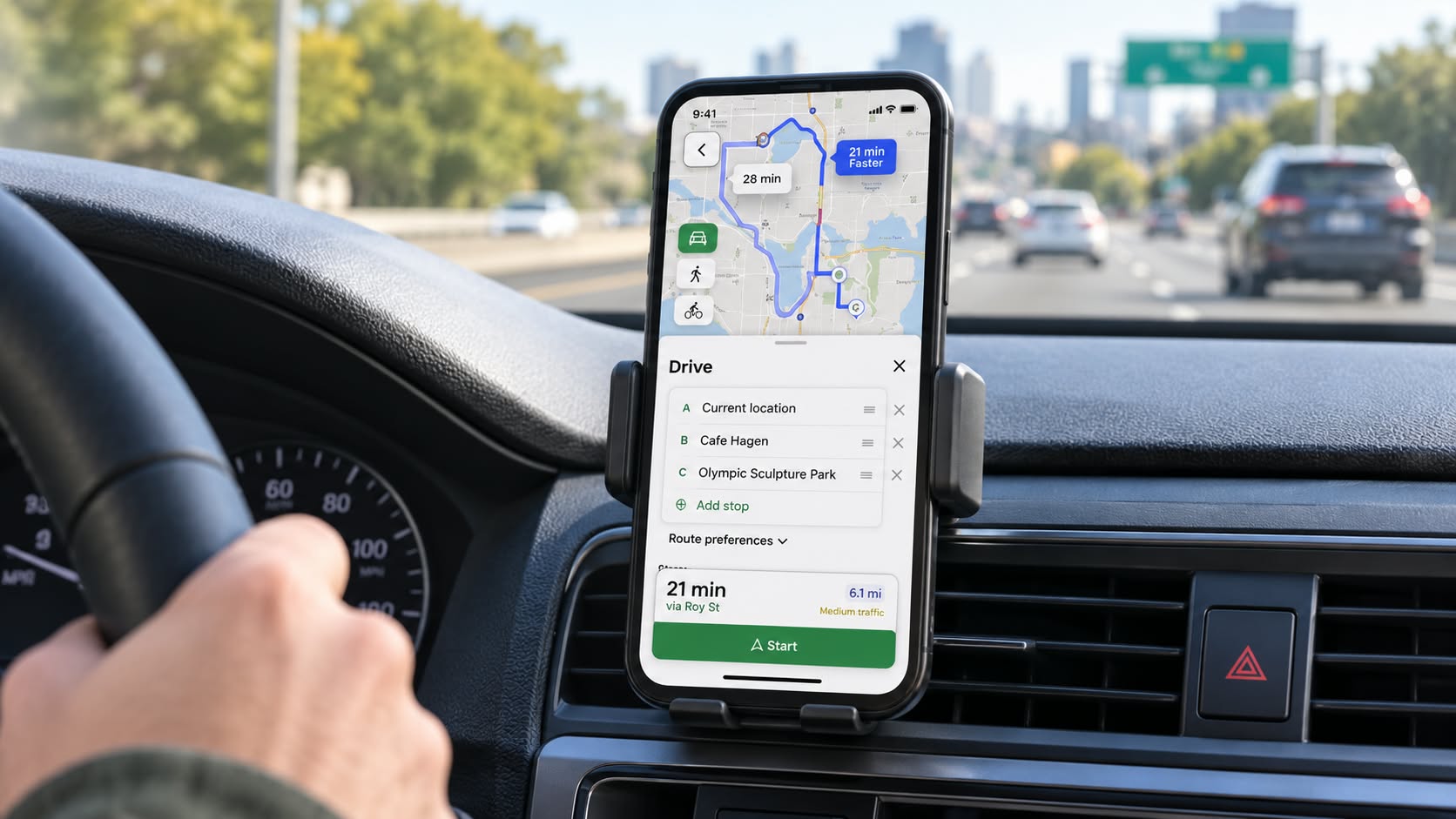

In the world of navigation apps, Waze, Google Maps, and Apple Maps have long seemed like the indisputable big dogs.
But now another navigation app is making a bid to have a comeback to the top ranks.
MapQuest has been making headlines in the last year for its attention-grabbing and sometimes humorous features.
Doug Berger, MapQuest’s General Manager, spoke to Supercar Blondie about the app’s comeback era and what he felt set it apart from its rivals.
MapQuest has been generating a lot of headlines in recent times
Whenever the debate about best navigation app arises, the usual names are thrown out.
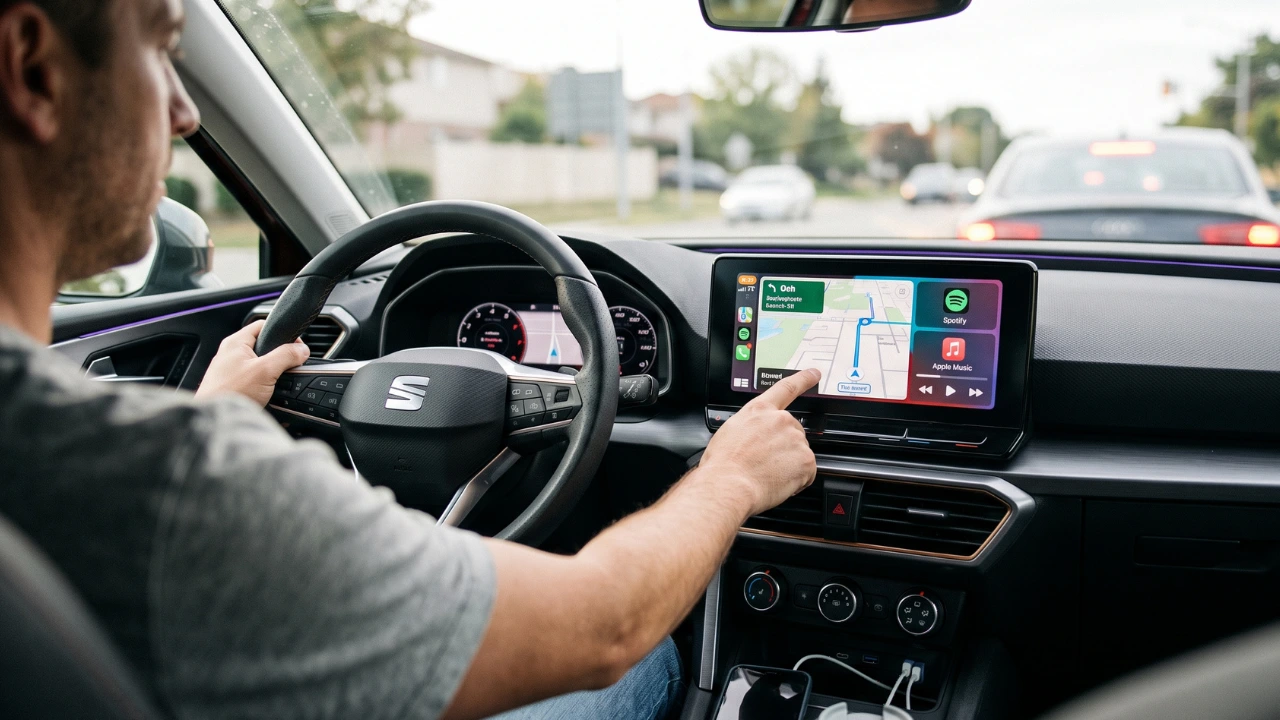
Some people are firmly Camp Waze, while others lean toward Google Maps.
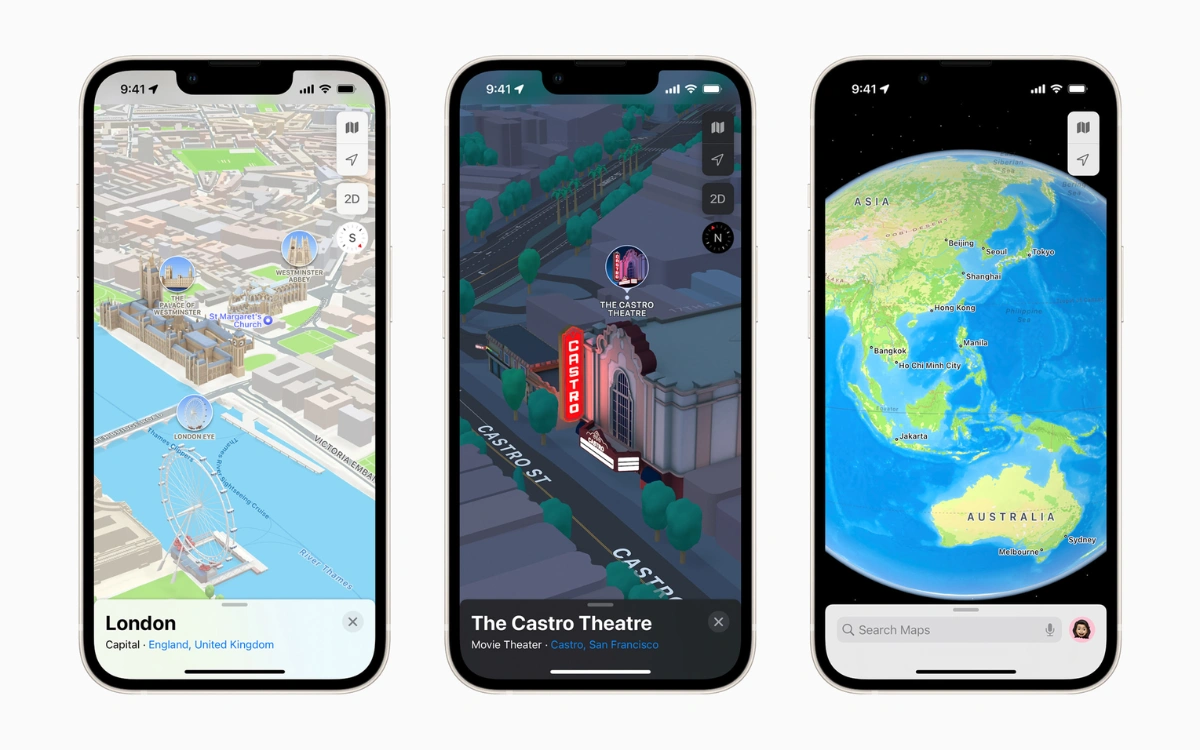
And then there are those who swear by Apple Maps and not just because it came with their phones.
But in recent months, MapQuest has given some credence to the idea that underdogs are on the rise.
It’s come back with a bang, bringing out features that have impressed users.
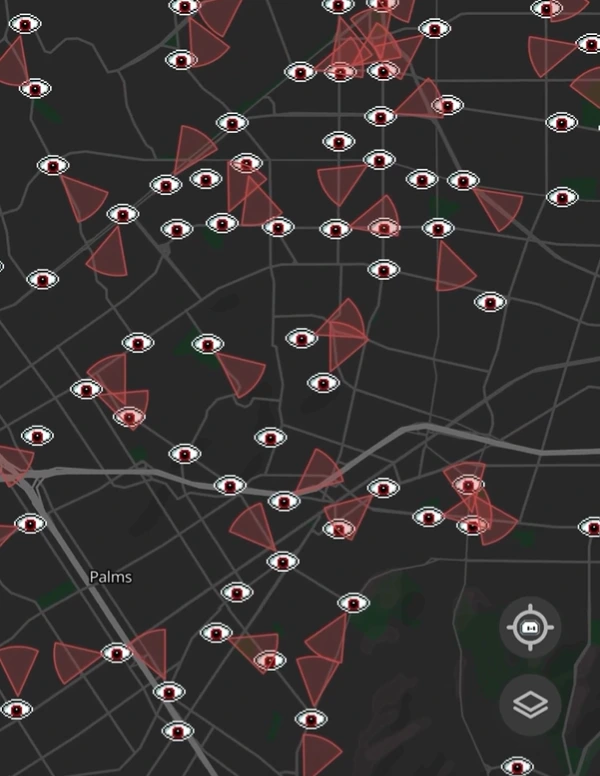
Whether that’s the lane guidance feature or the surveillance layer, the app has brought forth features that its competitors haven’t capitalized upon.
So what’s behind this sudden resurgence in an app which had gone out of focus for the better part of a decade?
We spoke to Doug Berger, the company’s General Manager, to find out more.
Is MapQuest having a renaissance?
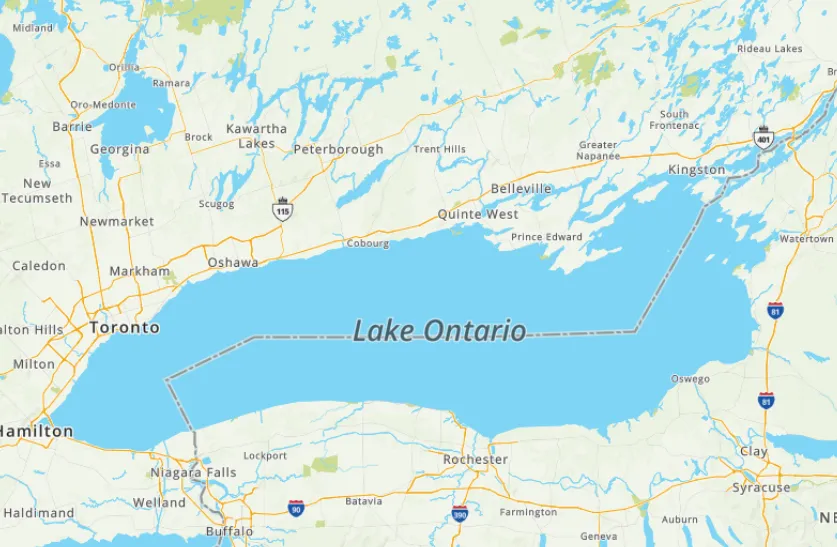
In Berger’s mind, a lot of this recent attention came about from the Lake Ontario feature.
You may recall that the app kept Lake Ontario’s name as it was, rather than changing it to ‘Lake America’ as other platforms did.
Leaving aside the politics of the name-change, this decision by MapQuest led to a massive surge in users.
It reached Number One on the U.S. Apple App Store, as millions of new users flooded in.
“When three million people download your app in the span of two and a half weeks, you get a lot of feedback,” Berger told Supercar Blondie.
“We’ve harnessed that feedback, we’ve combed through every single comment on social, in our emails.
“People are telling us exactly what they want to see. So we’re taking that feedback very seriously.”
In this sense, MapQuest positions itself as a rather democratic alternative, with a public-facing roadmap in which people can submit their own ideas.
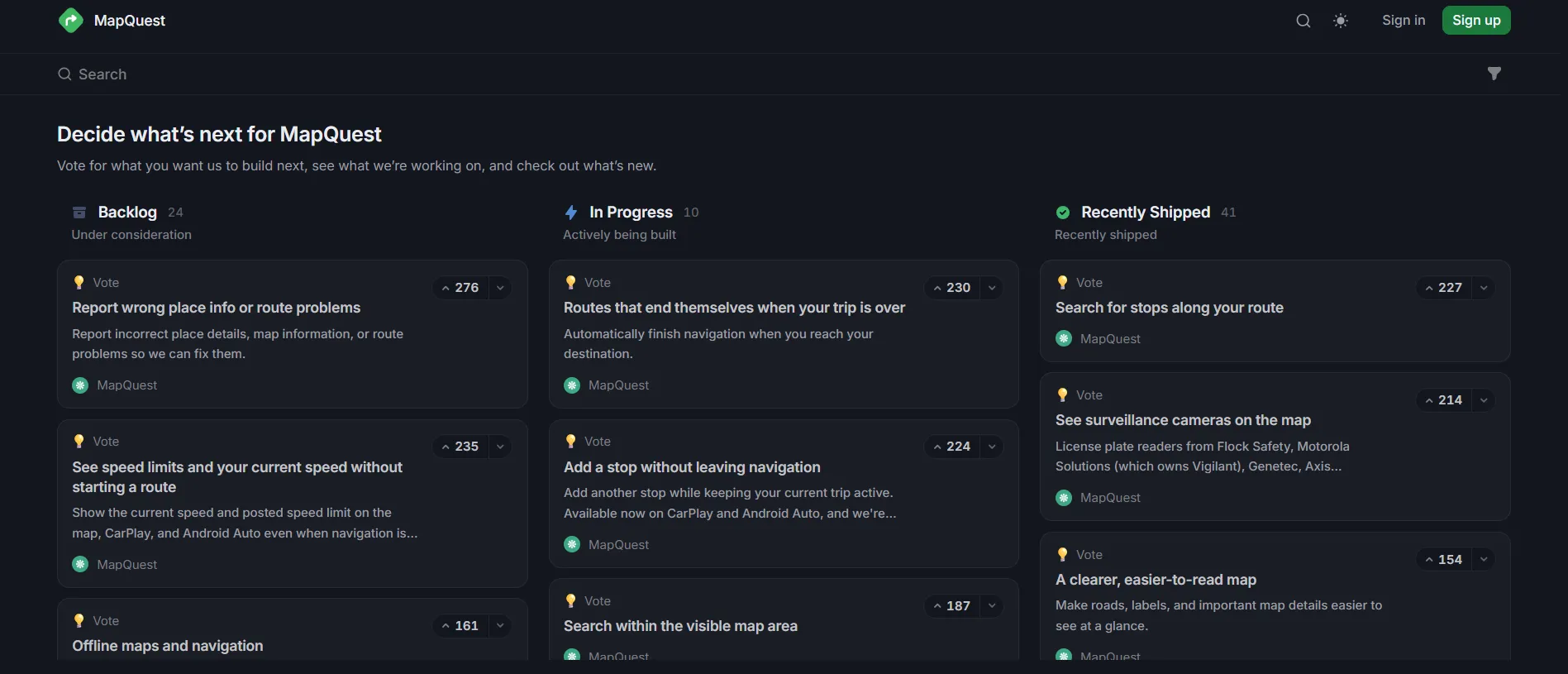
That’s how the surveillance layer – which flags up the controversial Flock cameras – came into existence.
“Whether somebody’s not supportive of [Flock cameras] or supportive of them for safety reasons, we thought it was important they were transparently shown on the map,” Berger explained.
What sets this navigation app apart from Google Maps, Waze or Apple Maps?
For MapQuest, this is its time to get back up into the higher echelons of navigation apps.
Admittedly, that’s a high bar to set, but Berge is nothing but ambitious.
“The Lake Ontario moment and all this attention has shown people that they have a choice in what app they use,” he said.
“We are squarely positioning ourselves as another option.”
What does he think sets MapQuest apart from its rivals?
“One of the words that we’ve held onto is transparency,” he said.
“That’s aligned with the surveillance cameras. And now we’ve put it on the app that you can look up your polling station [Ahead of the US Midterms].
“Bringing things that are not traditionally in a map context is very aligned with our brand and our brand voice.”
MapQuest would have a mammoth task on its hands in toppling Google Maps from the top spot, but it is undoubtedly succeeding in one regard – putting itself back in the race.
The best of Supercar Blondie, every Sunday
The week's best car stories, straight to your inbox. Free.
Ben joined Supercar Blondie in February 2025 after being published by international organizations including LADbible, The Sun, the New York Post, and the Daily Mail. He covers supercars, rare and collectible vehicles, aviation, luxury assets, and the fascinating people behind them. His reporting has explored everything from seven-figure supercars and historic Ferrari collections to unusual aircraft adventures and extraordinary automotive discoveries from around the world. Ben has also gained first-hand insight into vehicle craftsmanship and customization, including visiting specialist workshops to see bespoke vehicles up close.