Man who bought $1.6M McLaren P1 from Harrods reveals wild ownership costs after 12 months and how much it's now worth
Published on Aug 26, 2026 at 11:07 AM (UTC-4)
by Daisy Edwards
Last updated on Aug 28, 2026 at 11:31 AM (UTC-4)
Edited by
Mason Jones
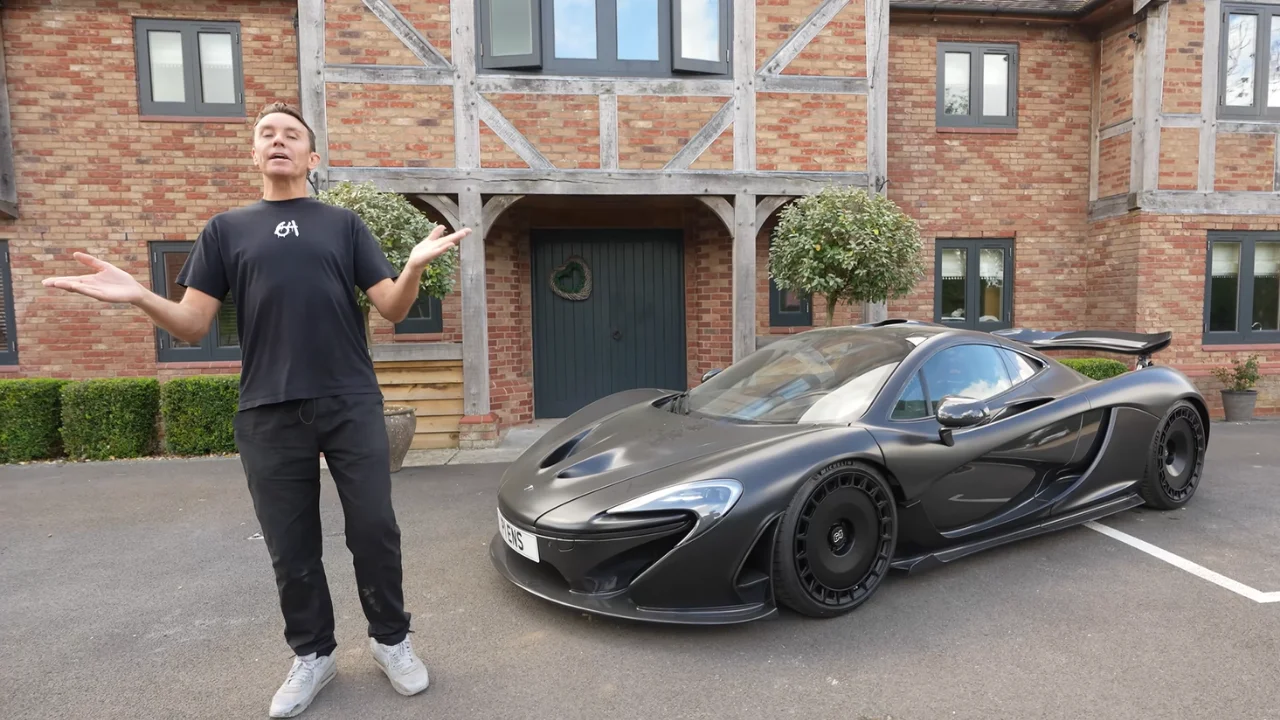

A man who bought a $1.6 million McLaren P1 from Harrods has revealed exactly what it cost to own the hypercar for 12 months.
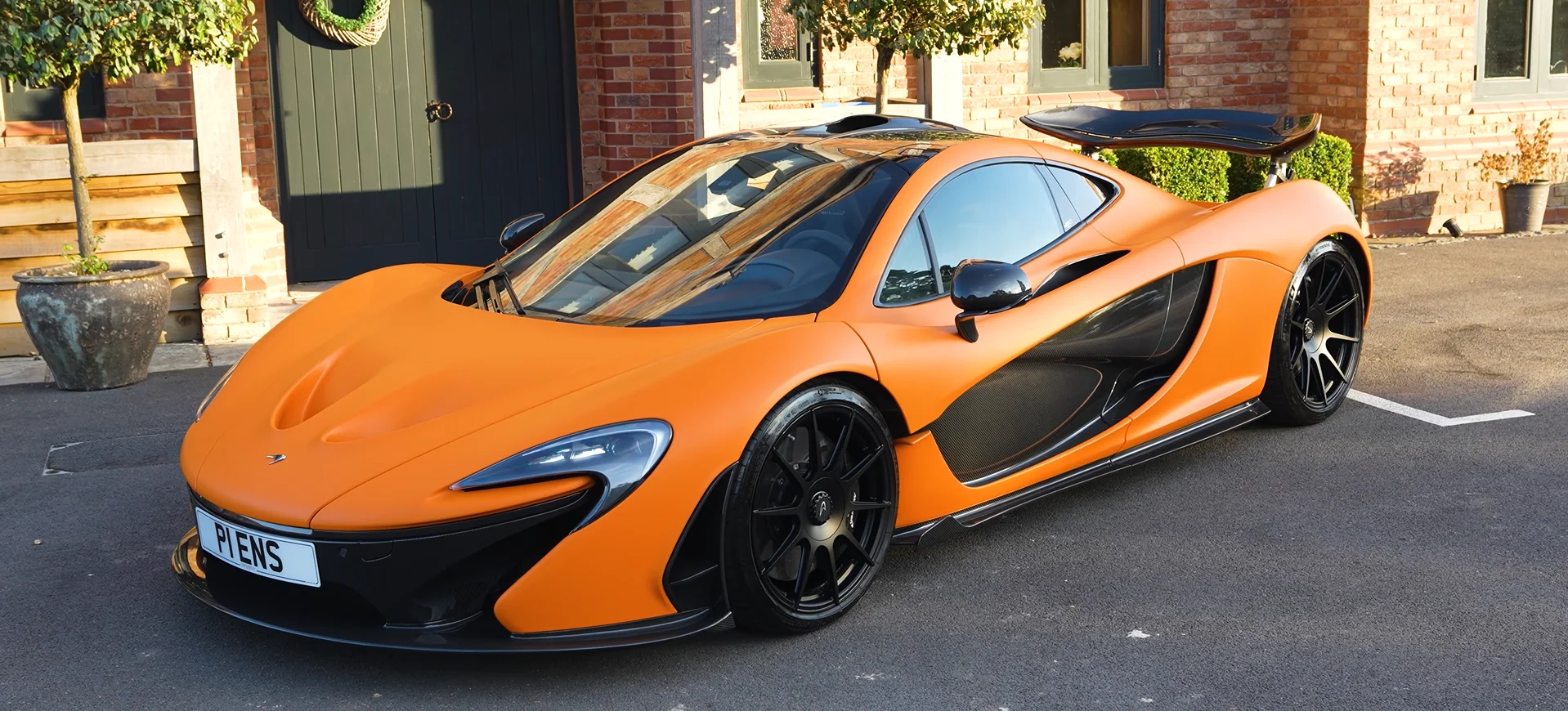
The McLaren P1 had already attracted plenty of attention after its previous modifications divided opinion, but it was now getting another major makeover.
Alongside a new matte orange finish, bespoke wheels and a costly rear-wing upgrade, Mark McCann, the owner, wanted to find out whether his enormous investment had actually paid off.
And the final valuation made the $1.6 million purchase look like a very smart decision.
The $1.6M Harrods McLaren P1 needed some expensive attention
Before spending money on the wild supercar makeover, Mark McCann, the owner took the P1 he got at Harrods for a service and a hybrid battery health check.
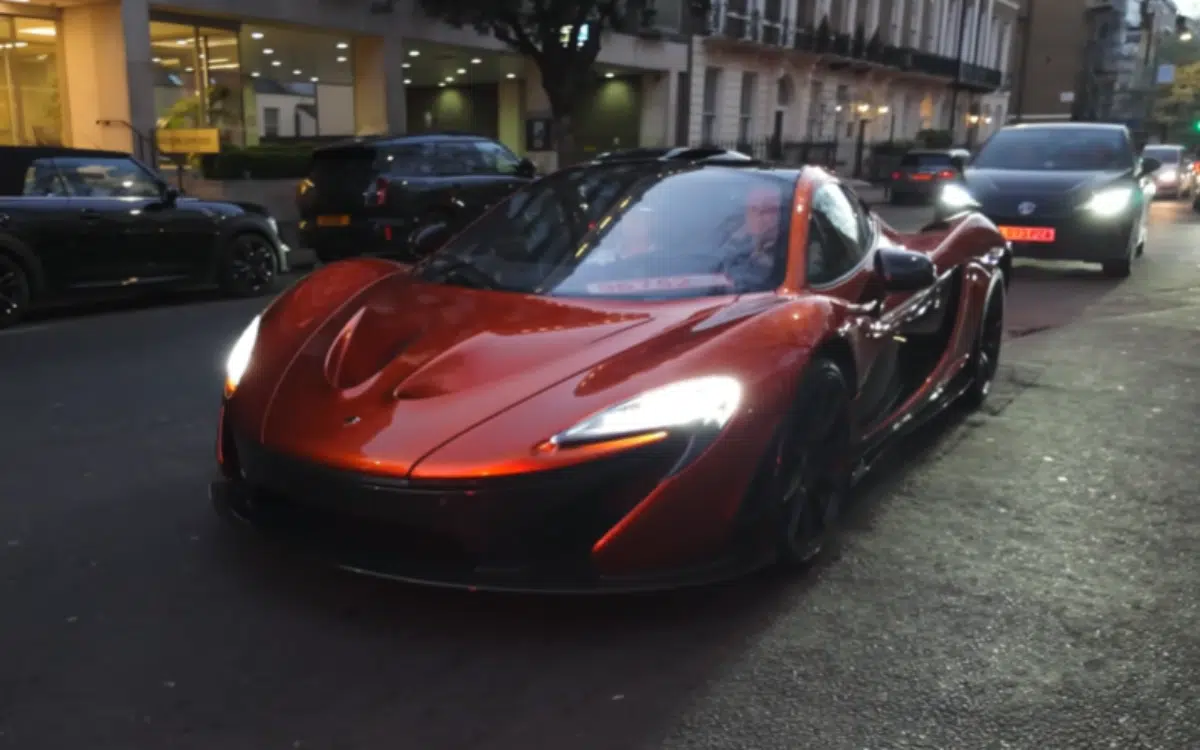
That was particularly important because the car had spent around nine months in storage, and replacing its hybrid battery could cost a staggering $163,000.
The battery was previously showing 90% health, and thankfully the latest test produced exactly the same figure.
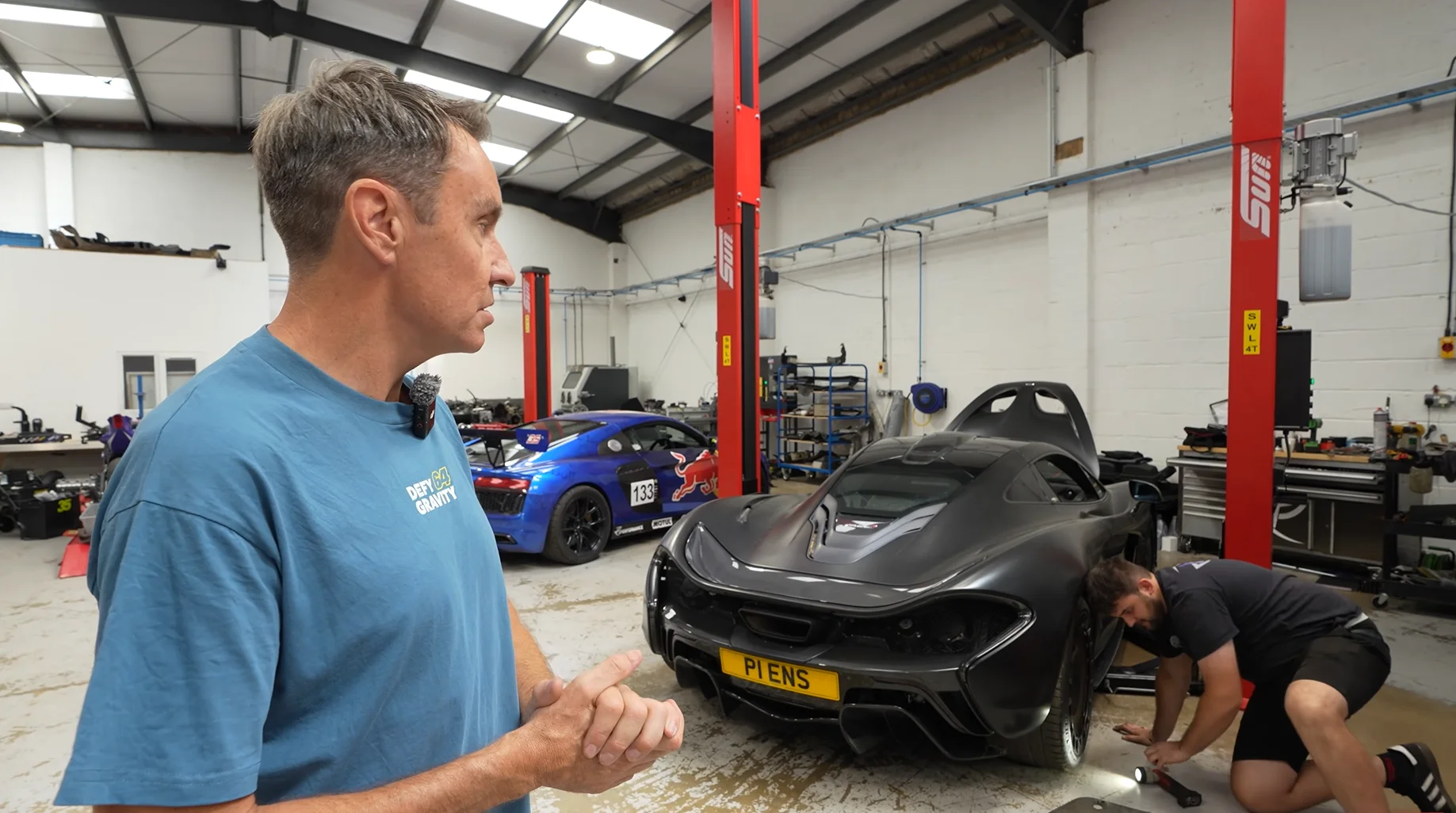
The service itself was considerably less frightening, because a McLaren dealer had quoted around $10,900, but the independent specialist charged just $950 while using genuine McLaren parts and oil.
The P1 then received a number of cosmetic and functional upgrades.
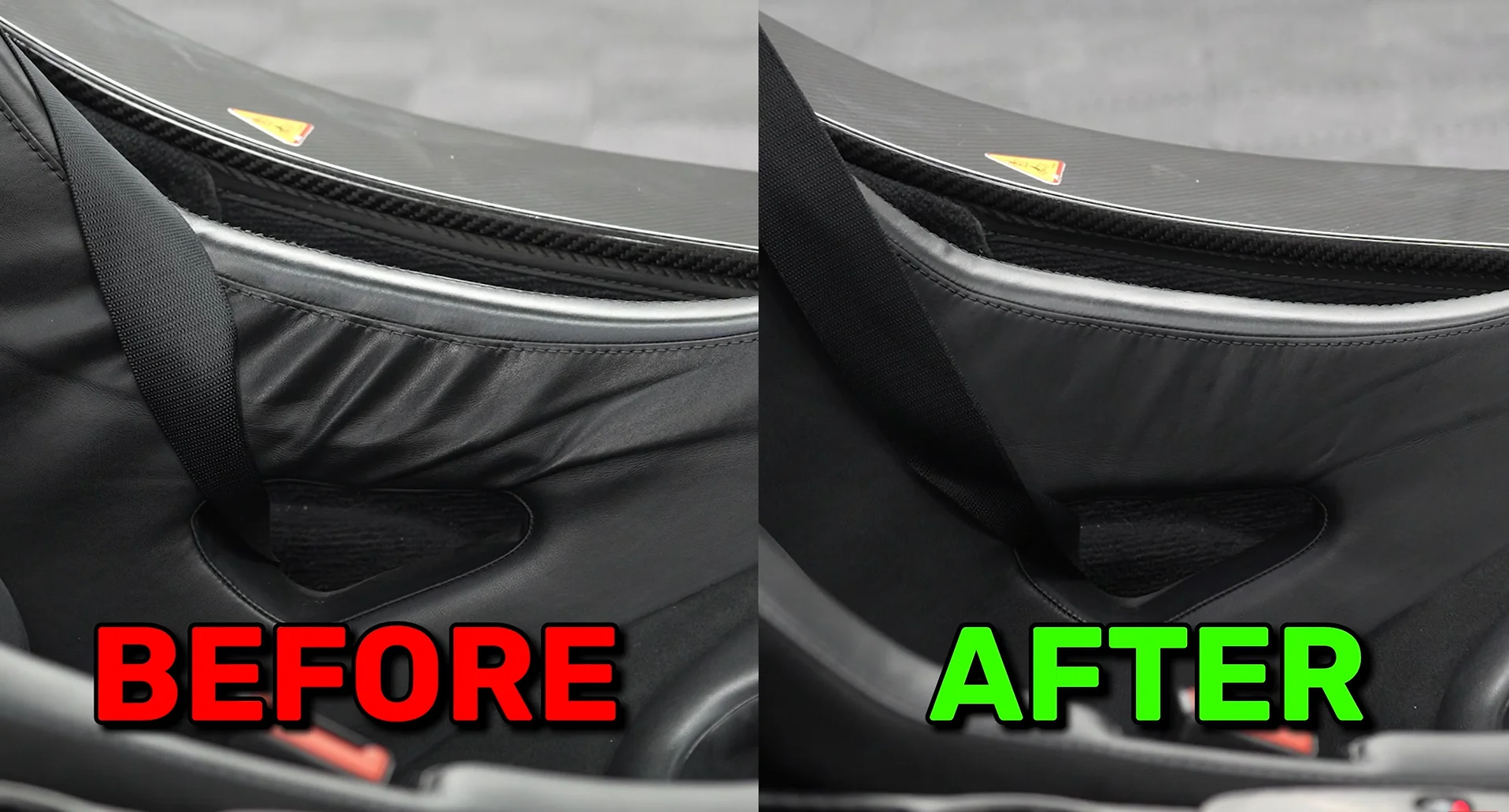
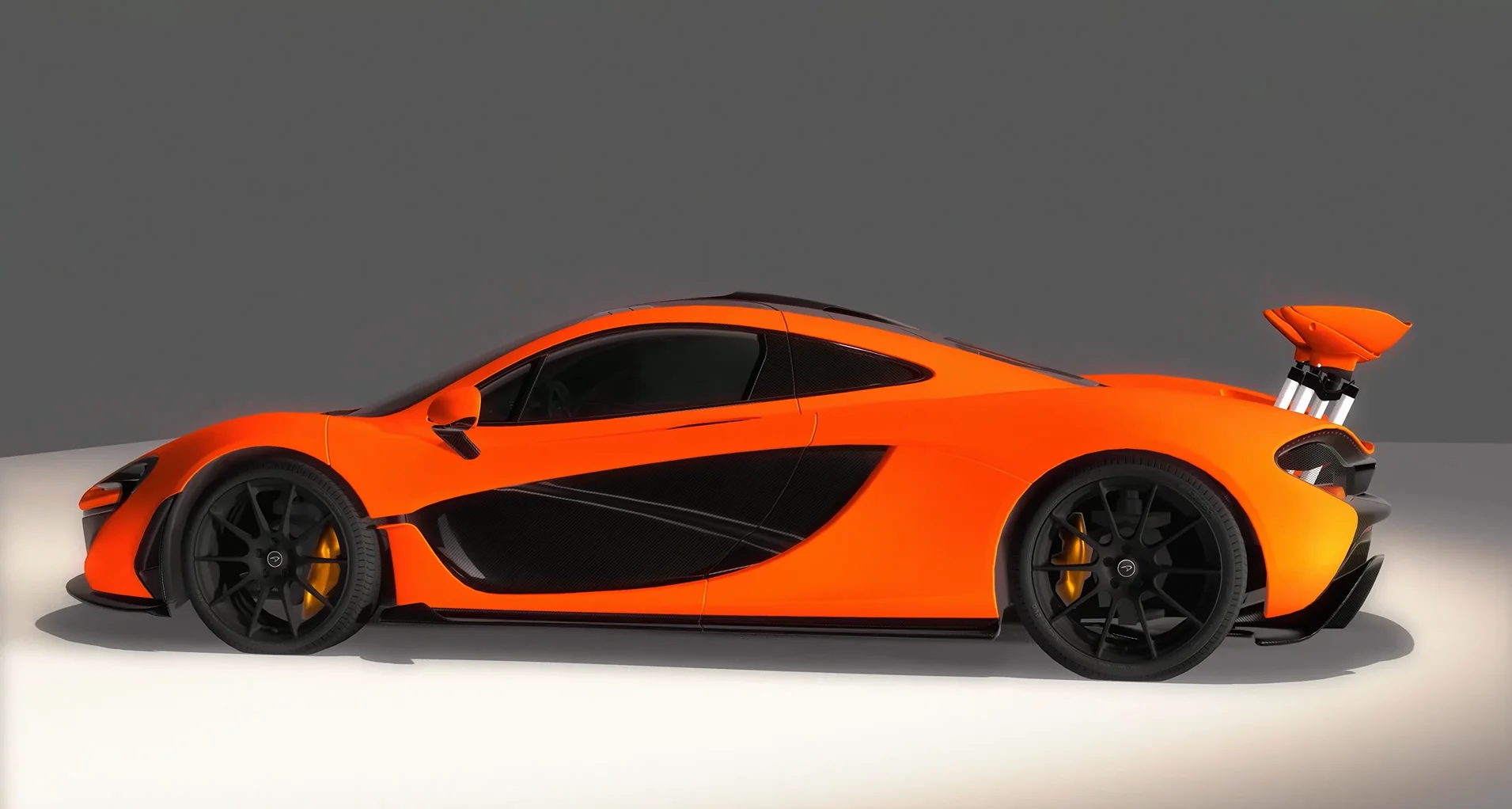
Its interior was refreshed, including repairs to the seats and carpet, while the black wrap he’d previously added was removed and replaced with a matte orange Avery Dennison film.
A reverse camera was also fitted, which was particularly useful because the McLaren P1 had originally come without parking sensors or a camera.
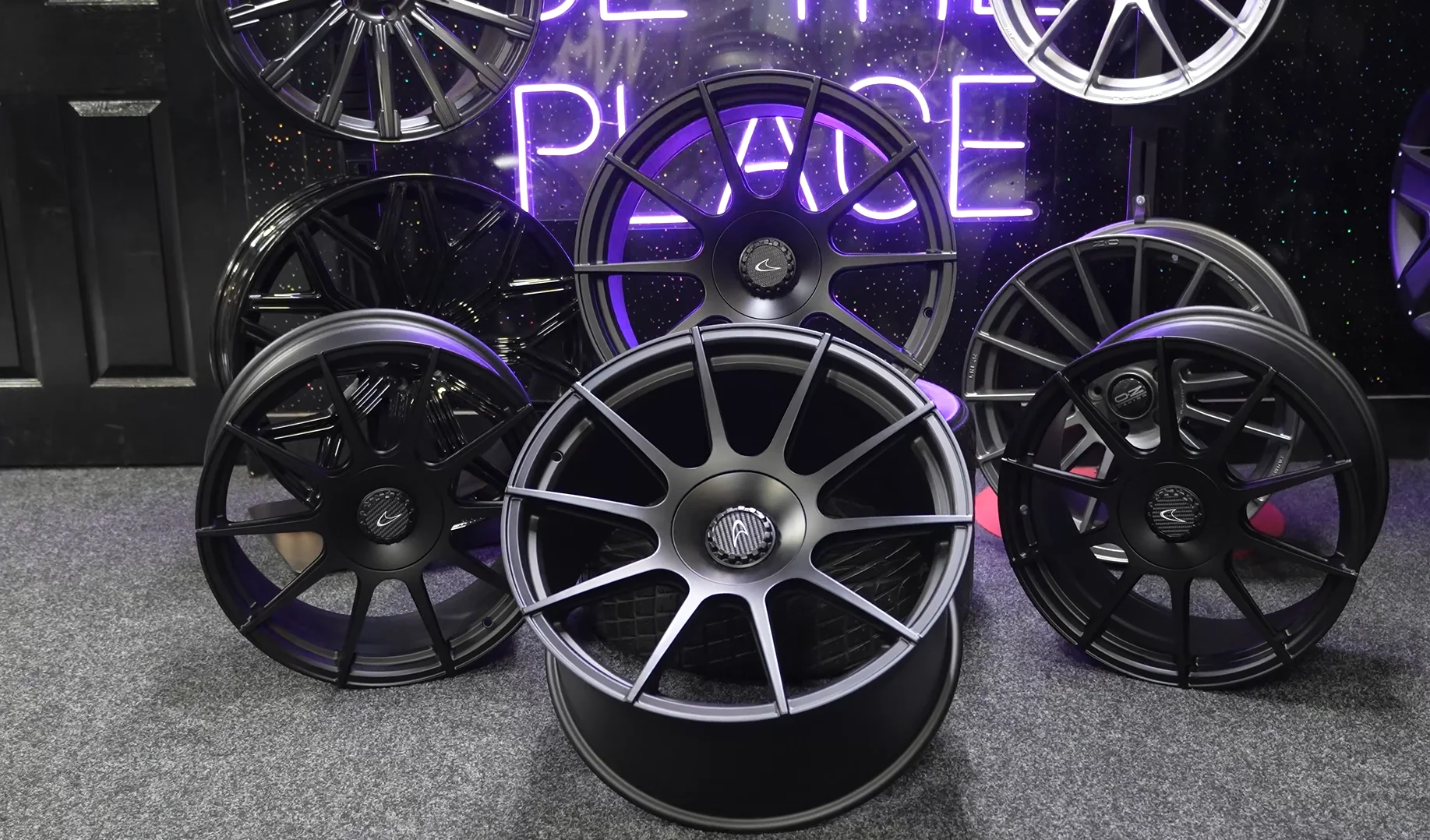
McCann also commissioned bespoke 10-spoke wheels and a titanium exhaust system with an X-pipe.
But arguably the wildest upgrade was an ECU software modification costing around $14,700.
The P1’s Race Mode normally raises its enormous rear wing while lowering the suspension by around 40mm, that’s fantastic on a track but far less useful on British roads filled with speed bumps.
The software upgrade allowed the rear wing to rise without dropping the suspension, meaning the P1 could keep its dramatic hypercar look while remaining usable on the road.
Total costs of the McLaren P1
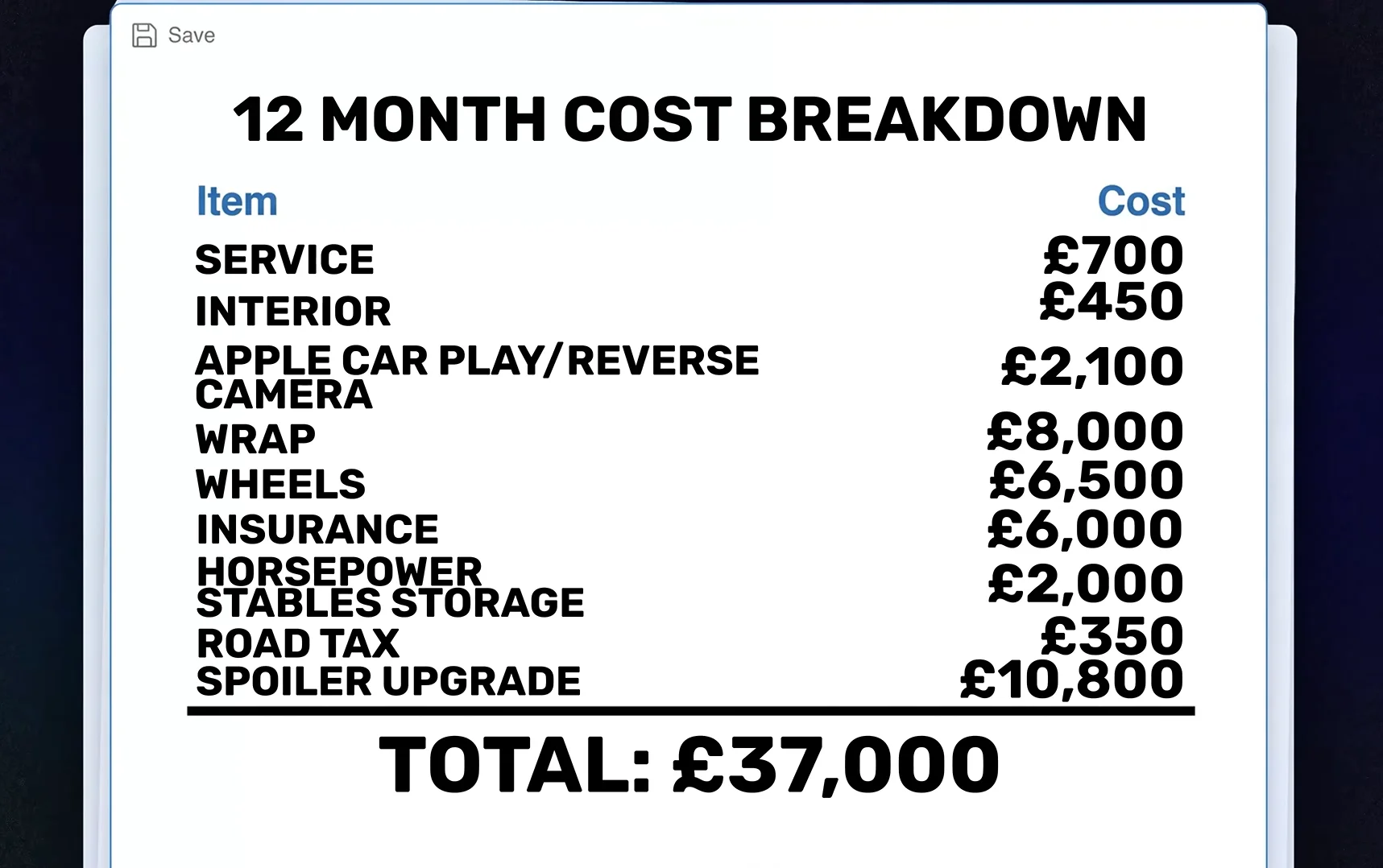
McCann then added up everything the P1 had cost him over the previous 12 months.
The service cost around $950, while the interior repairs came to about $610 and the Apple CarPlay and reverse camera installation cost around $2,860, with the wrap costing another $10,900.
The bespoke wheels added approximately $8,850 to the bill, while insurance cost around $8,170 after accounting for the six months the car was stored, the storage itself cost approximately $2,720.
Road tax came to around $480 after the car was declared off the road for six months, and the infamous rear-wing software upgrade added another $14,700, that brought the total cost to around $50,400.
However, the P1 also generated around $21,800 in income through events, car shows and video shoots.
How much the hypercar is now worth
And then came the figure that made all those costs seem rather insignificant.
The owner had paid approximately $1.63 million for the P1 through Harrods a year earlier, but dealer Tom Hartley valued the car at approximately $2.38 million.
That meant the P1 had increased in value by around $750,000 in just 12 months.
After accounting for the roughly $50,400 in ownership and modification costs and the $21,800 of income generated by the car, McCann calculated that he was effectively around $720,000 ahead.
It is quite the turnaround for a car that had already caused controversy among fans because of its modifications.

The P1 had also covered around 9,000 miles in total and had been driven on road trips, around Donington and Silverstone, as well as appearing in videos.
So while running a McLaren P1 is clearly not cheap, this particular example appears to have done something rather unusual for a car: it made Mark money while he enjoyed driving it.
Daisy is a technology and automotive journalist covering artificial intelligence, consumer tech, Apple news, cryptocurrency, emerging technologies, and transportation innovation. Since joining the team in 2025, she has reported on everything from AI-powered startups and major iOS updates to viral car stories and the latest developments shaping transportation and the digital economy. Drawing on her background in automotive journalism and a degree in History and Journalism from Goldsmiths, University of London, Daisy specializes in breaking down complex topics into clear, engaging reporting for a global audience. Her work spans cutting-edge technology, innovative vehicles, and the people driving change across both industries. Daisy has gained first-hand access to some of the world's most talked-about technologies and innovators, including meeting Tesla's Optimus humanoid robot during its first European appearance in London. She has also discussed the future of space exploration with an astronaut, bringing unique insights and real-world perspectives to her coverage of emerging technology.