Michelin has been quietly putting tracking technology inside its tires since 2017 and most drivers have absolutely no idea
Published on Apr 10, 2026 at 4:48 PM (UTC+4)
by Henry Kelsall
Last updated on Apr 10, 2026 at 4:48 PM (UTC+4)
Edited by
Emma Matthews
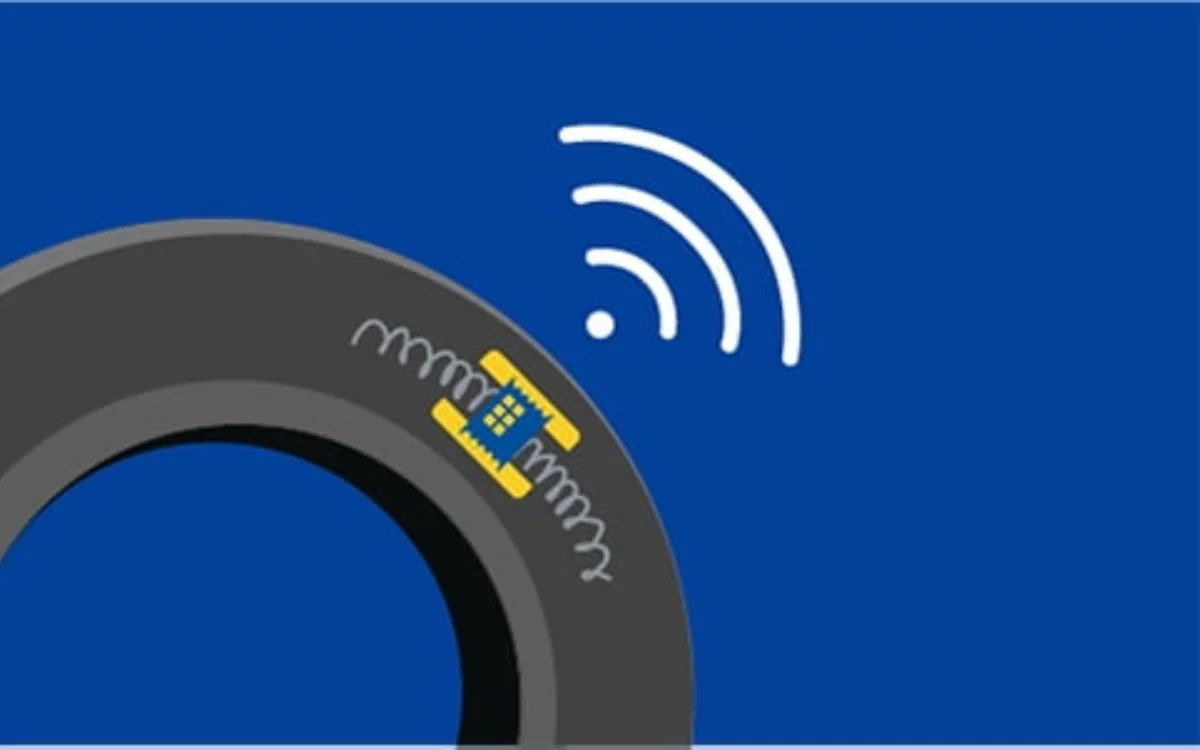

Unbeknownst to many of us, Michelin has been quietly putting tracking technology in its car tires, and it has been doing this since 2017.
While it might sound slightly weird, the French tire manufacturer has been doing this for good reason, as it seeks to improve its tires as much as possible.
The technology in question is Radio Frequency Identification (RFID), and it has been around in various forms since the 1970s.
For those who have the tech in their tires, there isn’t a sinister reason as to why the company is doing this.
Why Michelin is using RFID in its tires
Michelin has been using RFID tracking technology in order to monitor the tires themselves, and not us as drivers.
The French company began using the technology in 2017, primarily in its commercial tires.
It wasn’t until the 2020s dawned that tires we’d use in our daily drivers began to receive RFID.
Michelin itself has said that these trackers monitor the rubber throughout its life.
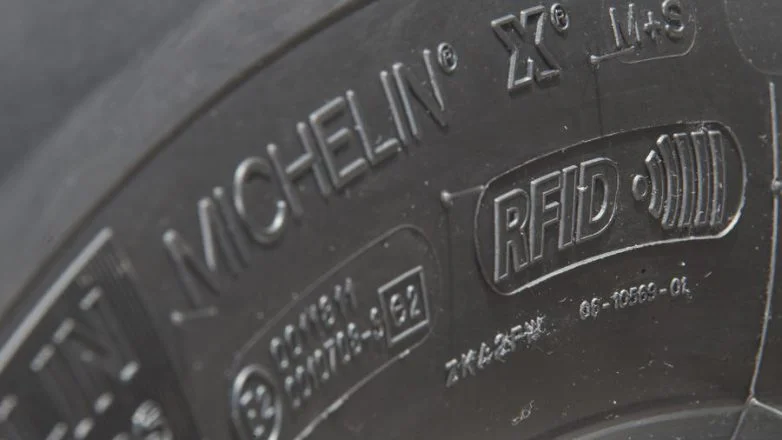
The process begins during manufacturing, and through to shipping to retailers, and when they are on a car.
That data is collected right up until the rubber is taken off a vehicle and retired, pun intended.
Each data set is then looked at to show tire usage, wear, and the overall safety of each set of rubber.
With that data, the company can look at how a tire performs and where improvements are needed.
This is what the manufacturer says about the technology
Michelin’s website discusses why the technology is used.
“RFID tags embedded in tires ensure reliable tire identification and enable to build data driven services and solutions,” said the company.
“It is a key pillar of connected mobility!” it added.
Within the tires is a chipset and an antenna, protected by two rubber pieces cured into the tire.
Each tire has a unique identification number, allowing Michelin to work out exactly what tire they are looking at.
The tracking technology data can also be accessed via a quick scan of the tire tag.

So, there is no reason to panic that one of the world’s biggest tire companies is suddenly tracking our every move.
In fact, it is a very good thing that they are doing what they are doing.
The safer, grippier, and more durable a tire, the better it is for fellow road users and us.
Michelin timeline
1889: Édouard and André Michelin founded the rubber company in Clermont-Ferrand, France
1891: The brothers patented the world’s first removable pneumatic bicycle tire
1895: Michelin introduced pneumatic tires for automobiles on a specially built car called L’Éclair
1898: The iconic company mascot, Bibendum – widely known as the Michelin Man – was created
1900: The very first Michelin Guide was published to encourage more road travel and tire sales
1926: The guide began its famous and prestigious tradition of awarding stars to fine dining restaurants
1946: Patented the revolutionary radial tire, which dramatically improved handling and fuel economy
1989: The company acquired the Uniroyal Goodrich Tire Company to expand its North American presence
2019: Introduced the Uptis prototype, a modern airless and puncture-proof tire design
DISCOVER SBX CARS: The global premium car auction platform powered by Supercar Blondie
Henry joined the Supercar Blondie team in February 2025, and since then has covered a wide array of topics ranging from EVs, American barn finds, and the odd Cold War jet. He’s combined his passion for cars with his keen interest in motorsport and his side hustle as a volunteer steam locomotive fireman at a heritage steam railway.