Original Mini Cooper started a trend in 1959 that every automaker copied and they all still follow it to this day
Published on Apr 03, 2026 at 1:47 PM (UTC+4)
by Molly Davidson
Last updated on Mar 31, 2026 at 3:29 PM (UTC+4)
Edited by
Mason Jones
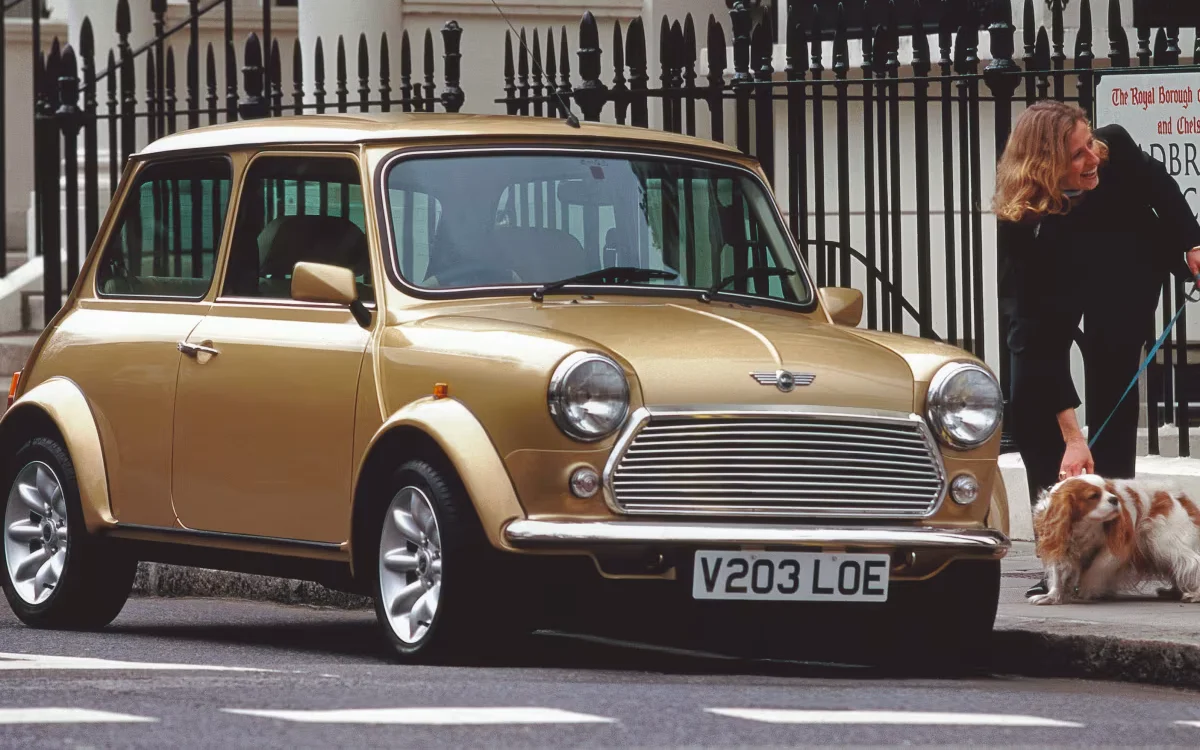

The Mini Cooper wasn’t trying to change the entire car industry when it launched in 1959.
It was simply built to solve a problem.
Fuel was tight, space mattered, and Britain needed something small that actually worked.
But what came out of it ended up shaping almost every car that followed.
Click the star icon next to supercarblondie.com in Google Search to stay ahead of the curve on the latest and greatest supercars, hypercars, and ground-breaking technology
The design breakthrough the Mini Cooper made in 1959
At the time, most cars followed the same formula: engine at the front, power sent to the rear wheels.
It worked, but it wasn’t exactly efficient when space was tight.
So the Mini flipped that thinking.
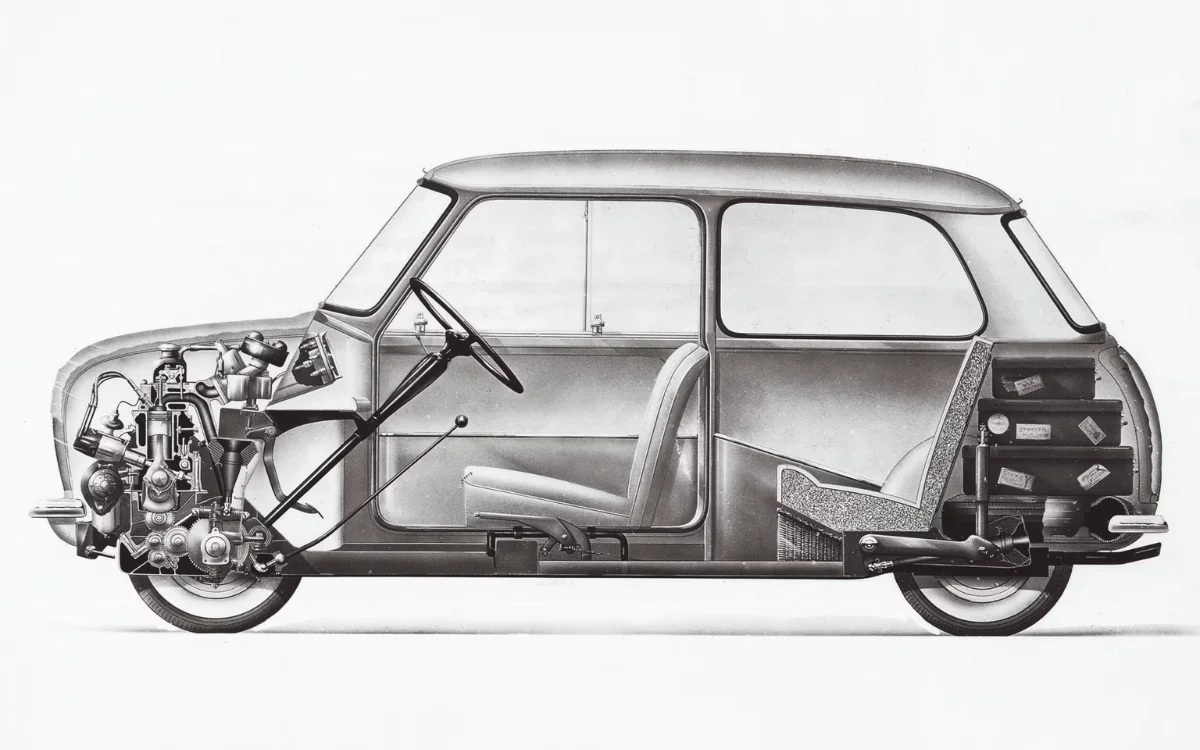
Instead of stretching everything out, it mounted its engine sideways and sent power to the front wheels.
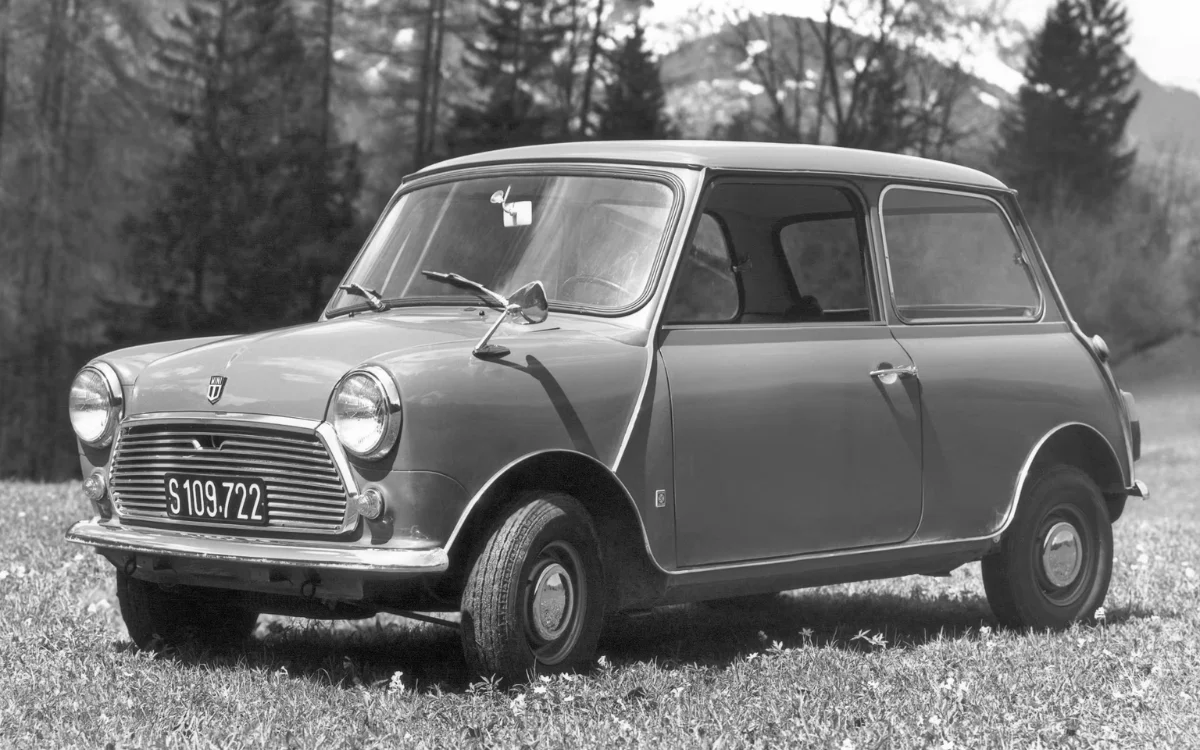
And that one decision changed everything about how the car was packaged.
By turning the engine sideways, the Mini freed up space in a way earlier front-wheel-drive cars couldn’t.
Older attempts still needed long noses to fit bulky layouts, but this felt compact and intentional.
Suddenly, a tiny car could carry four people without feeling like a compromise.
It wasn’t just clever on paper either.
The Mini handled sharply, stayed low and stable, and proved that small cars didn’t have to feel basic.
More importantly, it showed the industry that efficiency and practicality could live in the same design.
Cue the copycats
That layout didn’t stay unique for long.
Once carmakers saw how much space and cost it saved, the idea started to spread.
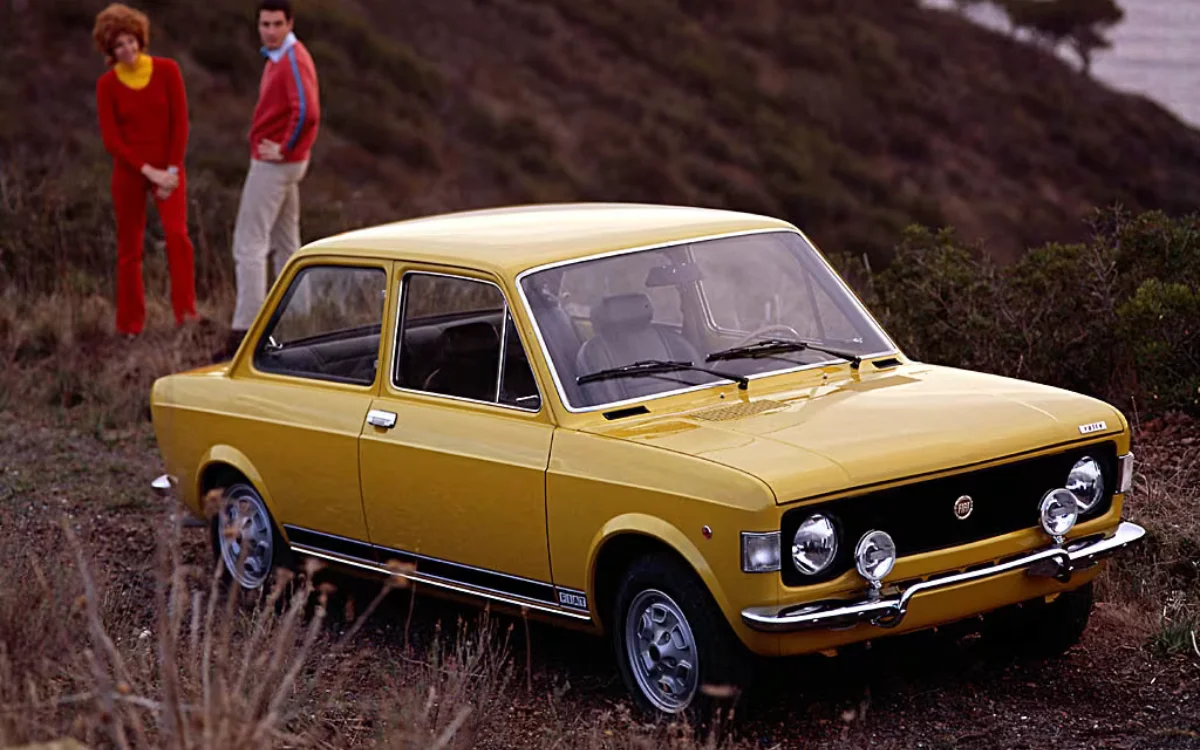
Fiat played a big role in making it workable at scale.
Its engineers reworked the Mini’s setup so the engine and gearbox could sit side by side instead of sharing components, which made maintenance easier and the design more reliable.
From there, things snowballed.
By the 1980s, this transverse front-engine, front-wheel-drive layout had become the default for small and mid-size cars.
It was cheaper to build, easier to package, and better suited to everyday driving.
And today, it’s everywhere.
From hatchbacks to SUVs, most modern cars still follow the same basic blueprint the Mini helped popularise.
Open the hood on a Civic, Corolla, or RAV4 and you’re looking at a layout that traces straight back to that small British car.
It started as a solution to a crisis, but it ended up becoming the rule.
DISCOVER SBX CARS: The global premium car auction platform powered by Supercar Blondie
With roles at TEXT Journal, Bowen Street Press, Onya Magazine, and Swine Magazine on her CV, Molly joined Supercar Blondie in June 2025 as a Junior Content Writer. Having experience across copyediting, proofreading, reference checking, and production, she brings accuracy, clarity, and audience focus to her stories spanning automotive, tech, and lifestyle news.