NASA spent nearly a decade secretly developing a 300-passenger supersonic jet faster than Concorde before quietly abandoning the entire program in 1999
Published on Apr 04, 2026 at 11:08 PM (UTC+4)
by Henry Kelsall
Last updated on Apr 01, 2026 at 1:52 PM (UTC+4)
Edited by
Emma Matthews

America never built its own Concorde, but in the ’90s, NASA, along with Boeing and Rockwell, began flight testing with a former Soviet supersonic jet, the Tupolev Tu-144, and it raised eyebrows across the world.
While the Cold War had ended, it was still odd that these American companies would suddenly start to use the Tu-144, particularly as it hadn’t been as successful as Concorde.
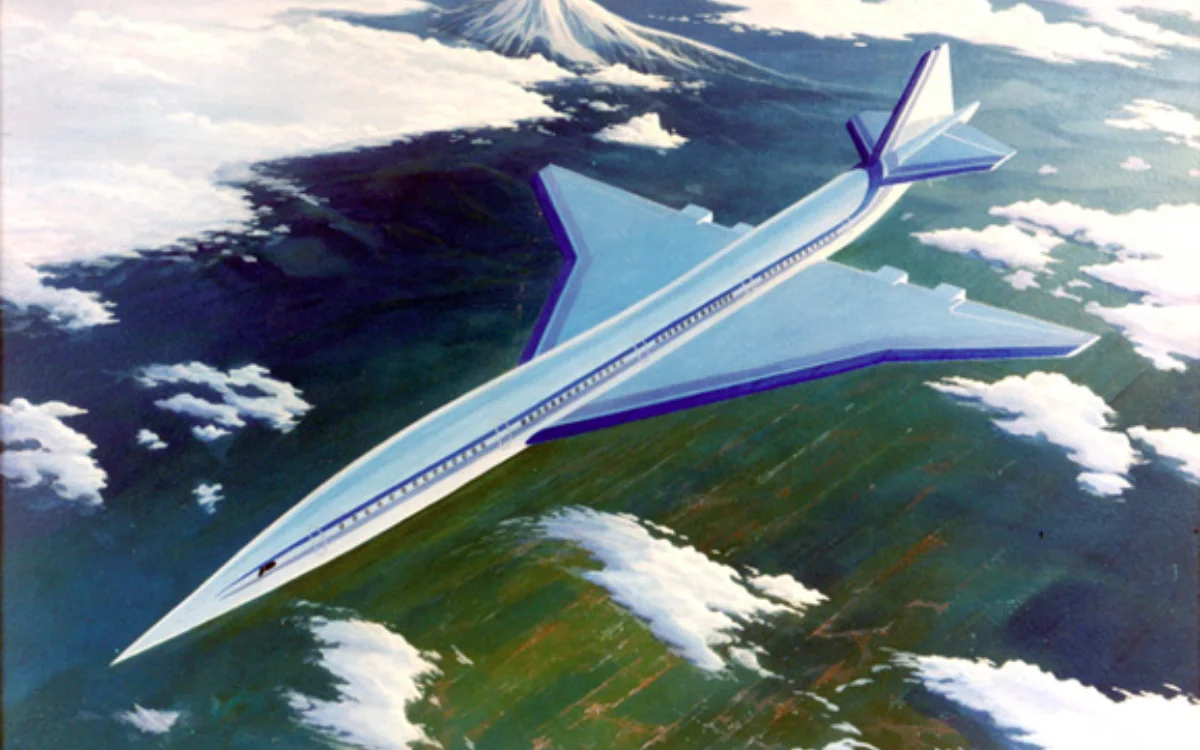
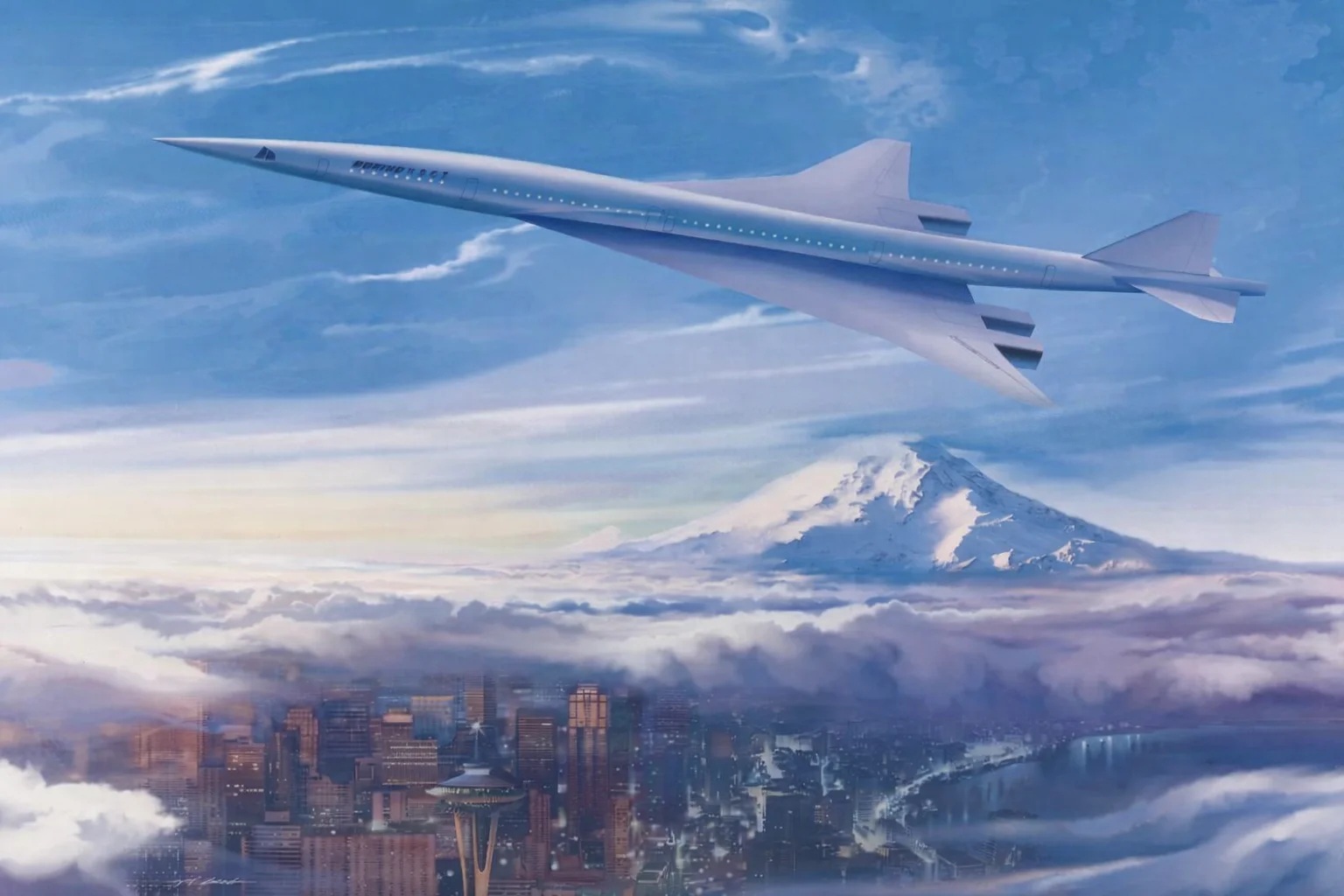
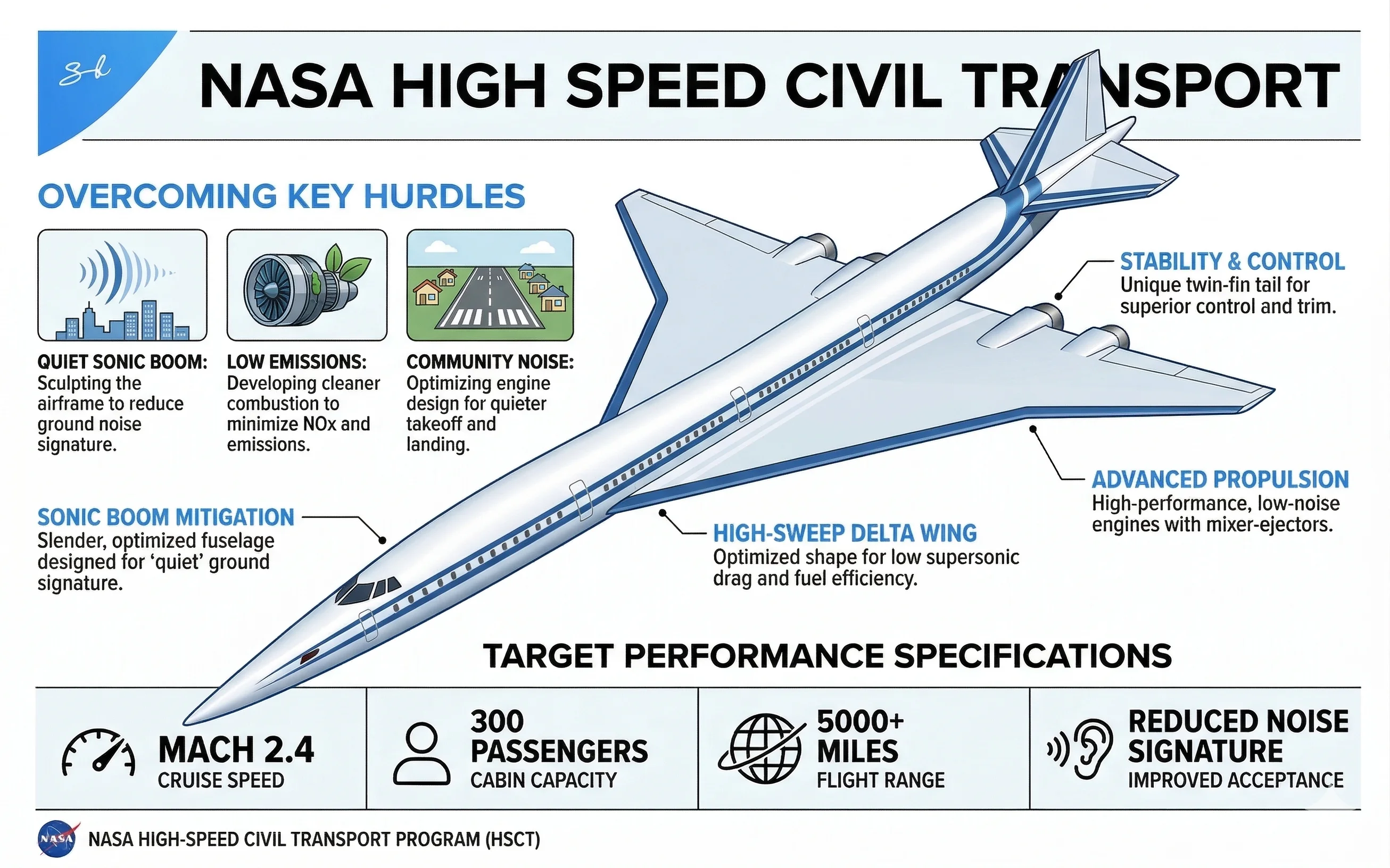
Yet it would soon become clear that NASA was looking to create its own 300-seat supersonic aircraft that could fly almost twice as fast as Concorde.
This aircraft was to be the new High Speed Civil Transport, but by the end of the decade, it was quietly abandoned and consigned to history. This is what happened.
Enter our competition to win a stunning 2006 Ford GT or $400,000 cash!
Why NASA wanted to develop a new supersonic jet
America had tried to build its own rival to Concorde in the late 1960s.
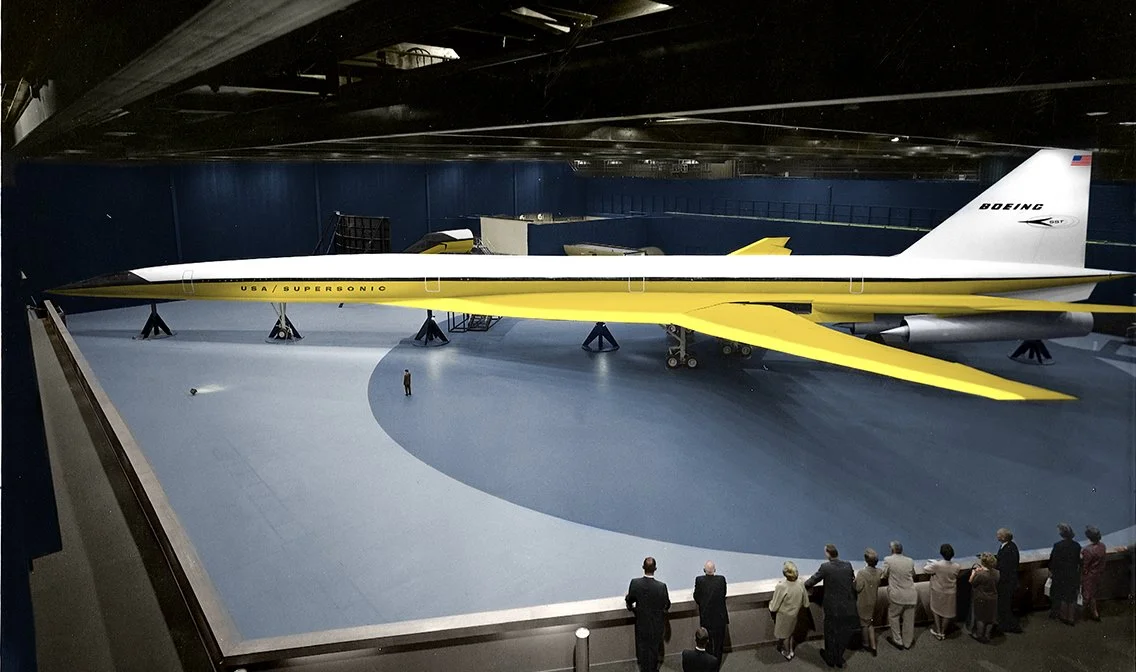
Boeing had been awarded the contract to build the 2707, an aircraft that had more speed than Concorde at Mach 3, and more space with up to 300 seats.
It also had an innovative swing-wing design, although this was later dropped due to cost and weight reasons.
But by 1971, the project was over.
Rising costs, a ban on overland sonic booms, and environmental concerns all led to its failure.
Plus, Concorde was struggling for sales, and in the end, only British Airways and Air France flew the aircraft.
By the late ’90s, however, things had changed.
Concorde had been in service for 20 years, and it had proven that supersonic commercial aviation could make money.
It was an expensive endeavor, but it could work.
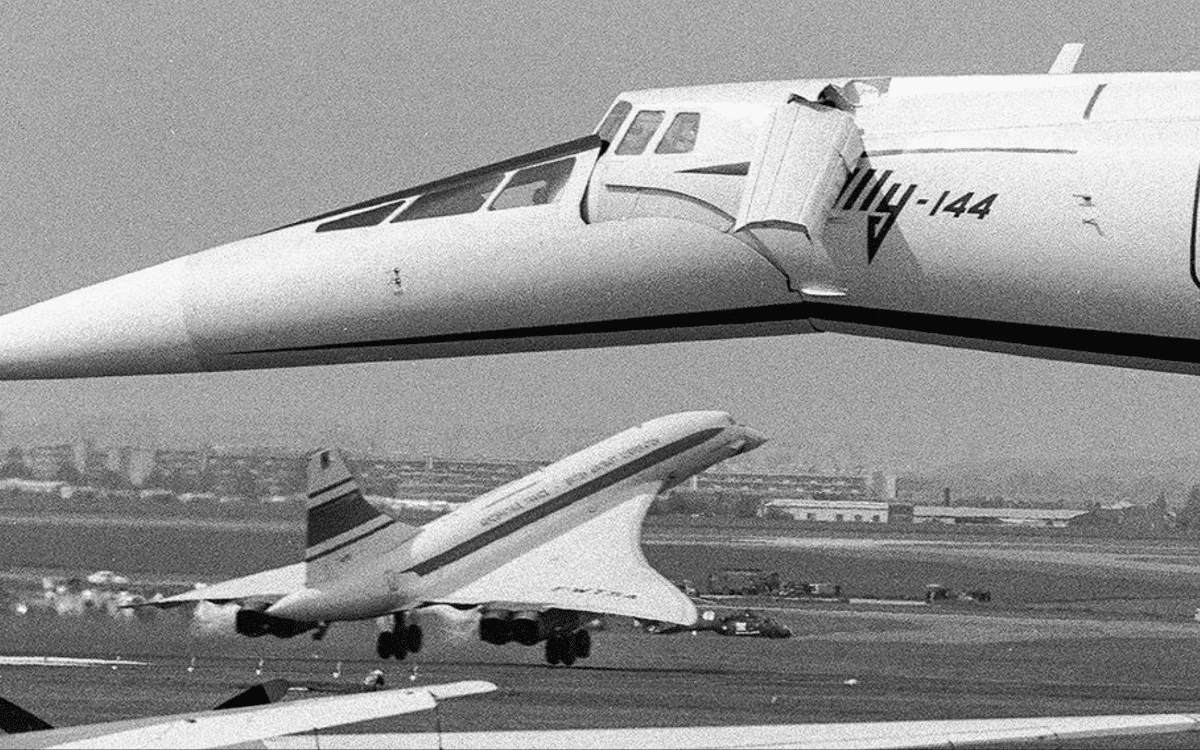
Having also seen the Russians get their own supersonic airliner, the Tupolev Tu-144, off the ground, NASA decided to push forward with a new plan.
It would learn from the lessons of both Concorde and the Tu-144 to create America’s own supersonic airliner.
NASA also looked at what would and wouldn’t have worked on the Boeing 2707, and its competitor, the Lockheed L-2000.
How NASA conducted research for the High Speed Civil Transport
Ironically, NASA turned to the newly formed Russian Federation to assist with its design.
With the Soviet Union now gone, America’s space agency partnered with Boeing and Rockwell to conduct research flights.
Russian company IBP Aerospace brokered a deal between the American parties and Tupolev.
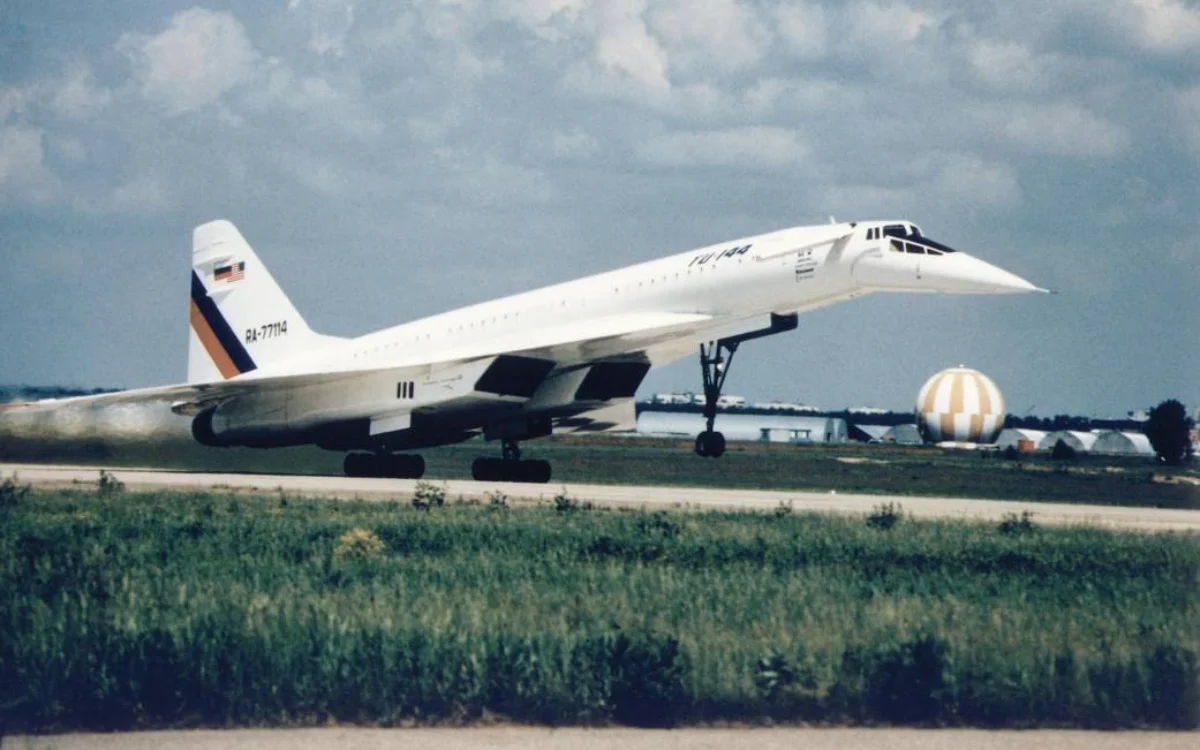
A Tupolev Tu-144 was renovated and turned into a flying laboratory for NASA’s research.
Tu-144D No.77114 was the chosen aircraft with just 82.5 hours of flying time.
Now designated a Tu-144LL (Flying Laboratory), it conducted around 30 flights from 1996 to 1997.
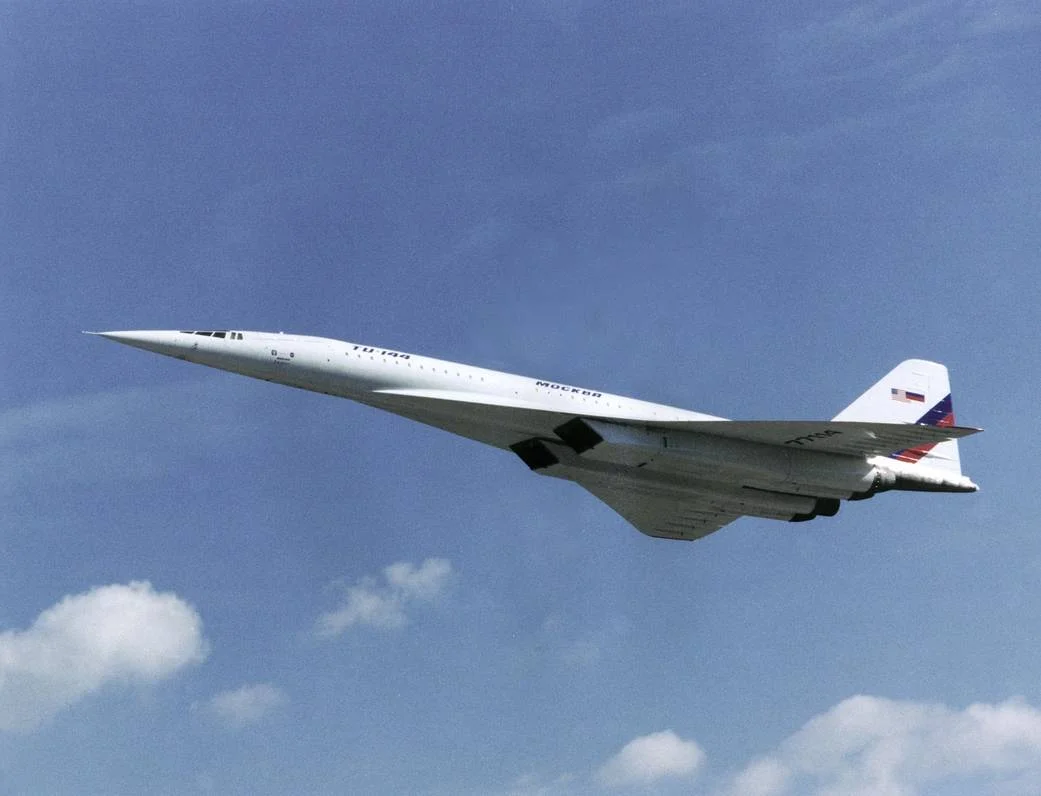
The irony was not lost on the West that it was using a former enemy’s aircraft for its own gain.
But the research proved invaluable as NASA continued to pursue its concept.
This is how fast the High Speed Civil Transport would have been
Renderings and artists’ impressions, as well as models, were soon released of the new aircraft.
The HSCT would have been able to fly across the Atlantic or Pacific Ocean in half the time of a non-supersonic aircraft.
With enough capacity for up to 300 people, it would have allowed tickets to be cheaper than Concorde’s.
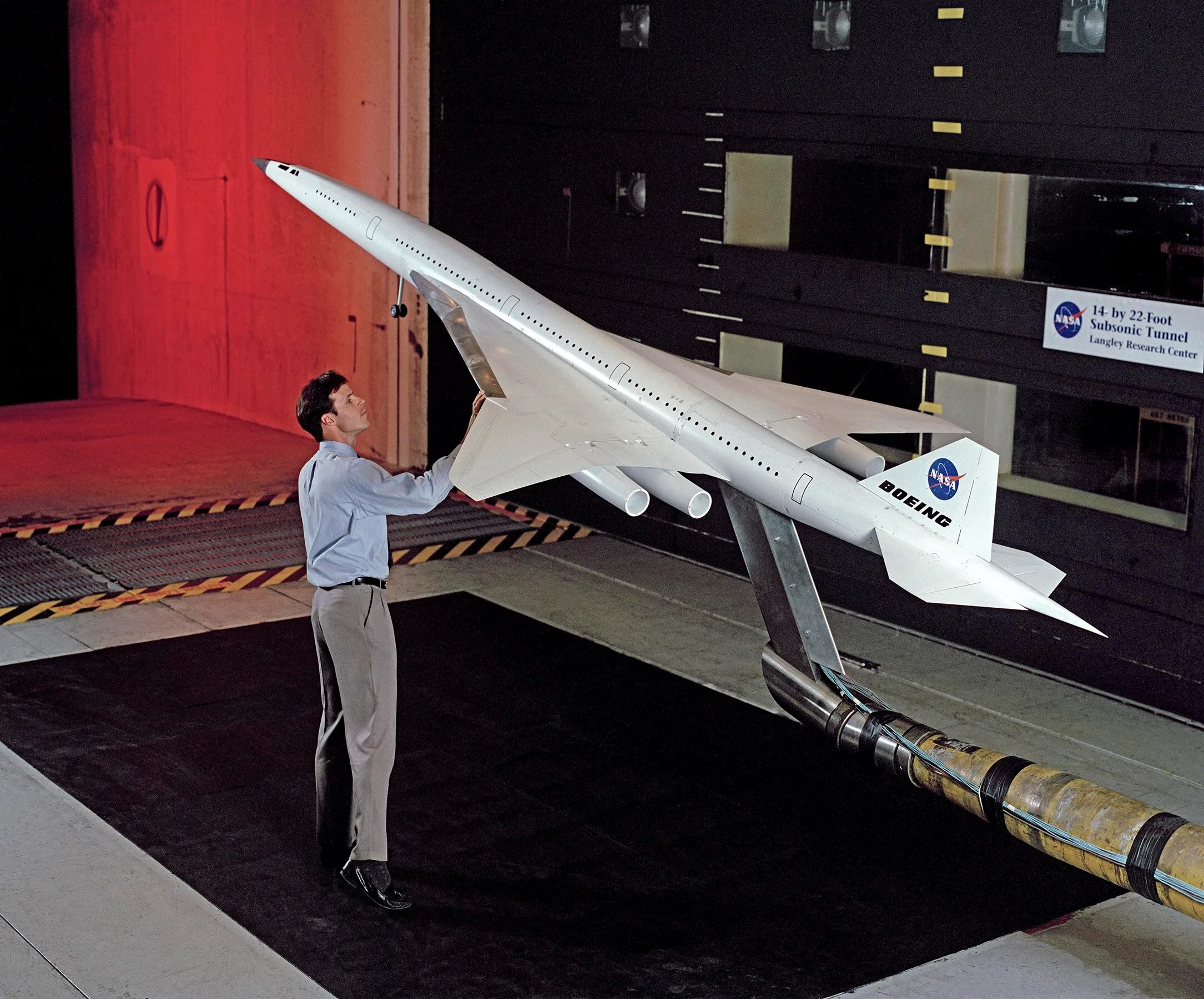
In fact, it was predicted they would only be slightly more expensive than on a regular airliner.
Emissions tests were carried out during the research phase to make the aircraft more environmentally friendly.
A U-2 spy plane even measured high-altitude emissions from Concorde.
Other new technologies were developed, such as new engine nozzles and ways to mitigate the sonic boom.
While an SR-71 Blackbird tested these, it was decided that the HSCT would stay subsonic over land like Concorde.
The ultimate hope was that the aircraft would fly faster than Concorde and the Tu-144, at Mach 2.4.
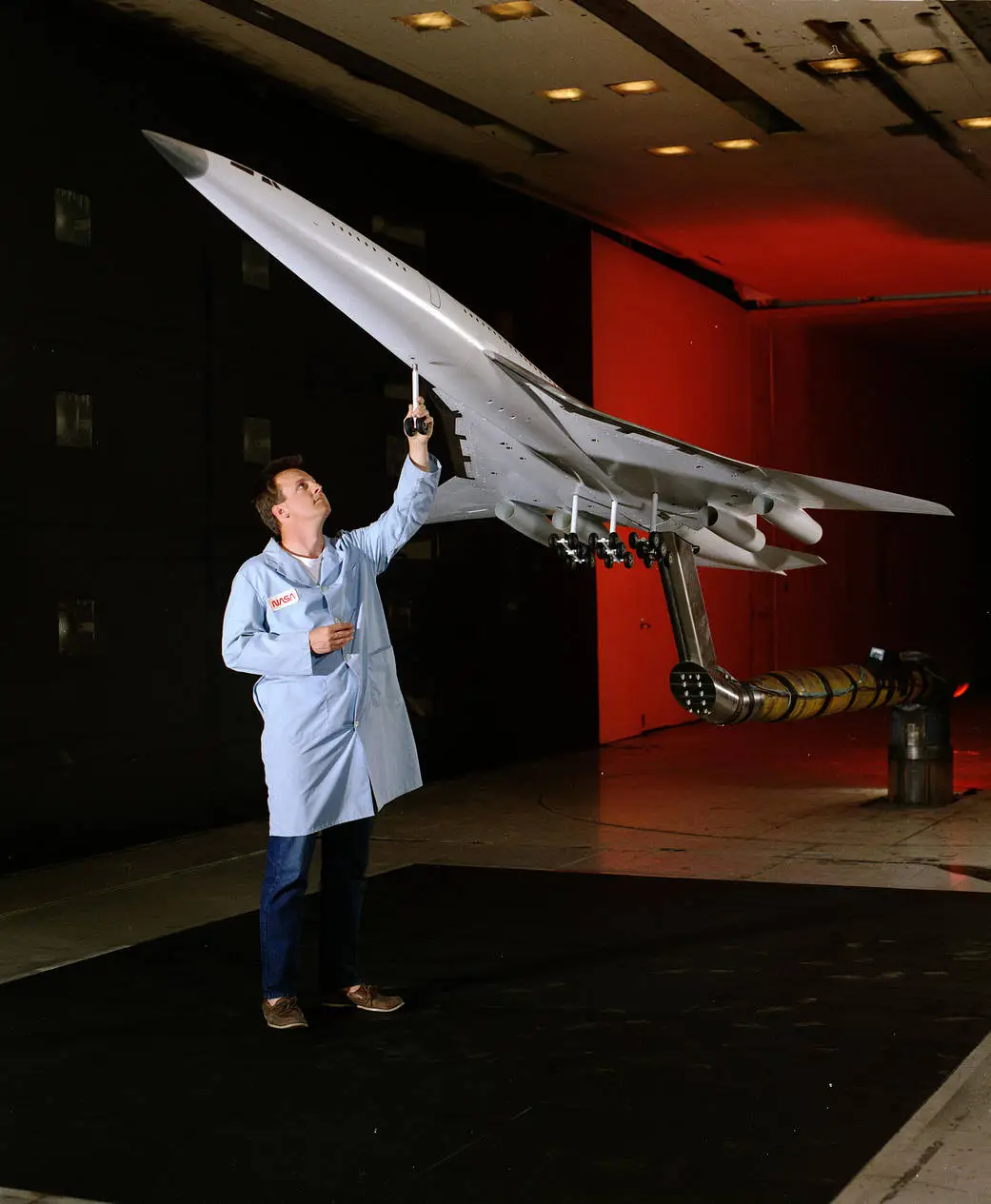
Concorde itself was capped at Mach 2 and could only carry up to 100 passengers.
While the Tupolev Tu-144 was faster at Mach 2.15 and carried 150 people, it was so noisy and unreliable that it carried passengers for just one year.
If research had been successful, the NASA supersonic jet would have been launched in 2002 and entered service within 20 years.
Why the HSCT supersonic jet quietly vanished in 1999
The research from the Tupolev Tu-144 flights had been hugely beneficial to the project.
But in 1999, NASA and its partner Boeing announced they had abandoned the project.
Once again, another American supersonic jet dream had failed.
The big question, of course, was why had this one not succeeded either?
It had all come down to money, with budget constraints being a big problem.
Boeing also lost interest and withdrew funding, meaning there was no way forward for the HSCT.
The Tu-144 used for the project conducted further research until 1999, by which time it was retired.
Concorde, meanwhile, flew on until 2003, albeit blighted by the Air France accident of 2000.
But despite Concorde’s success, there was no global appetite for a supersonic airliner.
Thus, another American effort to go supersonic never even got off the ground.
Supersonic commercial aviation timeline
1962: The UK and France sign a treaty to jointly develop the Concorde
December 31, 1968: The Soviet Tupolev Tu-144 completes its maiden flight right before Concorde
March 2, 1969: The Anglo-French Concorde successfully completes its first test flight
January 21, 1976: Concorde officially begins commercial service with British Airways and Air France
June 1, 1978: The Tu-144 is retired from passenger service after just 55 scheduled flights
1990–1999: The NASA High Speed Civil Transport (HSCT) program researched advanced supersonic tech before its cancellation
October 24, 2003: Concorde makes its final commercial flight due to high operating costs and low demand
2020s: Modern startups like Boom Supersonic begin developing sustainable, next-generation supersonic passenger jets
DISCOVER SBX CARS: The global premium car auction platform powered by Supercar Blondie
Henry joined the Supercar Blondie team in February 2025, and since then has covered a wide array of topics ranging from EVs, American barn finds, and the odd Cold War jet. He’s combined his passion for cars with his keen interest in motorsport and his side hustle as a volunteer steam locomotive fireman at a heritage steam railway.