Mystery object that struck United Airlines windshield mid-flight has been identified and it wasn't a meteor
Published on Oct 23, 2025 at 10:31 AM (UTC-4)
by Ben Thompson
Last updated on Oct 23, 2025 at 10:31 AM (UTC-4)
Edited by
Mason Jones
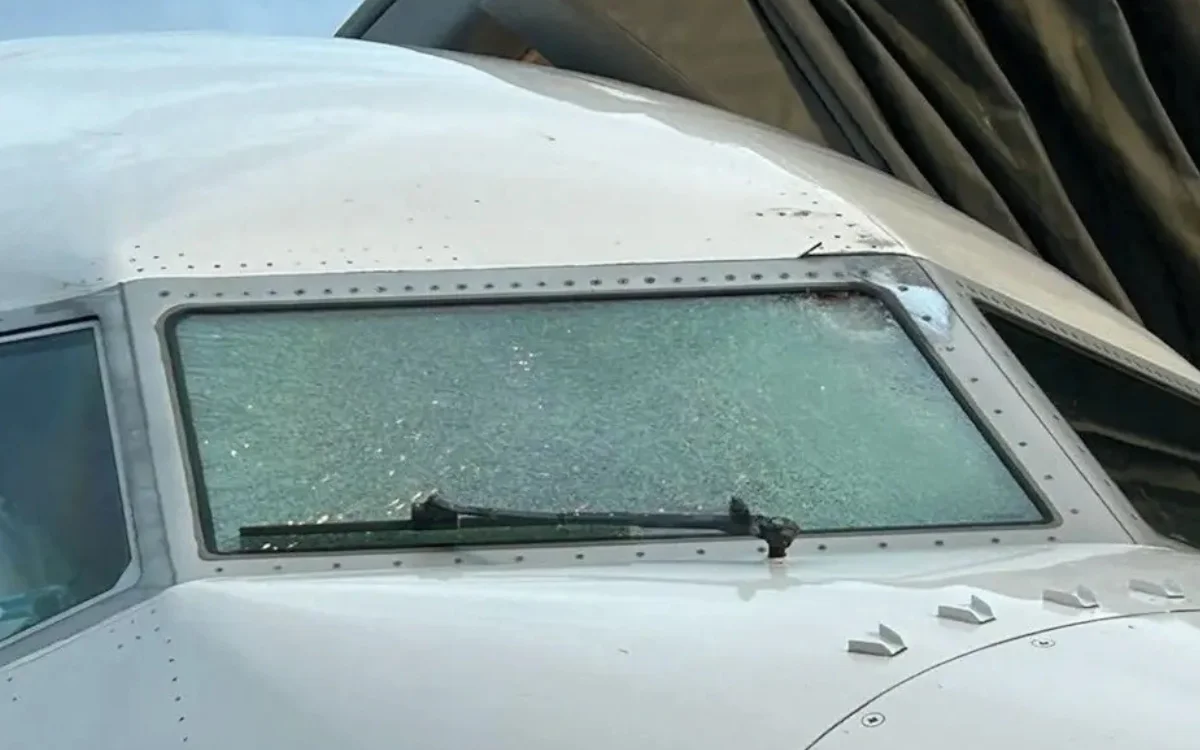

The mystery object that struck the windshield of an United Airlines plane has been identified – and it wasn’t a meteor.
When a Boeing 737-8 aircraft was forced to divert on a flight from Denver to LA, it made headlines around the world.
Much speculation was generated about what object had hit the plane’s windshield, causing injury to the pilot.
But now, the cause has been identified and it’s not what you’d expect.
EXPLORE SBX CARS – Supercar auctions starting soon powered by Supercar Blondie
What struck this United Airlines plane as it was heading to LA?
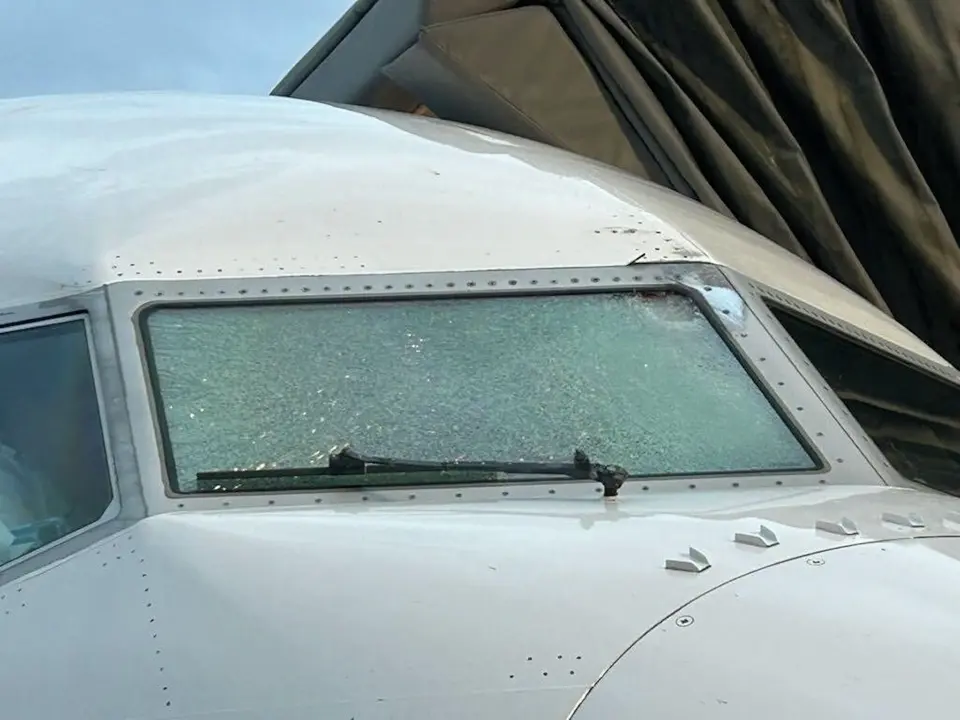
Earlier this week, a mystery object struck a United Airlines flight mid-air, damaging the windshield of the plane.

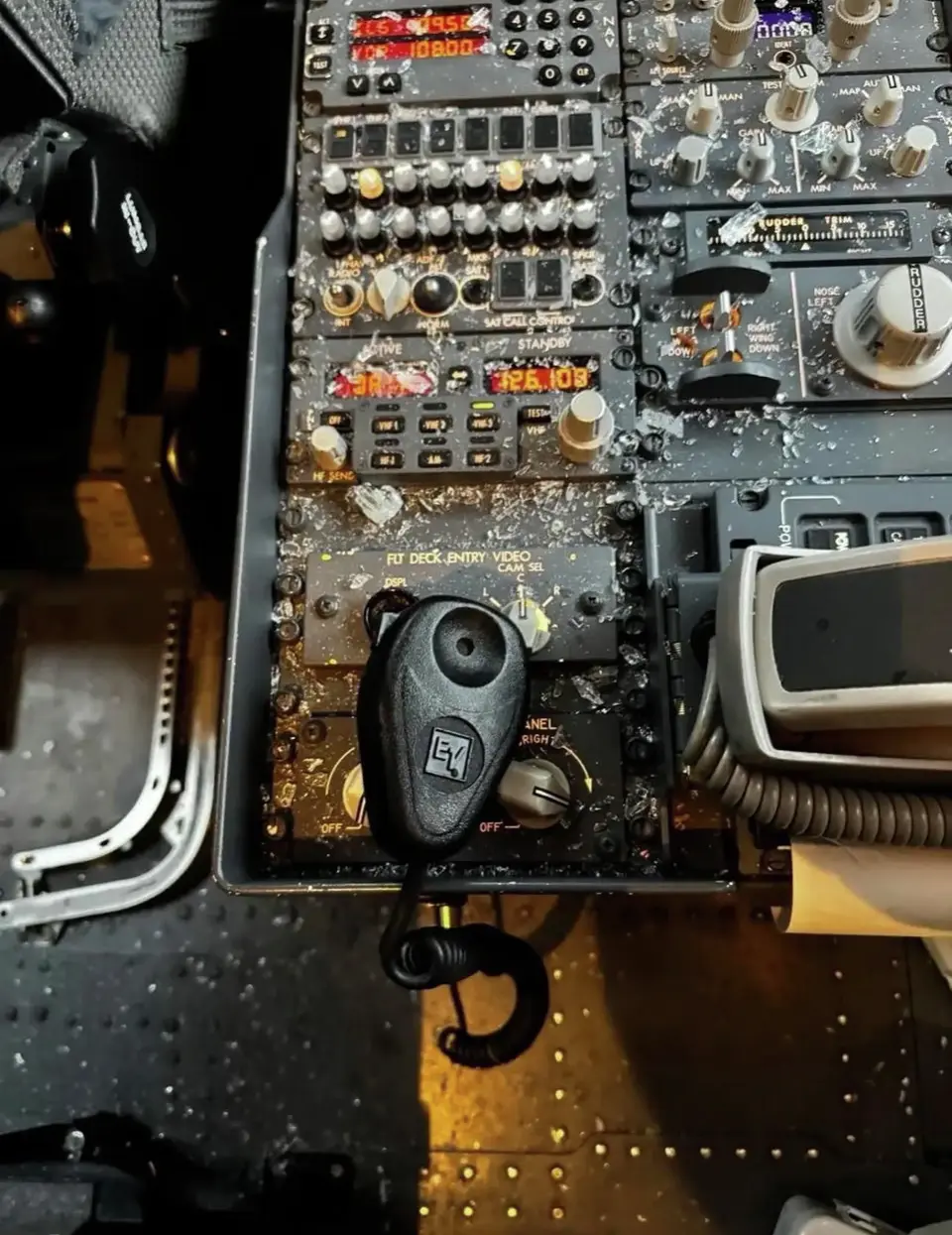
It left the pilot with cuts to his arm and left the pilots no choice but to divert the plane to Salt Lake City.
The airliner was flying at 36,000ft above the ground over Utah when the object struck.
A passenger filmed part of the descent as the aircraft dropped 10,000ft and prepared to divert to Salt Lake City.
Thankfully, the aircraft still flew as if everything was normal, so the crew was able to perform a normal landing.
All passengers were then safely transferred to another aircraft to take them to Los Angeles.
It obviously left people with a lot of questions.
There was a lot of speculation that space debris like a meteor was the culprit.
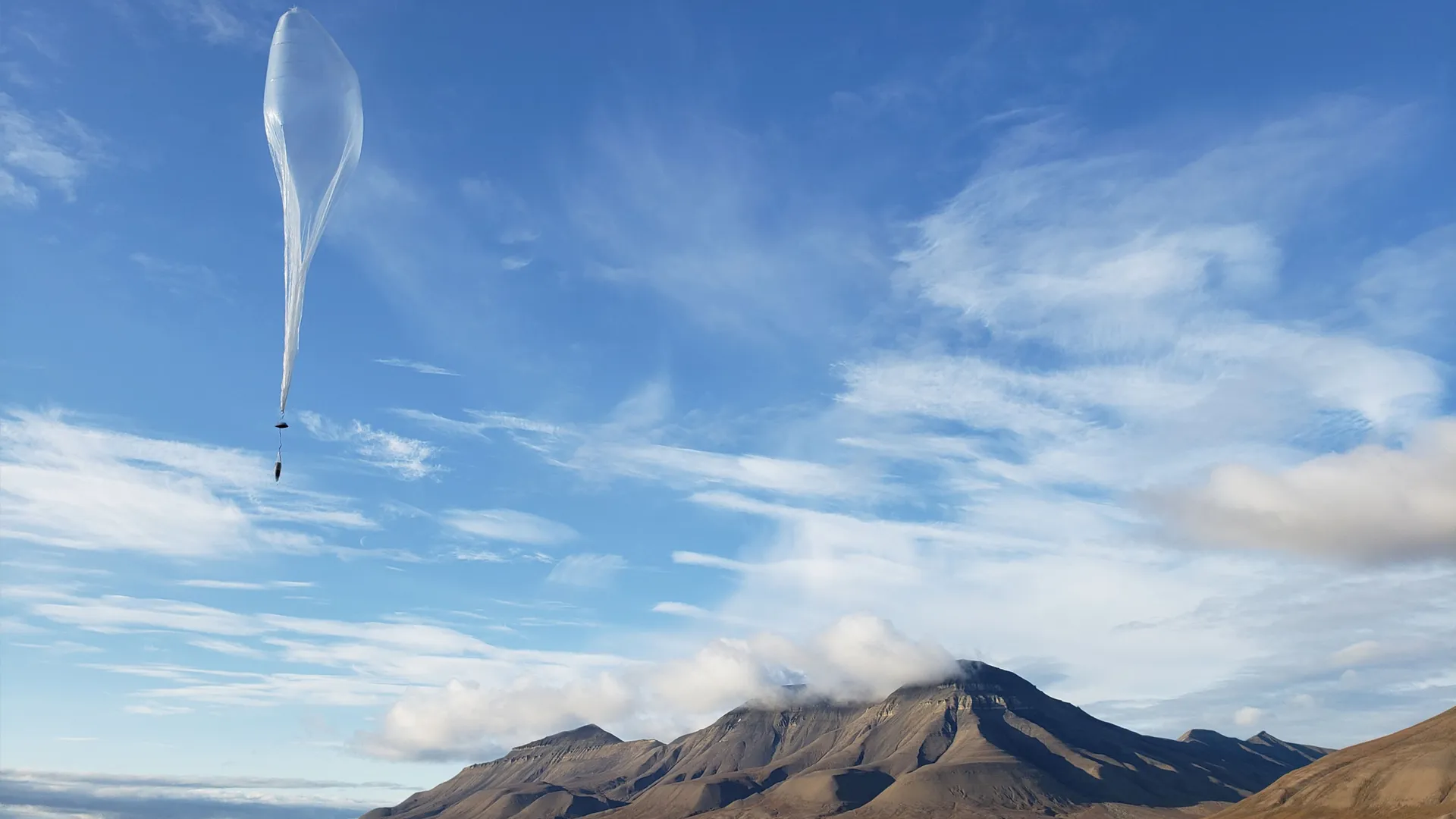
But alas, it wasn’t – it was a weather balloon.
How did the weather balloon end up colliding with a plane?
The weather belonged to a Silicon Valley company called Windborne Systems.
The company operates more than 4,000 balloons worldwide to collect weather data.
John Dean, Windborne’s chief executive and co-founder, spoke of the incident in a blog post.
“We learned about UA1093 and the potential that it was related to one of our balloons at 11 p.m. PT on Sunday and immediately looked into it,” Dean wrote.
“At 6 a.m. PT, we sent our preliminary investigation to both the NTSB and FAA, and are working with both of them to investigate further.”
The company has said it will be making software changes to limit the time balloons spend between 30,000 and 40,000 feet, San Francisco Chronicle reported.
It will also be speeding up plans to use live flight data to avoid planes in the future.
Ben joined Supercar Blondie in February 2025 after being published by international organizations including LADbible, The Sun, the New York Post, and the Daily Mail. He covers supercars, rare and collectible vehicles, aviation, luxury assets, and the fascinating people behind them. His reporting has explored everything from seven-figure supercars and historic Ferrari collections to unusual aircraft adventures and extraordinary automotive discoveries from around the world. Ben has also gained first-hand insight into vehicle craftsmanship and customization, including visiting specialist workshops to see bespoke vehicles up close.