US man who sued Pepsi for not giving him a $32M fighter jet ended up getting the perfect reward 30 years later
Published on Jun 23, 2026 at 7:52 PM (UTC-4)
by Daisy Edwards
Last updated on Jul 03, 2026 at 11:18 AM (UTC-4)
Edited by
Mason Jones
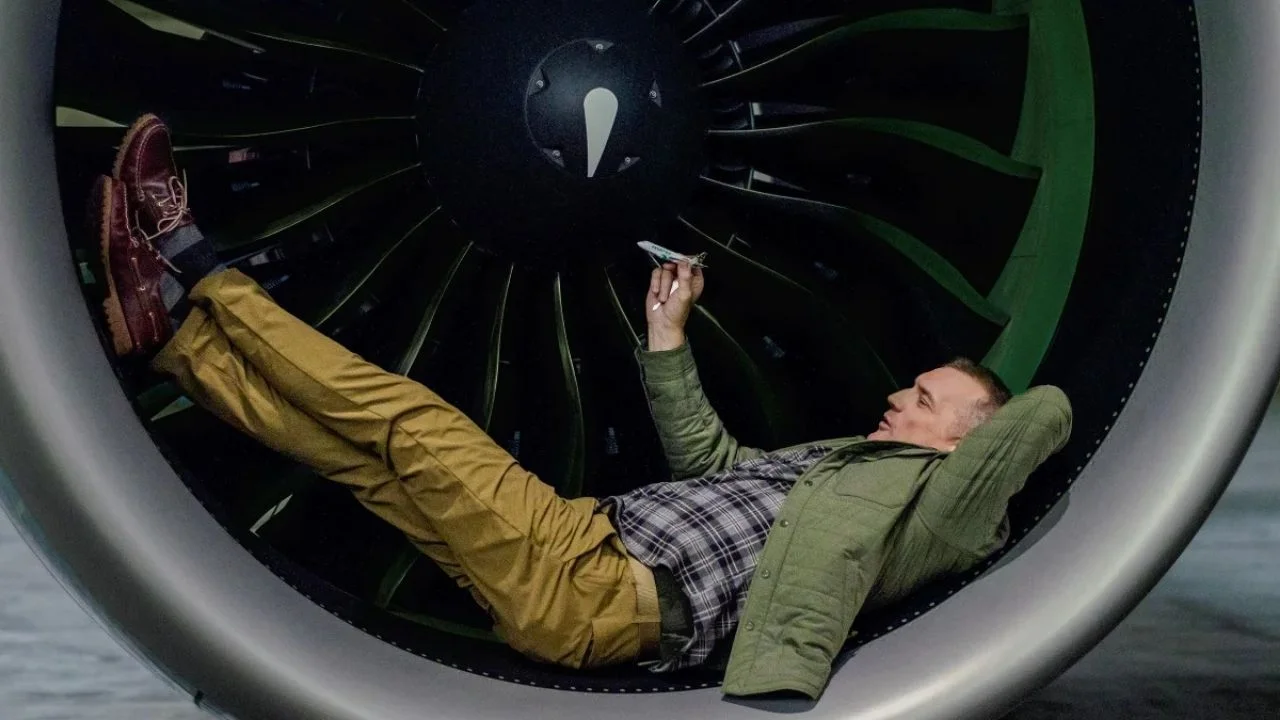

A man who famously sued Pepsi after the company refused to hand over a fighter jet finally received a reward nearly three decades later.
John Leonard became the face of one of the most bizarre legal battles in advertising history after taking a Pepsi commercial at its word.
While the courts ultimately sided with the soda giant, the story never really went away.
Now, 30 years later, Leonard has finally received a prize that might actually be better than a military aircraft.
How John Leonard tried to claim the fighter jet from Pepsi
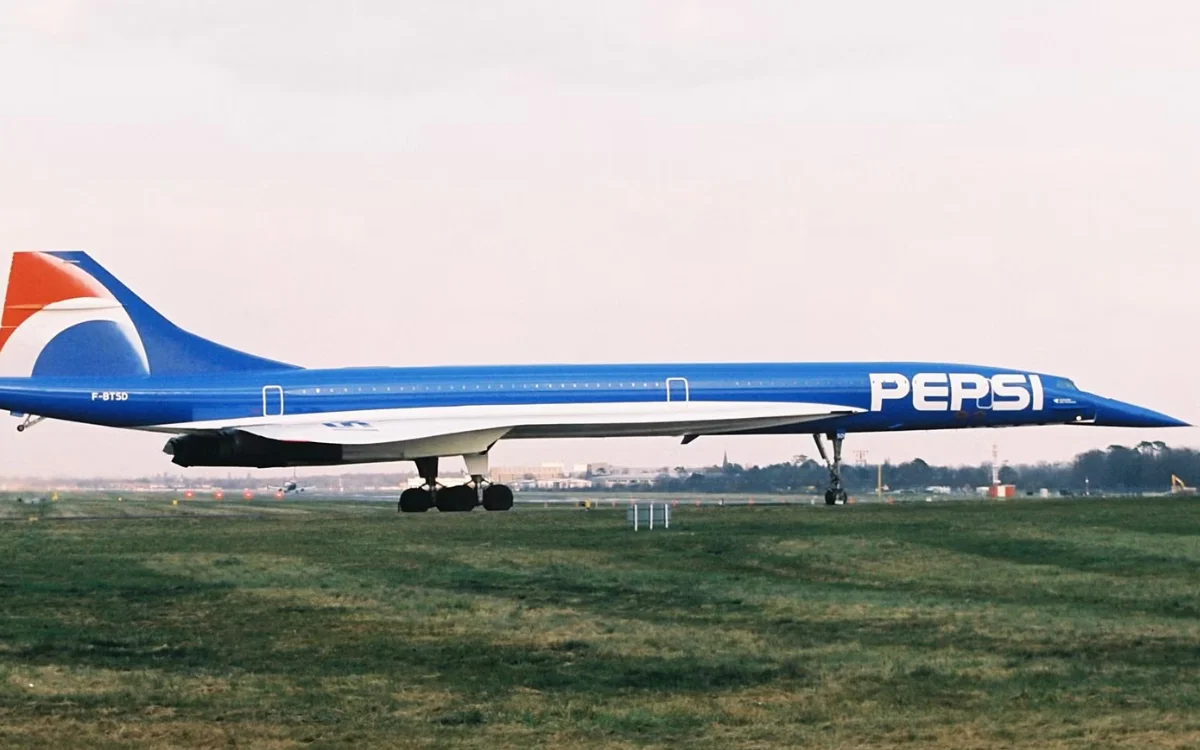
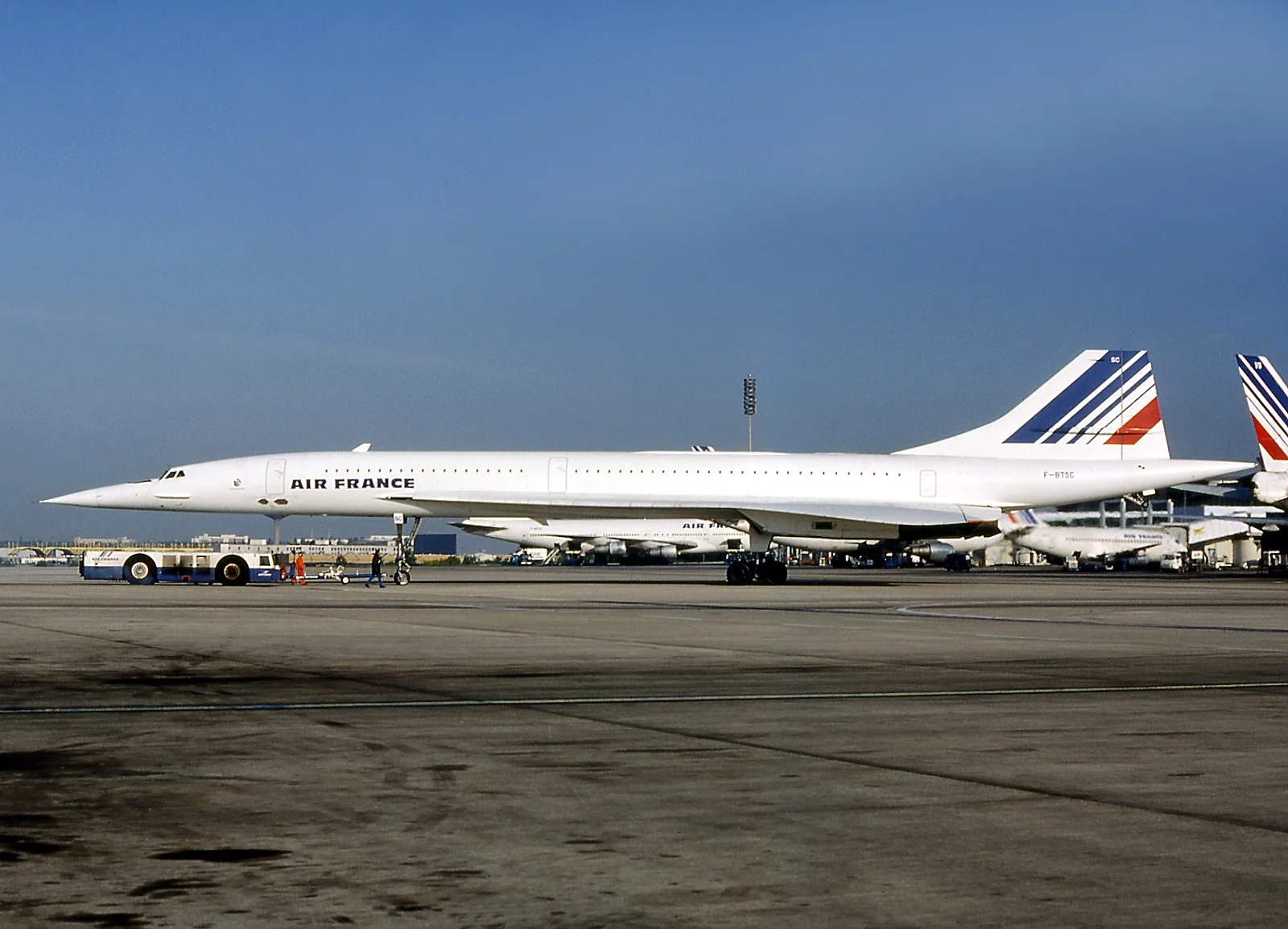
Back in 1996, Pepsi aired a commercial promoting its Pepsi Points loyalty program, which came around the same time the soda brand partnered with Concorde.
Customers could collect points and exchange them for items including sunglasses, jackets, and other branded merchandise.
The ad ended with a student arriving at school in a Harrier fighter jet, alongside a caption stating that the aircraft could be redeemed for seven million Pepsi Points.
Most viewers saw it as a joke, John Leonard didn’t.
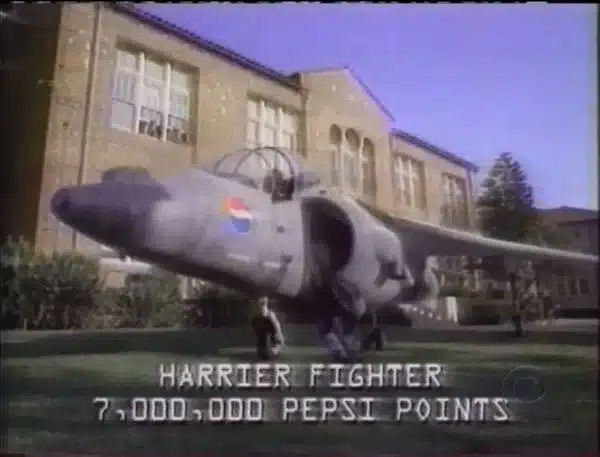
The Seattle college student worked out that he could legally purchase additional Pepsi Points and, with financial backing from investors, gathered enough points to submit a claim for the jet.
Pepsi refused, arguing that the fighter jet was never intended to be a genuine prize.
The dispute eventually made its way to court, where a judge ruled that no reasonable person would believe Pepsi was seriously offering a military aircraft as part of a soft drink promotion.
Related
Why his reward 30 years later is arguably even better
Although Leonard never got the Harrier jet, the saga became one of the most famous marketing disputes in history and was later featured in the Netflix documentary Pepsi, Where’s My Jet?
Then, in 2026, Frontier Airlines decided to give the story a happy ending.
The airline converted Leonard’s original seven million Pepsi Points into seven million Frontier Miles, effectively giving him free flights for life.
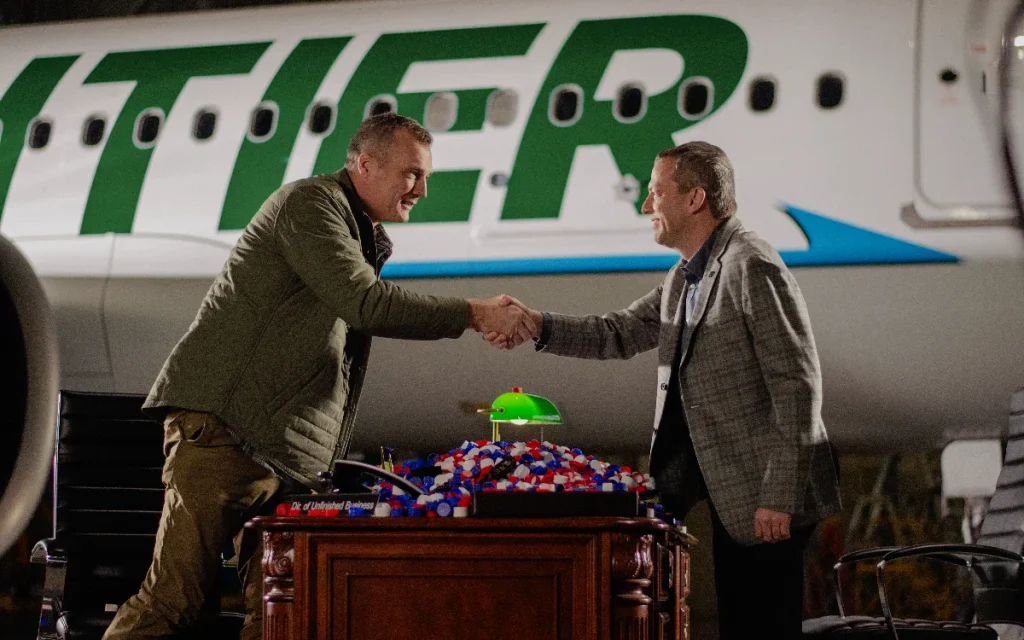
The offer was part of a Super Bowl campaign called ‘The Big Redemption’, which revisited the decades-old controversy and finally gave Leonard something in return for his persistence.
Frontier even featured him in a tongue-in-cheek advert where he was handed the keys to an Airbus A320neo, complete with a playful nod to the saga that made him famous.
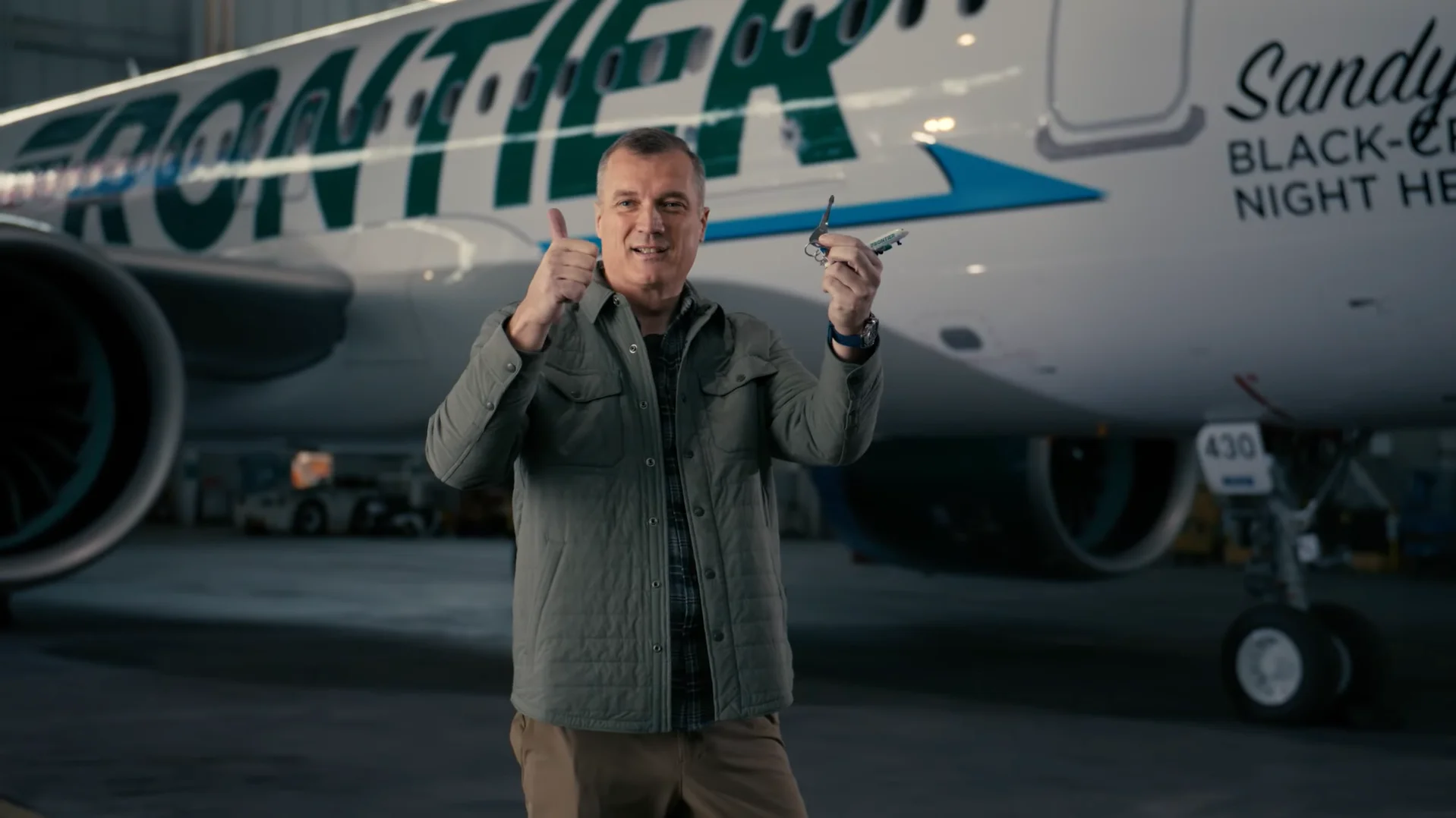
Ironically, Leonard himself admitted the airline miles may be more useful than the fighter jet ever would have been.
Now in his 50s with a wife and children, he said the miles are something he can actually use, while owning and maintaining a military jump jet would have been impossible.

After 30 years of waiting, John Leonard never got his fighter jet, but he might have ended up with the perfect consolation prize.
Daisy is a technology and automotive journalist covering artificial intelligence, consumer tech, Apple news, cryptocurrency, emerging technologies, and transportation innovation. Since joining the team in 2025, she has reported on everything from AI-powered startups and major iOS updates to viral car stories and the latest developments shaping transportation and the digital economy. Drawing on her background in automotive journalism and a degree in History and Journalism from Goldsmiths, University of London, Daisy specializes in breaking down complex topics into clear, engaging reporting for a global audience. Her work spans cutting-edge technology, innovative vehicles, and the people driving change across both industries. Daisy has gained first-hand access to some of the world's most talked-about technologies and innovators, including meeting Tesla's Optimus humanoid robot during its first European appearance in London. She has also discussed the future of space exploration with an astronaut, bringing unique insights and real-world perspectives to her coverage of emerging technology.