Pilot deliberately drags Airbus A350-1000's tail along runway during extreme test to see what the slowest speed it can lift off at
Published on Oct 11, 2026 at 8:09 PM (UTC-4)
by Daisy Edwards
Last updated on Oct 11, 2026 at 8:09 PM (UTC-4)
Edited by
Mason Jones
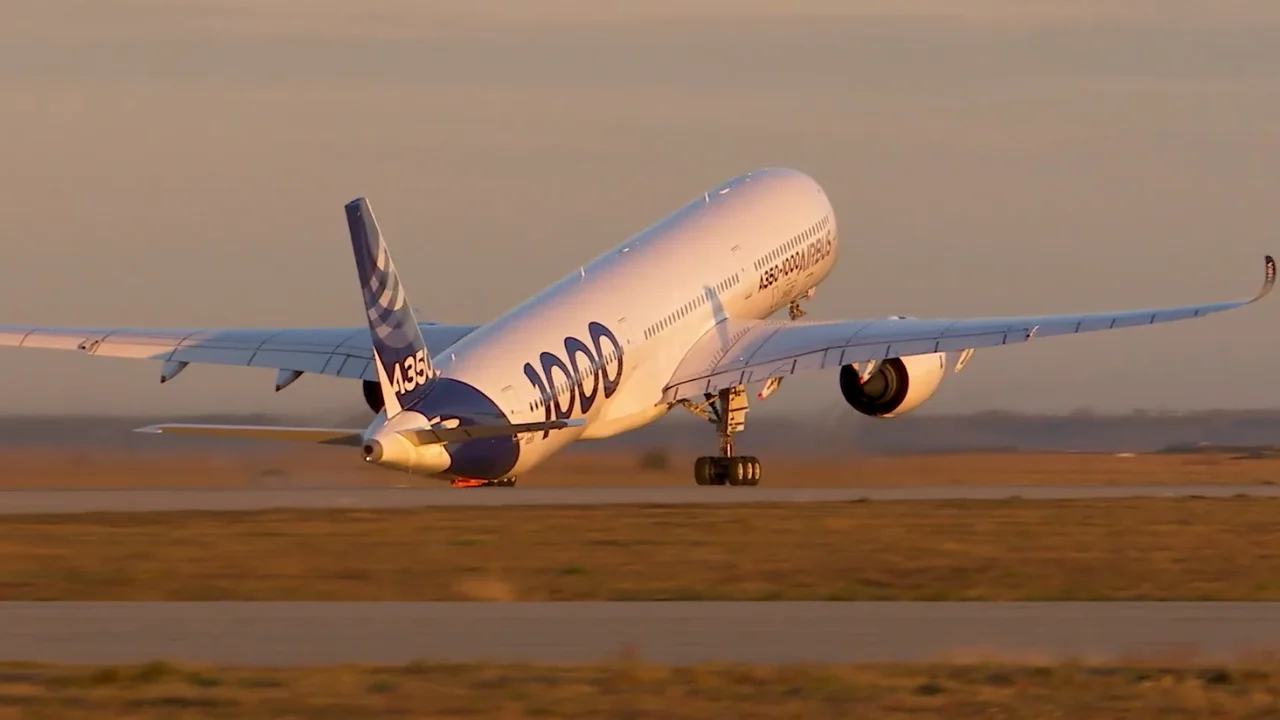

There aren’t many situations where seeing sparks flying from the back of an Airbus A350-1000’s tail is a good thing.
But apparently when an Airbus A350-1000 is doing this, the sparks mean everything is going exactly to plan.
The giant widebody is deliberately getting its tail as close to the runway as possible to find out just how slowly it can take off.
And the answer comes from one of the most extreme tests in the aircraft’s development.
The Airbus A350-1000 is basically scraping its way into the sky
The wild airplane test is called Velocity Minimum Unstick, or VMU, and the name is a pretty good clue about what engineers are trying to find.
They want to establish the absolute minimum speed at which the aircraft can leave the runway.
To do that, the Airbus A350-1000 pilot accelerates down the runway and progressively raises the nose until the protective tail bumper touches the ground.
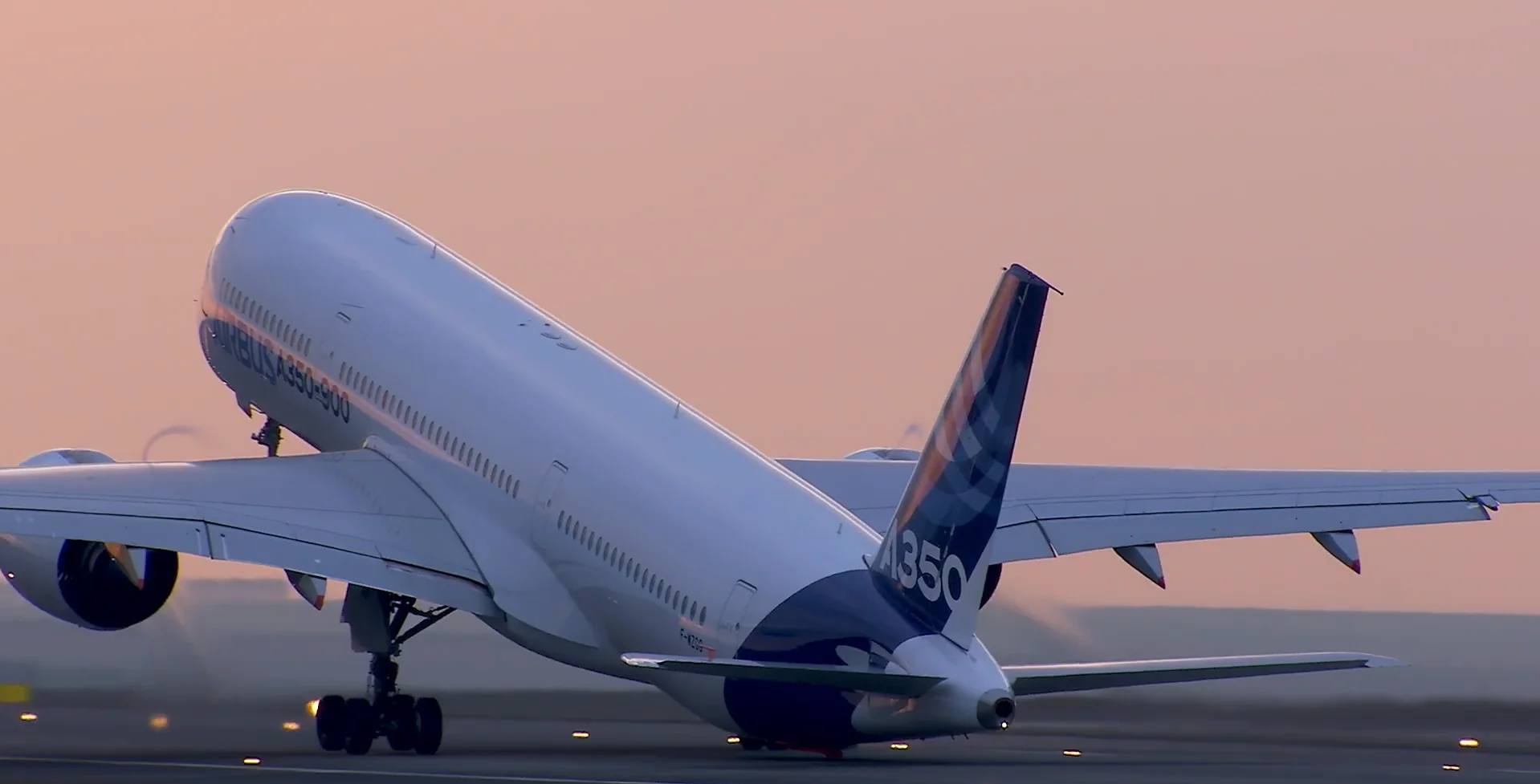
Then they keep it there; the pilot is deliberately dragging the back of a multi-million-dollar Airbus along the runway.
The tail bumper is specifically designed to protect the rear of the aircraft during this kind of testing, and the result can be a spectacular trail of sparks as the aircraft continues accelerating.
It looks like something has gone horribly wrong, but this is exactly what the flight-test team wants to see.
Related
There is a tiny margin between impressive and disastrous
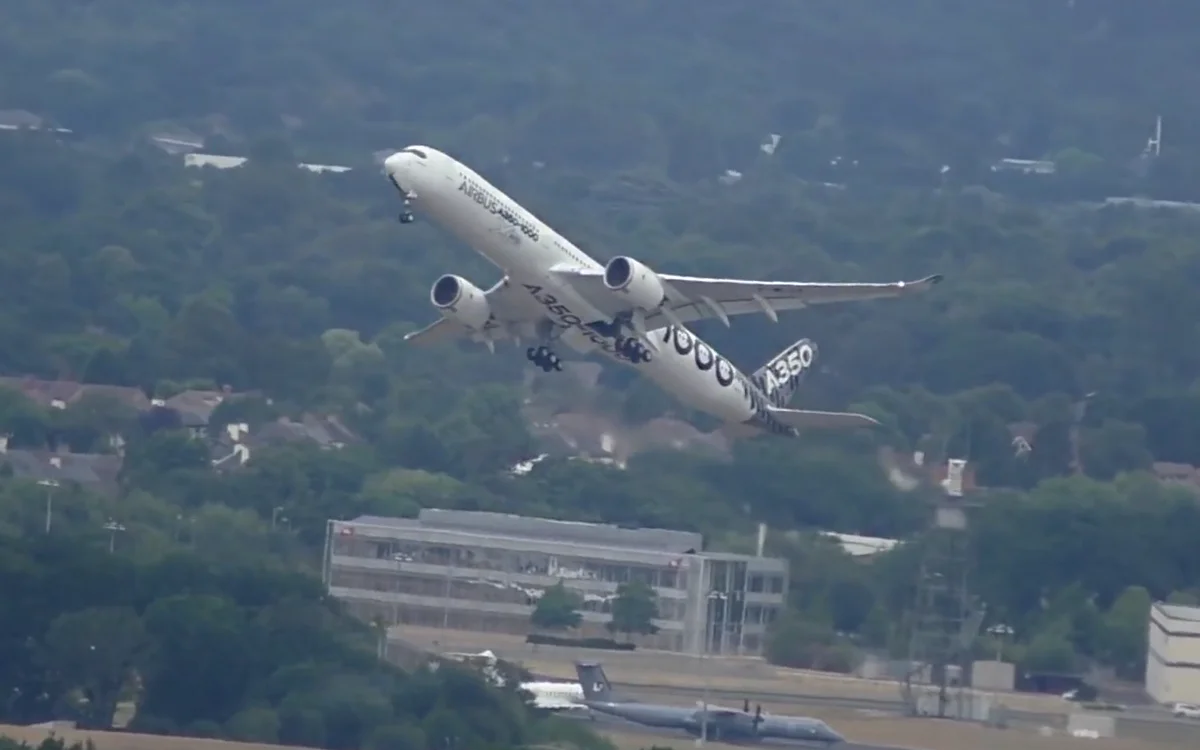
The really tricky part comes when the aircraft finally leaves the ground.
The pilot has to maintain a very precise pitch attitude, making sure the nose doesn’t drop below the required liftoff attitude.
But they also can’t raise it too far, because that could cause the fuselage behind the tail bumper to hit the runway.
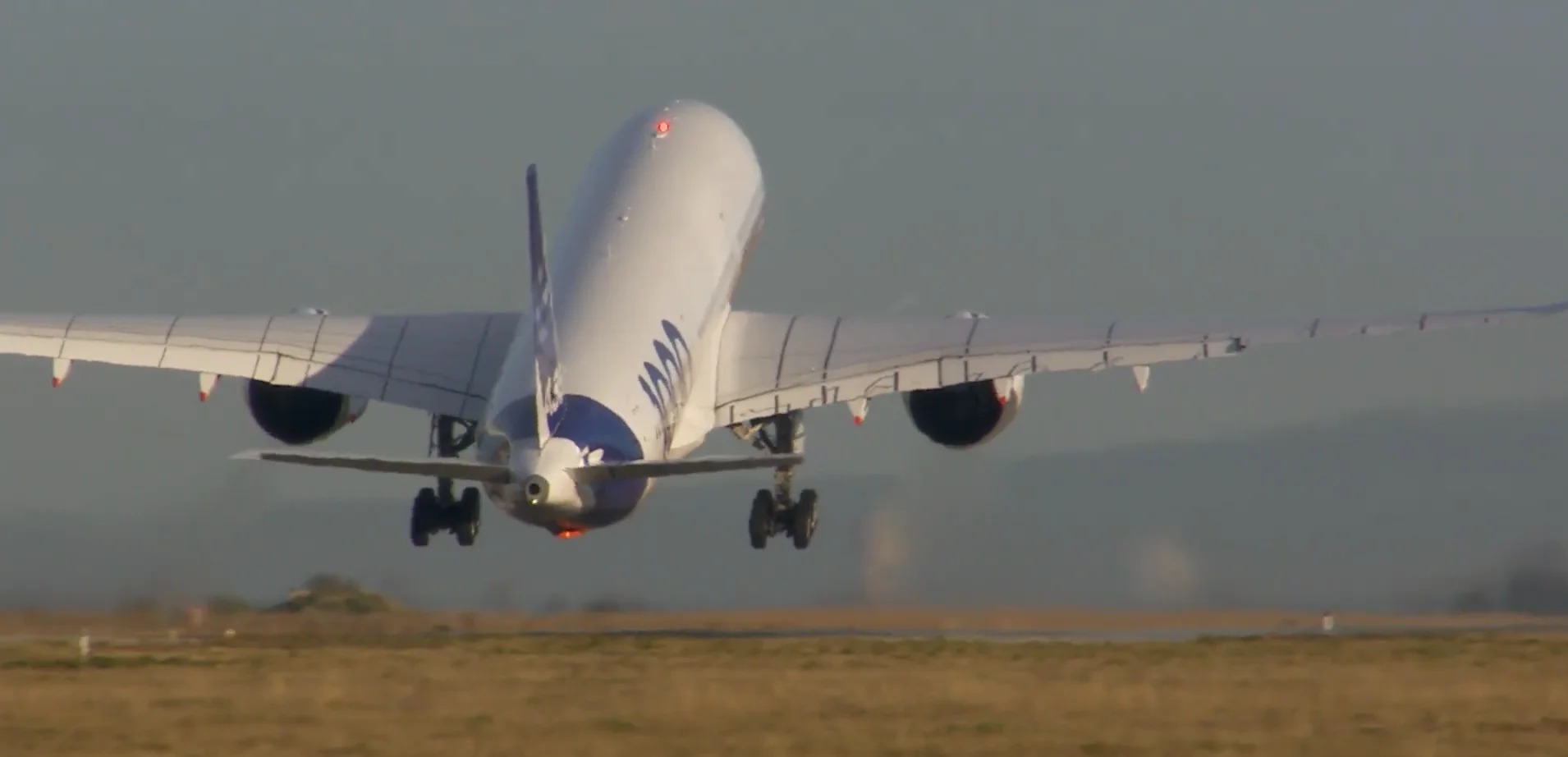
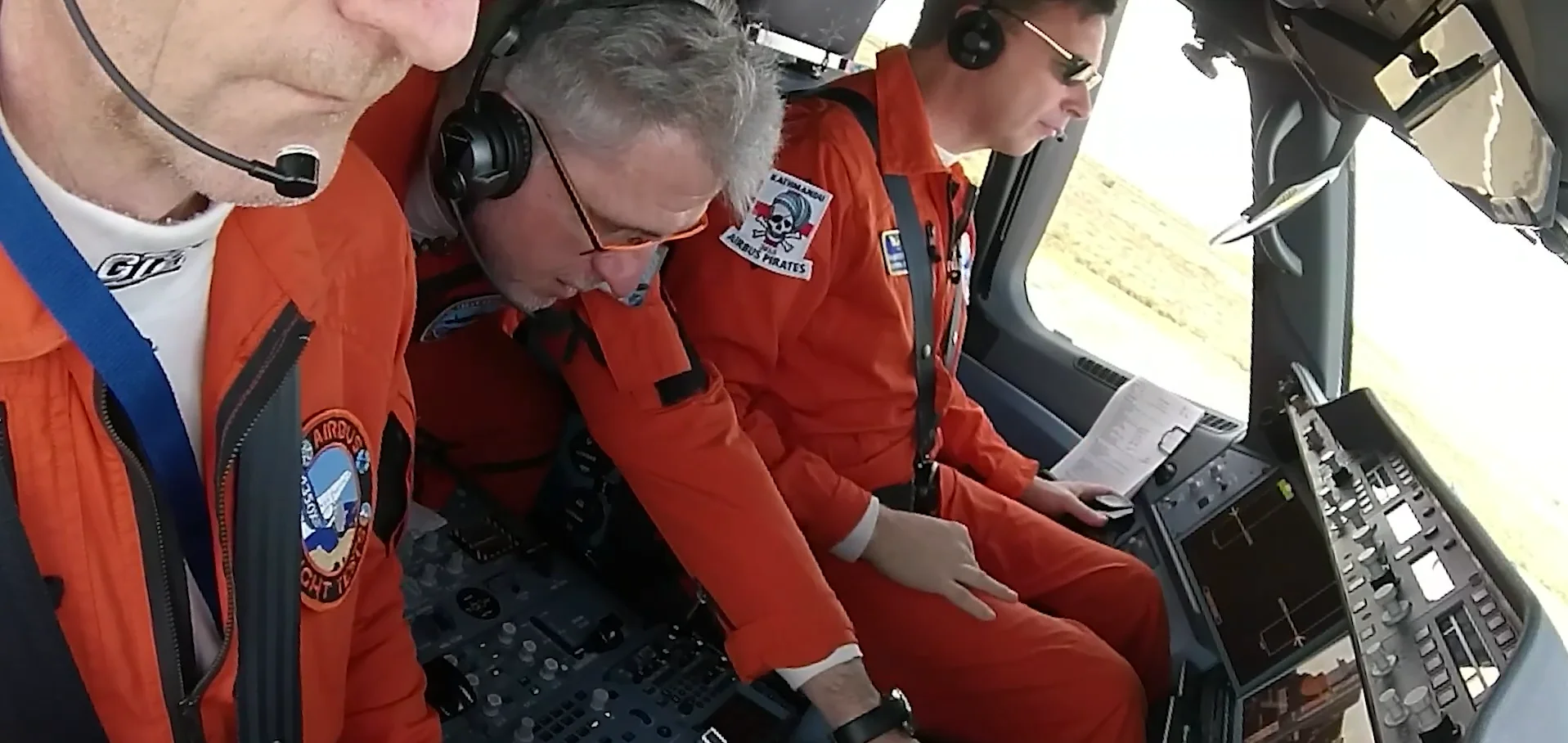
In some cases, the margin is only around 1.5 degrees, so while one pilot is concentrating on pitch, the other has a rather important job too.
They keep the aircraft aligned with the runway during the ground roll and then make tiny control inputs to keep the aircraft’s bank angle close to zero after liftoff.
Meanwhile, a flight test engineer sits between the pilots and carefully controls the thrust while monitoring the engines and aircraft systems.
Sometimes it barely wants to fly
The engineers also deliberately perform some of the tests at low thrust to find the aircraft’s minimum climb performance.
That can create an especially wild situation where the A350-1000 has technically taken off but is barely climbing away from the runway.
If the aircraft doesn’t have enough thrust to climb safely, the second pilot can take control, apply full thrust and perform a go-around.

The team can repeat the test with different aircraft weights, flap settings, and thrust levels, building a detailed picture of how the aircraft behaves at the very edge of its performance envelope.
And while the footage makes it look like the A350-1000 is having the world’s most dramatic takeoff, the whole point is to make sure airline passengers never have to experience anything remotely like it.
Daisy is a technology and automotive journalist covering artificial intelligence, consumer tech, Apple news, cryptocurrency, emerging technologies, and transportation innovation. Since joining the team in 2025, she has reported on everything from AI-powered startups and major iOS updates to viral car stories and the latest developments shaping transportation and the digital economy. Drawing on her background in automotive journalism and a degree in History and Journalism from Goldsmiths, University of London, Daisy specializes in breaking down complex topics into clear, engaging reporting for a global audience. Her work spans cutting-edge technology, innovative vehicles, and the people driving change across both industries. Daisy has gained first-hand access to some of the world's most talked-about technologies and innovators, including meeting Tesla's Optimus humanoid robot during its first European appearance in London. She has also discussed the future of space exploration with an astronaut, bringing unique insights and real-world perspectives to her coverage of emerging technology.