Just two years after the prototype, the first Praga Bohema hypercar is ready to hit the road
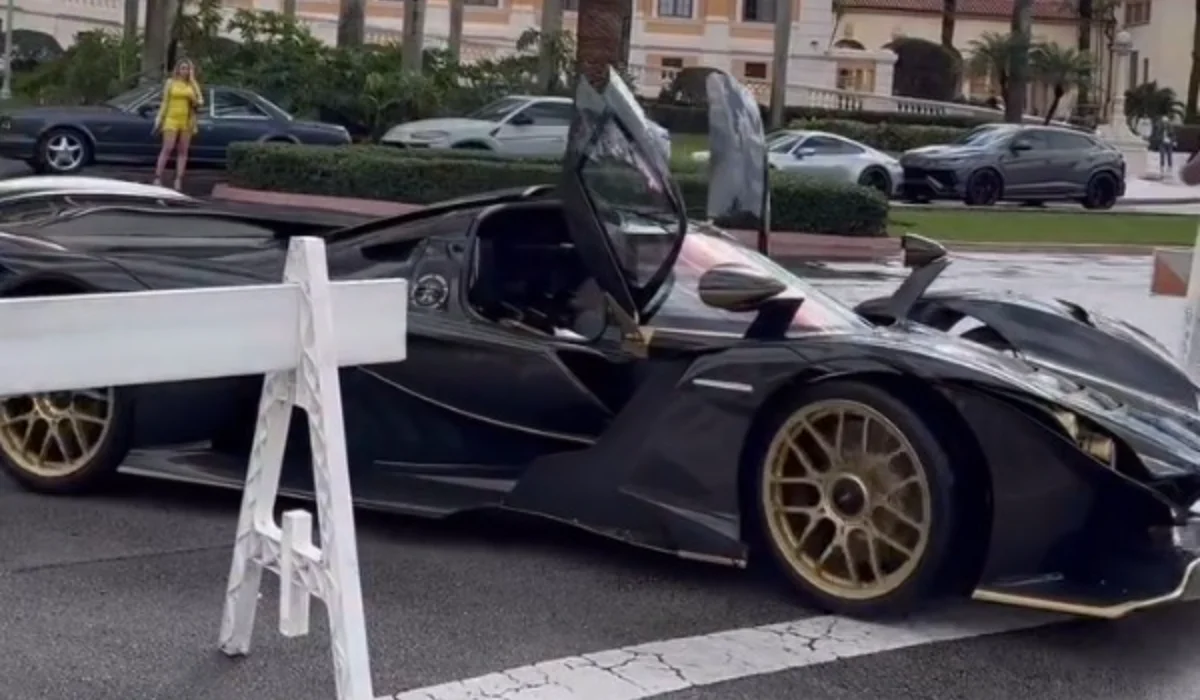
- This is the first Praga Bohema customer car
- It’s powered by a 3.8-liter, six-cylinder engine producing 700 horsepower
- It weighs under 1,000kg
Published on Dec 06, 2024 at 2:59 PM (UTC-5)
by Alessandro Renesis
Last updated on Dec 16, 2024 at 11:35 AM (UTC-5)
Edited by
Kate Bain
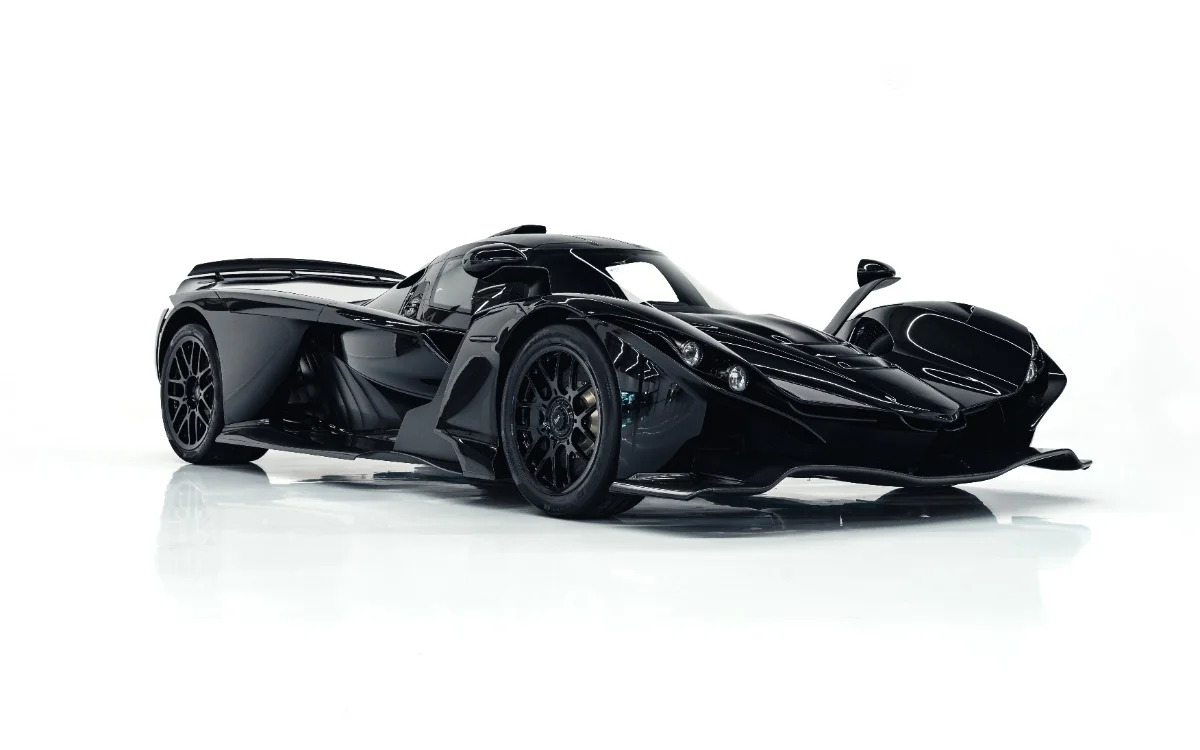

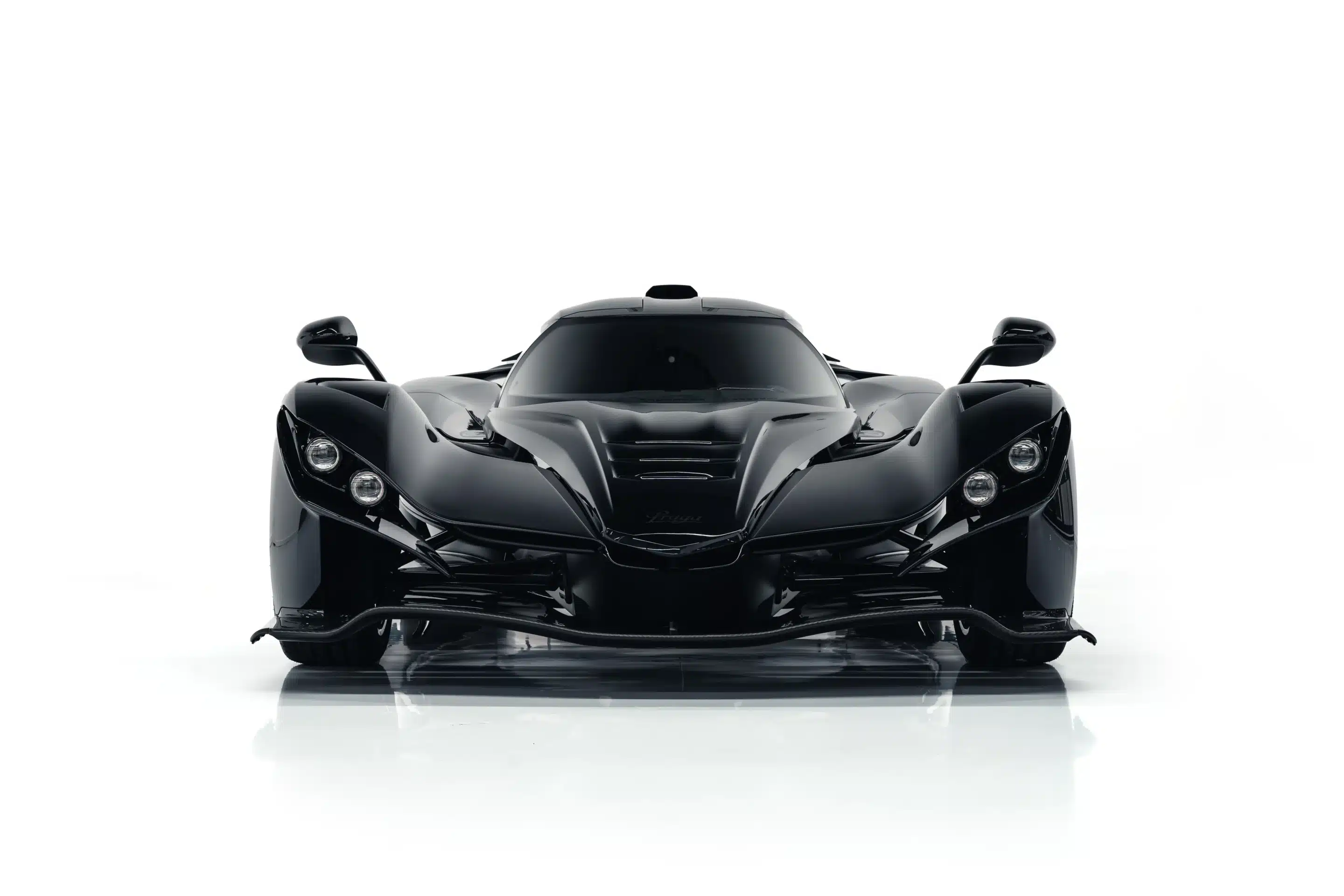
The first Praga Bohema hypercar ever built is ready to be driven home by its new owner.
We’re talking about a 700-horsepower, seven-figure hypercar designed to be driven around the track.
It only took two years to go from prototype to production too.
There are legacy automakers out there that can’t do that.
DISCOVER SBX CARS: The global premium car auction platform powered by Supercar Blondie
How they went from prototype to production in just two years
It took the company only two years to develop the first customer car starting from the prototype, and that’s pretty good for a relatively small company.
Part of the reason why they managed to do it that quickly is they prioritized engineering.
“We have a team of 24 engineers,” Praga’s Marketing Director Mark Harrison told supercarblondie.com.
He further explained that engineers constituted around 90 percent of the workforce.
Praga said this was because building a great car started and ended with great engineering, everything else came after.
Related
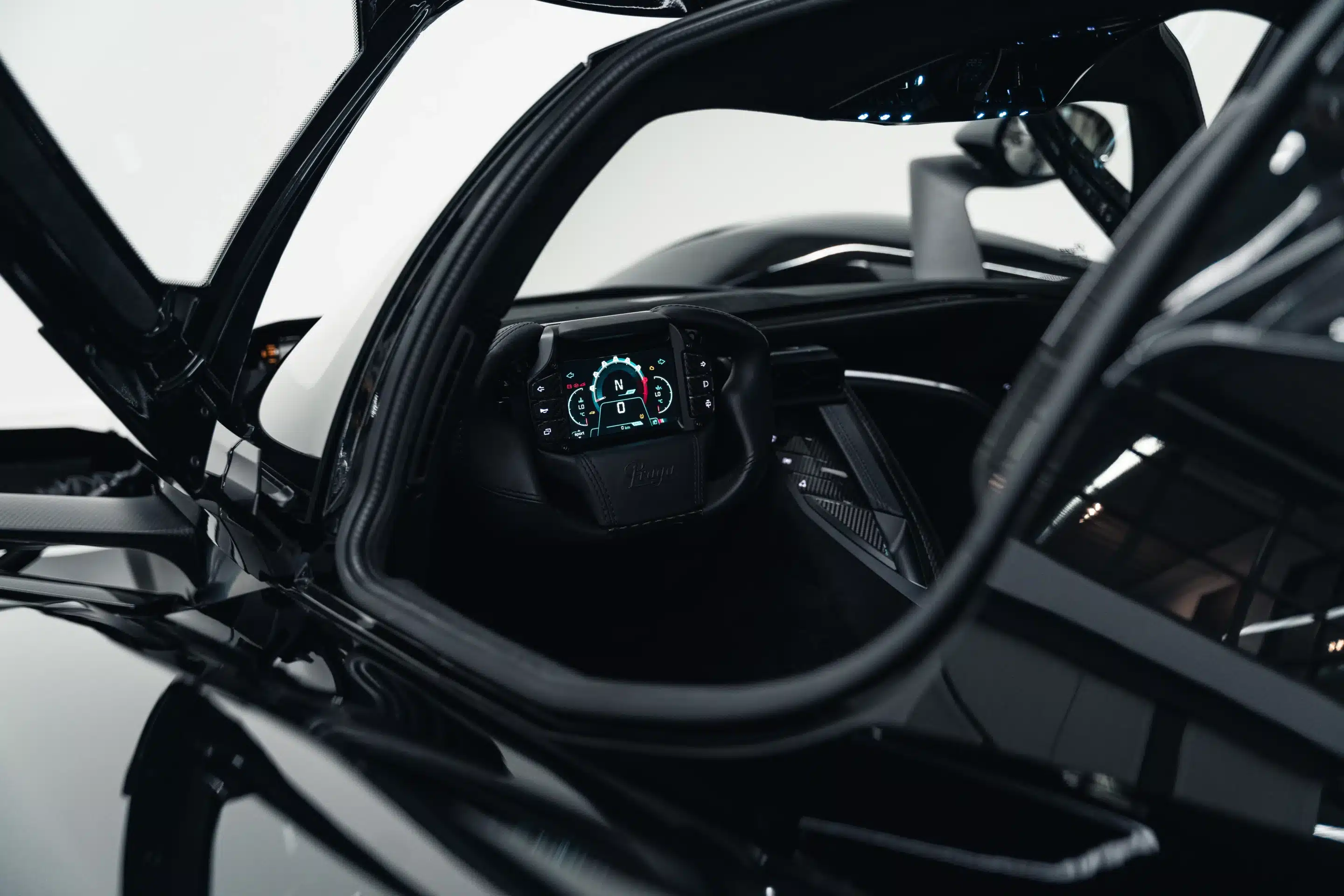
Behind the wheel of the Praga Bohema hypercar
The idea behind the Praga came from a conversation the Praga team had with former F1 driver Romain Grosjean.
Racing drivers are famously particularly unenthused when it comes to road cars, because they all feel a bit dull to them, and that’s why Praga wanted to create a car even top-notch drivers like Grosjean could enjoy.
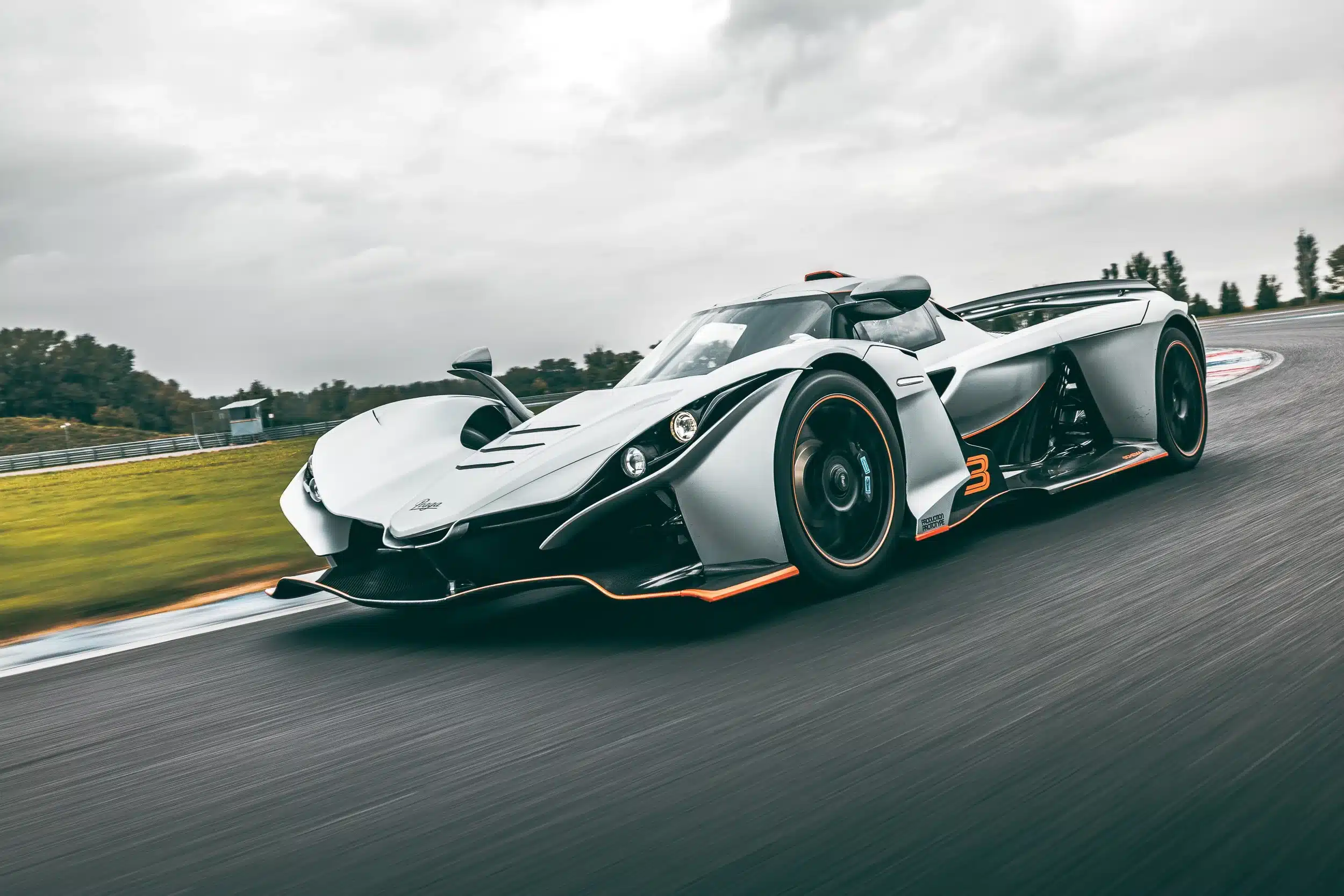
Praga said the car’s weight was a priority, more specifically keeping it under 1,000kg.
After that, they added a bespoke 700-horsepower Praga Litchfield 3.8-liter six-cylinder twin-turbo engine, loosely based on a type of engine that Nissan used to use for the GT-R before its EV transition.
It does 0-62mph (0-100km/h) in 2.3 seconds, and reaches a top speed of 197mph (317km/h).
More to the point, it can generate up to 900kg of downforce and 2G in the corners.
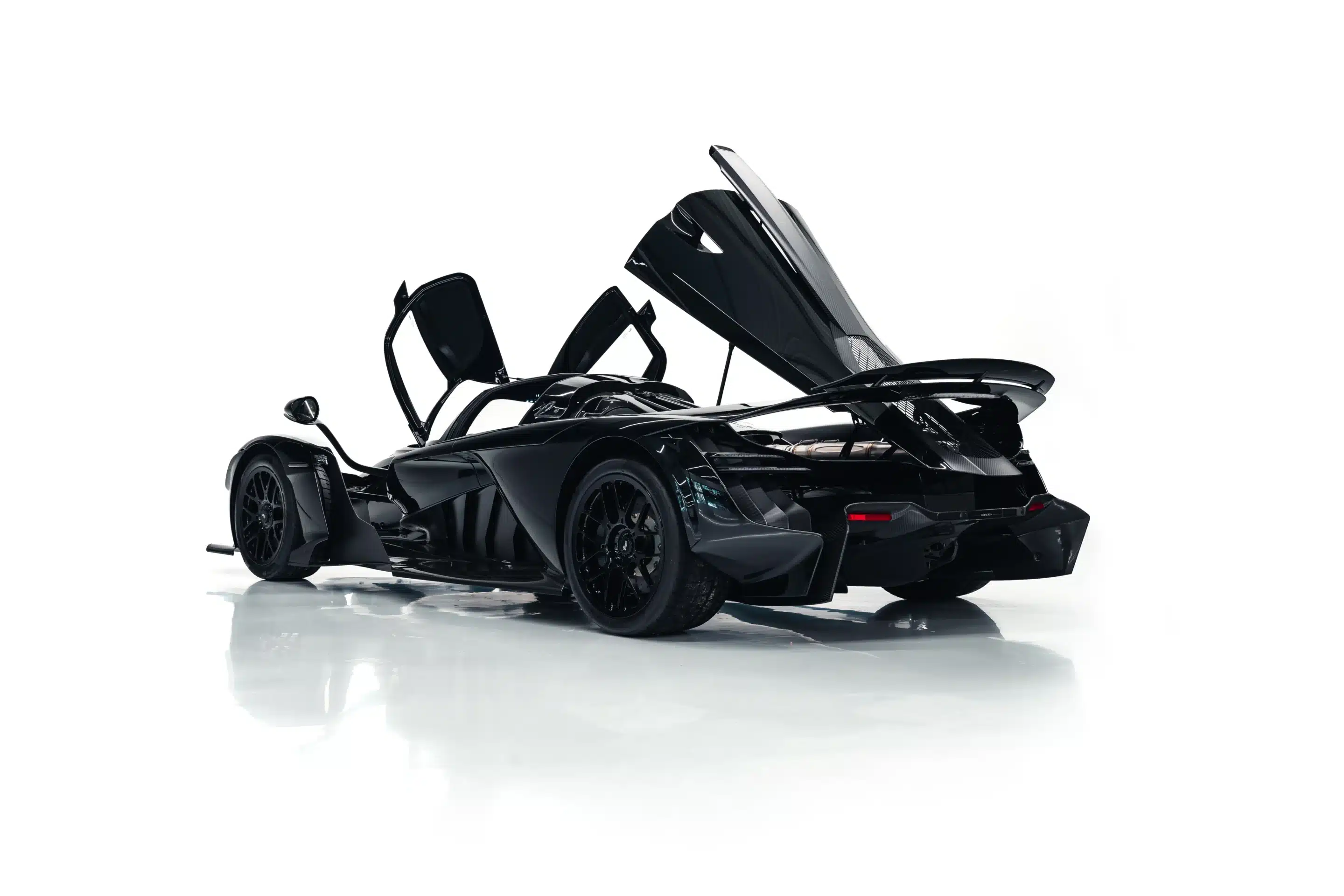
Praga told supercarblondie.com the car’s engine was pretty much the same as the one that powered the prototype, but they did rework and improve things like the transmission and the aero.
By the way, Praga said the company’s chief metal worker is a hardcore motorcyclist, hence why some of the design cues are a bit of a nod to that particular world.
How many will be built?
The Praga Bohema will be limited in terms of production, but there’s no hard cap.
The plan was to originally build 89 units, but that changed, and for a very good reason.
“We want to make sure we give each car the time and attention it needs,” Harrison said.
In other words, they’d rather make sure each car is built well, rather than accelerating production just to add numbers.
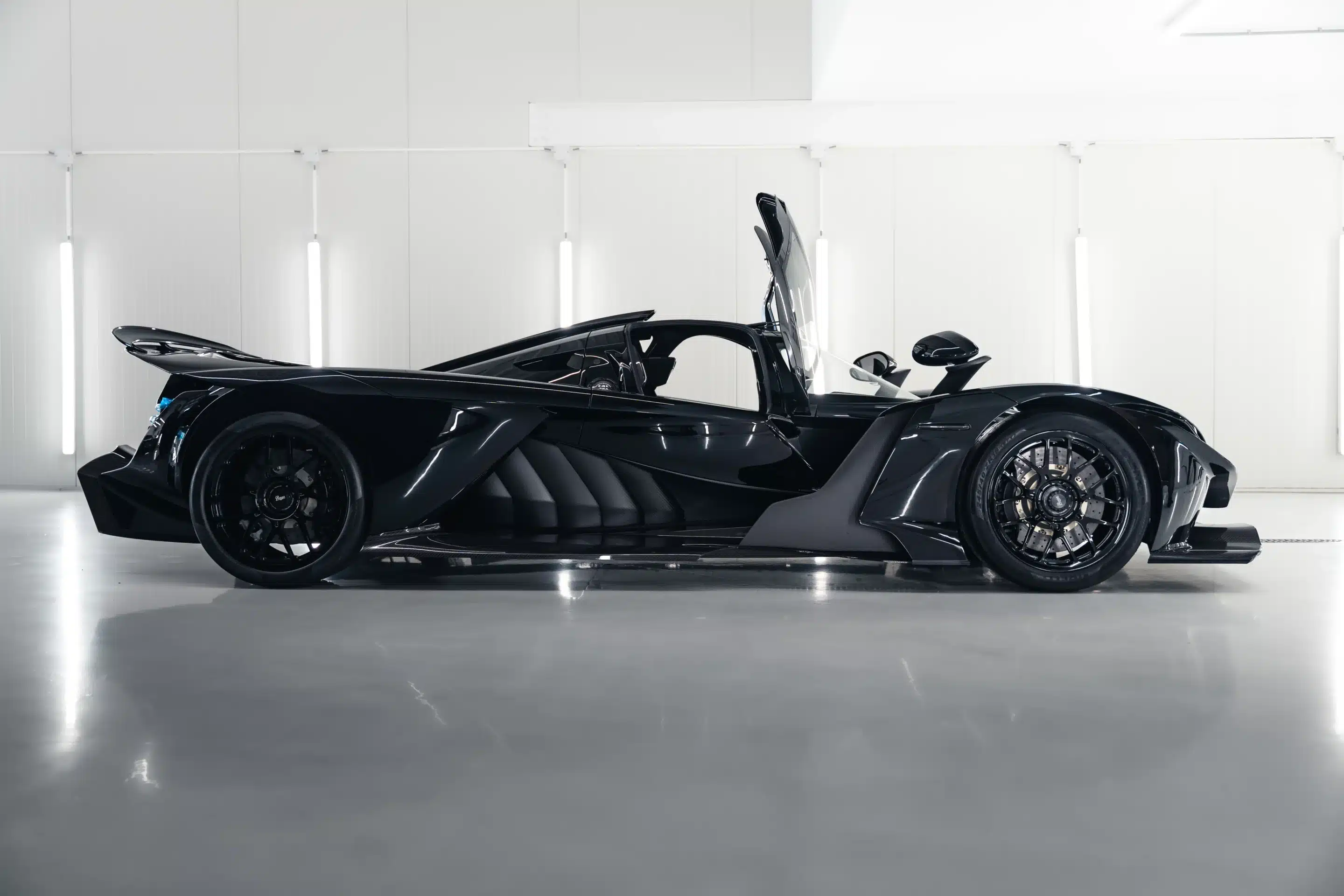
In any case, the idea is to produce fewer than 20 cars per year over the next four years.
The second customer car, ideally, will be delivered at some point in the spring of 2025.
Alessandro is an automotive journalist with 10 years of experience covering supercars, automotive history, emerging vehicle technology, and luxury transportation. He wrote the first article published on SupercarBlondie.com when the website launched in 2022 and has since built a reputation for insightful reporting across the automotive and transportation industries. His expertise is grounded in hands-on experience. Alessandro has driven every Tesla model ever produced, from the original Roadster to the Cybertruck, and regularly covers the latest developments in electric vehicles and automotive innovation. His passion for transportation extends beyond cars, he has even flown a Boeing 787 Dreamliner simulator in Addis Ababa, Ethiopia. His reporting spans everything from classic American muscle cars and rare automotive discoveries to luxury yachts, private aircraft, high-end watches, and cutting-edge vehicle technology. Known for his deep knowledge of automotive history and ability to uncover the stories behind iconic vehicles, Alessandro brings readers a blend of historical context, technical expertise, and first-hand experience.