This is what $50K vs $500K vs $5M gets you in an airplane and why the middle one has a surprising safety feature
Published on Nov 07, 2026 at 9:05 AM (UTC-5)
by Alessandro Renesis
Last updated on Nov 07, 2026 at 9:05 AM (UTC-5)
Edited by
Mason Jones
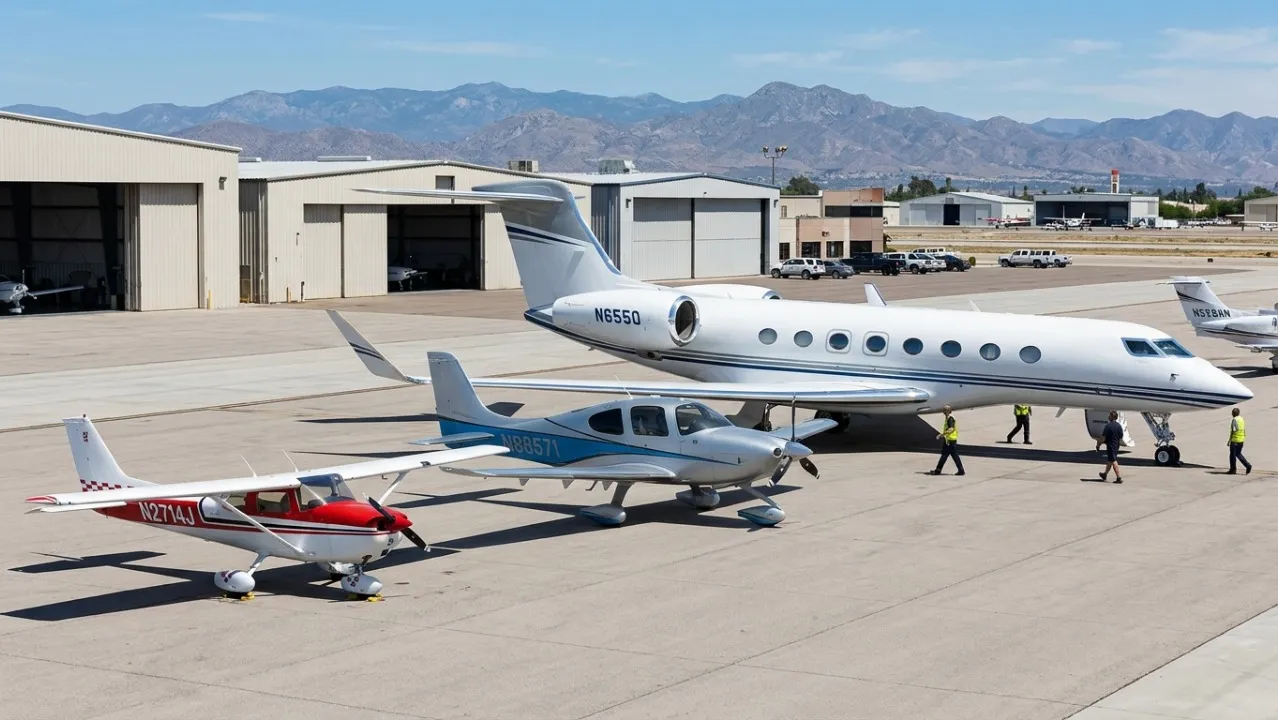

When people think of a private airplane, they think Cristiano Ronaldo-style Gulfstream or Lear jets.
But the truth is, there’s a lot more to choose from.
The budget is never what you’d call ‘low’, but there are cost-effective options.
And, interestingly, there’s a specific safety feature that even large private jets don’t have.
Why $50,000 is ‘all’ you need for a private airplane
In theory, you could buy a private aircraft for a lot less than that, but $50,000 is a realistic budget for a simple, regional aircraft.
It’s also a simple and cost-effective way to get into the air for people who simply want to do this for fun.
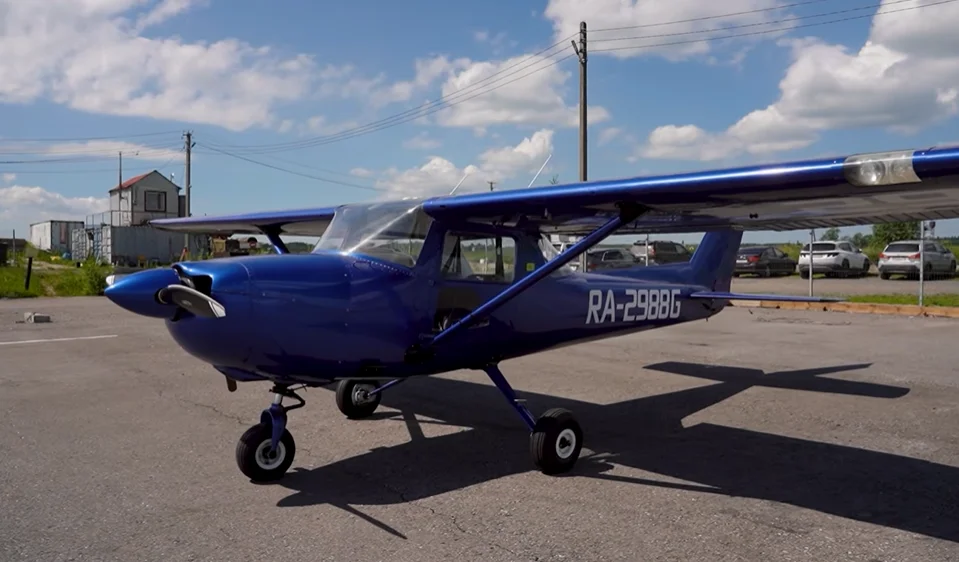
We’re talking about a Cessna 150 or a Piper Cherokee and, with these planes, the main trade-off is the lack of cabin pressurization.
With exceptions, these aircraft don’t have that, which means you won’t be flying very fast or very far.
But the upside is that maintenance costs go down dramatically.
These jets don’t require a lot of fuel, and they don’t require a lot of space.
Finding a hangar where you can park it won’t be too difficult, or too expensive.
For a small aircraft like a Cessna 150, the average monthly cost to rent a hangar typically ranges from $50 to $400, though this figure can vary significantly based on location and other factors.
It’s not cheap, but it’s manageable on a salary without necessarily having to be a millionaire or a billionaire.
The middle ground comes with an extra safety feature
With a six-figure budget, you shift from a hobby to actual transportation with a mid-size private airplane or a smaller plane but with better features.
Not as fancy as massive private jets, but certainly a lot more advanced than small regional aircraft.
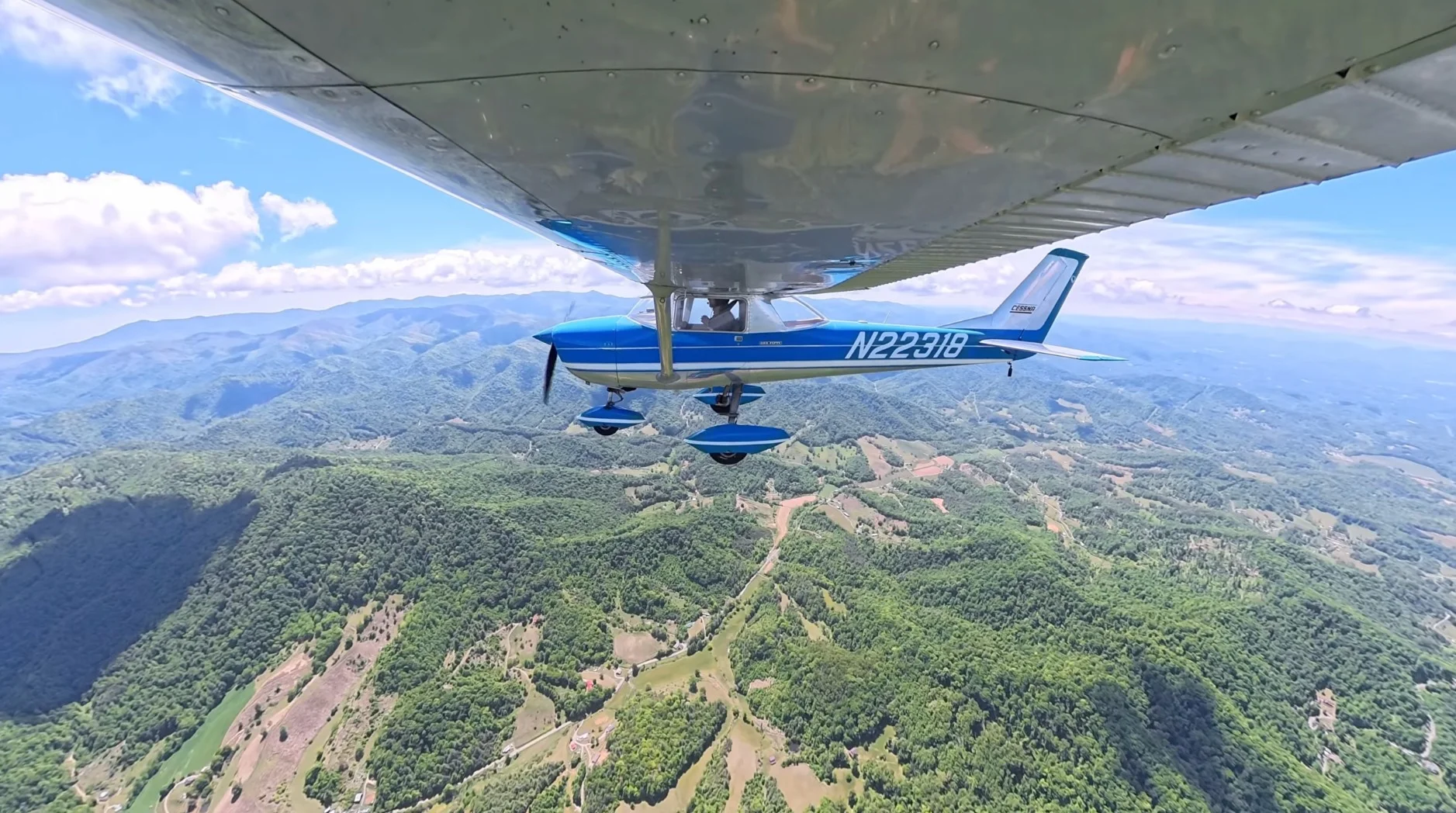
Airplanes like the Cirrus SR22 feature modern avionics, increased range and performance, which means you can use them to go – say – from Las Vegas to Los Angeles.
Or New York to Philadelphia.
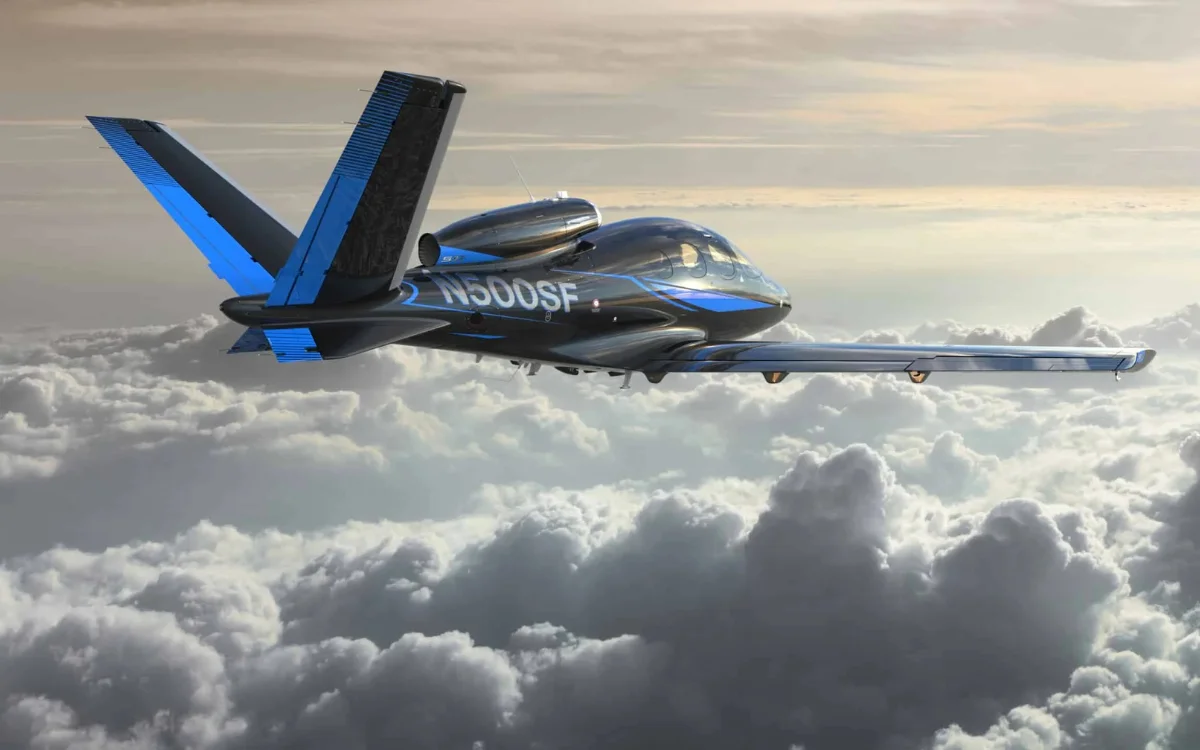
Interestingly, some of these jets – like the Cirrus we mentioned earlier – come with an airframe parachute system that can lower the entire plane safely to the ground.
This is a unique safety net not found on most jets.
This is what you can get with a ‘Cristiano Ronaldo’ budget
The third tier is the Cristiano Ronaldo-level tier.
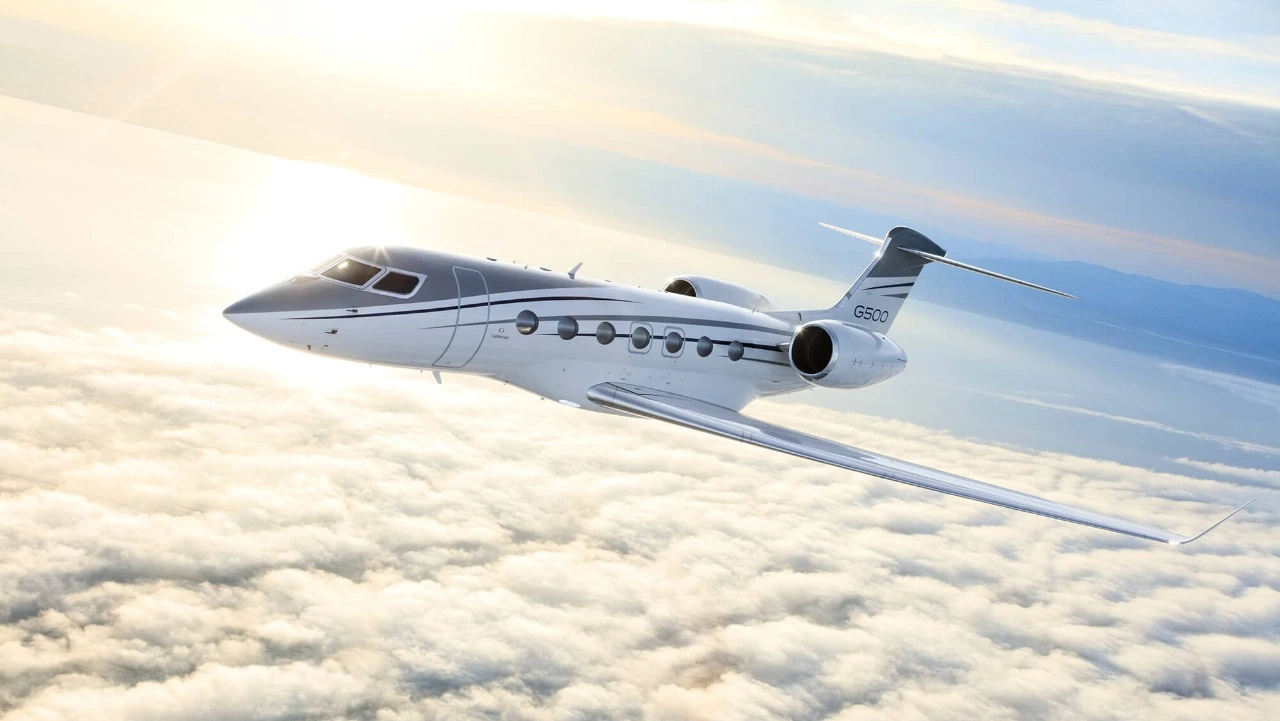
We’re talking about long-haul private jets with pressurized cabins, private lavatories, comfortable beds, sofas, and enough range to travel across continents or, in some cases, across oceans.
These jets, interestingly, don’t rely on the aforementioned parachutes because they rely on technical redundancies – multiple engines, backup systems, and so on.
But this is the big league.
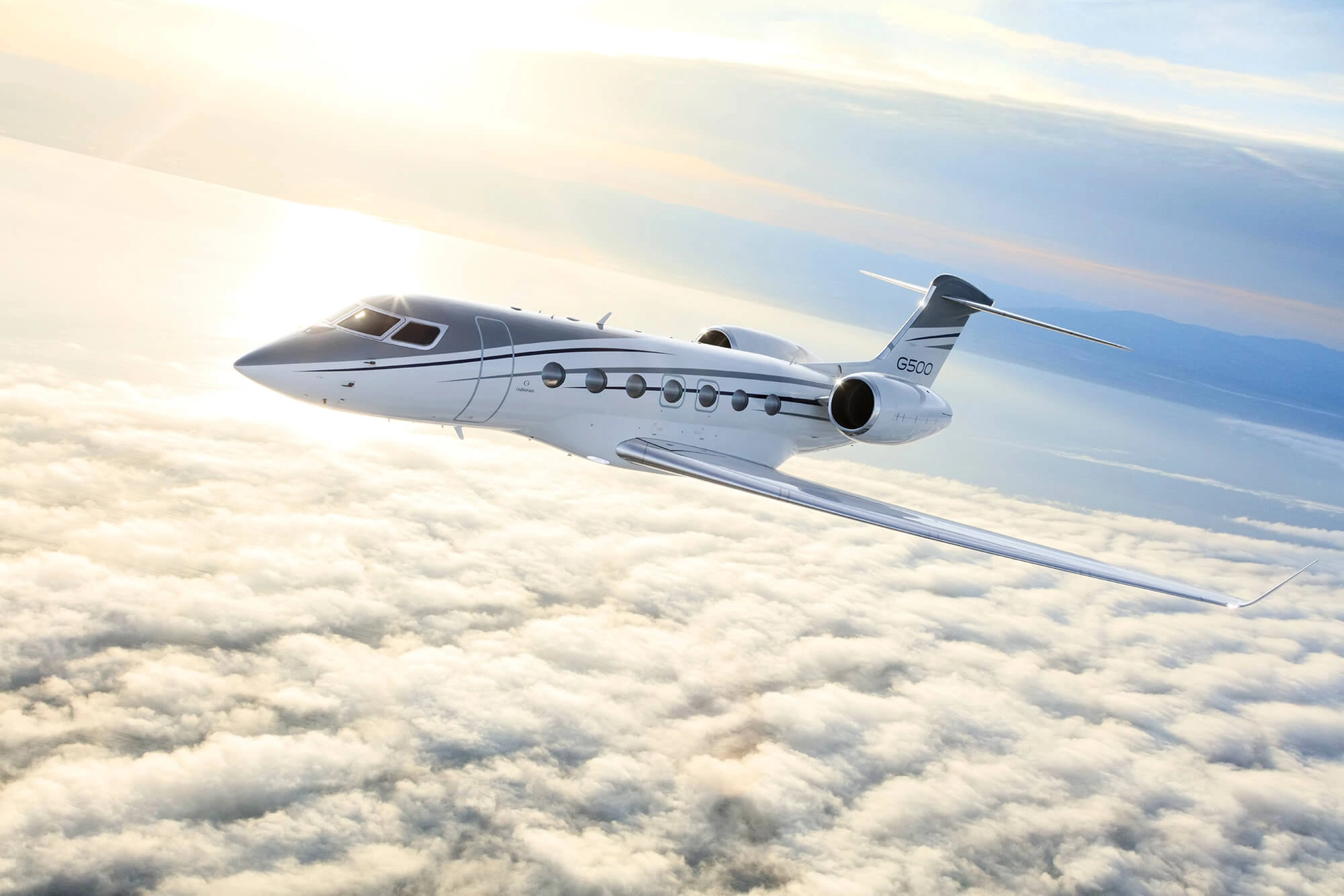
These jets cost millions when they’re ‘less expensive’, or tens of millions when they’re not.
In some cases, with private airliners like the ones you can buy with the Boeing Business Jet (BBJ) program, you’re looking at nine figures.
More importantly, they cost a fortune to run.
Millions and millions of dollars every year, and that’s just to keep the jet running and airworthy.
Once you factor in variable costs – fuel, catering, landing fees, etc – that number is even higher.
The hidden ‘bonus’ in the future
It’s kind of too early to talk about that now but, in the near future, there’s an extra bonus that both regional aircraft and mid-range private jets can count on.
These are in fact the most likely aircraft to receive electric upgrades at some point.
When we talked to Robert Cullemore, an independent aviation consultant with two decades of experience, he told us that these categories will ‘go’ electric first.

“We may have niche all-electric airline operations, but mainly on very small aircraft and flying on relatively short routes over land, not water,” he told Supercar Blondie.
He explained that the main point is you need to make sure the aircraft can safely land in case something goes wrong, which obviously can’t happen on water.
And because batteries are so heavy, short- or mid-range aircraft are the best candidates for this type of technology.
The best of Supercar Blondie, every Sunday
The week's best car stories, straight to your inbox. Free.
Alessandro is an automotive journalist with 10 years of experience covering supercars, automotive history, emerging vehicle technology, and luxury transportation. He wrote the first article published on SupercarBlondie.com when the website launched in 2022 and has since built a reputation for insightful reporting across the automotive and transportation industries. His expertise is grounded in hands-on experience. Alessandro has driven every Tesla model ever produced, from the original Roadster to the Cybertruck, and regularly covers the latest developments in electric vehicles and automotive innovation. His passion for transportation extends beyond cars, he has even flown a Boeing 787 Dreamliner simulator in Addis Ababa, Ethiopia. His reporting spans everything from classic American muscle cars and rare automotive discoveries to luxury yachts, private aircraft, high-end watches, and cutting-edge vehicle technology. Known for his deep knowledge of automotive history and ability to uncover the stories behind iconic vehicles, Alessandro brings readers a blend of historical context, technical expertise, and first-hand experience.