This is why rival carmakers are still chasing Toyota in pursuit of making the perfect hybrid car
Published on Mar 21, 2026 at 6:42 PM (UTC+4)
by Molly Davidson
Last updated on Mar 20, 2026 at 6:56 PM (UTC+4)
Edited by
Mason Jones

Toyota has been building hybrid cars since before most brands even thought about them.
It started with the Prius, and from there it just seemed to snowball.
Decades later, it’s still out in front.
And the gap hasn’t closed the way many expected.
Click the star icon next to supercarblondie.com in Google Search to stay ahead of the curve on the latest and greatest supercars, hypercars, and ground-breaking technology
Toyota still leads the hybrid race while rivals are playing catch-up
When Toyota launched the Prius in 1997, it wasn’t reacting to a trend, it was betting on one.
Emissions rules were tightening in Japan and California, and while most carmakers hesitated, it committed early and built around that decision.
That commitment went far beyond just one car.
The manufacturer trained dealers, prepped mechanics, and locked in supply chains so hybrids could actually work at scale.
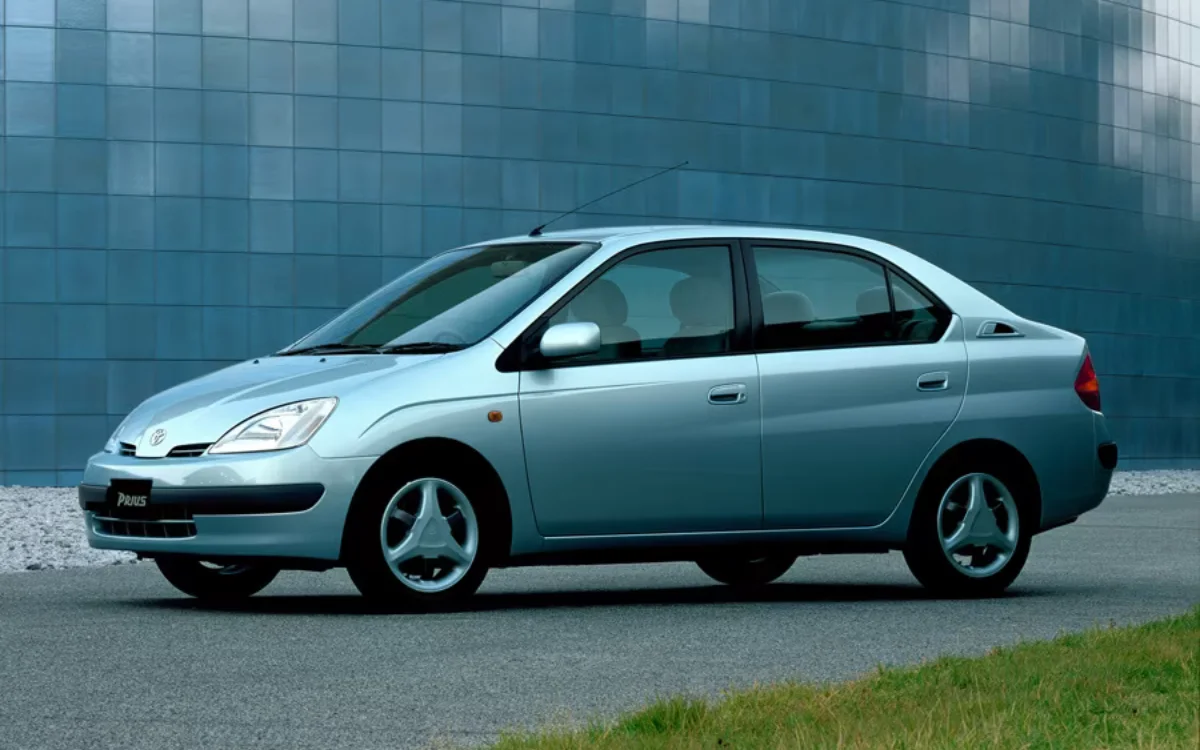
Meanwhile, rivals took a wait-and-see approach.
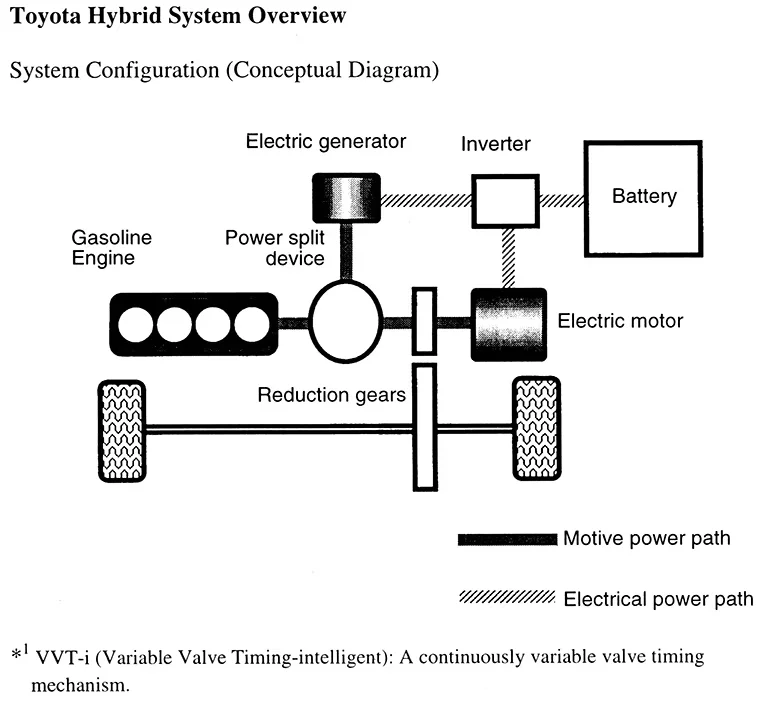
At the centre of it all is Toyota’s Hybrid Synergy Drive.
Instead of treating hybrid tech like an add-on, it built the whole system to work as one.
The engine and electric motor blend seamlessly, the planetary gearset replaces a traditional gearbox, and the smaller battery keeps things lighter and cheaper.
It sounds complicated, but on the road it just feels smooth and predictable.
More importantly, the manufacturer didn’t keep reinventing it.
The same core system has been refined again and again, improving efficiency, durability, and cost without throwing everything out each time.
That steady approach is what rivals never quite matched.
Others tried different routes.
GM’s Two-Mode system, for example, was clever but expensive and too complex to scale.
Many early hybrids from competitors felt like compromises, rather than something built from the ground up.
By the time hybrids proved themselves, Toyota already had years of real-world data and millions of cars on the road.
And the gap isn’t closing anytime soon
That early start turned into something bigger than just good engineering.
Toyota controls most of its hybrid components in-house, which means tighter quality, fewer supply issues, and better cost control.
Over time, that also allowed it to spread development costs across millions of cars, bringing prices down while keeping reliability high.
Rivals, on the other hand, are still juggling priorities.
Hybrid systems are improving, but they’re often developed alongside massive EV investments, which splits focus and resources.
And that’s really the difference.
You can copy the idea of a hybrid system, but you can’t fast-track decades of refinement, production experience, and infrastructure.
Toyota didn’t just build a hybrid car.
It built the entire playbook, and everyone else is still trying to catch up.
DISCOVER SBX CARS: The global premium car auction platform powered by Supercar Blondie
With roles at TEXT Journal, Bowen Street Press, Onya Magazine, and Swine Magazine on her CV, Molly joined Supercar Blondie in June 2025 as a Junior Content Writer. Having experience across copyediting, proofreading, reference checking, and production, she brings accuracy, clarity, and audience focus to her stories spanning automotive, tech, and lifestyle news.