Rivian CEO admits company tore apart a very popular Chinese EV and shares what they learnt from looking inside
Published on Aug 22, 2026 at 6:07 PM (UTC-4)
by Henry Kelsall
Last updated on Aug 22, 2026 at 6:07 PM (UTC-4)
Edited by
Mason Jones


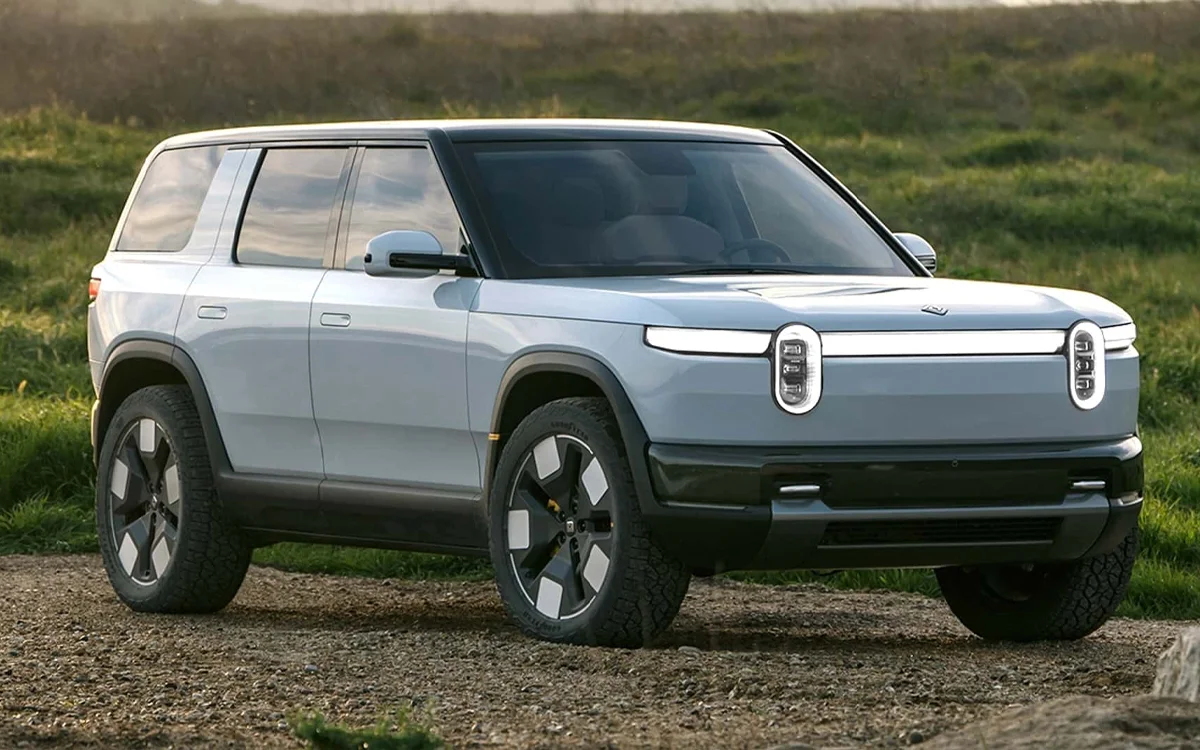
The Rivian CEO has admitted his company ripped apart a Chinese EV to see what they could learn from it.
The American EV manufacturer doesn’t have a presence in the Chinese market, but it still wanted to learn what it could from its cars.
Rivian CEO RJ Scaringe recently spoke to Business Insider about how it came to learn more about its rivals.
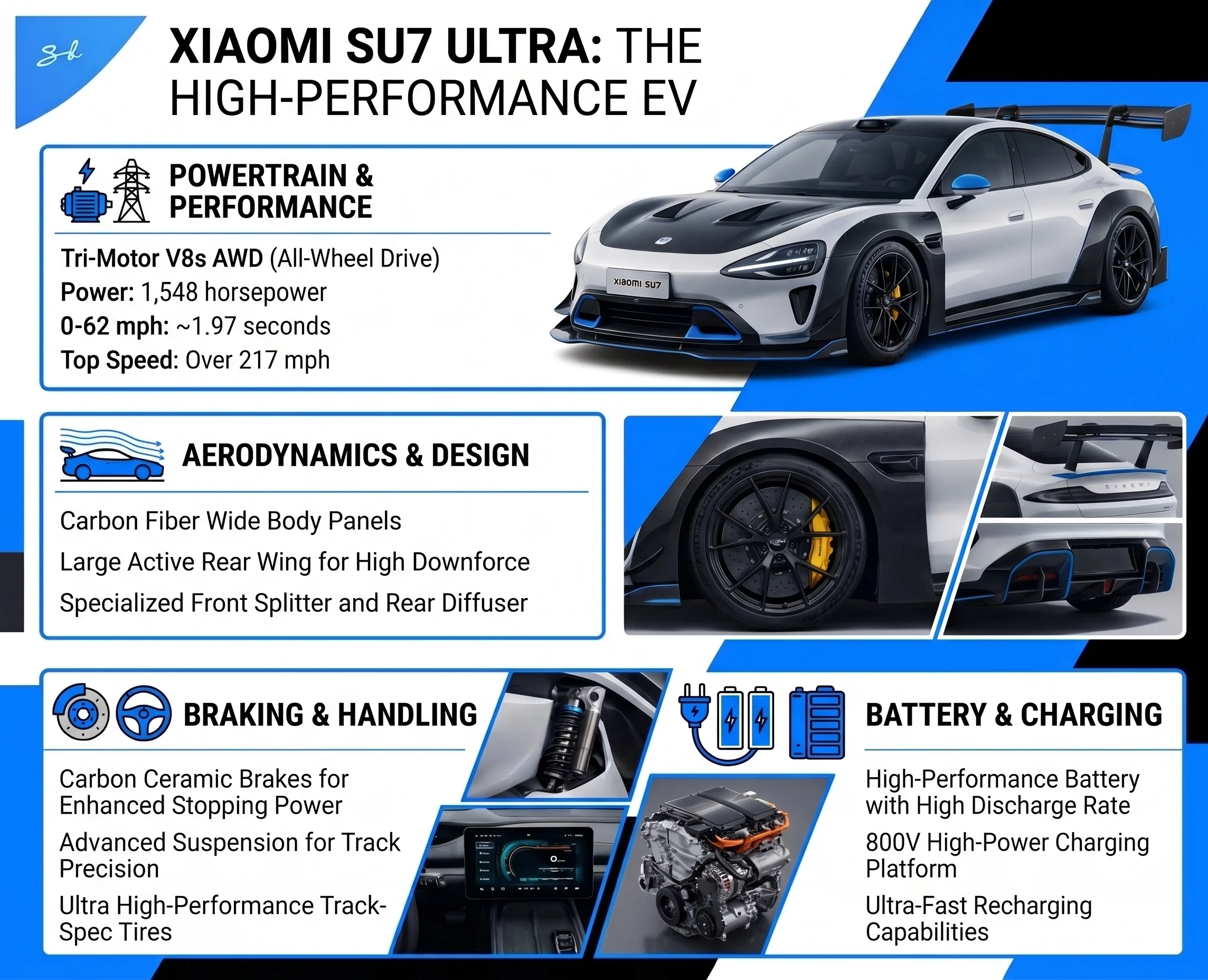
The boss of the California-based company revealed it had torn down a Xiaomi SU7 to see what secrets it was hiding.
Why did Rivian tear apart a Xiaomi SU7?
The interview revealed what exactly the American company thought about the Chinese EV.
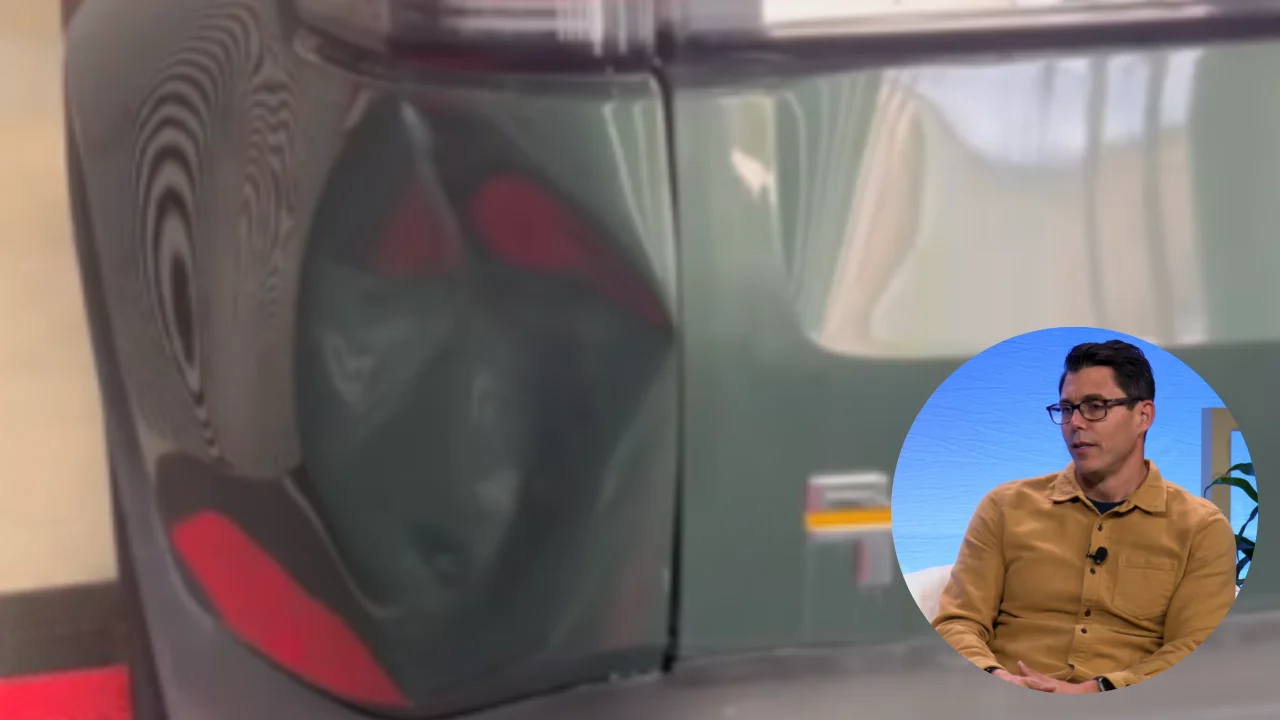
This is a car that was also praised by Ford CEO Jim Farley.
Farley is a man who has taken a keen interest in Chinese cars.
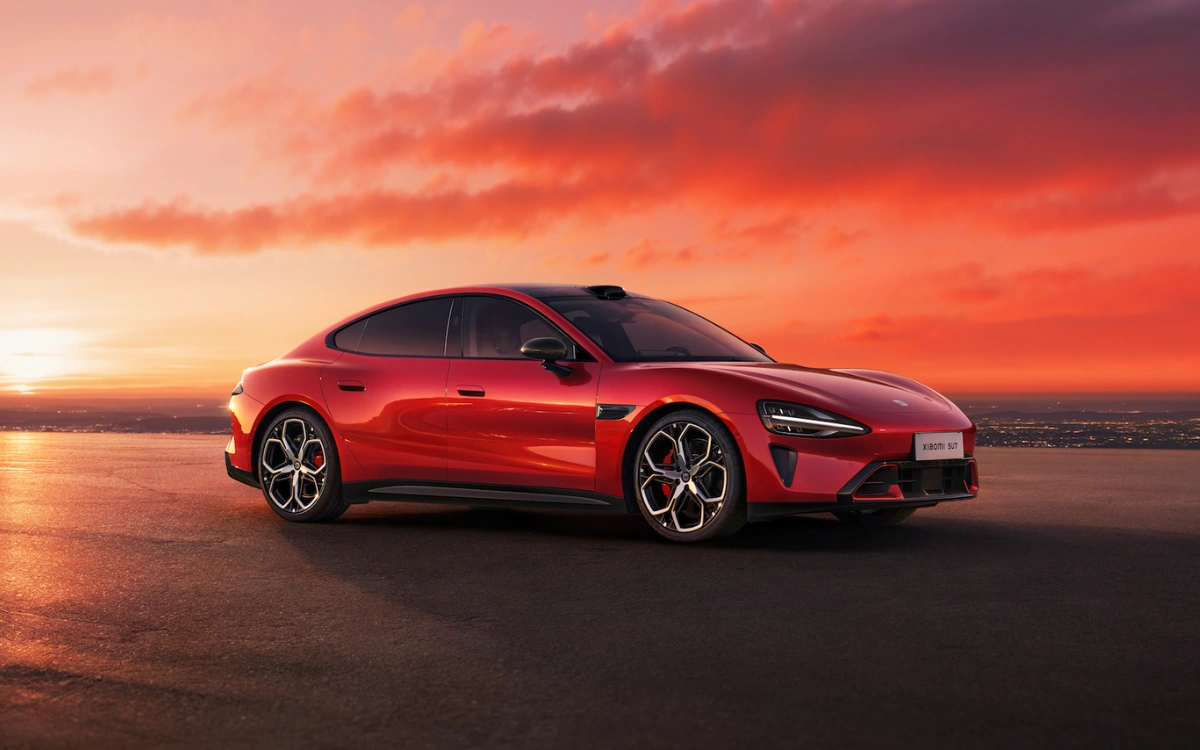
“I’d say it’s a really well-executed, heavily vertically integrated technology platform,” Scaringe said to Buisness Insider.
“Nicely done,” he added, referring to the car’s in-house tech and the platform that Xiaomi uses.
Many have wondered why the Chinese cars have become such a success, both in China and in some parts of Europe.
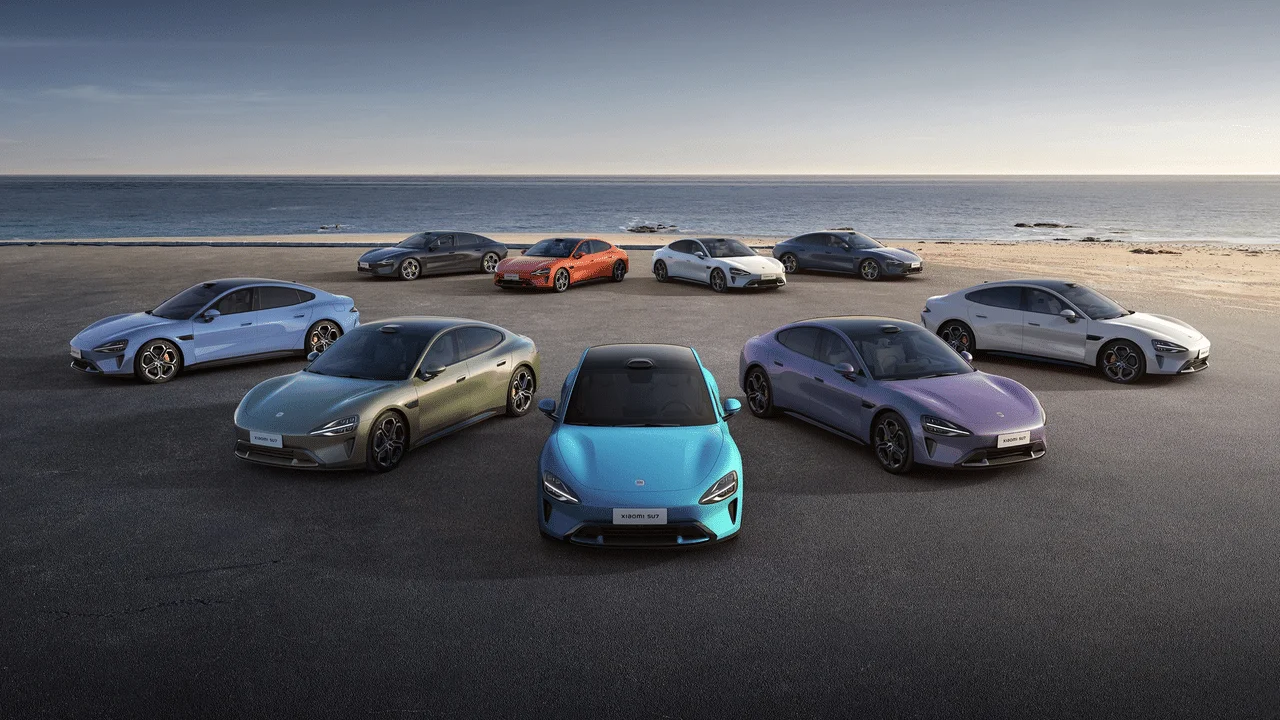
But Scaringe said there is nothing groundbreaking under the skin that has led to this.
“Cost — we understood how they’ve arrived there,” he said.
“There’s nothing we learned from the teardown,” added the Rivian CEO.
Why have Chinese EVs been so popular?
So if it isn’t the technology inside them that has proved groundbreaking, then why are the cars so popular?
Scaringe said it is down to things like the low cost of labor and the huge support for EVs from the Chinese government.
“The cost of capital is zero or negative, meaning they get paid to put up plants,” Scaringe said.
In other words, the government is paying companies to construct plants and to build EVs.
The U.S. has provided some loans.
But it has not gone to the length of supporting a factory build via a huge grant.

“This is just not something that exists in the US,” said Scaringe.
In short, it is basically a mix of fewer regulatory hurdles, lower labor costs, and more government support that has helped Chinese EVs.
The Xiaomi SU7 is just one example where this has really paid off.
Henry joined the Supercar Blondie team in February 2025, and since then has covered a wide array of topics ranging from EVs, American barn finds, and the odd Cold War jet. He’s combined his passion for cars with his keen interest in motorsport and his side hustle as a volunteer steam locomotive fireman at a heritage steam railway.