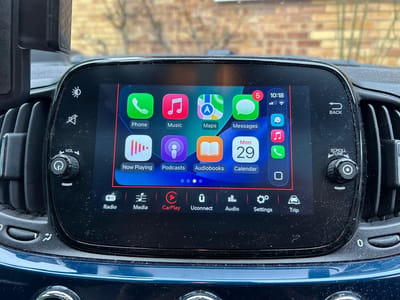
California man tests Mercedes' answer to Tesla’s Full Self-Driving and finds out something he didn't expect
Published on Nov 22, 2026 at 3:01 AM (UTC-5)
by Alessandro Renesis
Last updated on Nov 22, 2026 at 3:01 AM (UTC-5)
Edited by
Mason Jones
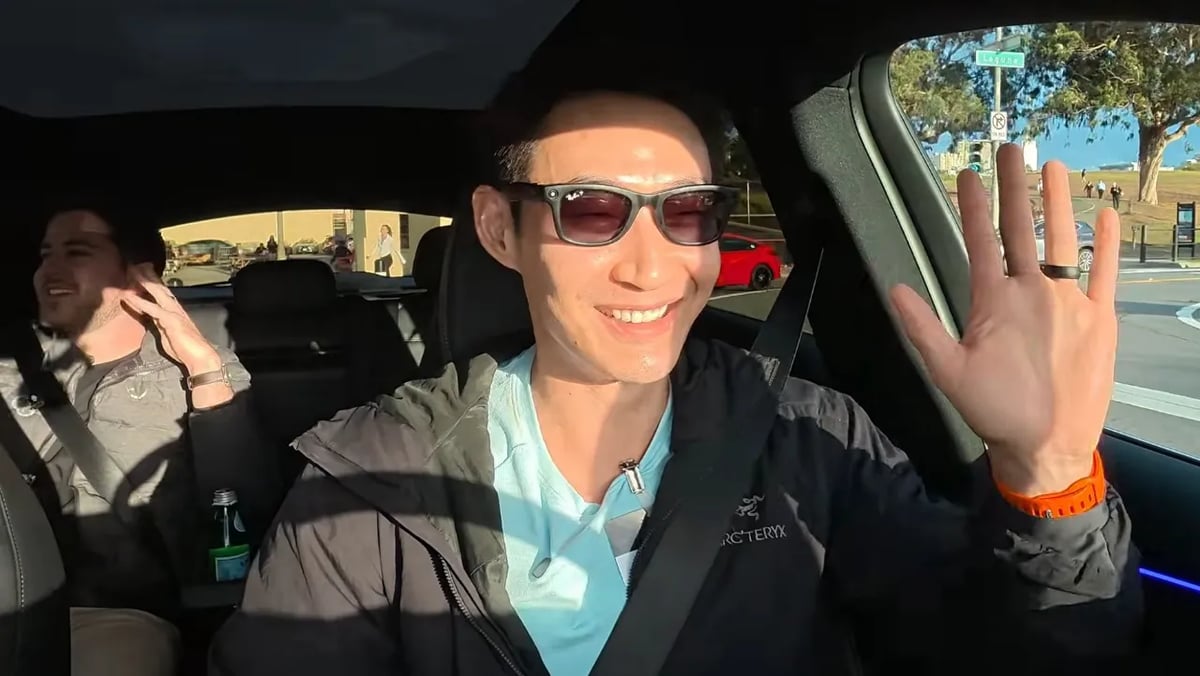

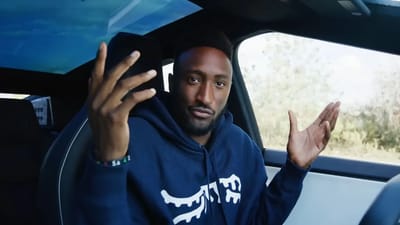
This YouTuber was given the opportunity to test Mercedes‘ new autonomous system – basically the equivalent of Tesla’s Full Self-Driving – in San Francisco, California.
Mercedes’ system is a little different, but obviously it does exactly the same thing.
The whole point, after all, is autonomy.
But there’s one thing in particular that stood out to him.
The main difference between Mercedes’ system and FSD
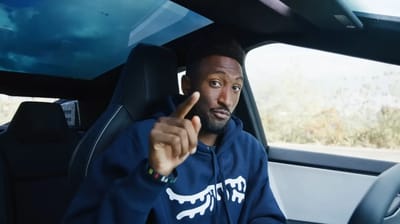
YouTuber Everyday Chris decided to test Mercedes’ new autonomous driving technology in the tech capital of the world, San Francisco, California.
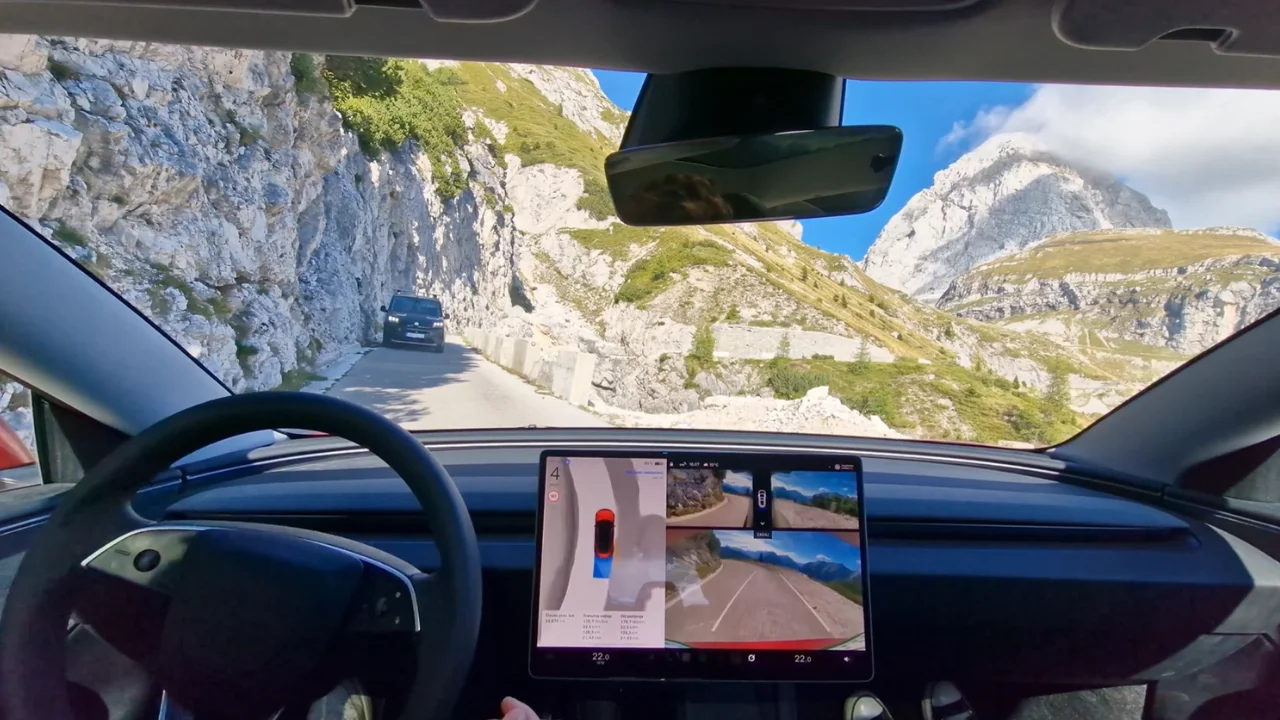
The first thing worth noting is that there’s a difference between the system that Mercedes uses and the one employed by Tesla is technical.
FSD, unlike most equivalent systems, is entirely camera-based.
Tesla’s Full Self-Driving – both on Robotaxi/Cybercab and other production vehicles – uses nothing but cameras.
The idea is that people have always relied on cameras – i.e., our two eyes – and the ‘system’ has worked reliably for centuries.
Obviously, Full Self-Driving uses more than two cameras, and if you ‘supercharge’ cameras with AI, you get a system that’s exponentially better without altering the main principle.
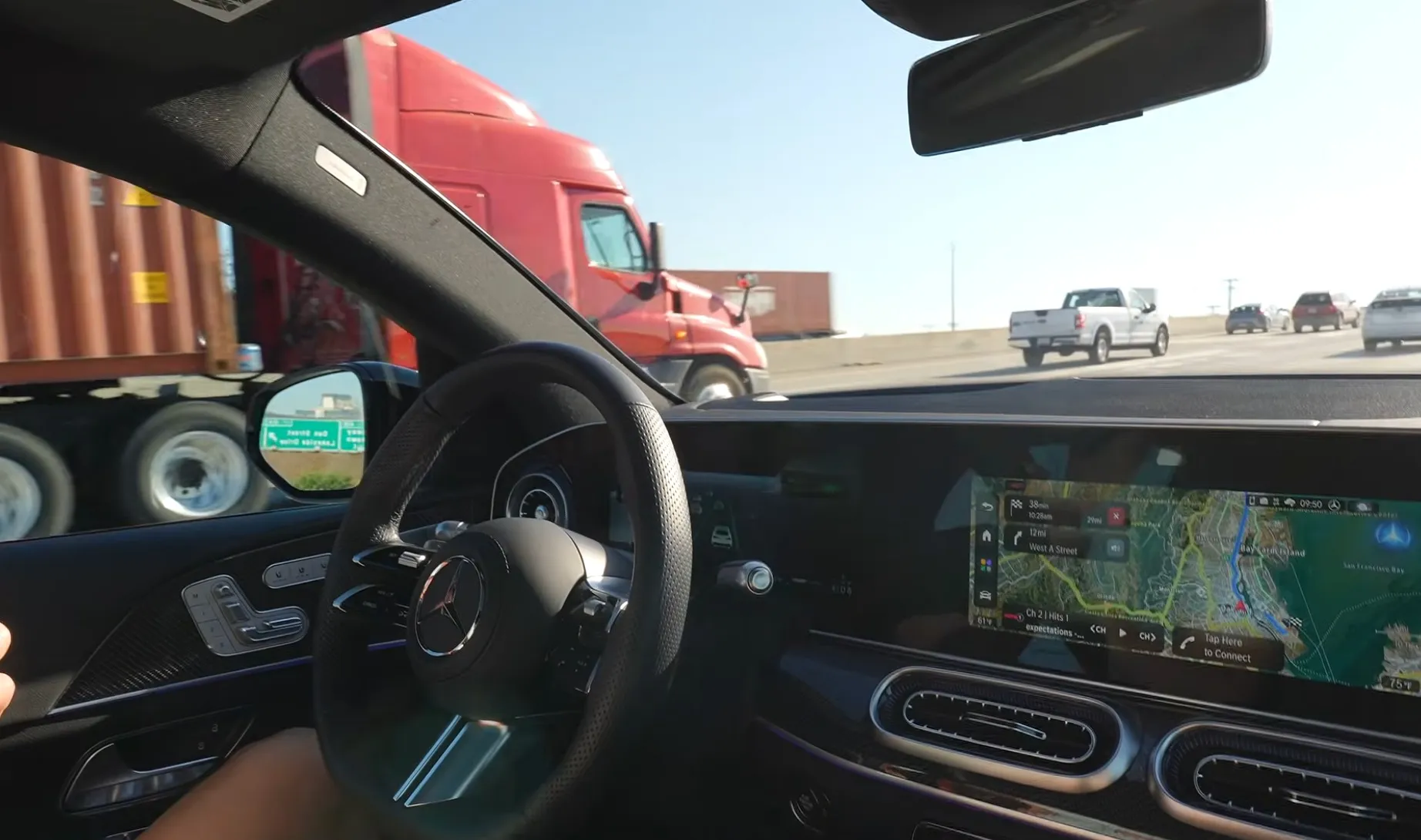
By contrast, Mercedes (and most rivals, including Waymo) uses a combination of cameras and various sensors.
In his video, the YouTuber explained why Mercedes believes this approach is better.
“The camera can only see things that we also see. [But] the radar signals can also go underneath the other car reflected by the tarmac,” he said.
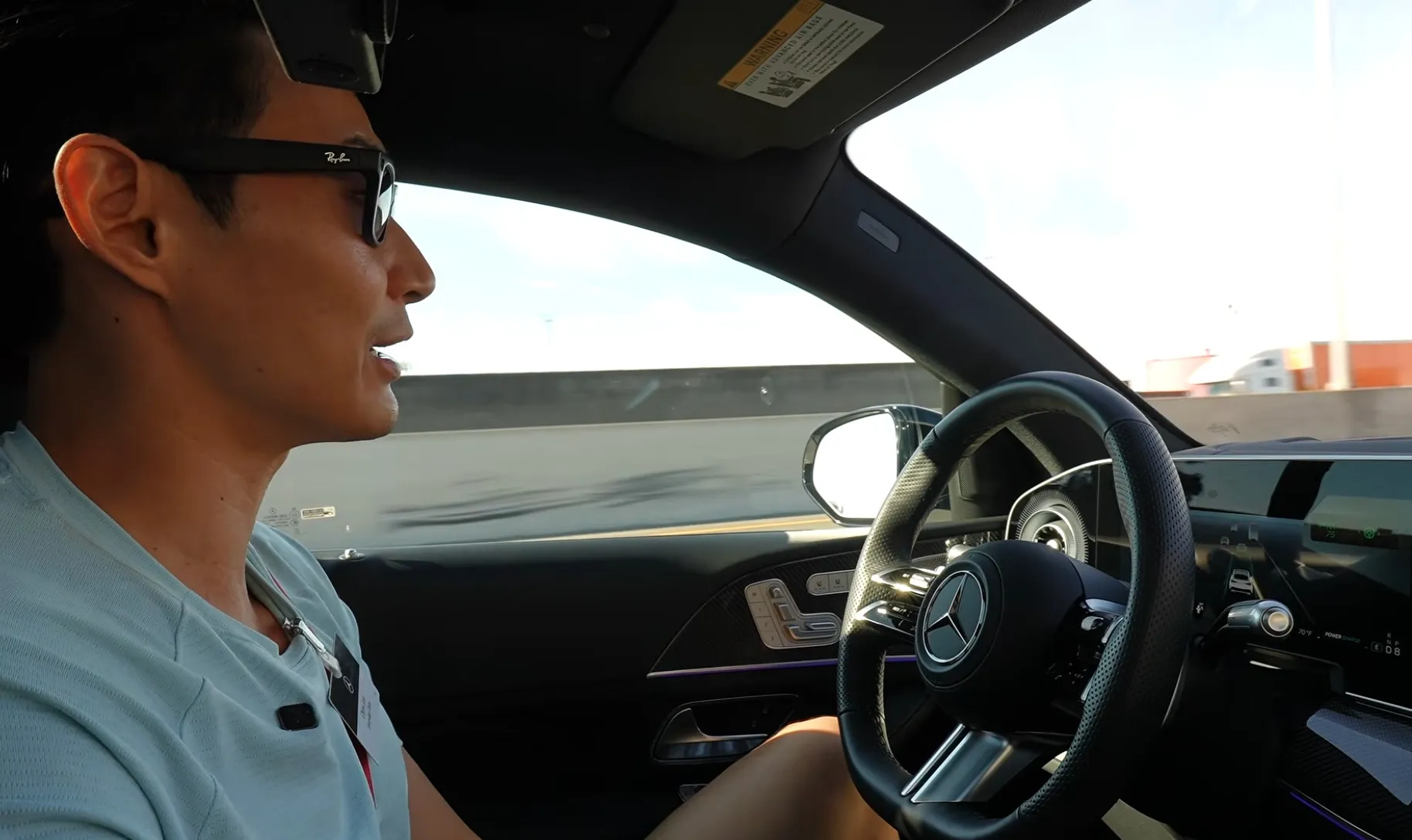
How Mercedes-Benz’s MB Drive Assist Pro actually works
Chris tested the system’s ability to handle complex urban environments, including navigating around pedestrians, cyclists, construction zones, and interacting with other autonomous vehicles.
The system – this is important to point out – is designed to be highly conservative and safety-focused.
“It’s not about having just point-to-point and being the number one self-driving system out there. It’s trying to be as safe as possible for the driver and for people around,” the YouTuber explained.
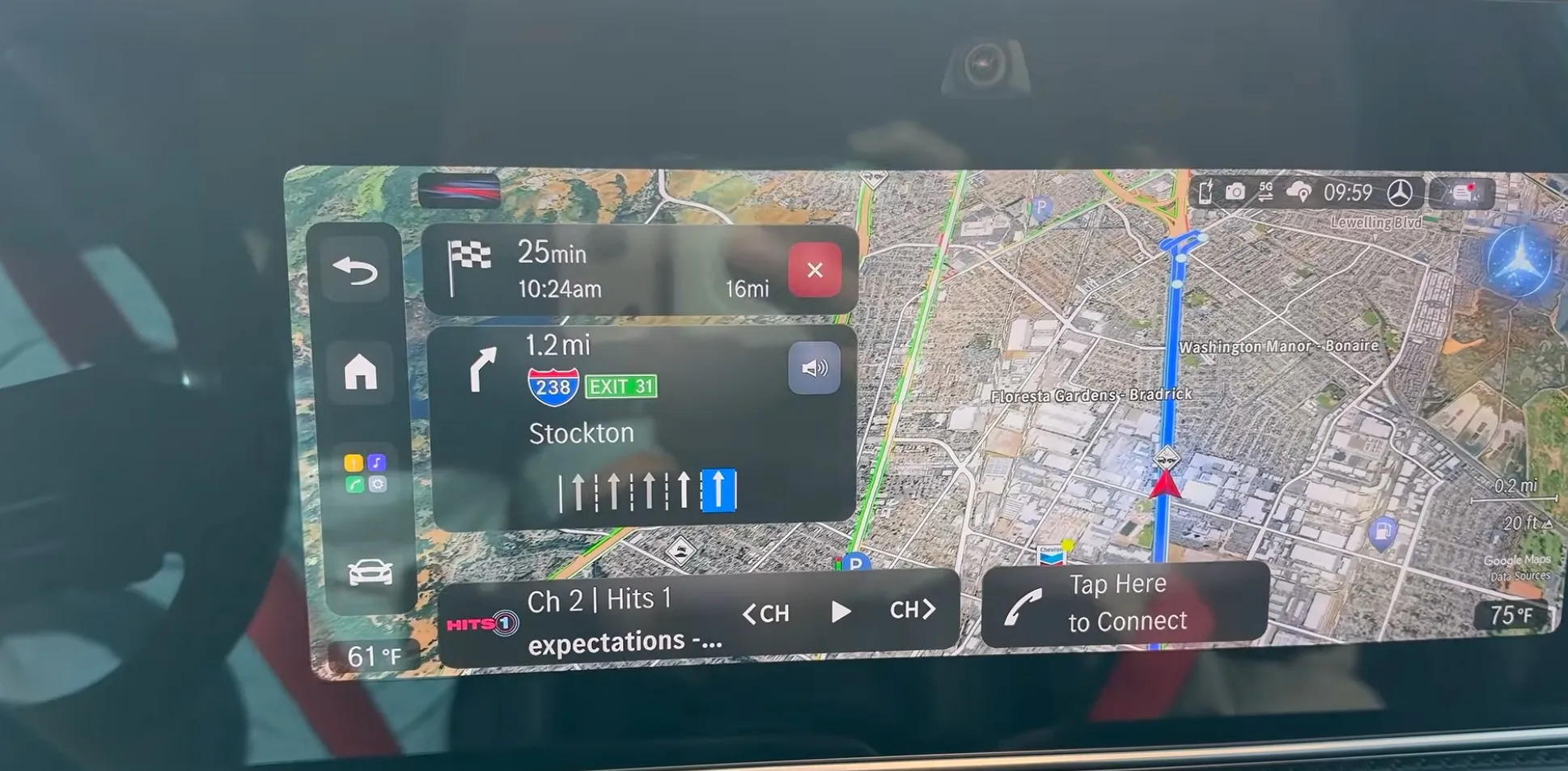
Mercedes’ MB Drive Assist Pro relies on a multi-sensor approach involving 10 cameras, five radar sensors, and 12 ultrasonic sensors, allowing the car to ‘see’ and react to obstacles that may be obstructed from the driver’s view.
It also features automatic, memory-based, and parallel parking, which comes in handy in San Francisco, or California in general.
This is what truly surprised the YouTuber
So far, there’s been a duopoly in the Western world when it comes to autonomy.
It was always either Waymo or Tesla.
While it is true that a long list of companies have given it go both as a direct alternative to Waymo (Zoox) or as an integrated feature for everyday cars (GM, Ford, Rivian), Waymo and Full Self-Driving are still the only two realistic alternatives when it comes to autonomy.
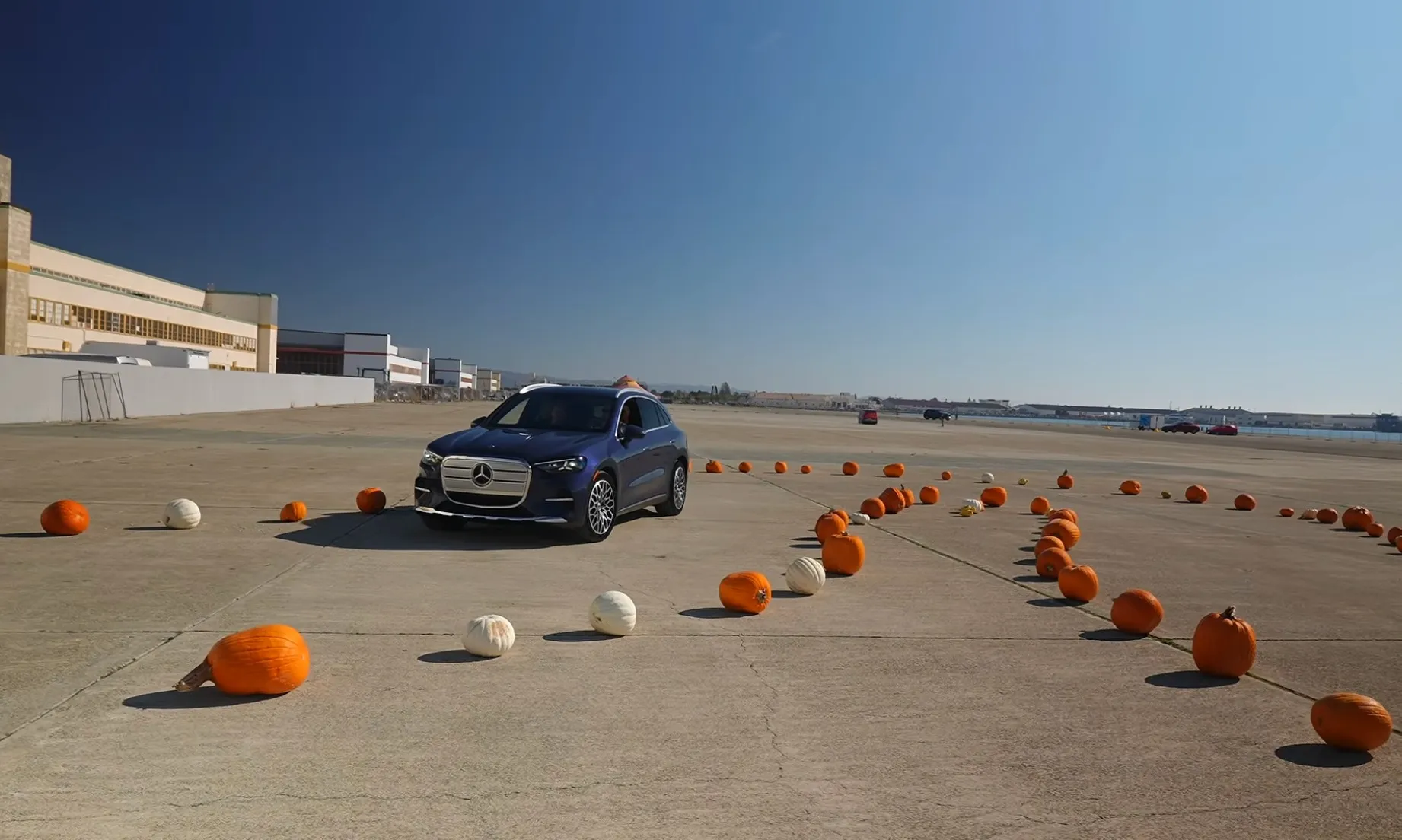
Mercedes was one of those company, and the thing that surprised the YouTuber was Mercedes’ progress.
The creator was not expecting Mercedes-Benz’s self-driving technology he tested last year to actually be ready for the public to use this time around.
When he first tried the system in San Francisco a year ago, there were so many issues, and he wasn’t even allowed to ‘drive’ it himself.
Clearly, Mercedes has made some serious progress.
There’s another interesting feature that Mercedes thought of
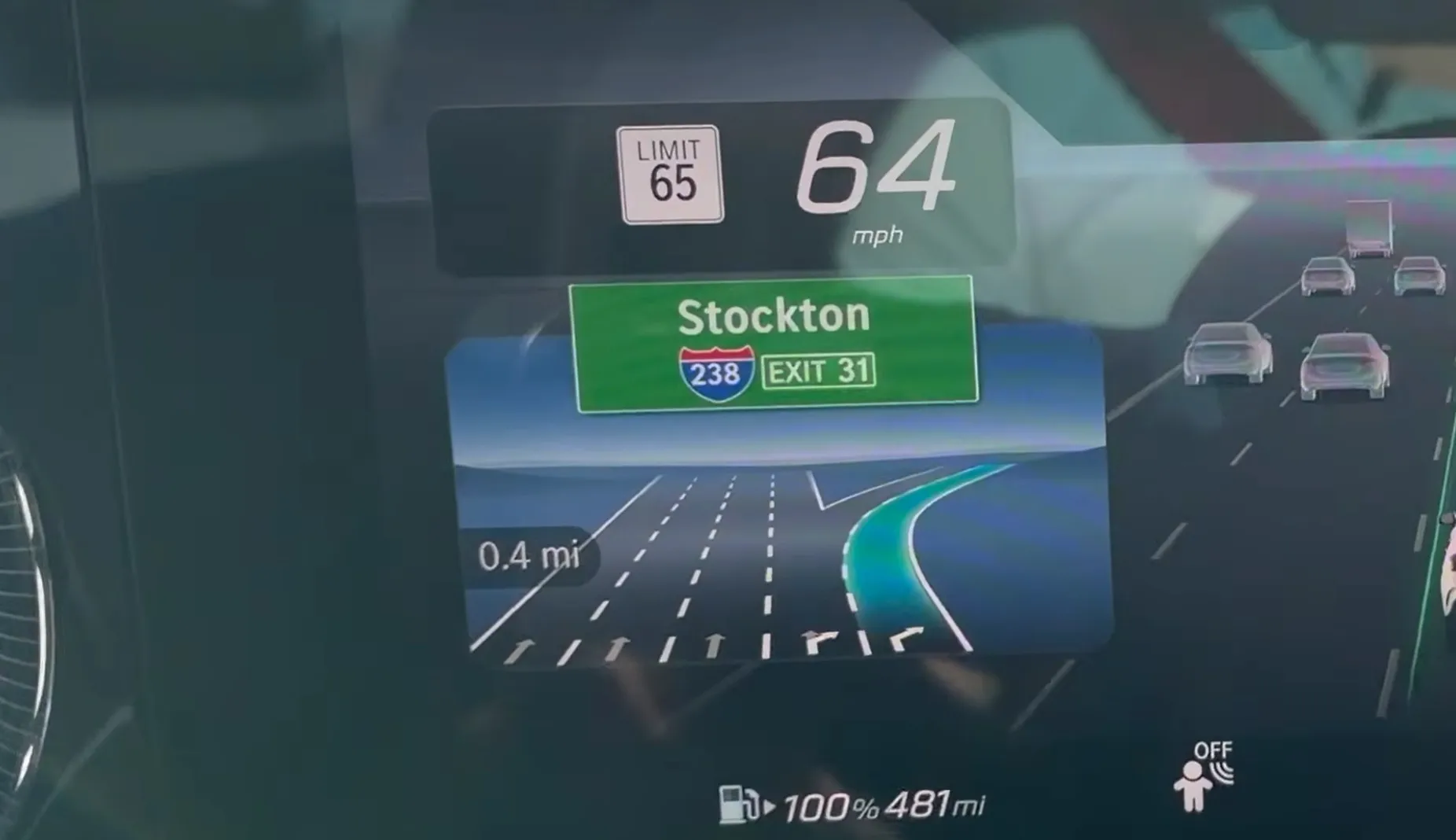
MB Drive Assist Pro can be used both on highways and in urban environments but, and this is interesting, it uses two different approaches and systems.
Specifically, the city system uses an end-to-end AI approach trained on real-world data, while highway driving currently relies on a rule-based system.
In other words, the car relies on a complex combination of pre-acquired data in the city, but relies mostly on what it ‘sees’ in terms of road signs and other vehicles on a highway.
It makes sense because highway driving is, at least in theory, more predictable.

On a city street, anything can happen – rogue pedestrians, unplanned or unmarked roadworks, cyclists riding in the wrong direction, and so on.
On a highway, one-off anomalies are still something to worry about, but they’re a lot less frequent.
The company aims to integrate these through future over-the-air software updates.
And speaking of the future, MB Drive Assist Pro for city driving is set to launch in California in December 2026, with a broader US rollout starting in 2027.
The best of Supercar Blondie, every Sunday
The week's best car stories, straight to your inbox. Free.
Alessandro is an automotive journalist with 10 years of experience covering supercars, automotive history, emerging vehicle technology, and luxury transportation. He wrote the first article published on SupercarBlondie.com when the website launched in 2022 and has since built a reputation for insightful reporting across the automotive and transportation industries. His expertise is grounded in hands-on experience. Alessandro has driven every Tesla model ever produced, from the original Roadster to the Cybertruck, and regularly covers the latest developments in electric vehicles and automotive innovation. His passion for transportation extends beyond cars, he has even flown a Boeing 787 Dreamliner simulator in Addis Ababa, Ethiopia. His reporting spans everything from classic American muscle cars and rare automotive discoveries to luxury yachts, private aircraft, high-end watches, and cutting-edge vehicle technology. Known for his deep knowledge of automotive history and ability to uncover the stories behind iconic vehicles, Alessandro brings readers a blend of historical context, technical expertise, and first-hand experience.