Scientists in Texas have discovered a solution to a decades-long problem with EV cars
- Scientists in Texas have come up with a solution to EV power issues
- They’ve been studying the degradation of LNO batteries
- Their solution could extend the battery life of EVs and other devices
Published on Mar 13, 2025 at 1:12 PM (UTC-4)
by Daisy Edwards
Last updated on Mar 14, 2025 at 4:47 AM (UTC-4)
Edited by
Emma Matthews
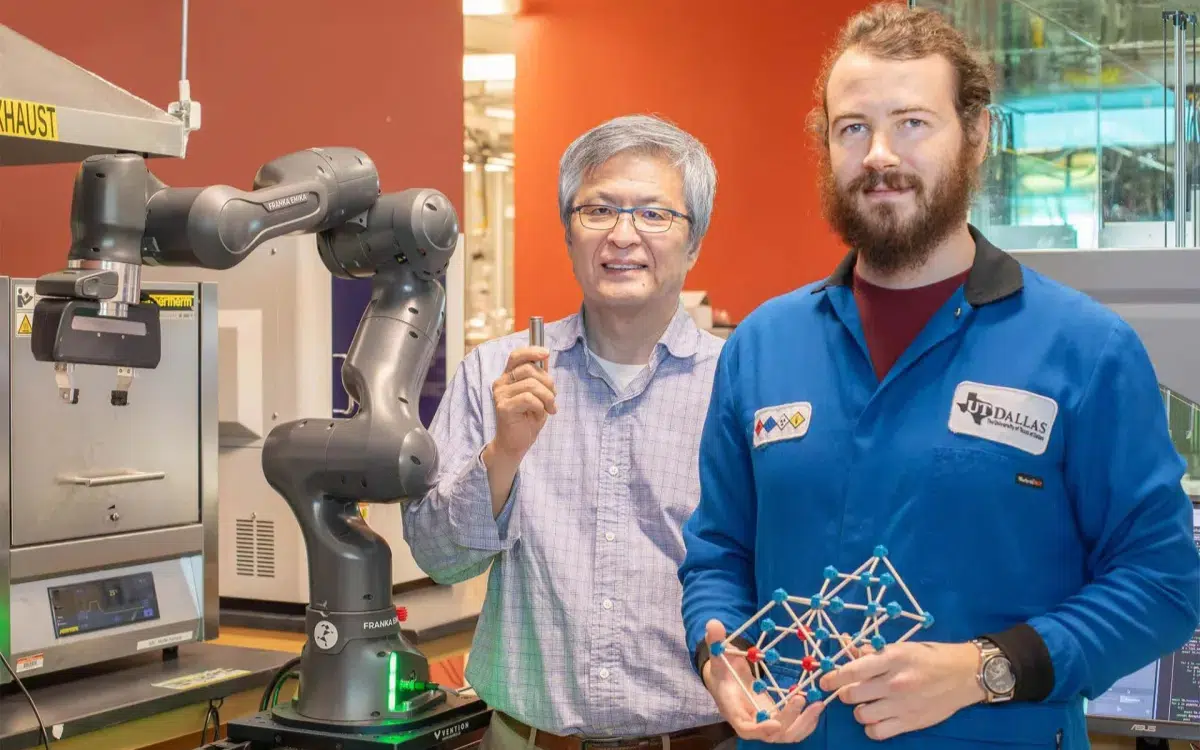

Scientists from the University of Texas have discovered an amazing solution to solve a decades-long problem with EV cars.
They’ve been studying something called Lithium Nickel Oxide, or LNO, which is used in batteries, but degrades quite quickly.
They’ve finally found a solution to stop the degradation and provide longer life for LNO batteries – which are usually used in EV cars.
This is a massive jump forward in EV battery production, but it also helps in devices like mobile phones and laptops, meaning that their batteries need to be replaced less often.
EXPLORE SBX CARS – Supercar auctions starting soon powered by Supercar Blondie
What’s the solution for the longevity of LNO batteries?
Scientists from the University of Texas have been studying LNO in batteries. They’re looking into the possibility of extending battery life and capacity for EV cars, mobile phones, and other devices.
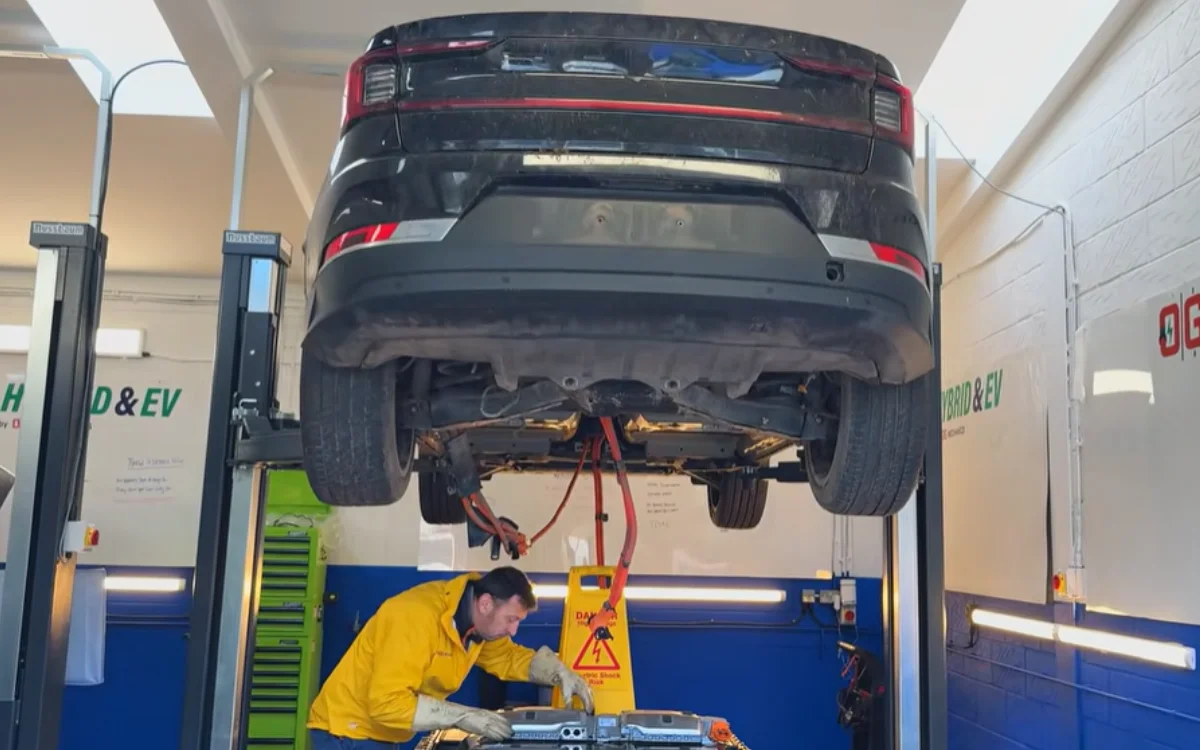
LNO battery degradation is frustrating, especially when people need to regularly replace their EV car batteries.
But to work out how to make LNO battery life longer, the researchers had to understand why batteries lose power over time. Using specialist software, they finally cracked it: oxygen atoms were the culprits.
Oxygen atoms chemically react with LNO and cause the cathode to crack and degrade.
Now they understand why batteries degrade, they can work on extending the battery life.
Owners of EV cars have the scientists to thank
The U of T’s solution to the cathode cracking issue is to create theoretical support ‘pillars’ by introducing a positively charged ion to bolster the LNO.
Hopefully, this will not only be a successful solution, it should also be a lower-cost one.
The researchers will work with a small amount at first and then refine the process, and, as they get more confident, they’ll scale up and manufacture far more batteries.
EV owners rejoice! All your car battery charging problems are about to be solved!
Daisy is a technology and automotive journalist covering artificial intelligence, consumer tech, Apple news, cryptocurrency, emerging technologies, and transportation innovation. Since joining the team in 2025, she has reported on everything from AI-powered startups and major iOS updates to viral car stories and the latest developments shaping transportation and the digital economy. Drawing on her background in automotive journalism and a degree in History and Journalism from Goldsmiths, University of London, Daisy specializes in breaking down complex topics into clear, engaging reporting for a global audience. Her work spans cutting-edge technology, innovative vehicles, and the people driving change across both industries. Daisy has gained first-hand access to some of the world's most talked-about technologies and innovators, including meeting Tesla's Optimus humanoid robot during its first European appearance in London. She has also discussed the future of space exploration with an astronaut, bringing unique insights and real-world perspectives to her coverage of emerging technology.