Seeing inside a plane engine shows one of the wildest feats of human ingenuity
Published on Feb 04, 2026 at 5:17 AM (UTC-5)
by Daisy Edwards
Last updated on Feb 04, 2026 at 12:17 PM (UTC-5)
Edited by
Emma Matthews
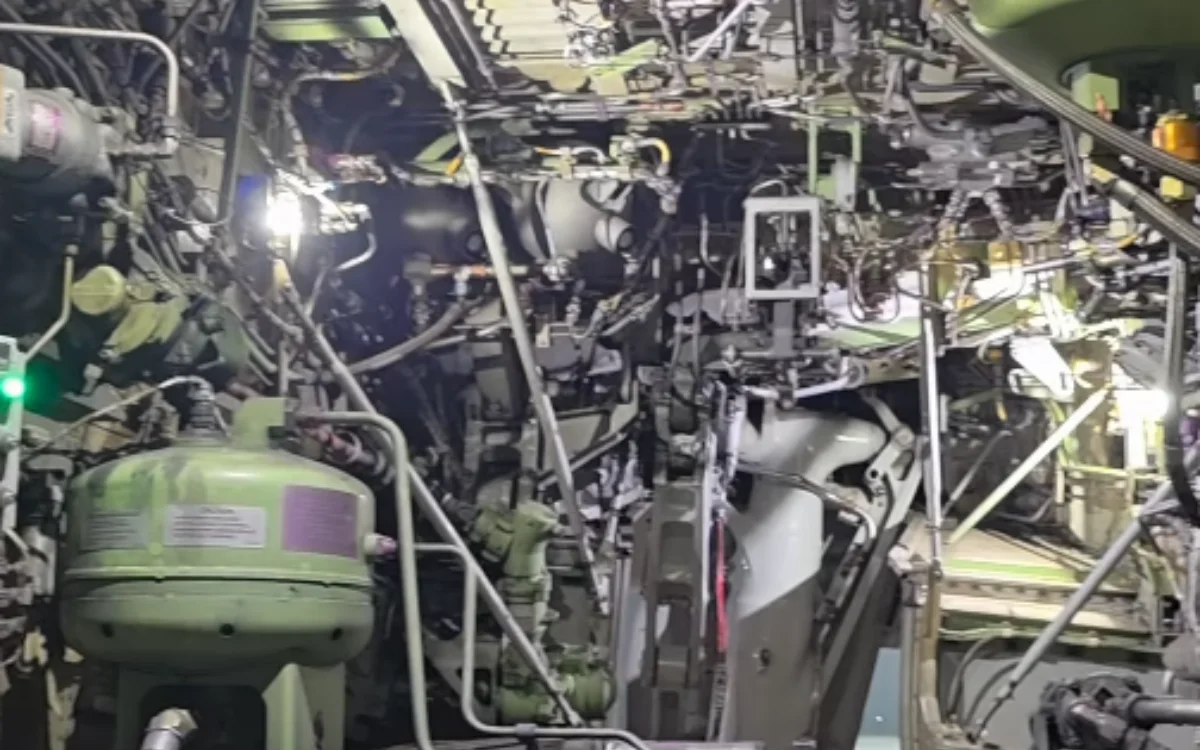

When you get a rare glimpse inside a plane engine, you’re not just seeing hardware; you’re seeing the peak of human ingenuity. You’re also super lucky, as most passengers only ever see the fan blades at the front.
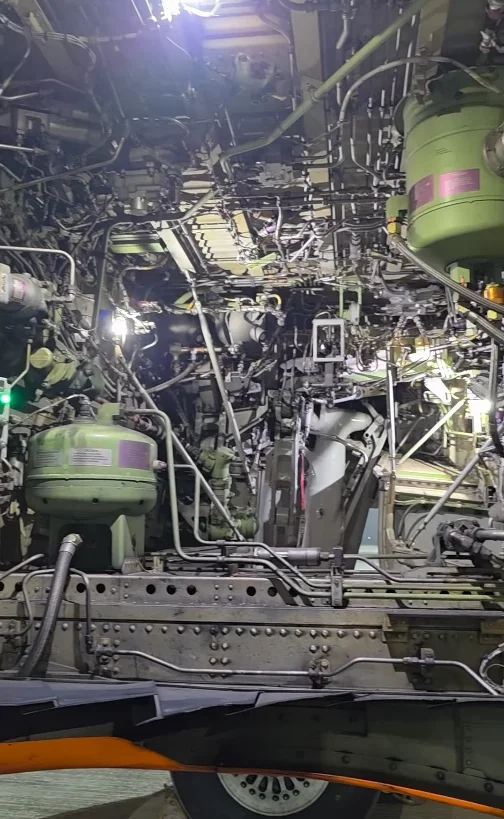
Up close, the inside looks like a tightly packed city of metal, pipes, and wiring built to survive punishment.
It’s the hidden side of aviation that almost no one gets to witness firsthand, and the scale is way more impressive than you would ever imagine.
That nest of wires and chaos is exactly why commercial flying has become one of the safest ways to travel.
EXPLORE SBX CARS – Supercar auctions starting soon powered by Supercar Blondie
Seeing inside a plane engine
Peel back the engine casing on any airplane, and you’ll find a dense network of fuel lines, hydraulic systems, sensors, valves, and reinforced structural components, all arranged with a purpose.

Every part has to operate under extreme heat, pressure, and vibration for thousands of hours, while staying predictable enough that engineers can measure tiny changes in performance over time.
A modern jet engine isn’t just powerful; it’s also monitored constantly.
Sensors track temperatures, pressures, and rotational speeds and feed that data to the engine’s control system, which adjusts fuel flow and other things in real time to keep everything running smoothly – and safely.
Airlines then use that information, along with scheduled inspections, to catch wear, tear, and potential issues before they become a problem.
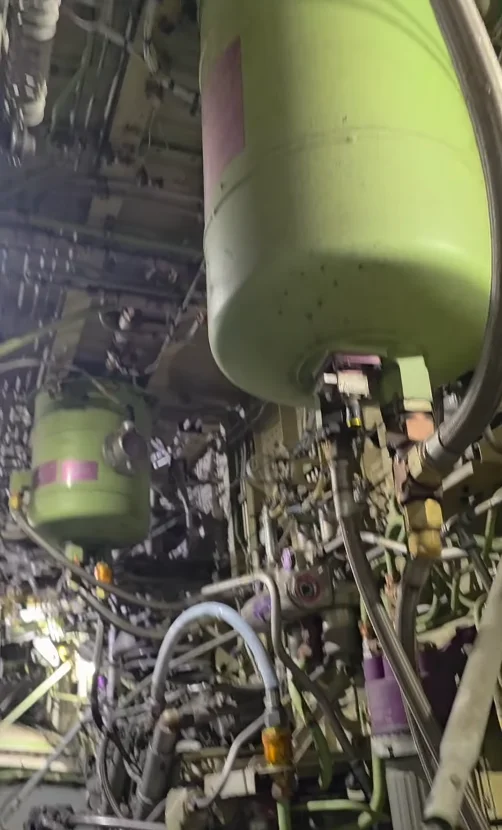
The wildest detail is how much of it is designed to keep going even when something goes wrong.
Hoses, actuators, and control units are built with disaster in mind, so if one system fails, another can take over instantly, often without the cabin noticing a thing.
So while it looks like a confusing nest of wires and pipes, what you see inside isn’t a mess; it’s layer upon layer of protection.
Click the star icon next to supercarblondie.com in Google Search to stay ahead of the curve on the latest and greatest supercars, hypercars, and ground-breaking technology
It’s one of the wildest feats of human ingenuity
Jet engines are engineered for scenarios that sound extreme because they are.
They are built to tolerate birds flying into them, handle massive temperature swings that can exceed 1,000°F in the hot sections, and run for long stretches across continents at steady speeds and power.
Materials, coatings, and cooling designs work together inside a plane engine so components can survive conditions that would destroy most machines.
This is why the inside of an engine feels like one of the wildest feats of human ingenuity.
It’s a machine designed around one priority: safety at a large scale. You only have to look at the sheer size of even the plane’s wheels to realize you’re dealing with a machine that is large and in charge.
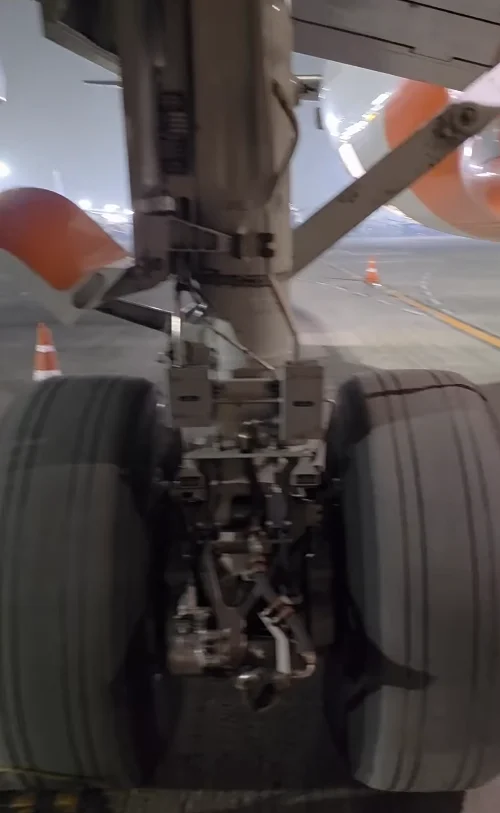
The result is an aircraft that can deliver reliable power, over and over, while quietly protecting everyone on board with engineering most people never get to see.
Daisy is a technology and automotive journalist covering artificial intelligence, consumer tech, Apple news, cryptocurrency, emerging technologies, and transportation innovation. Since joining the team in 2025, she has reported on everything from AI-powered startups and major iOS updates to viral car stories and the latest developments shaping transportation and the digital economy. Drawing on her background in automotive journalism and a degree in History and Journalism from Goldsmiths, University of London, Daisy specializes in breaking down complex topics into clear, engaging reporting for a global audience. Her work spans cutting-edge technology, innovative vehicles, and the people driving change across both industries. Daisy has gained first-hand access to some of the world's most talked-about technologies and innovators, including meeting Tesla's Optimus humanoid robot during its first European appearance in London. She has also discussed the future of space exploration with an astronaut, bringing unique insights and real-world perspectives to her coverage of emerging technology.