Senegal is using electric buses to cut traffic in half and create hundreds of new jobs
Published on Feb 24, 2026 at 11:02 AM (UTC+4)
by Jason Fan
Last updated on Feb 24, 2026 at 9:13 PM (UTC+4)
Edited by
Amelia Jean Hershman-Jones

Electric buses are transforming public transport in Senegal, and nowhere is that clearer than in the capital of Dakar.
A brand-new bus rapid transit system has slashed cross-city travel times by half.
For commuters paying just 60 to 80 cents per ride, that is a small price for air conditioning, extra space, and a smoother trip.
And for a city long choked by congestion, it feels like a breath of fresh air in more ways than one.
DISCOVER SBX CARS – The global premium auction platform powered by Supercar Blondie
Improving public transport has cut traffic significantly
After five years of construction, Dakar’s electric Bus Rapid Transit (BRT) system officially launched in 2024.
The fleet now includes 121 fully electric buses connecting 14 communes across the capital.
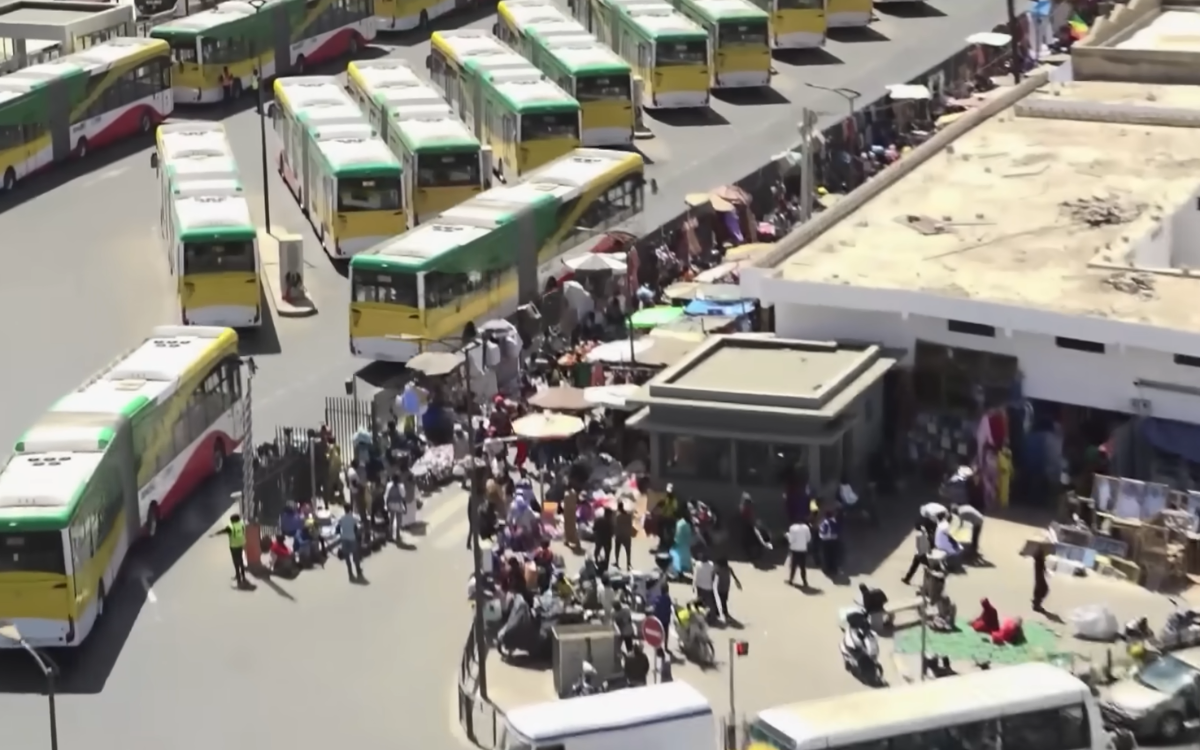
Operated by Dakar Mobilité, a public-private partnership in which the Senegalese state holds a 30 percent stake, the network is designed to tackle two common city problems: gridlock and pollution.
And it is working.
Commuters say the new dedicated lanes have dramatically reduced journey times.
Many are leaving their cars at home to avoid traffic jams altogether.
The buses are air-conditioned, spacious, and widely seen as safer than other forms of public transport.
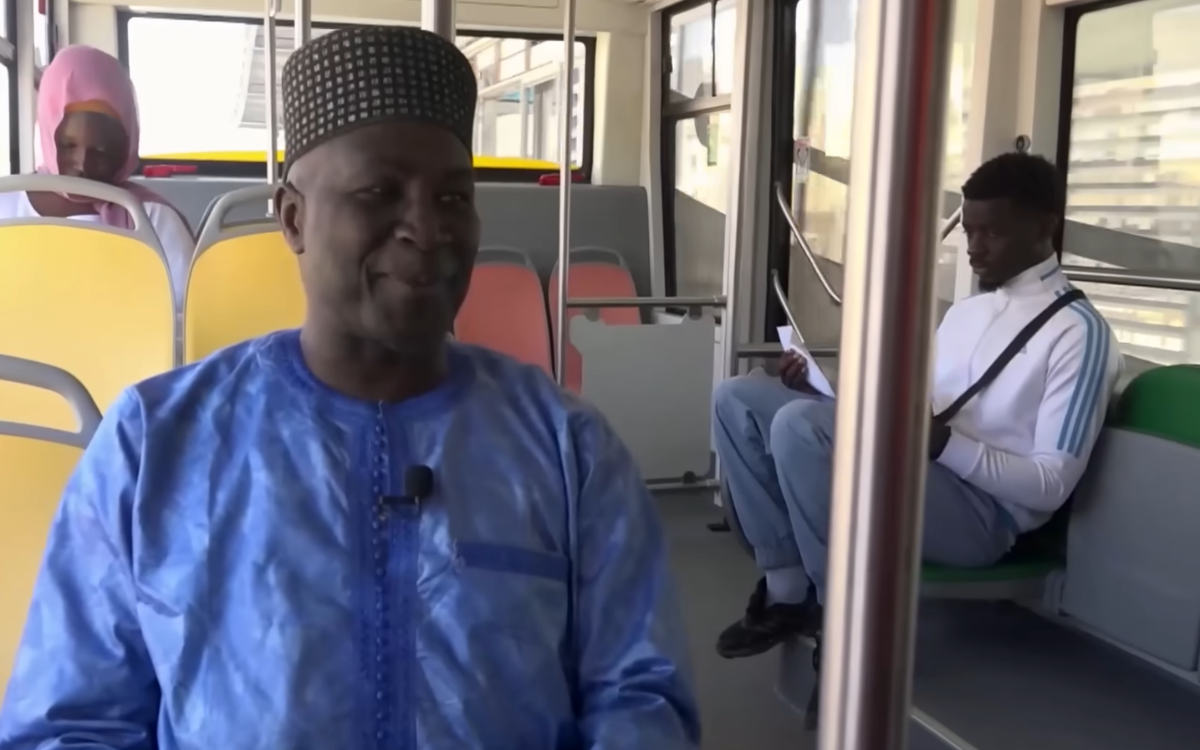
For drivers and passengers alike, the shift away from diesel and petrol engines also means less noise and cleaner air.
The environmental impact is significant.
According to project studies, the system could enable CO2 savings of up to 59 million tons per year.
The buses run on solar-generated renewable energy, and even the depot operations follow green principles.
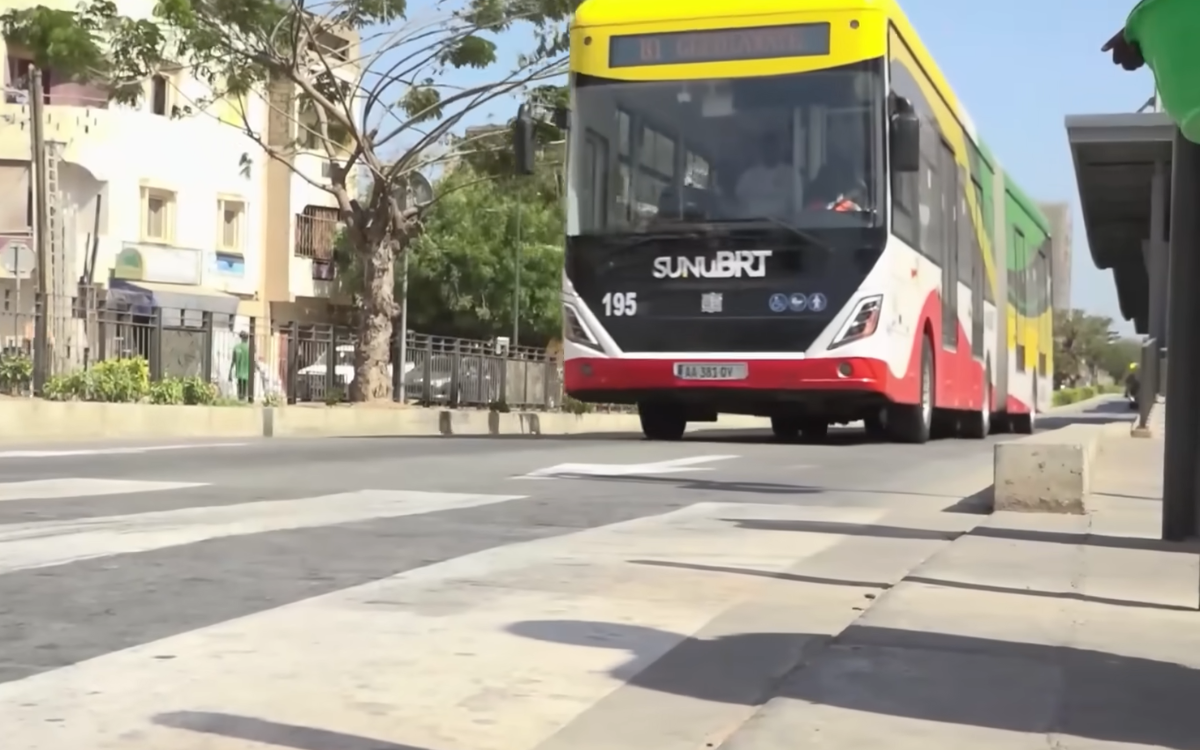
A water recycling system reuses up to 80 percent of the water needed to wash the fleet.
The transformation goes beyond buses.
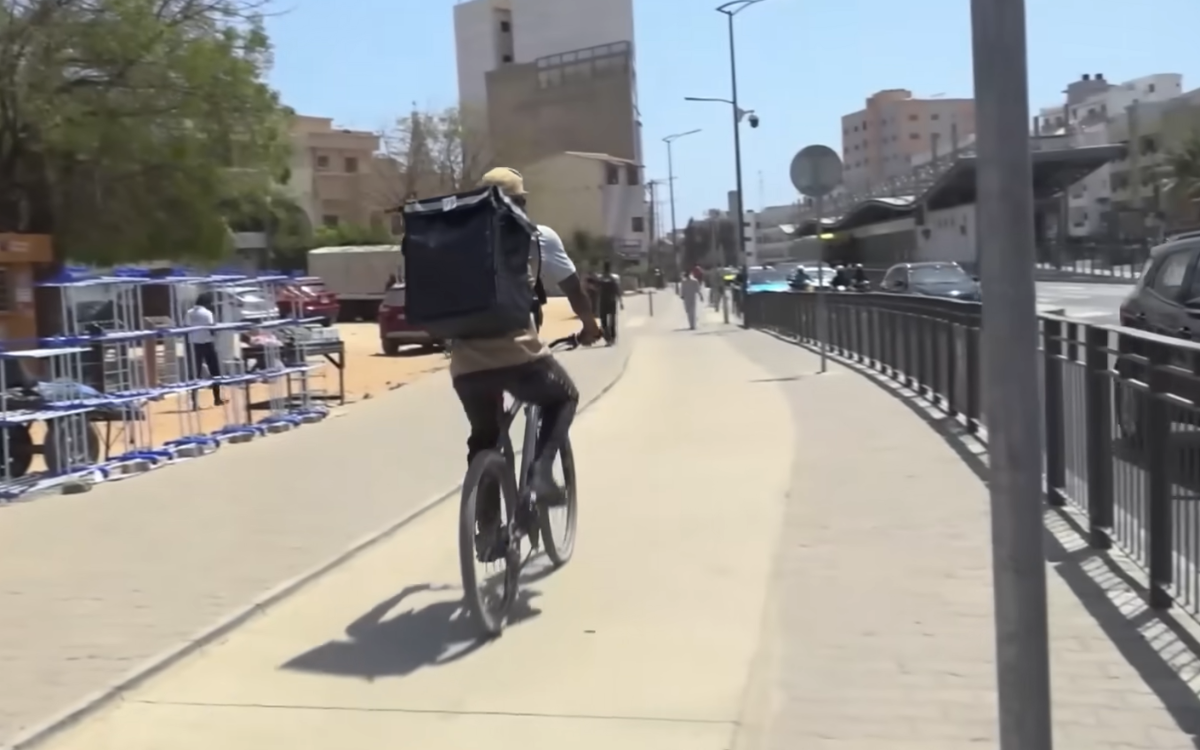
A wide cycle path now runs parallel to the BRT corridor, making Dakar more bike-friendly and giving cyclists a safer alternative to weaving through chaotic traffic.
There is also a human impact.
Around 750 permanent jobs have been created, from drivers to maintenance crews.
Many employees retrained specifically to work on the BRT system, gaining new skills in electric mobility.
Click the star icon next to supercarblondie.com in Google Search to stay ahead of the curve on the latest and greatest supercars, hypercars, and ground-breaking technology
Electric buses are getting more popular worldwide
Senegal is part of a much bigger global shift.
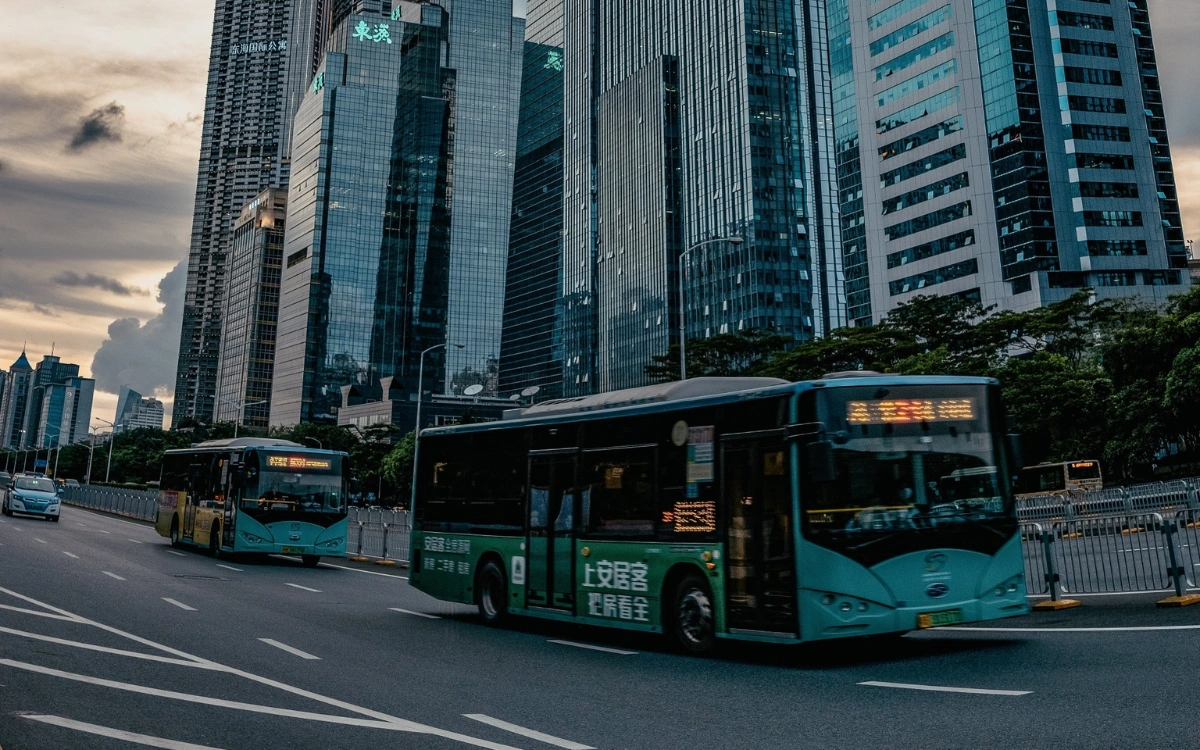
Cities from Shenzhen in China to Bogotá in Colombia are rapidly electrifying their bus fleets.
Shenzhen became the first city in the world to operate a fully electric bus fleet back in 2017, while European capitals such as London and Paris are steadily phasing out diesel buses in favor of zero-emission models.
Governments see electric buses as one of the fastest and most cost-effective ways to decarbonize urban transport, since buses run predictable routes and return to depots for charging.
For Dakar, the benefits are already tangible: faster commutes, hundreds of permanent jobs, quieter streets, and cleaner skies.
Here’s to hoping that the rest of the world can benefit from this model as well in the near future.
DISCOVER SBX CARS: The global premium car auction platform powered by Supercar Blondie