Man who built solar-powered yacht that can run forever shares his six biggest regrets with the boat
Published on Jul 17, 2026 at 5:56 PM (UTC-4)
by Alessandro Renesis
Last updated on Jul 17, 2026 at 5:56 PM (UTC-4)
Edited by
Mason Jones
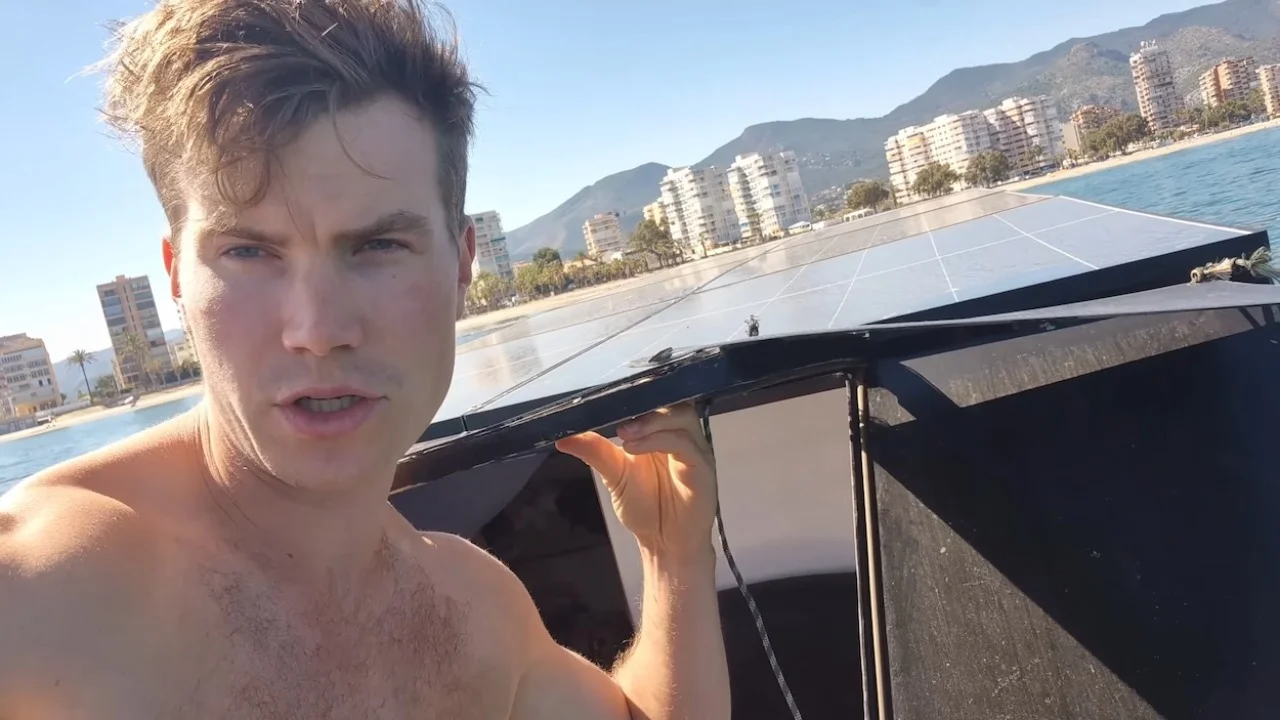

The man who built a solar-powered yacht shared an update about his boat.
But, for once, it isn’t about a new addition or a redesigned section.
On this occasion, he shared the six mistakes he made while building the boat.
Including a ‘sacrifice’ he made simply for fun.
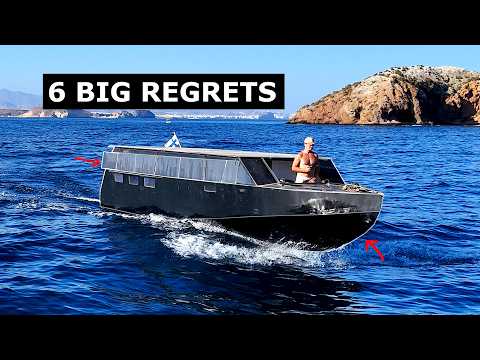
The man behind the True North Yachts YouTube channel, Lukas Sjoman, shared an update detailing six design flaws, mistakes, and compromises in his 11-meter solar boat, Helios 11.
Some of them would’ve been difficult to predict, but there’s also one that should’ve been easy to spot from the start.
And then there’s one we can’t really blame him for.
Flat underwater sections
The first problem is the underwater sections of the hull, which are too flat and create noise in waves.
Apparently, that’s particularly annoying at anchor.
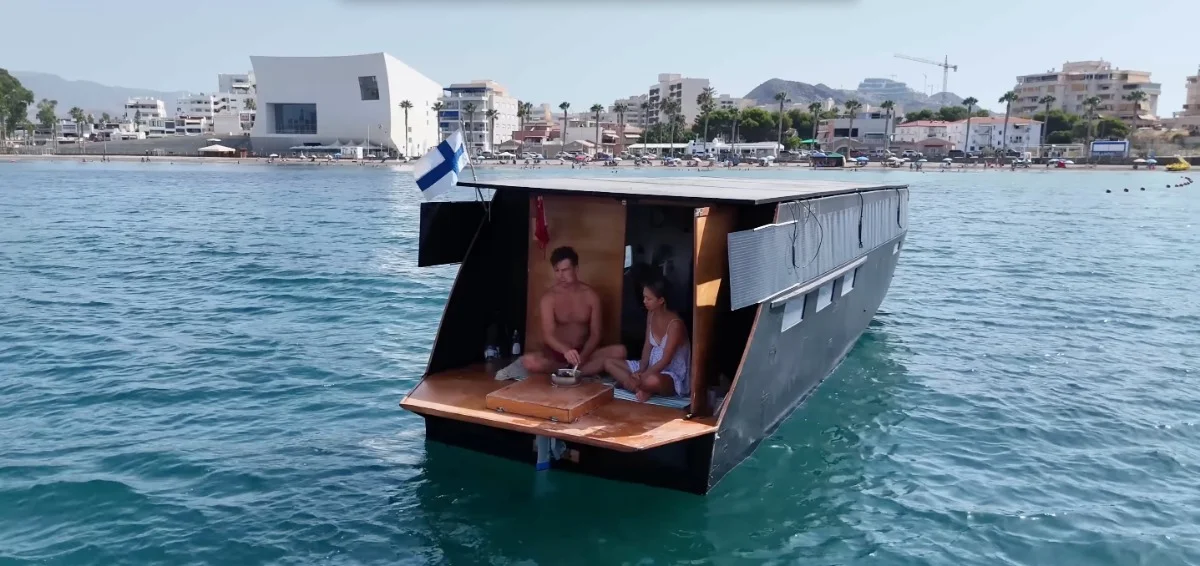
The yacht has a curved bow
The bow was built out of convenience to escape winter, but the curved bow limits the boat’s effective waterline length and wave-piercing capability compared to a straight or reverse bow design.
To be fair, he took full responsibility for this.
“The second flaw, mainly credited to my laziness or hurry to escape the Nordic winter in time, is the curved bow,” he admitted.
Split rear sundeck
This isn’t a massive deal, but it just eats up usable space in a boat that’s not particularly large.
The motor cover interrupts the sundeck, making it less functional.
A better idea would’ve been to elevate the deck and sink the motor.
“This has nothing to do with the speed. But there’s just less space,” he said.
The cabin door of the yacht is way too small
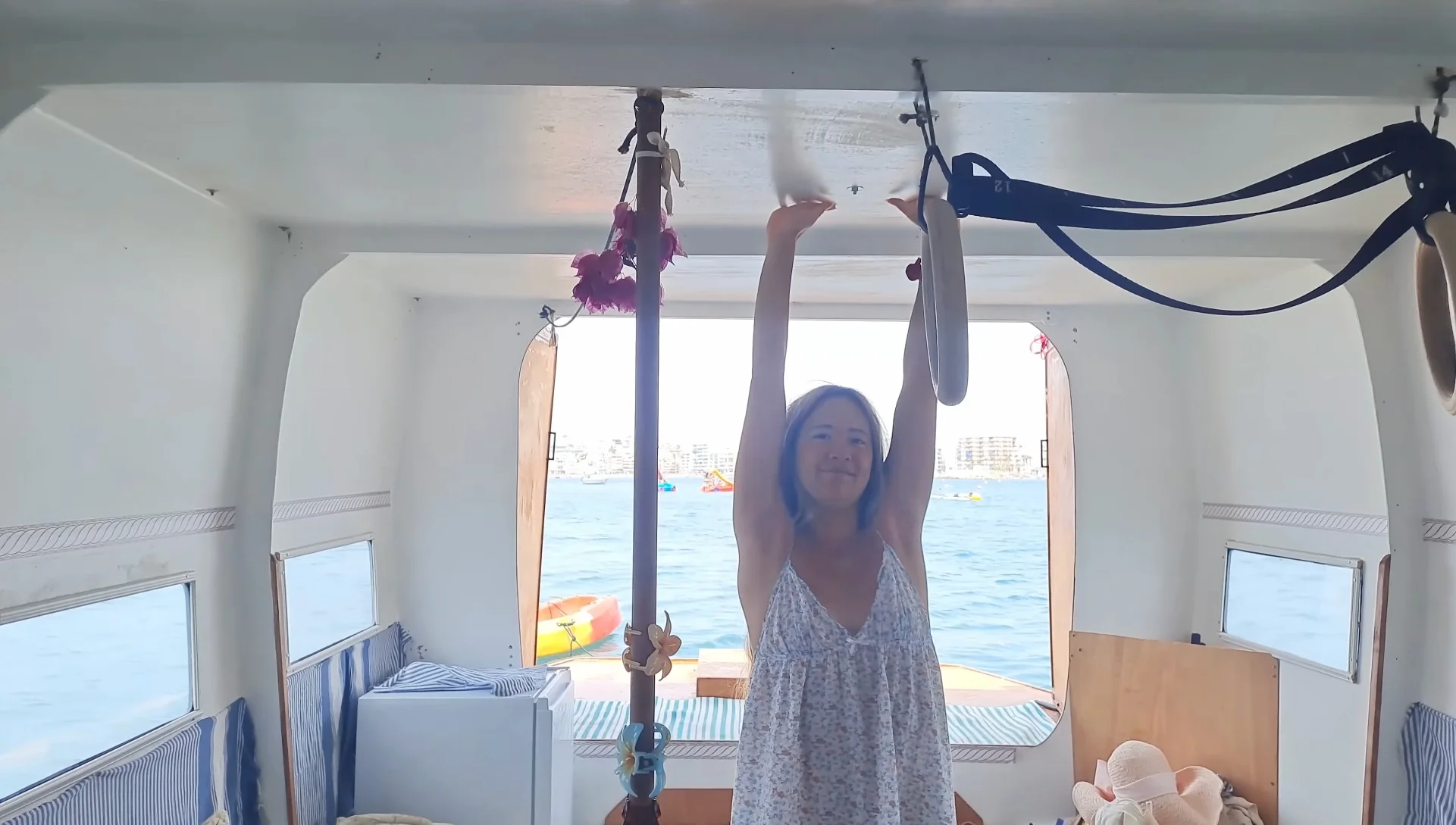
This is the design flaw that could’ve been predictable.
While there’s enough headroom in the cabin itself for people who are around 190 centimeters (around six feet and three inches) tall, the entrance is only 150 cm, which is way too small.
A hinged solar panel setup would’ve solved that problem, and in fact it might.
He’s thinking about it.
“I thought ‘I’ll fix this later’, but this is a full-time liveabord, not a camping boat. So what we need is hinged solar panels,” he said.
The yacht’s swim platform is a little inefficient
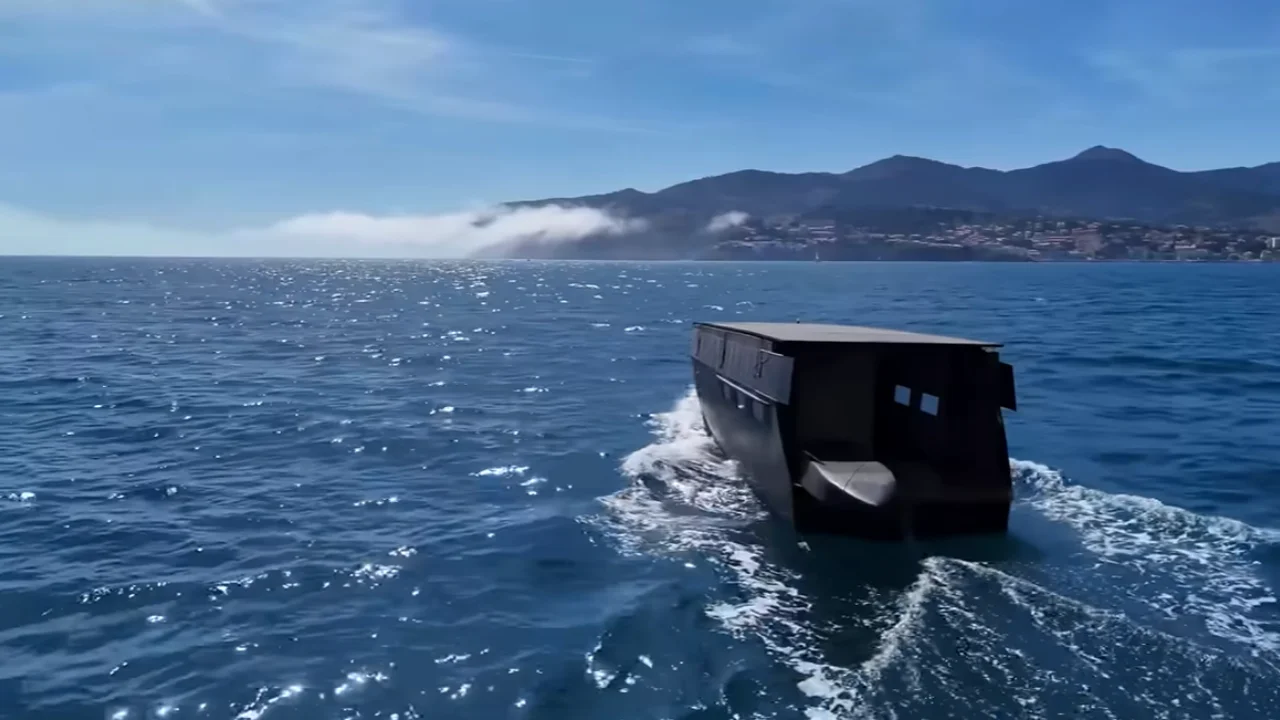
The extended rear swim platform is essentially dead space that doesn’t contribute to anything else.
“Almost all hulls have this flaw. It is an extended swimming platform that make the boat longer without increasing efficiency,” he said.
But we can’t really blame him for this.
What’s the point of a boat if you don’t have a swimming platform?
The flexible vs hard solar panels dilemma
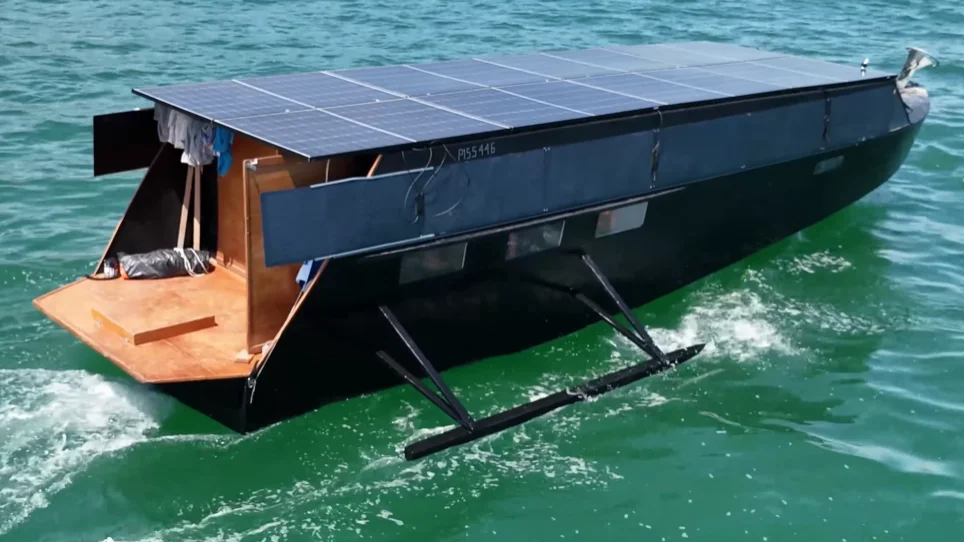
The solar-powered yacht owner realized that flexible panels are more expensive and less durable than basic hard panels.
Roof-mounted hard panels for better cost-efficiency.
In the video, he admitted that he preferred the older ones but still decided to switch.
“I loved flexible panels in the beginning for their lightness and pretty all right efficiency, but now I would prefer to have only basic hard panels,” he said.
Despite the lessons learned along the way, Sjoman’s solar-powered yacht remains an incredible build.
Alessandro is an automotive journalist with 10 years of experience covering supercars, automotive history, emerging vehicle technology, and luxury transportation. He wrote the first article published on SupercarBlondie.com when the website launched in 2022 and has since built a reputation for insightful reporting across the automotive and transportation industries. His expertise is grounded in hands-on experience. Alessandro has driven every Tesla model ever produced, from the original Roadster to the Cybertruck, and regularly covers the latest developments in electric vehicles and automotive innovation. His passion for transportation extends beyond cars, he has even flown a Boeing 787 Dreamliner simulator in Addis Ababa, Ethiopia. His reporting spans everything from classic American muscle cars and rare automotive discoveries to luxury yachts, private aircraft, high-end watches, and cutting-edge vehicle technology. Known for his deep knowledge of automotive history and ability to uncover the stories behind iconic vehicles, Alessandro brings readers a blend of historical context, technical expertise, and first-hand experience.