Only 2,188 units of this $100k supercharged Cadillac XLR-V were built and its current price leaves people shocked
Published on Oct 31, 2026 at 6:36 PM (UTC-4)
by Alessandro Renesis
Last updated on Oct 31, 2026 at 6:36 PM (UTC-4)
Edited by
Mason Jones
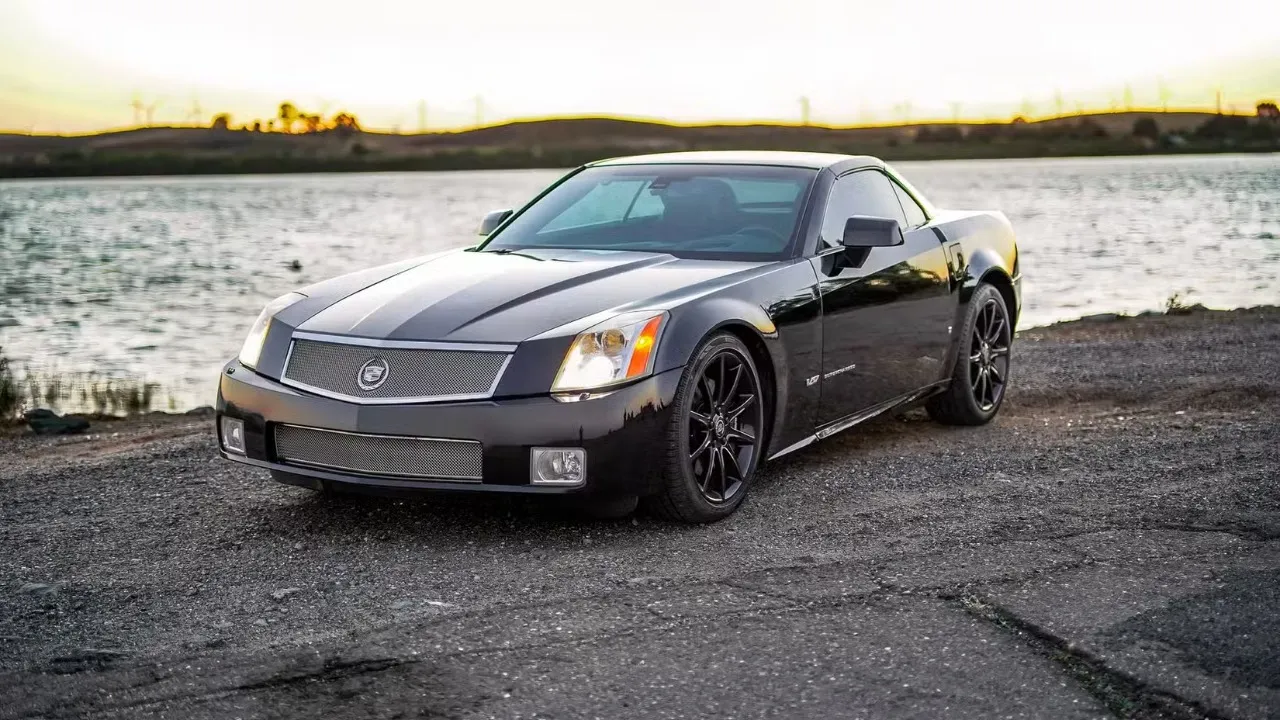

Back in the 2000s, several automakers went crazy with various experiments, including this supercharged Cadillac XLR-V.
Sadly, some of these experiments failed. Arguably, that includes this one.
When it was launched, this car had an MSRP of $100,000 – let’s see what it’s worth now.
The 2000s may have been the golden era of the automotive industry
In hindsight, we’re probably going to look back at the 2000s as the golden era of automobiles.
The 1950s and 1960s were peak design; the 1970s were a strange blip with so many experimental wedge-shaped supercars; and the 1980s and 1990s were an era of consolidation.
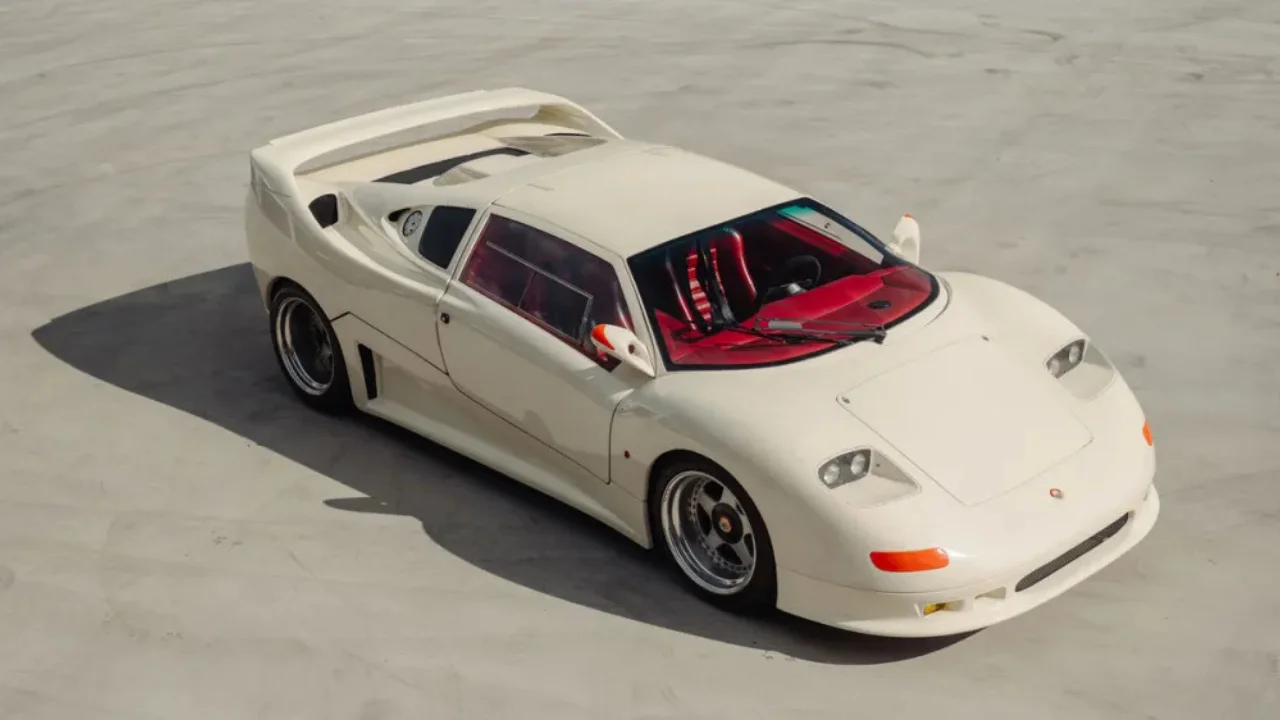
Then, in the 2000s, we probably reached the peak of cars as we (used to) know them.
They were safe enough and modern enough, but still analog enough.
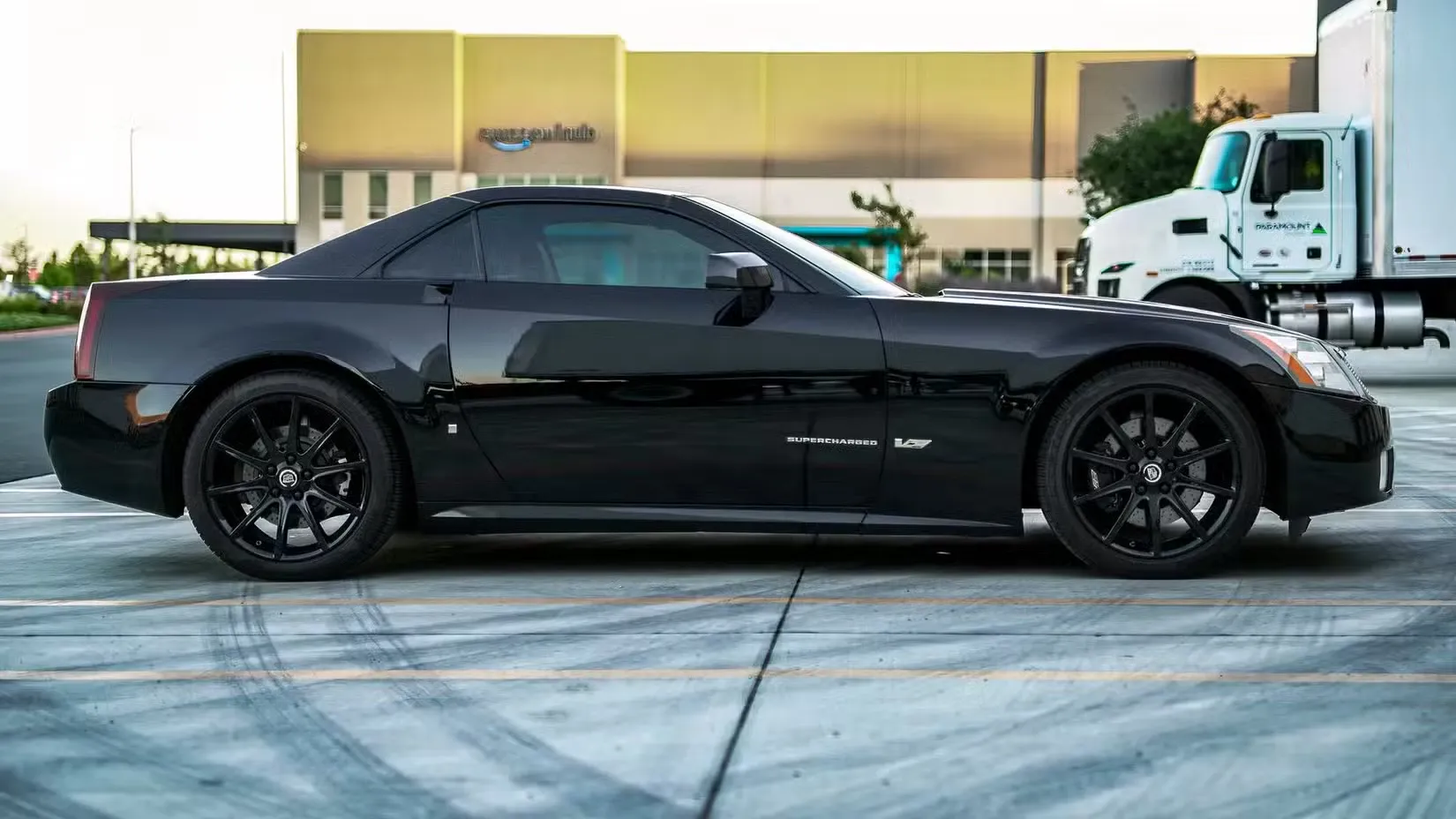
The global situation was more stable, including financially, and that’s why we ended up with so many experiments automakers would never ever risk today.
Including this absurd but wonderful supercharged Cadillac.
How much is the Cadillac XLR-V worth today
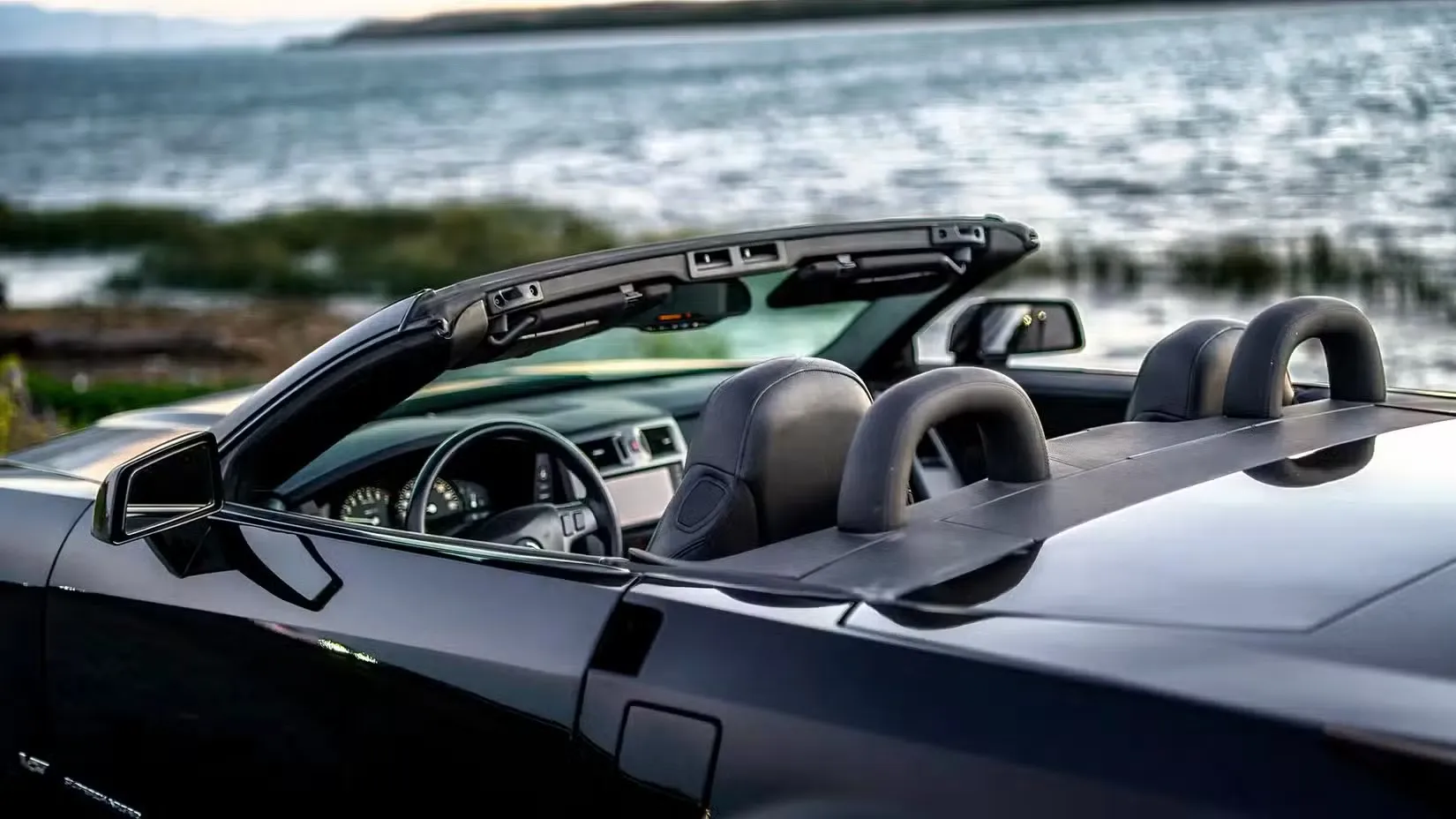
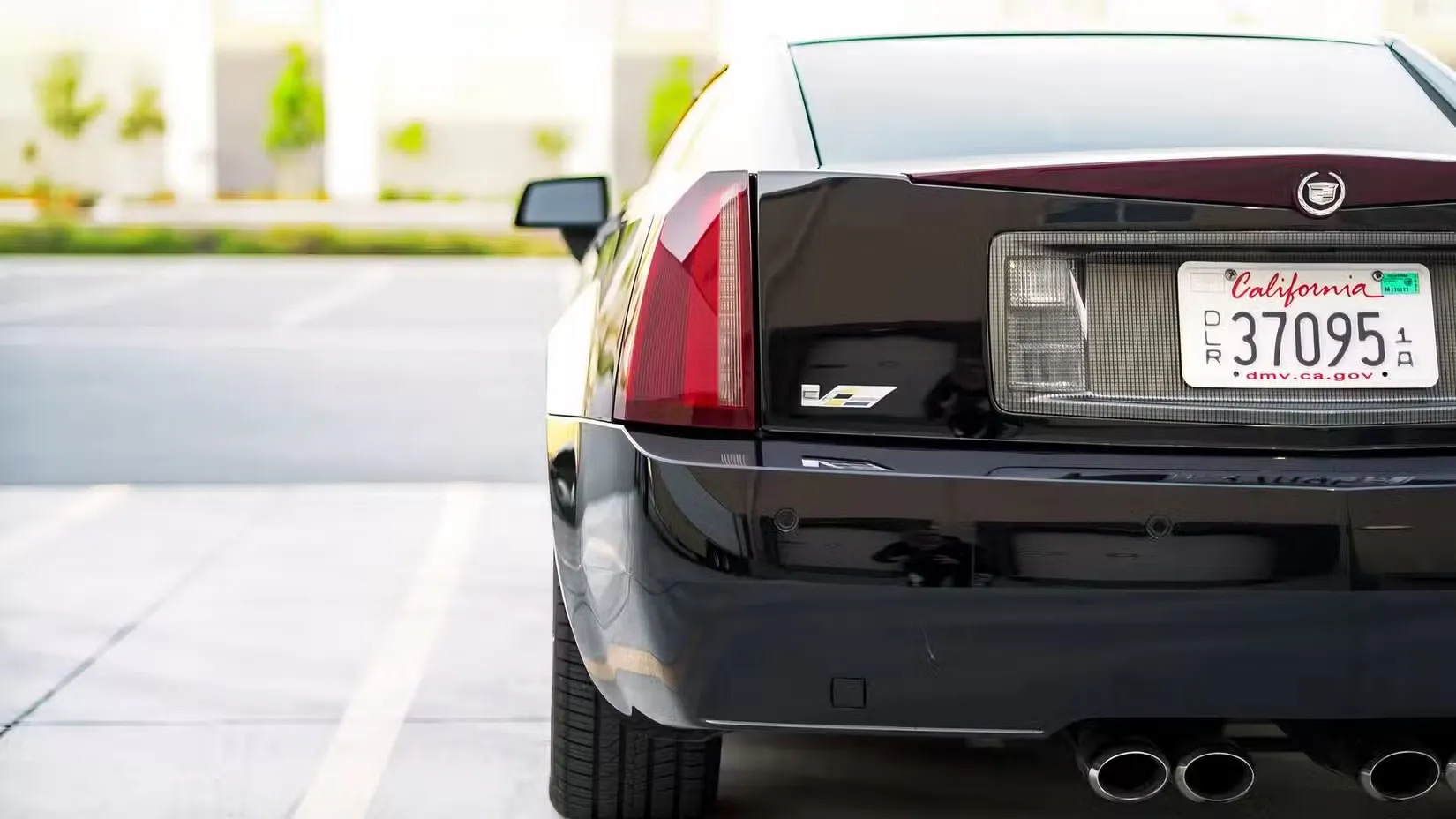
Cadillac built only 2,188 units of the XLR-V from 2006 through 2009, making it a rare car.
But being rare isn’t enough.
It doesn’t automatically guarantee safety from depreciation.
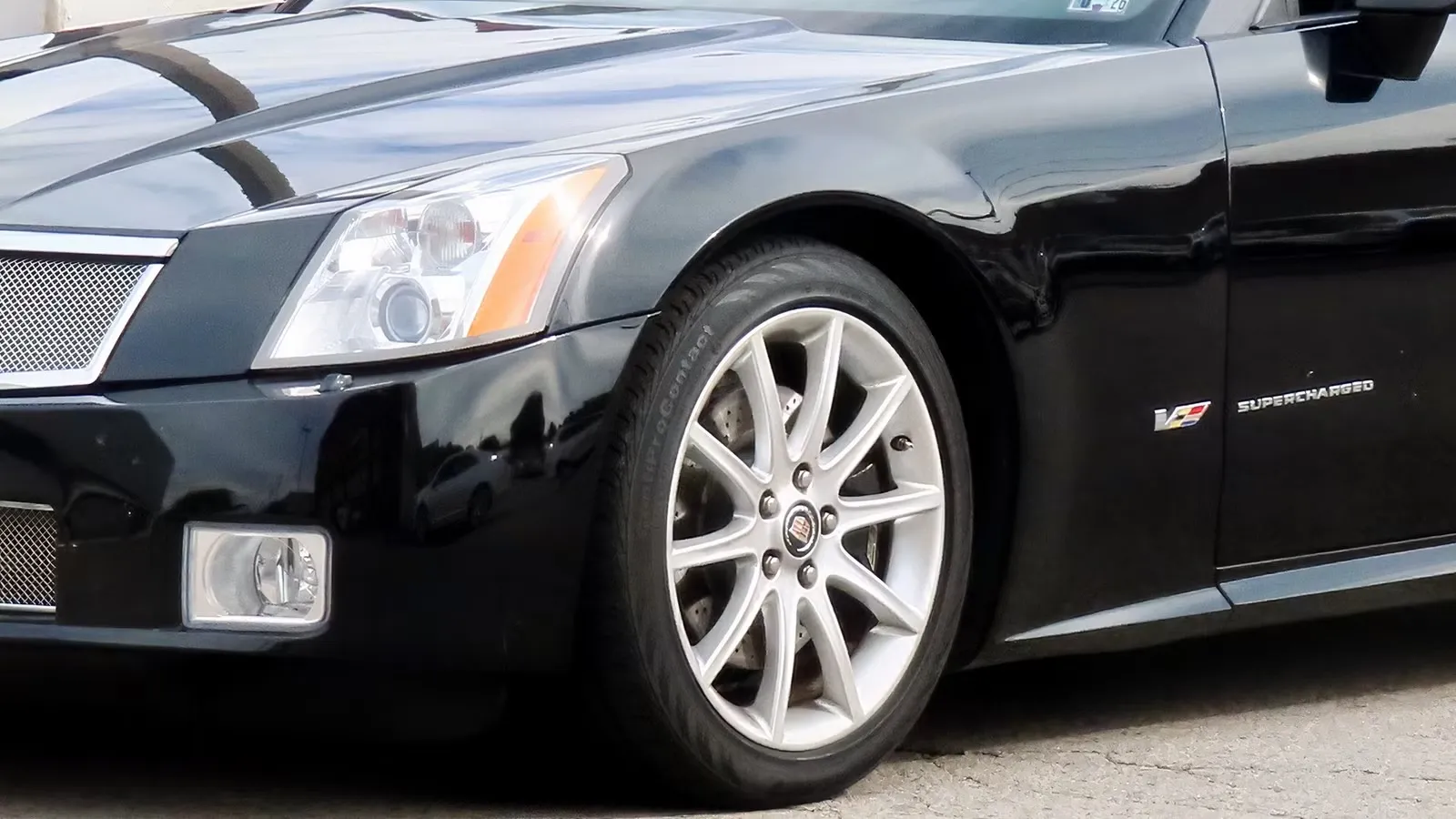
Today, this supercharged Cadillac, once priced at $100,000+, is now worth between $25,000 and $28,000.
The one you see here, specifically, is valued at just $27,500.
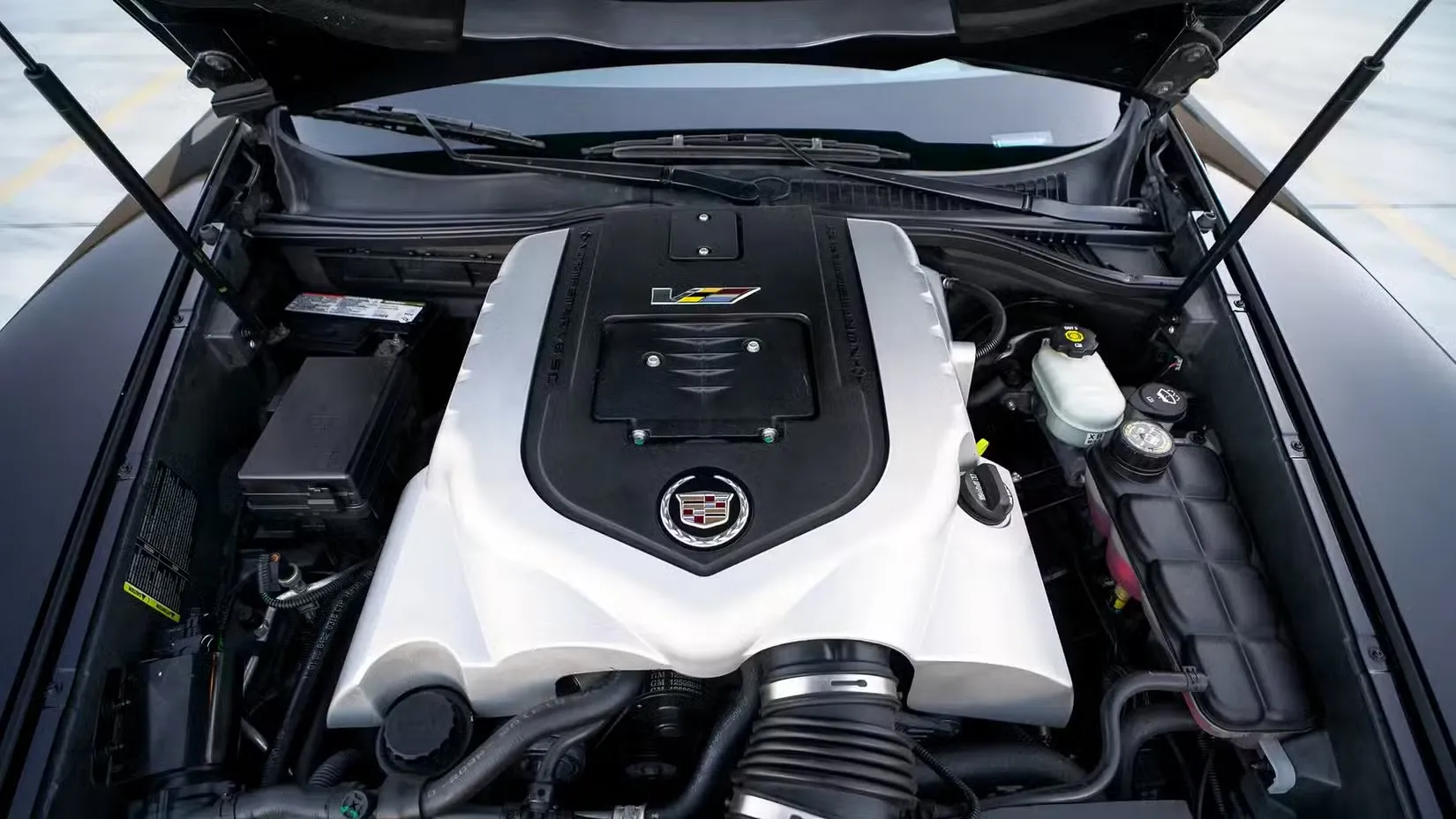
The XLR-V featured a 4.4-liter supercharged Northstar V8 engine pushing 443hp and 414lb-ft of torque, paired with a power-retractable hardtop.
The problem is that, like many equivalent high-end vehicles from that era, it suffered steep initial depreciation, which got worse because it didn’t sell well at all.
The complex electronics, specialized folding hardtop mechanism, and the unique supercharged Northstar engine can be costly and difficult to service.
And rarity alone hasn’t been enough to drive up prices yet.
Pity.
What’s next for the Cadillac XLR-V
We said that the 2000s were probably the peak automotive era simply because, today, it’d be a stretch to call modern cars just cars.
They’re tech products, first and foremost.
Cadillac is currently busy rebranding with new -IQ lineup.
For some reason, all electric Cadillacs are called something-IQ, and even the Escalade EV is called the Escalade IQ.
But recent market data shows that assigning a specific nameplate to electric cars doesn’t work that well.
Volkswagen, Mercedes, and the list goes on – all these brands realized it’s much easier to simply make the best car they can, available with an electric powertrain if possible, and then put it on sale.
Using so many powertrain-specific acronyms and names simply ends up confusing buyers.
So who knows, maybe one day the XLR-V will be back with an electric powertrain.
Cadillac is still part of GM, so there are several sports car platforms to use and several powertrains to adapt.
Time will tell.
Alessandro is an automotive journalist with 10 years of experience covering supercars, automotive history, emerging vehicle technology, and luxury transportation. He wrote the first article published on SupercarBlondie.com when the website launched in 2022 and has since built a reputation for insightful reporting across the automotive and transportation industries. His expertise is grounded in hands-on experience. Alessandro has driven every Tesla model ever produced, from the original Roadster to the Cybertruck, and regularly covers the latest developments in electric vehicles and automotive innovation. His passion for transportation extends beyond cars, he has even flown a Boeing 787 Dreamliner simulator in Addis Ababa, Ethiopia. His reporting spans everything from classic American muscle cars and rare automotive discoveries to luxury yachts, private aircraft, high-end watches, and cutting-edge vehicle technology. Known for his deep knowledge of automotive history and ability to uncover the stories behind iconic vehicles, Alessandro brings readers a blend of historical context, technical expertise, and first-hand experience.




