Discovery from space shows how the pyramids were built
- At least 118 pyramids still exist today
- One of them, the Great Pyramid of Giza, is considered a world’s ‘Wonder’
- Construction of the Pyramids began approximately 5000-6000 years ago
Published on Dec 08, 2023 at 3:58 AM (UTC-5)
by Alessandro Renesis
Last updated on Jan 05, 2024 at 12:13 PM (UTC-5)
Edited by
Alessandro Renesis
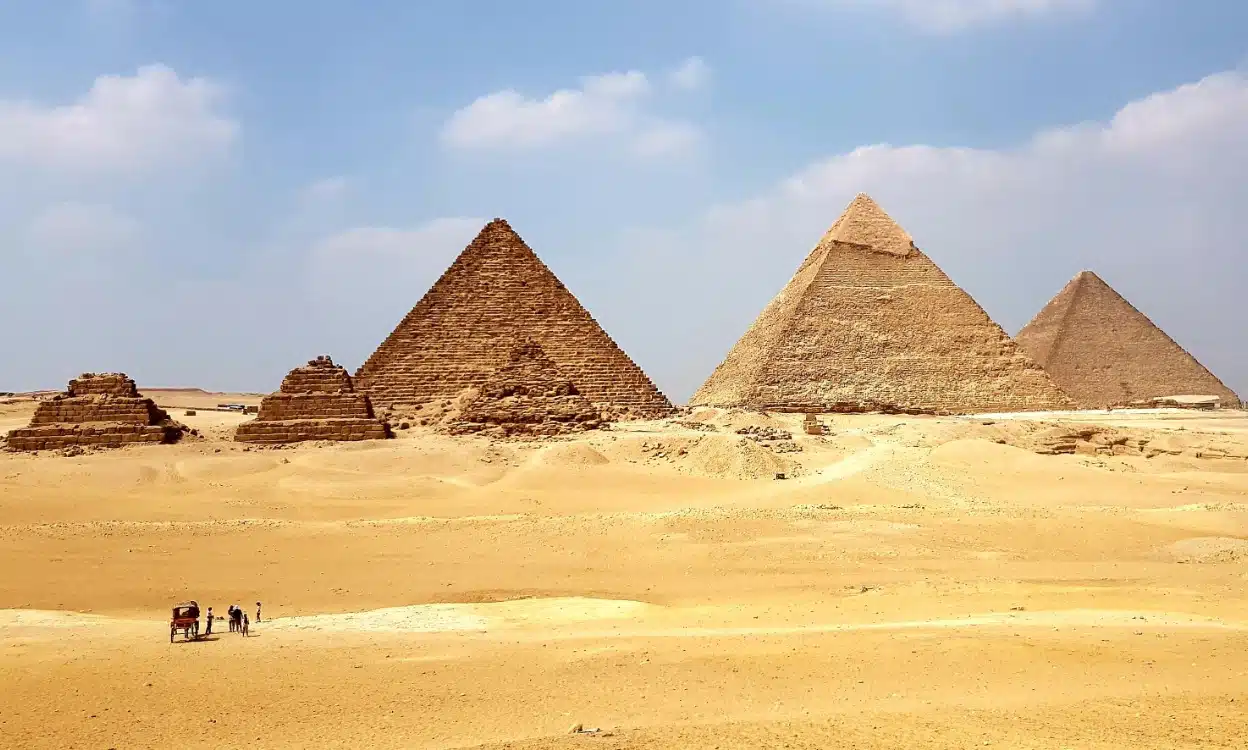

Thanks to newly emerged satellite data, we now may know a bit more about how the pyramids were built.
The pyramids are one of the world’s greatest mysteries, but we’re now a bit closer to the truth.
READ MORE: Stargazer is a new hypersonic plane that will fly from New York to Tokyo in one hour
Most historians agree that the Egyptians began engineering and building pyramids between 5,000 and 6,000 years ago.
We also know they were used as glorified catacombs for the elites, mostly for pharaohs and their consorts.
Over 110 pyramids are still intact, including the Great Pyramid of Giza, which is one of the world’s Seven Wonders.
However, we’ve never really been able to figure out how they built them.
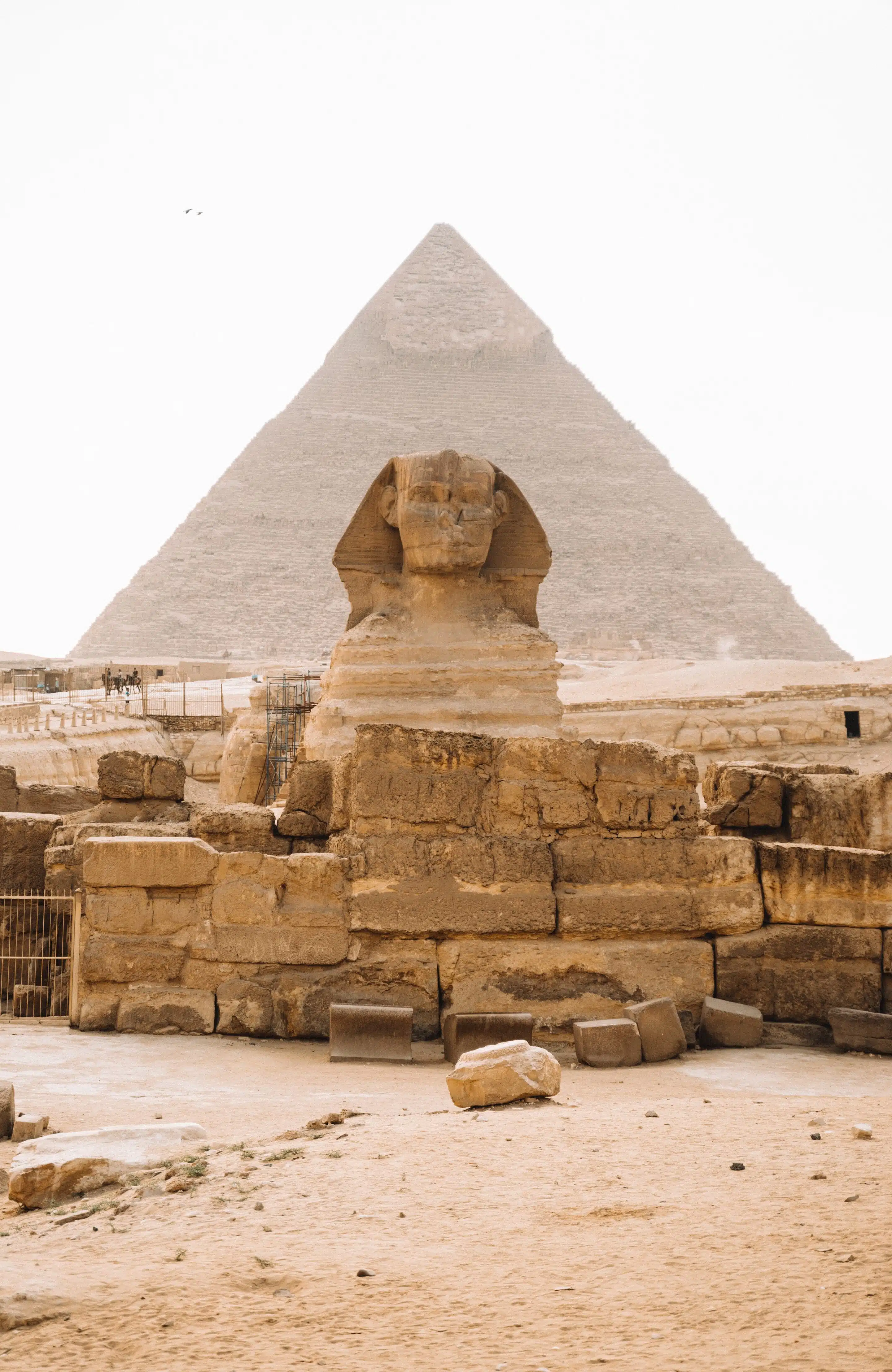
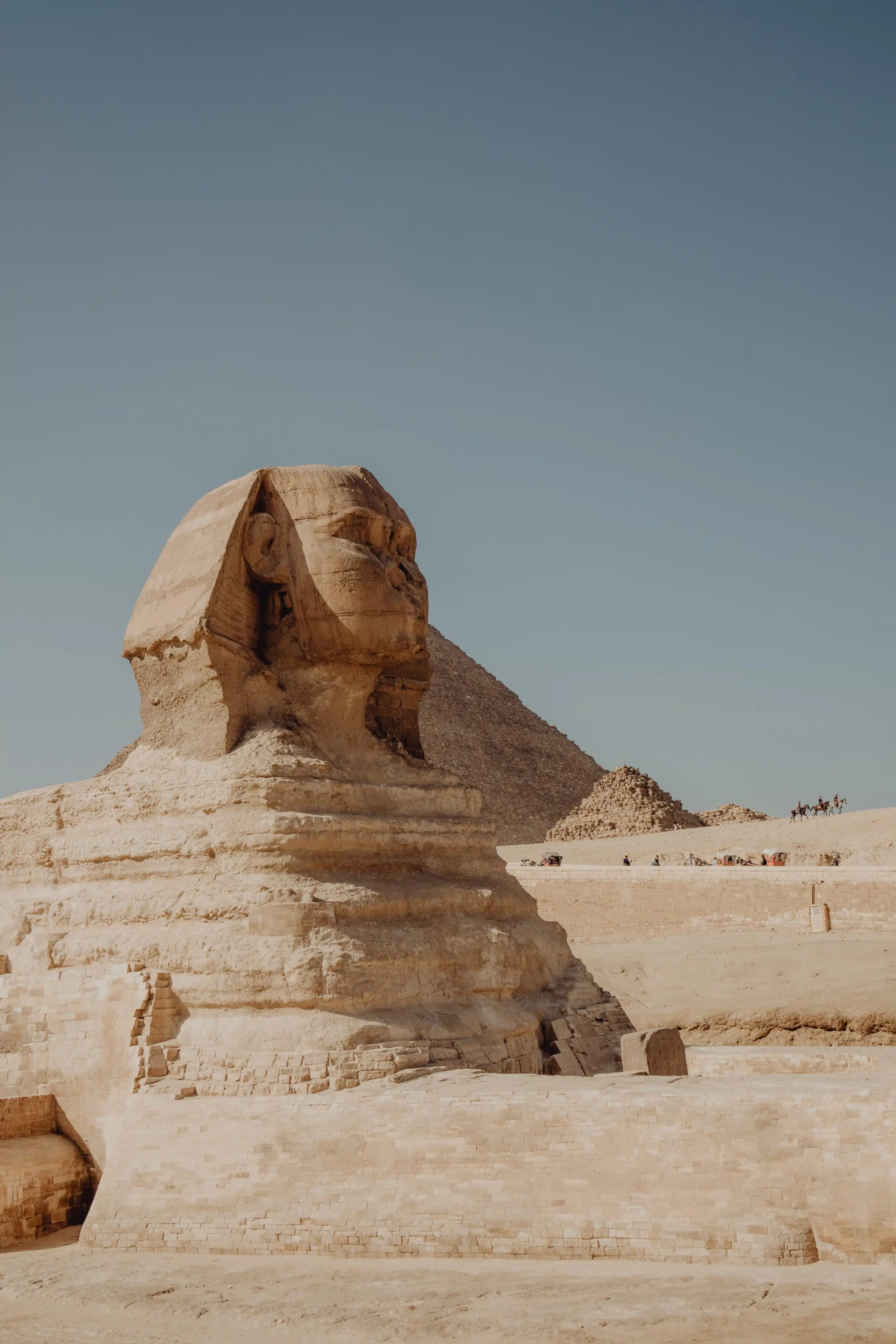
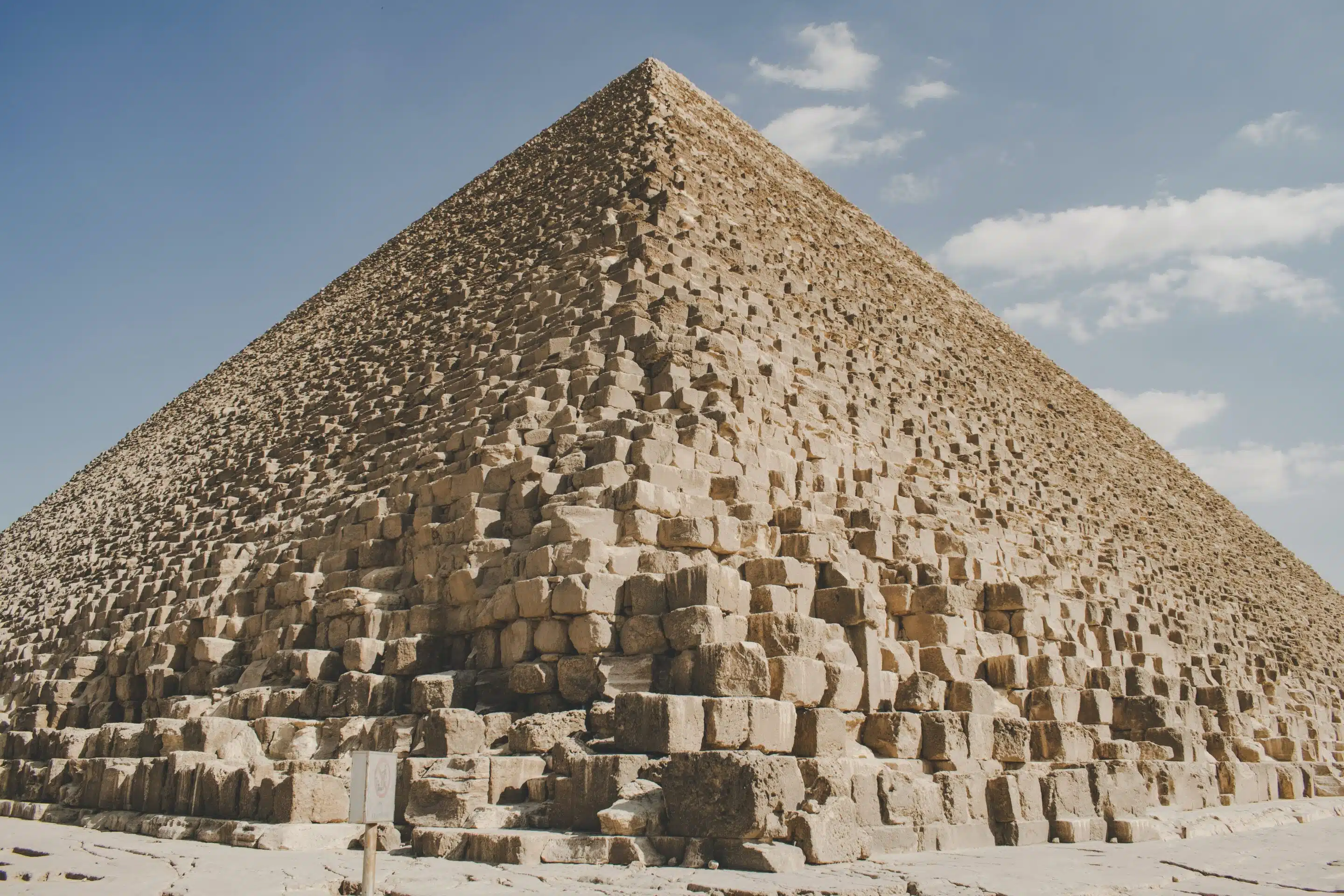
The Egyptians had a vast knowledge of mathematics, architecture and engineering but no one knows for sure how they moved giant blocks of solidified sand and rock.
Mind you, a recent discovery from space provided a potential answer.
Dr Eman Ghoneim, an Egyptian-American geologist who specializes in image and space data processing, discovered a landmark on the River Nile.

According to Dr Ghoneim, the landmark in question is actually a dried-out waterway that once ran through Giza from the Nile Valley.
Dr Ghoneim believes that the Egyptians potentially used this waterway to transport material to build at least 38 different pyramids.
This is because she also discovered that this waterway passes through 38 different pyramid sites.
For a while it looked like we almost forgot we’d been to the moon but now the space race is back in full swing.
And, more to the point, it seems we’re also using space as a source for knowledge and data.
Dr Ghoneim’s discovery is just the latest example of space being used for something other than exploration.


Alessandro is an automotive journalist with 10 years of experience covering supercars, automotive history, emerging vehicle technology, and luxury transportation. He wrote the first article published on SupercarBlondie.com when the website launched in 2022 and has since built a reputation for insightful reporting across the automotive and transportation industries. His expertise is grounded in hands-on experience. Alessandro has driven every Tesla model ever produced, from the original Roadster to the Cybertruck, and regularly covers the latest developments in electric vehicles and automotive innovation. His passion for transportation extends beyond cars, he has even flown a Boeing 787 Dreamliner simulator in Addis Ababa, Ethiopia. His reporting spans everything from classic American muscle cars and rare automotive discoveries to luxury yachts, private aircraft, high-end watches, and cutting-edge vehicle technology. Known for his deep knowledge of automotive history and ability to uncover the stories behind iconic vehicles, Alessandro brings readers a blend of historical context, technical expertise, and first-hand experience.




