This plane 'accidentally' flew into space before the Moon landing
- In the 1960s, an experimental aicraft flew into space twice
- This happened six years later before the 1969 Moon landing
- The aircraft in question is still the fastest plane in the world
Published on Aug 13, 2024 at 1:59 PM (UTC-4)
by Alessandro Renesis
Last updated on Aug 14, 2024 at 9:39 AM (UTC-4)
Edited by
Amelia Jean Hershman-Jones
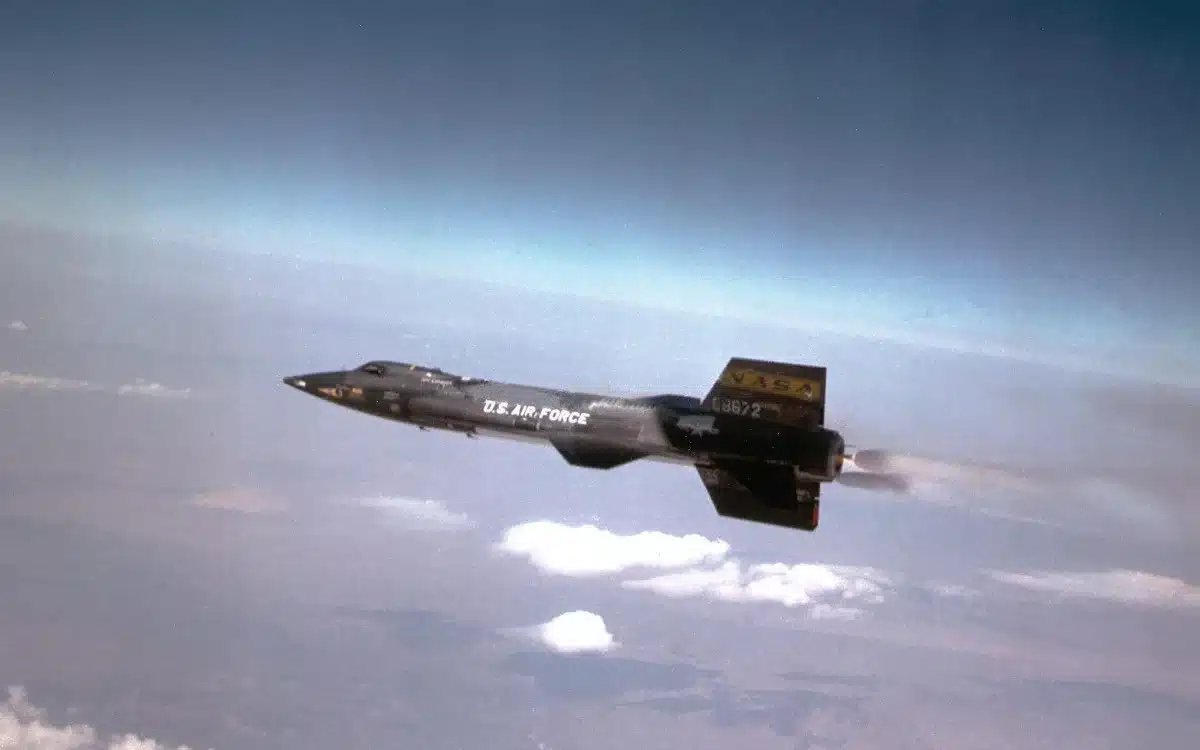

In 1963, the X-15 Air Force plane ‘accidentally’ went to space.
This happened due to a unique sequence of circumstances.
It’s also something very unlikely to happen again.
DISCOVER SBX CARS: The global premium car auction platform powered by Supercar Blondie
The definition of space
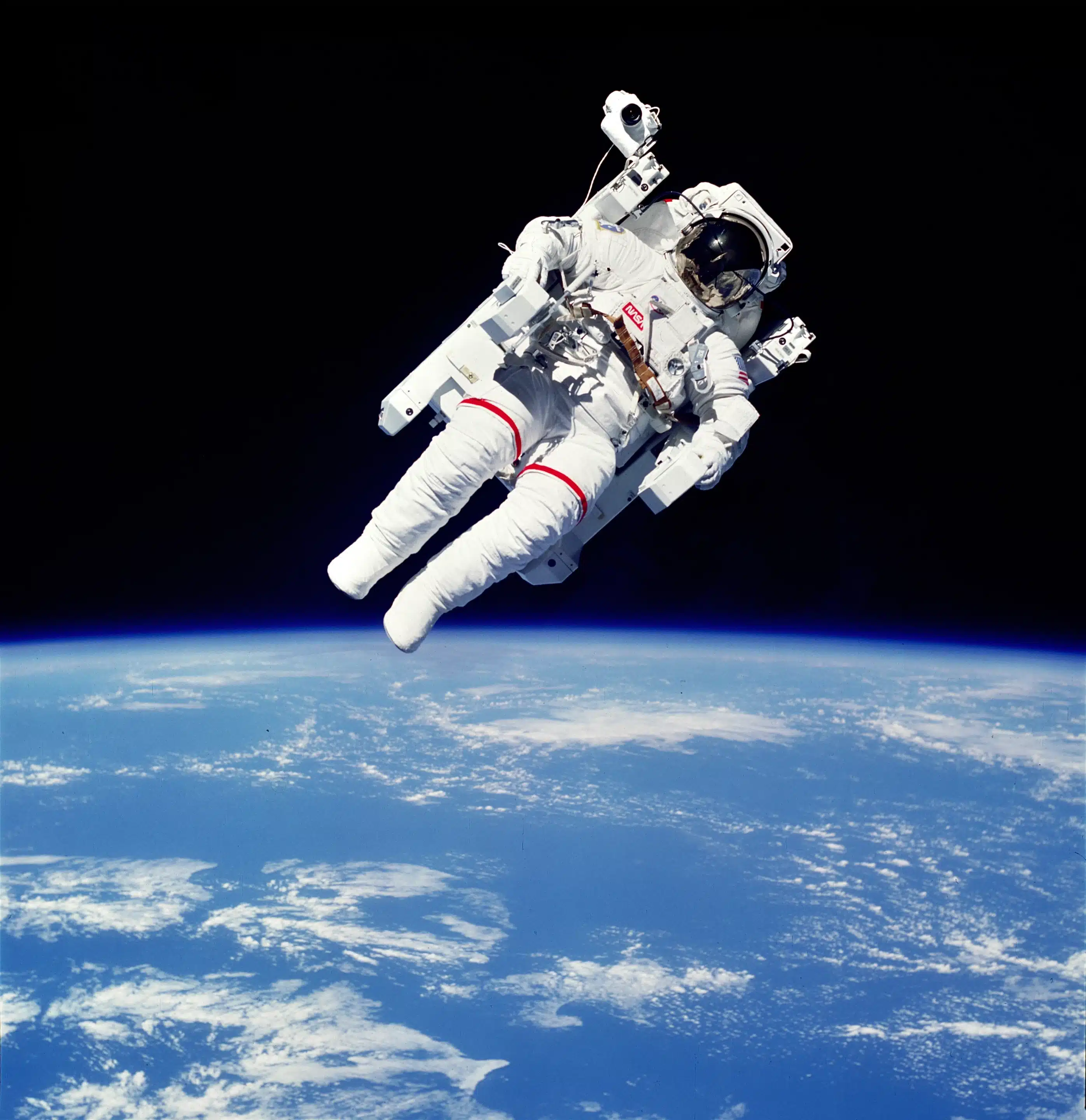
To break down how this pilot went to ‘space’, we need to start by defining what the term actually means.
The conventional definition of the edge of space is the Karman line, named after Theodore von Karman, the aerospace engineer who theorized it.
Von Karman determined that the theoretical limit of altitude for airplane flight is 83.8km (52.1 miles) above Earth.
Anything above that, and it becomes space, not air.
This is where you’re more likely to see one of the Earth’s spectacular phenomena, airglow.
Meanwhile, being beyond this line made a NASA astronaut realize we are ‘living a lie’- here’s why.

A record that preceded the Moon landing
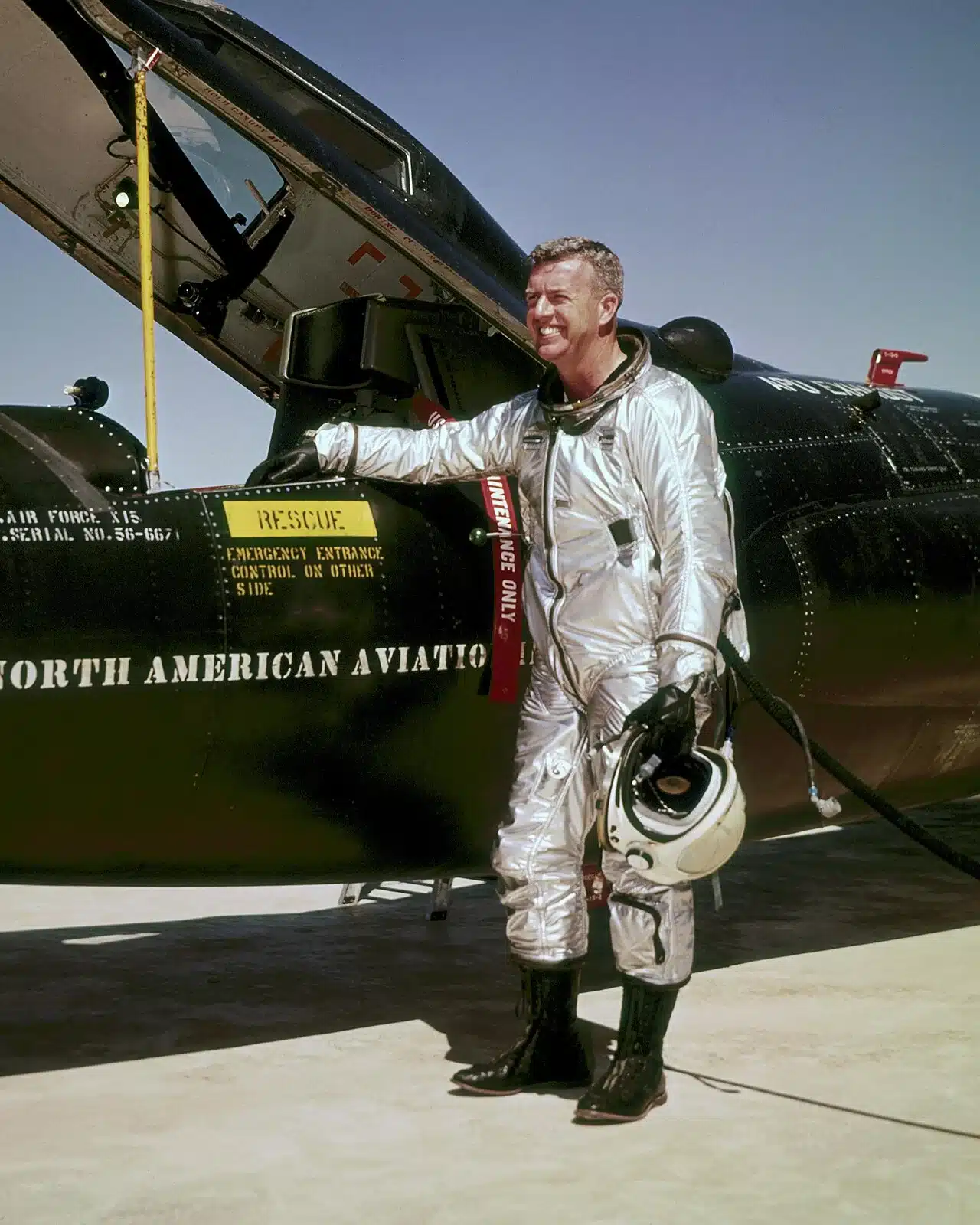
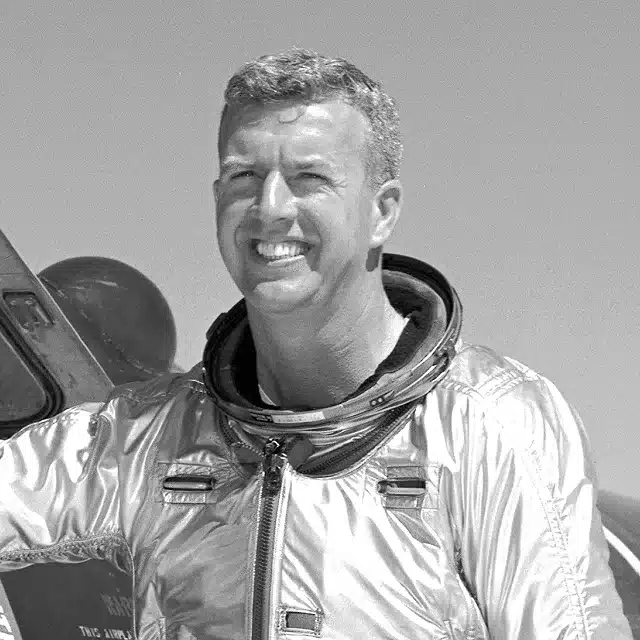
On July 19, 1963, a North American X-15 aircraft operated by the US Air Force in partnership with NASA passed the Karman line and reached space.
The same thing happened one month later, with the same pilot, Joseph Walker, at the ‘helm’.
Crucially, this unique record preceded the 1969 Moon landing by six years.
The X-15 aircraft that set the record
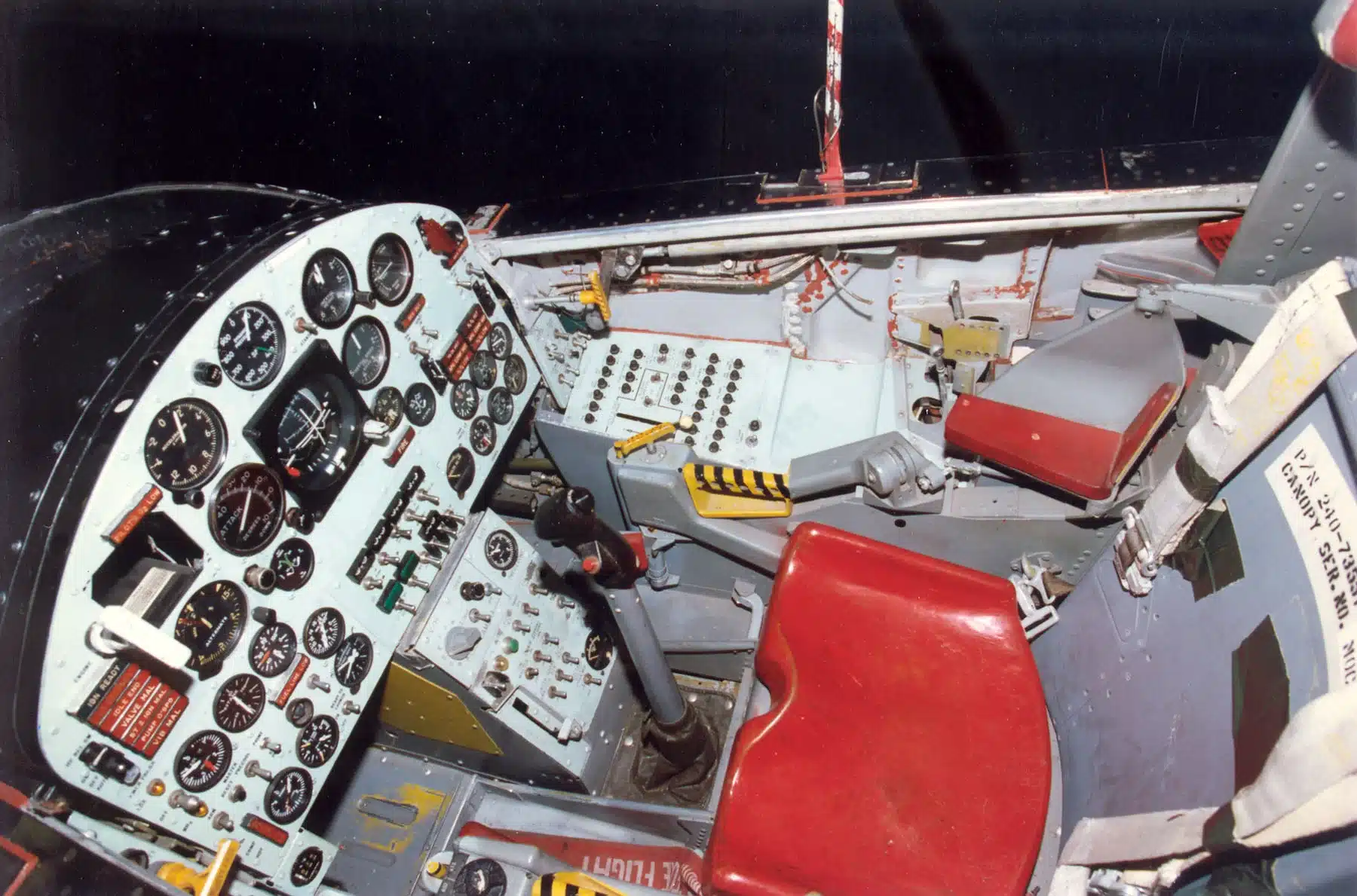
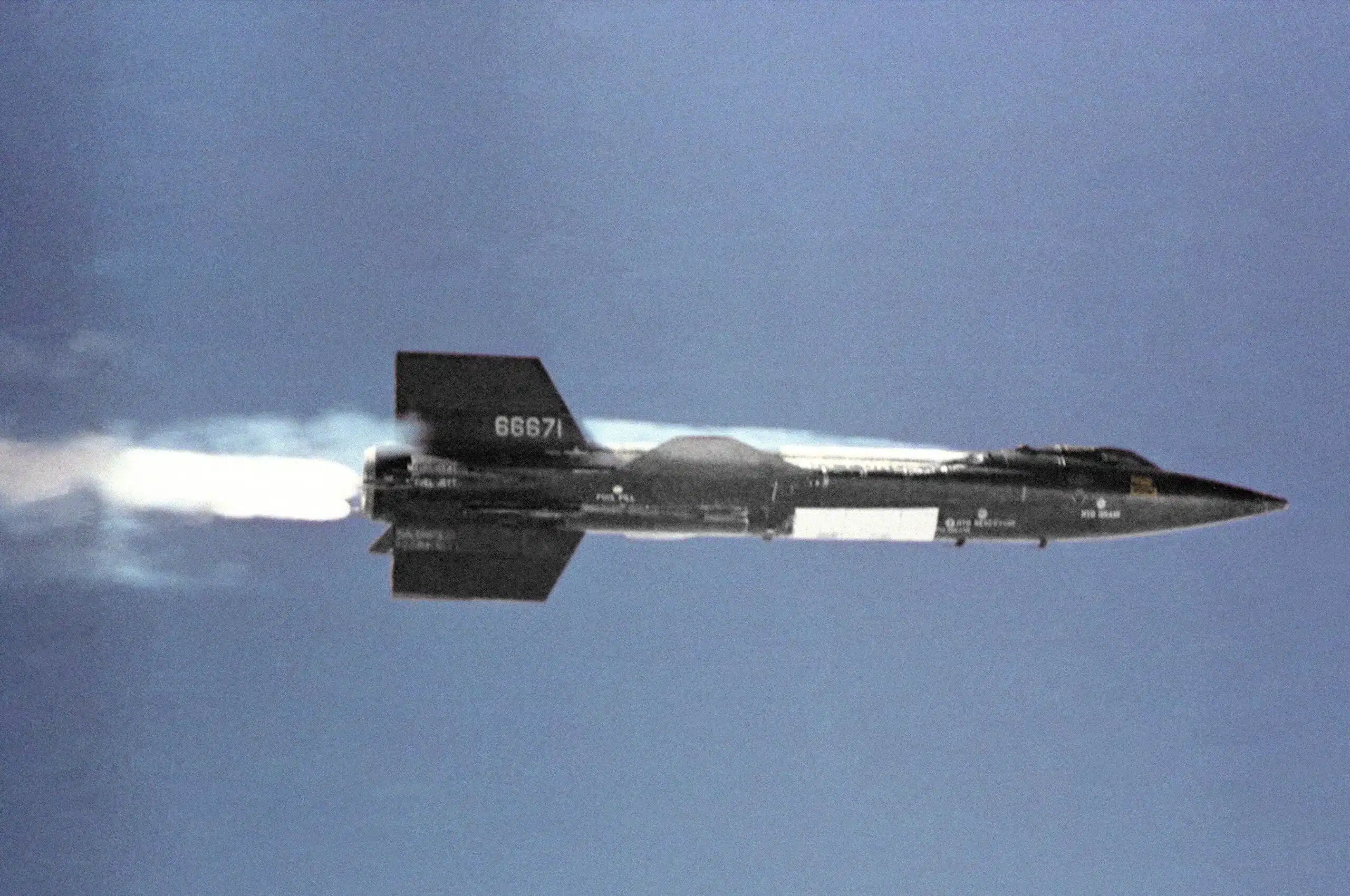
The plane used by NASA and the US Air Force was a North American X-15, an experimental rocket-powered aircraft capable of hypersonic speed.
In 1967, the X-15 achieved a jaw-dropping top speed of Mach 6.7 – equivalent to 16,272km/h (4,520mph).
This is particularly significant for two reasons.
First, this is still a world record, nearly 60 years later.
Second, it means a real plane designed in the 1960s is a lot faster than theoretical concept planes designed in the modern era, such as the Hermeus Halcyon, which is ‘only’ capable of Mach 5.
Food for thought.
Alessandro is an automotive journalist with 10 years of experience covering supercars, automotive history, emerging vehicle technology, and luxury transportation. He wrote the first article published on SupercarBlondie.com when the website launched in 2022 and has since built a reputation for insightful reporting across the automotive and transportation industries. His expertise is grounded in hands-on experience. Alessandro has driven every Tesla model ever produced, from the original Roadster to the Cybertruck, and regularly covers the latest developments in electric vehicles and automotive innovation. His passion for transportation extends beyond cars, he has even flown a Boeing 787 Dreamliner simulator in Addis Ababa, Ethiopia. His reporting spans everything from classic American muscle cars and rare automotive discoveries to luxury yachts, private aircraft, high-end watches, and cutting-edge vehicle technology. Known for his deep knowledge of automotive history and ability to uncover the stories behind iconic vehicles, Alessandro brings readers a blend of historical context, technical expertise, and first-hand experience.




